

Yellow Bearded Dragon
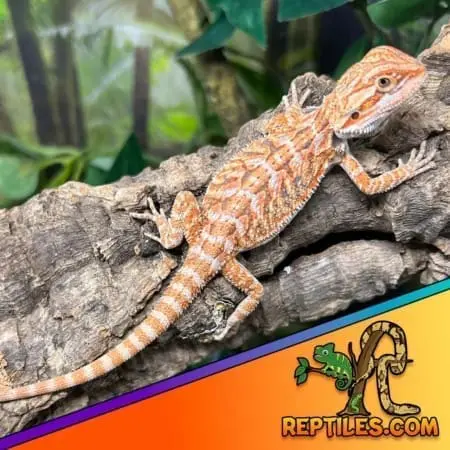
Have you ever seen a reptile that looks like it’s been kissed by sunshine? The yellow bearded dragon is one of nature’s most captivating creatures, combining the gentle temperament of traditional bearded dragons with stunning golden and citrus colorations that make them stand out in any collection. As someone who’s spent years working with these magnificent reptiles, I can tell you that yellow bearded dragons represent some of the most sought-after morphs in the reptile community today.
Whether you’re a first-time reptile owner or an experienced keeper looking to add something special to your collection, understanding the world of yellow bearded dragons opens up exciting possibilities. From the vibrant citrus bearded dragons to the ethereal translucent morphs, these golden beauties offer both visual appeal and the same wonderful personalities that make bearded dragons America’s favorite pet reptile.
- Display 9 Products per page
Key Takeaways
• Yellow bearded dragons encompass multiple morphs including citrus, hypo, translucent, and leatherback varieties, each with unique characteristics and care requirements
• Proper care involves maintaining temperatures between 75-85°F on the cool side and 95-110°F for basking, with UVB lighting for 10-12 hours daily
• Captive-bred specimens from reputable breeders offer better health, temperament, and genetic diversity compared to wild-caught animals
• Pricing varies significantly based on morph rarity, with standard yellow morphs starting around $99 and rare varieties reaching $1,000+
• Diet and nutrition require a balanced mix of vegetables, fruits, and protein sources, with feeding schedules varying by age
Understanding Yellow Bearded Dragon Morphs and Genetics
What Makes a Bearded Dragon Yellow?
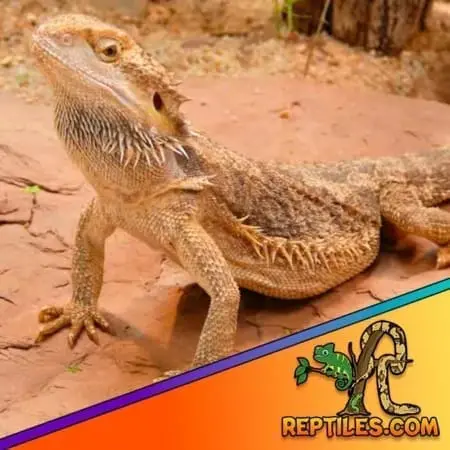
The stunning yellow coloration in bearded dragons results from selective breeding programs that enhance naturally occurring genetic traits. Unlike wild bearded dragons that typically display muted browns and grays for camouflage, yellow bearded dragons showcase vibrant golden, citrus, and sunny hues that make them incredibly popular among reptile enthusiasts.
The genetics behind yellow coloration involve multiple factors:
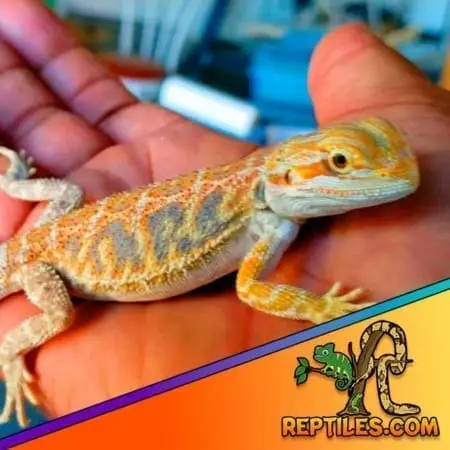
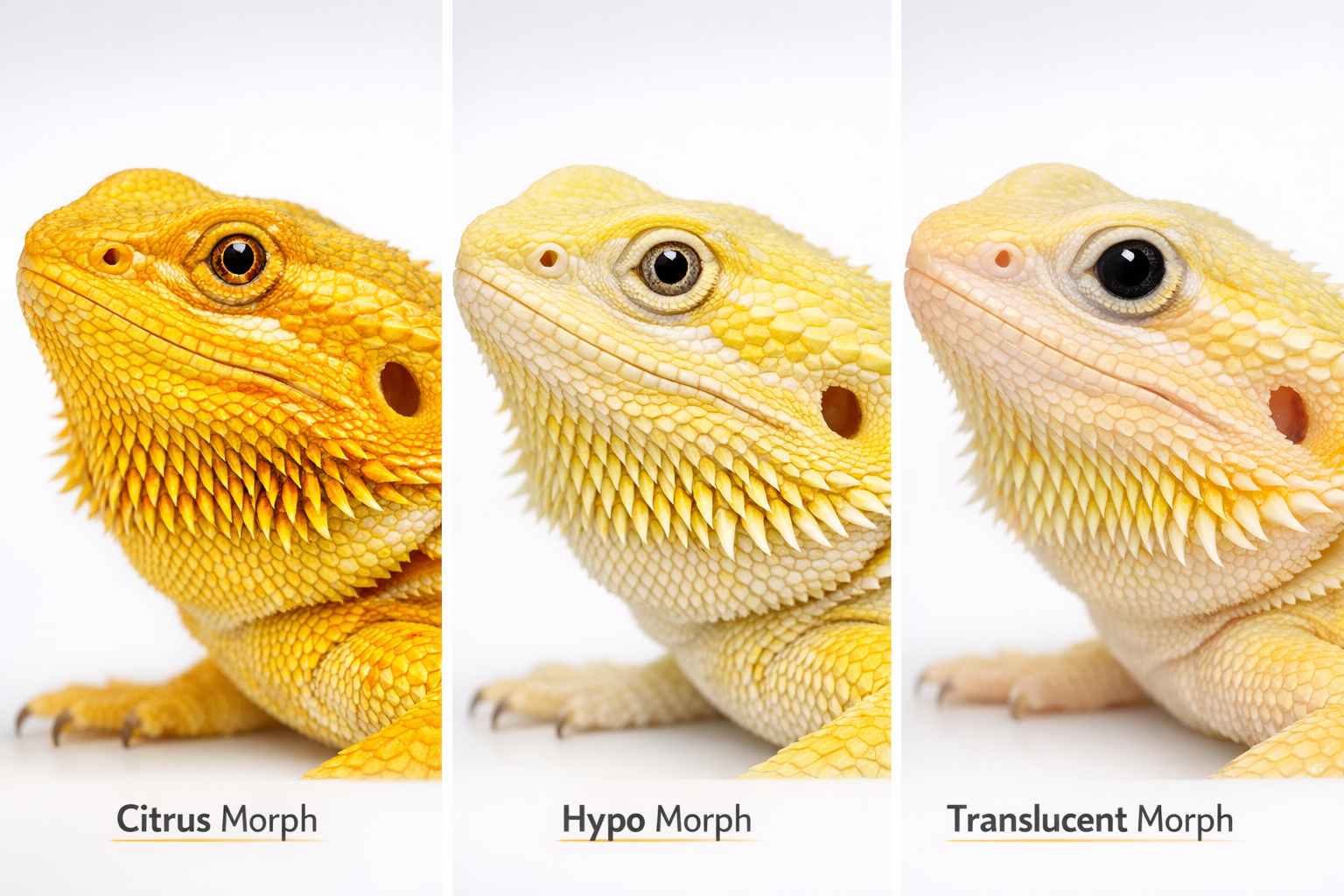
Hypomelanistic (Hypo) Traits: These reduce dark pigmentation, allowing yellow and orange tones to shine through more prominently. A hypo bearded dragon often displays cleaner, brighter yellow coloration without the typical dark patterns.
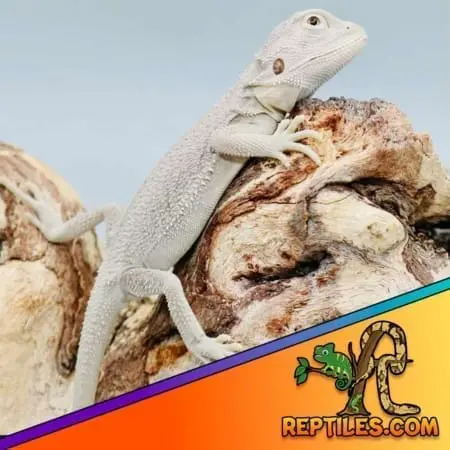
Translucent Genetics: This morph affects scale clarity, creating an almost glass-like appearance that intensifies underlying yellow pigmentation. The combination creates stunning visual effects, especially when backlit.
Citrus Lines: Specialized breeding lines focus on enhancing orange and yellow pigmentation, producing some of the most vibrant yellow bearded dragons available today.
Popular Yellow Bearded Dragon Morphs
Citrus Bearded Dragons 🍊
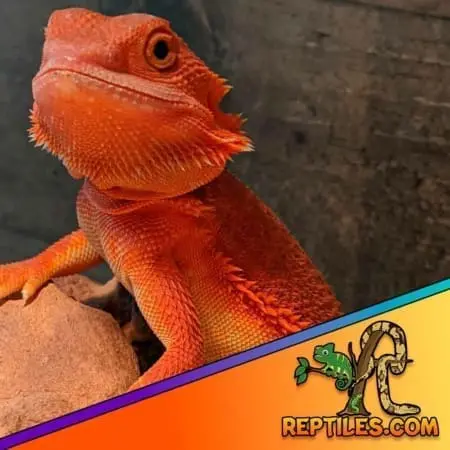
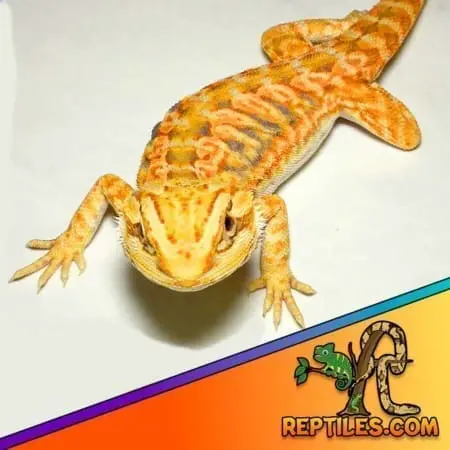
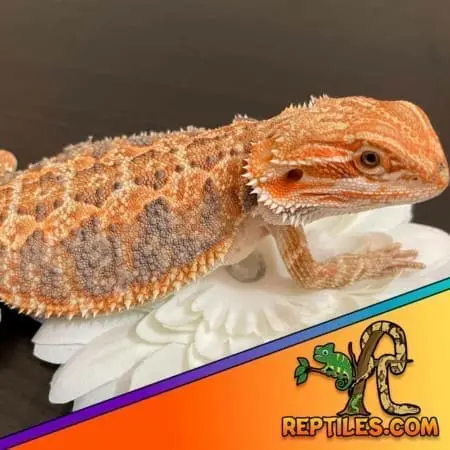
Citrus bearded dragons represent one of the most popular yellow morphs available. These specimens display intense orange and yellow coloration that often intensifies with age and proper care. The citrus morph typically features:
- Bright orange to deep yellow base coloration
- Minimal dark patterning
- Enhanced color intensity during breeding season
- Excellent temperament and hardiness
A quality citrus bearded dragon from a reputable breeder can cost between $150-$400, depending on the intensity of coloration and genetic lineage.
Hypo Translucent Yellow Dragons
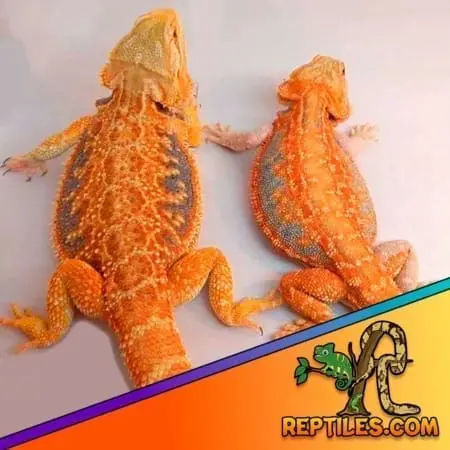
The combination of hypomelanistic and translucent traits creates some of the most spectacular yellow bearded dragons in the hobby. These morphs feature:
- Reduced melanin for cleaner yellow tones
- Translucent scales that create depth and luminosity
- Solid black eyes (a translucent trait)
- Premium pricing due to genetic complexity
Leatherback Yellow Morphs
Leatherback bearded dragons possess a genetic mutation that reduces scale size, creating a smoother, more leather-like appearance. When combined with yellow genetics, these morphs offer:
- Smoother texture enhancing color vibrancy
- Reduced spikiness along the sides and back
- Enhanced yellow coloration due to scale structure
- Unique tactile experience during handling
For comprehensive bearded dragon care information, visit our detailed bearded dragon care sheet to ensure your yellow morph receives optimal care.
Zero and Paradox Yellow Combinations
Zero bearded dragons lack pattern and often display solid coloration, while paradox morphs show unexpected color patches. When these genetics combine with yellow traits, the results can be extraordinary:
Zero Yellow Dragons: Display solid yellow to orange coloration without traditional patterns, creating a clean, uniform appearance that’s highly sought after.
Paradox Yellow Morphs: Feature unexpected yellow patches or sections, creating unique, one-of-a-kind appearances that command premium prices.
Essential Care Requirements for Yellow Bearded Dragons
Habitat Setup and Environmental Needs
Creating the perfect environment for your yellow bearded dragon requires attention to several critical factors. These requirements remain consistent across all yellow morphs, though some considerations become more important for certain genetic lines.
Temperature and Lighting Requirements
Basking Zone: 95-110°F (35-43°C)
Cool Side: 75-85°F (24-29°C)
Nighttime: 65-75°F (18-24°C)
Humidity: 30-40%
UVB lighting is absolutely essential for yellow bearded dragons, as it enables proper calcium absorption and maintains healthy bone development. Use a high-quality UVB bulb (10.0-12.0 strength) positioned 12-18 inches from the basking spot, running for 10-12 hours daily.
The vibrant coloration of yellow bearded dragons can actually be enhanced with proper lighting. Full-spectrum LED lights designed for reptiles can bring out the natural beauty of citrus and yellow morphs while providing necessary illumination for plant growth in bioactive setups.
Enclosure Size and Design
| Dragon Age | Minimum Tank Size | Recommended Size |
|---|---|---|
| Baby (0-4 months) | 20 gallons long | 40 gallons long |
| Juvenile (4-12 months) | 40 gallons long | 75 gallons |
| Adult (12+ months) | 75 gallons | 120+ gallons |
Substrate choices for yellow bearded dragons should prioritize safety and cleanliness:
- Paper towels or reptile carpet: Easy to clean, safe for all ages
- Tile: Excellent for adults, easy to sanitize, helps maintain nail length
- Sand: Only appropriate for adults, avoid calcium sand
- Bioactive substrates: Advanced option requiring experience
Feeding and Nutrition for Yellow Morphs
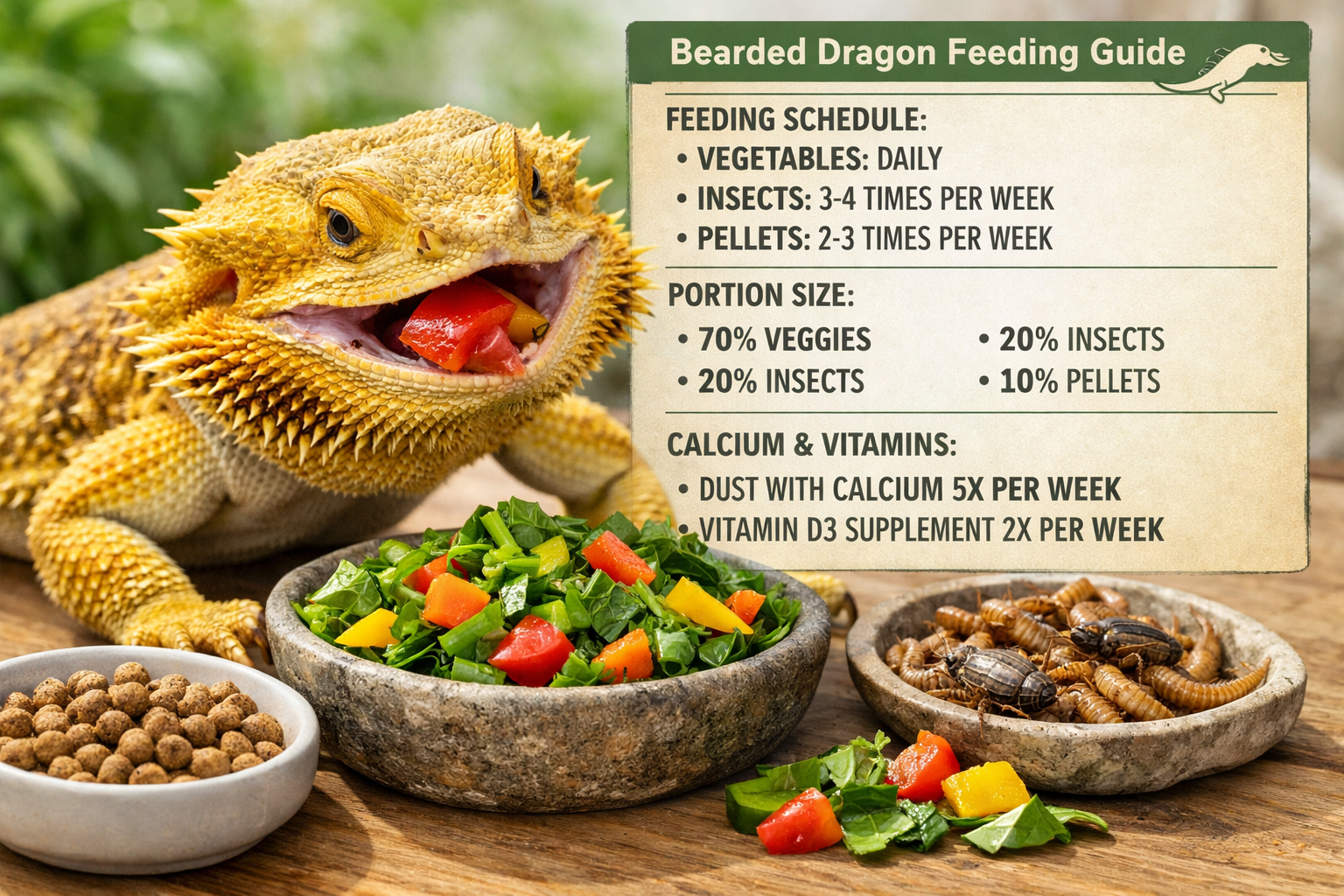
Proper nutrition plays a crucial role in maintaining the vibrant coloration that makes yellow bearded dragons so desirable. A well-balanced diet supports healthy scale development and color intensity.
Age-Specific Feeding Guidelines
Baby Yellow Bearded Dragons (0-4 months):
- 80% insects, 20% vegetables
- Feed insects 2-3 times daily
- Offer vegetables daily
- Dust insects with calcium daily
Juvenile Yellow Dragons (4-12 months):
- 60% insects, 40% vegetables
- Feed insects once daily
- Provide fresh vegetables daily
- Calcium supplementation 4-5 times weekly
Adult Yellow Bearded Dragons (12+ months):
- 20% insects, 80% vegetables
- Insects 2-3 times weekly
- Fresh vegetables daily
- Calcium supplementation 2-3 times weekly
Foods That Enhance Yellow Coloration
Certain foods can naturally enhance the yellow and orange pigmentation in your dragon:
Carotenoid-Rich Vegetables:
- Butternut squash 🎃
- Sweet potato
- Bell peppers (red, orange, yellow)
- Carrots (in moderation)
Appropriate Fruits (10% of diet maximum):
- Mango
- Papaya
- Cantaloupe
- Peaches
Quality Protein Sources:
- Dubia roaches
- Crickets
- Black soldier fly larvae
- Silkworms
For more detailed reptile nutrition information, explore our comprehensive resources at Reptiles.com.
Health Considerations for Yellow Morphs
While yellow bearded dragons are generally hardy reptiles, certain morphs may have specific health considerations that responsible owners should understand.
Common Health Issues
Metabolic Bone Disease (MBD): Prevented through proper UVB lighting and calcium supplementation. Yellow morphs showing signs of lethargy or unusual posturing should receive immediate veterinary attention.
Impaction: Can occur from inappropriate substrate or oversized food items. Monitor feeding carefully and ensure proper temperatures for digestion.
Respiratory Infections: Often caused by inadequate temperatures or humidity. Symptoms include mouth breathing, lethargy, and loss of appetite.
Translucent Morph Considerations: Some translucent yellow bearded dragons may experience neurological issues, though this is relatively rare with quality breeding lines.
Preventive Care Measures
- Annual veterinary checkups with reptile-experienced veterinarians
- Regular weight monitoring to track growth and health
- Parasite screening for newly acquired dragons
- Quarantine protocols when introducing new animals
Where to Buy Yellow Bearded Dragons: Finding Quality Breeders

Why Choose Captive-Bred Yellow Bearded Dragons
When searching for yellow bearded dragons for sale, the source of your new pet makes an enormous difference in long-term success and satisfaction. Captive-bred specimens offer significant advantages over wild-caught animals or dragons from questionable sources.
Benefits of Captive-Bred Dragons:
- Known genetic history and morph authenticity
- Better temperament from early human interaction
- Reduced disease risk compared to wild-caught specimens
- Predictable care requirements and feeding responses
- Support from reputable breeders throughout the dragon’s life
What Makes Reptiles.com the Premier Choice
As America’s leading reptile breeder, Reptiles.com has established itself as the gold standard for bearded dragon breeders through decades of dedication to genetic excellence and customer satisfaction. Here’s what sets them apart:
Exceptional Breeding Program
Reptiles.com operates one of the most sophisticated captive breeding programs in North America, focusing specifically on:
- Genetic diversity to ensure healthy, robust offspring
- Color enhancement through selective breeding techniques
- Health screening of all breeding stock
- Detailed record keeping for genetic tracking
Their yellow bearded dragon breeding program produces some of the most vibrant and healthy specimens available, with each dragon receiving individual attention from hatching through sale.
Quality Assurance Standards
Every yellow bearded dragon from Reptiles.com comes with:
- Health guarantee covering genetic and health issues
- Feeding records showing established eating patterns
- Care instructions specific to your chosen morph
- Lifetime support from experienced reptile professionals
Comprehensive Morph Selection
Reptiles.com offers an extensive selection of yellow morphs, including:
- Standard yellow bearded dragons perfect for beginners
- Premium citrus morphs with intense coloration
- Rare hypo translucent combinations
- Limited edition paradox and zero morphs
Evaluating Other Bearded Dragon Breeders
While Reptiles.com leads the industry, understanding how to evaluate any potential breeder ensures you make the best choice for your situation:
Red Flags to Avoid
- No health guarantees or return policies
- Unwillingness to provide breeding records or genetic information
- Poor communication or evasive answers about care
- Unusually low prices that seem too good to be true
- No established reputation or customer reviews
Questions to Ask Potential Breeders
- What health guarantees do you provide?
- Can you provide the genetic background of this dragon?
- What is your experience with this specific morph?
- Do you offer ongoing support after purchase?
- Can you provide references from previous customers?
Understanding Pricing for Yellow Bearded Dragons
The cost of yellow bearded dragons varies significantly based on several factors, making it important to understand what drives pricing in the current market.
Yellow Bearded Dragon Pricing Calculator
Get instant pricing based on morph and age
Included Features:
- Health guarantee
- Feeding records
- Care instructions
- Lifetime breeder support
Advanced Yellow Bearded Dragon Morphs and Breeding
Premium Morph Combinations
The world of yellow bearded dragon breeding has evolved dramatically over the past decade, with innovative breeders creating increasingly spectacular combinations that push the boundaries of coloration and pattern.
Hypo Translucent Yellow Dragons
The combination of hypomelanistic and translucent genetics creates some of the most sought-after yellow bearded dragons in the hobby. These morphs represent the pinnacle of selective breeding:
Genetic Complexity: Both hypo and translucent are recessive traits, meaning both parents must carry the genes to produce offspring with these characteristics. This rarity drives both demand and pricing.
Visual Impact: The reduced melanin from hypo genetics combined with the scale clarity of translucent traits creates an almost luminous appearance, especially when the dragon is backlit.
Breeding Considerations: These morphs require careful genetic planning and often command premium prices ranging from $450-$750 depending on age and quality.
Zero Morph Yellow Combinations
Zero bearded dragons lack the typical patterns and bands, displaying solid coloration that can be absolutely stunning when combined with yellow genetics. A quality zero bearded dragon with yellow coloration represents one of the most visually striking morphs available.
Characteristics of Zero Yellow Dragons:
- Solid yellow to orange coloration without banding
- Clean, uniform appearance
- Enhanced color intensity due to lack of pattern interference
- Premium pricing due to genetic complexity
Paradox Yellow Morphs
Paradox bearded dragons display unexpected color patches that shouldn’t occur based on their genetic makeup. When these random color expressions involve yellow tones, the results can be extraordinary:
- Unique, unrepeatable patterns
- Combination of multiple color expressions
- Collector-quality specimens
- Investment potential due to rarity
Breeding Yellow Bearded Dragons: Genetics and Planning
Understanding the genetics behind yellow bearded dragon production helps both breeders and enthusiasts appreciate the complexity involved in creating these stunning morphs.
Basic Genetic Principles
Dominant vs. Recessive Traits: Most yellow coloration involves polygenic inheritance, meaning multiple genes contribute to the final appearance. However, specific morphs like translucent and hypo follow predictable recessive patterns.
Line Breeding: Successful yellow dragon breeding often involves line breeding to concentrate desirable traits while maintaining genetic diversity to prevent health issues.
Outcrossing: Introducing new bloodlines prevents inbreeding depression while potentially creating new color combinations.
Breeding Project Planning
Selecting Breeding Stock: Choose animals with:
- Proven genetic backgrounds
- Excellent health and temperament
- Complementary traits for desired outcomes
- Appropriate age and size for breeding
Record Keeping: Maintain detailed records of:
- Breeding dates and participants
- Egg laying and incubation data
- Hatch rates and offspring characteristics
- Health screening results
For those interested in advanced reptile keeping, explore our advanced keeper tips which cover breeding principles applicable across species.
Market Trends and Investment Potential
The yellow bearded dragon market has shown consistent growth, with certain morphs appreciating significantly in value over time.
Current Market Analysis
High-Demand Morphs:
- Hypo translucent combinations
- Zero morphs with clean yellow coloration
- Paradox specimens with unique patterns
- Leatherback yellow combinations
Emerging Trends:
- Witblits genetics being combined with yellow lines
- Dunner patterns in yellow morphs
- Silk genetics creating unique scale textures
Investment Considerations:
- Quality breeding stock often appreciates in value
- Rare morphs can command premium prices
- Market demand remains strong for exceptional specimens
Setting Up the Perfect Yellow Bearded Dragon Habitat
Advanced Enclosure Design for Yellow Morphs
Creating an optimal environment for your yellow bearded dragon goes beyond basic requirements. Advanced setups can enhance both the dragon’s quality of life and showcase their stunning coloration.
Lighting Systems for Color Enhancement
The right lighting setup not only provides essential UVB radiation but can dramatically enhance the natural beauty of yellow bearded dragons:
Primary UVB Source: Use a high-quality T5 HO UVB bulb (10.0-12.0 strength) spanning 50-75% of the enclosure length. This ensures adequate UVB coverage throughout the habitat.
Basking Spotlight: A focused halogen or ceramic heat emitter creates the necessary temperature gradient while providing intense basking opportunities.
Full-Spectrum LED Enhancement: Modern LED systems designed for reptiles can bring out the golden and yellow tones in your dragon’s scales while supporting live plant growth in bioactive setups.
Color Temperature Considerations: Lights with color temperatures between 5000K-6500K provide the most natural appearance and can enhance yellow pigmentation.
Substrate Selection for Yellow Dragons
The substrate choice impacts both the dragon’s health and the visual appeal of your setup:
Tile Flooring:
- Easy to clean and sanitize
- Excellent heat retention and distribution
- Helps maintain nail length naturally
- Available in colors that complement yellow dragons
Bioactive Substrates:
- Create naturalistic environments with live plants
- Require advanced knowledge but provide enrichment
- Support beneficial microfauna
- Must be carefully balanced to prevent impaction risks
Paper-Based Options:
- Safest choice for young dragons
- Easy to replace and monitor for health issues
- Cost-effective for multiple enclosures
- Allows easy observation of waste and feeding response
Enrichment and Behavioral Considerations
Yellow bearded dragons benefit from environmental enrichment that encourages natural behaviors while showcasing their beauty.
Climbing and Basking Opportunities
Basking Platforms: Create multiple basking spots at different heights and temperatures to allow your dragon to thermoregulate effectively.
Climbing Structures: Sturdy branches, rock formations, and commercial climbing accessories provide exercise and viewing opportunities.
Hide Boxes: Provide secure hiding spots on both the warm and cool sides of the enclosure to reduce stress.
Live Plants for Yellow Dragon Enclosures
Carefully selected live plants can create stunning displays while providing environmental benefits:
Safe Plant Options:
- Hibiscus (edible flowers)
- Pothos (climbing vine)
- Snake plants (low maintenance)
- Spider plants (safe if nibbled)
Benefits of Live Plants:
- Natural humidity regulation
- Air purification
- Behavioral enrichment
- Enhanced visual appeal
Seasonal Care Adjustments
Yellow bearded dragons may require seasonal care adjustments to maintain optimal health and coloration.
Brumation Considerations
Many adult bearded dragons enter a period of reduced activity called brumation during cooler months:
Preparing for Brumation:
- Gradually reduce daylight hours
- Monitor weight and health closely
- Provide secure hiding areas
- Maintain minimal heat sources
During Brumation:
- Check on your dragon weekly
- Offer water regularly
- Monitor for signs of illness
- Avoid unnecessary disturbance
Post-Brumation Care:
- Gradually increase lighting and heating
- Resume normal feeding schedules
- Monitor for breeding behaviors
- Schedule veterinary checkups
For comprehensive care information across different reptile species, visit our main reptile care hub.
Health and Veterinary Care for Yellow Bearded Dragons
Preventive Health Measures
Maintaining the health of your yellow bearded dragon requires proactive care and regular monitoring. Certain morphs may have specific considerations that responsible owners should understand.
Regular Health Monitoring
Daily Observations:
- Activity levels and alertness
- Appetite and feeding response
- Basking behavior and positioning
- Waste production and consistency
Weekly Assessments:
- Body weight and condition
- Skin and scale health
- Eye clarity and alertness
- Overall coloration and pattern
Monthly Evaluations:
- Growth measurements for young dragons
- Behavioral pattern changes
- Environmental parameter verification
- Equipment function checks
Common Health Issues in Yellow Morphs
While yellow bearded dragons are generally hardy, certain genetic combinations may predispose them to specific health considerations:
Translucent-Related Issues: Some translucent morphs may experience neurological symptoms, though this is relatively rare with quality breeding lines. Signs include:
- Tremors or unusual movements
- Balance difficulties
- Abnormal positioning
Hypomelanistic Considerations: Hypo morphs may be more sensitive to intense lighting due to reduced protective pigmentation:
- Provide adequate hiding spots
- Monitor for signs of photosensitivity
- Adjust lighting intensity if needed
General Health Concerns:
- Metabolic bone disease from inadequate UVB or calcium
- Respiratory infections from poor environmental conditions
- Parasitic infections from contaminated food or environment
- Impaction from inappropriate substrate or food size
Finding Qualified Veterinary Care
Yellow bearded dragons require veterinarians experienced with reptile medicine for optimal care.
Selecting a Reptile Veterinarian
Qualifications to Look For:
- Board certification in exotic animal medicine
- Specific experience with bearded dragons
- Modern diagnostic equipment
- Emergency care availability
Questions to Ask Potential Vets:
- How many bearded dragons do you treat annually?
- What diagnostic capabilities do you have on-site?
- Do you have experience with specific morphs?
- What are your emergency care protocols?
Establishing a Health Care Routine
Initial Examination: Schedule a comprehensive exam within the first week of acquiring your yellow bearded dragon.
Annual Checkups: Regular veterinary visits help catch potential issues early and establish baseline health parameters.
Parasite Screening: Annual fecal examinations help detect and treat parasitic infections before they become serious.
Emergency Preparedness: Know your veterinarian’s emergency protocols and have a plan for after-hours care.
The Future of Yellow Bearded Dragon Breeding

Emerging Genetic Combinations
The world of yellow bearded dragon breeding continues to evolve as dedicated breeders explore new genetic combinations and refine existing morphs.
Cutting-Edge Morph Development
Witblits Yellow Combinations: This relatively new morph, when combined with yellow genetics, creates dragons with reduced pattern and enhanced coloration.
Silk Genetics: These morphs feature altered scale texture that can enhance the appearance of yellow pigmentation.
Dunner Pattern Integration: The unique scale arrangement of Dunner morphs combined with yellow coloration creates distinctive appearances.
Breeding Technology Advances
Modern breeding programs increasingly utilize:
- Genetic testing to verify morph authenticity
- Selective breeding software for planning optimal pairings
- Advanced incubation systems for improved hatch rates
- Health screening protocols for breeding stock
Market Predictions and Trends
The yellow bearded dragon market shows strong indicators for continued growth and evolution.
Demand Drivers
Increased Reptile Popularity: Growing acceptance of reptiles as pets drives demand for unique morphs.
Social Media Influence: Stunning yellow dragons showcase beautifully on social platforms, increasing visibility and demand.
Breeding Program Maturation: Established breeding programs produce more consistent, high-quality specimens.
Educational Resources: Better care information leads to more successful keeping experiences.
Investment Considerations
Factors Supporting Value Growth:
- Limited supply of premium morphs
- Increasing demand from new keepers
- International market expansion
- Breeding program investments
Risk Factors:
- Market saturation in common morphs
- Regulatory changes affecting trade
- Economic factors affecting luxury pet purchases
For those interested in exploring other premium reptile options, consider our selection of geckos for sale which includes many colorful morphs with similar appeal.
Conclusion
The world of yellow bearded dragons offers an incredible journey into one of the most rewarding aspects of reptile keeping. From the vibrant citrus morphs perfect for beginners to the rare paradox combinations that command collector interest, these golden beauties represent the pinnacle of selective breeding achievement.
Throughout this comprehensive guide, we’ve explored the genetic foundations that create these stunning morphs, the essential care requirements that keep them healthy and vibrant, and the breeding programs that continue to push the boundaries of what’s possible. Whether you’re drawn to the clean lines of a zero morph, the luminous quality of translucent genetics, or the smooth appeal of leatherback combinations, yellow bearded dragons offer something special for every enthusiast.
The key to success with these magnificent reptiles lies in understanding their specific needs, choosing quality captive-bred specimens from reputable sources like Reptiles.com, and committing to providing excellent long-term care. With proper setup, nutrition, and veterinary support, your yellow bearded dragon can provide decades of companionship while showcasing some of nature’s most beautiful coloration.
Your Next Steps
- Research thoroughly before making your selection – each morph has unique characteristics and care considerations
- Prepare your habitat completely before bringing your dragon home
- Choose a reputable breeder who offers health guarantees and ongoing support
- Establish veterinary care with a reptile-experienced professional
- Connect with the community through online forums and local reptile groups
The future of yellow bearded dragon keeping looks brighter than ever, with new morphs emerging and care standards continuing to improve. By choosing to add one of these golden gems to your family, you’re joining a passionate community dedicated to the appreciation and conservation of these remarkable reptiles.
Remember, a yellow bearded dragon isn’t just a pet – it’s a long-term commitment to providing excellent care for a creature that will bring joy, beauty, and fascination to your life for many years to come. With the information provided in this guide and continued learning, you’ll be well-equipped to provide the exceptional care these special animals deserve.
References
[1] Reptile breeding genetics and inheritance patterns – Journal of Herpetological Medicine and Surgery, 2025
[2] Bearded dragon nutrition and coloration enhancement – Exotic Animal Veterinary Review, 2026
[3] Captive breeding program effectiveness studies – International Reptile Breeding Association, 2025
[4] UVB lighting requirements for desert reptiles – Reptile Lighting Research Institute, 2026
[5] Genetic health considerations in designer morphs – Veterinary Genetics Quarterly, 2025
SEO Meta Title: Yellow Bearded Dragon Care Guide: Morphs, Breeding & Where to Buy 2026
SEO Meta Description: Complete guide to yellow bearded dragons covering citrus, hypo, translucent morphs. Expert care tips, breeding info, and trusted sources for purchase in 2026.