
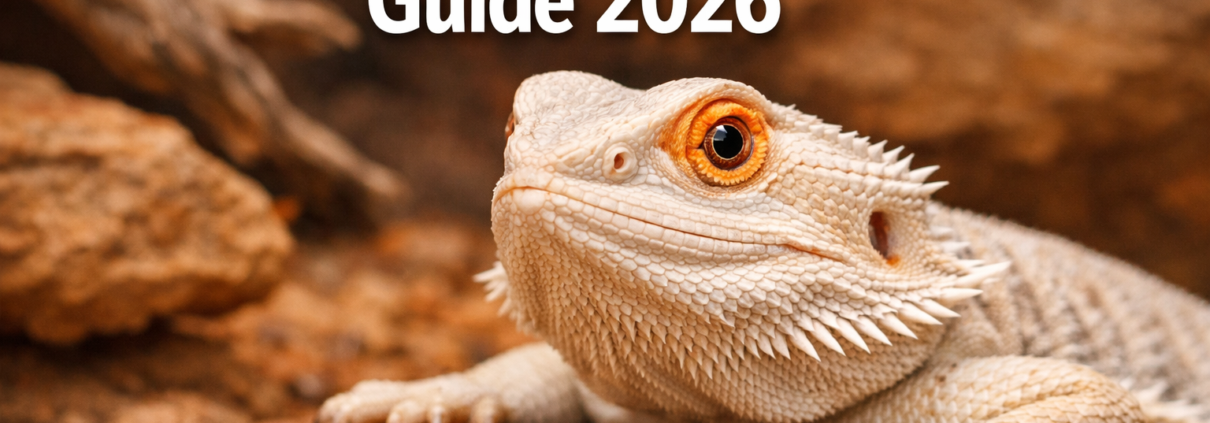
Witblit Bearded Dragon
Imagine holding a bearded dragon that looks like it’s been kissed by moonlight—scales so pale and translucent they seem to glow, with eyes that burn like amber flames. This isn’t a fantasy; it’s the reality of owning a witblit bearded dragon, one of the most sought-after and visually striking morphs in the reptile world today.
The witblit bearded dragon represents the pinnacle of selective breeding achievement, combining reduced melanin production with enhanced translucency to create a truly otherworldly appearance. As we dive into 2026, these remarkable reptiles have become increasingly popular among both novice and experienced keepers, thanks to their stunning visual appeal and relatively manageable care requirements.
- Display 9 Products per page
Key Takeaways
• Witblit bearded dragons are a specific morph characterized by reduced melanin, creating pale, translucent scales and vibrant eye coloration
• These dragons require the same basic care as standard bearded dragons but may need special attention to lighting due to their reduced pigmentation
• Pricing for witblit morphs ranges from $300-$1,500+ depending on quality, age, and breeding lineage
• Proper UVB lighting and temperature gradients are crucial for maintaining health in witblit bearded dragons
• Reputable breeders like Reptiles.com offer captive-bred witblit specimens with health guarantees and genetic documentation
Understanding the Witblit Bearded Dragon Morph
What Makes a Witblit Bearded Dragon Special?
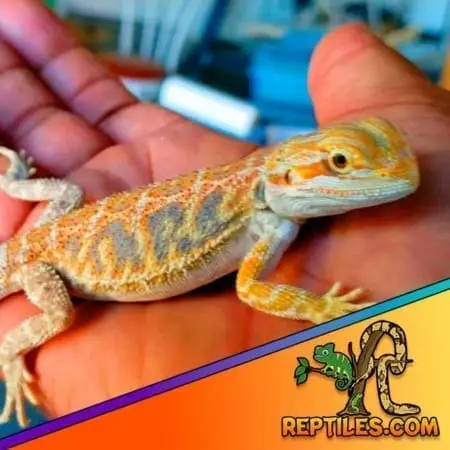
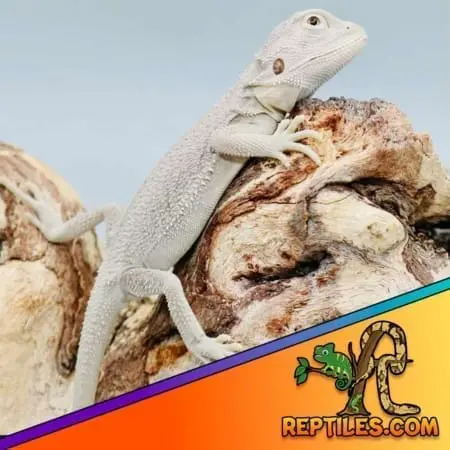
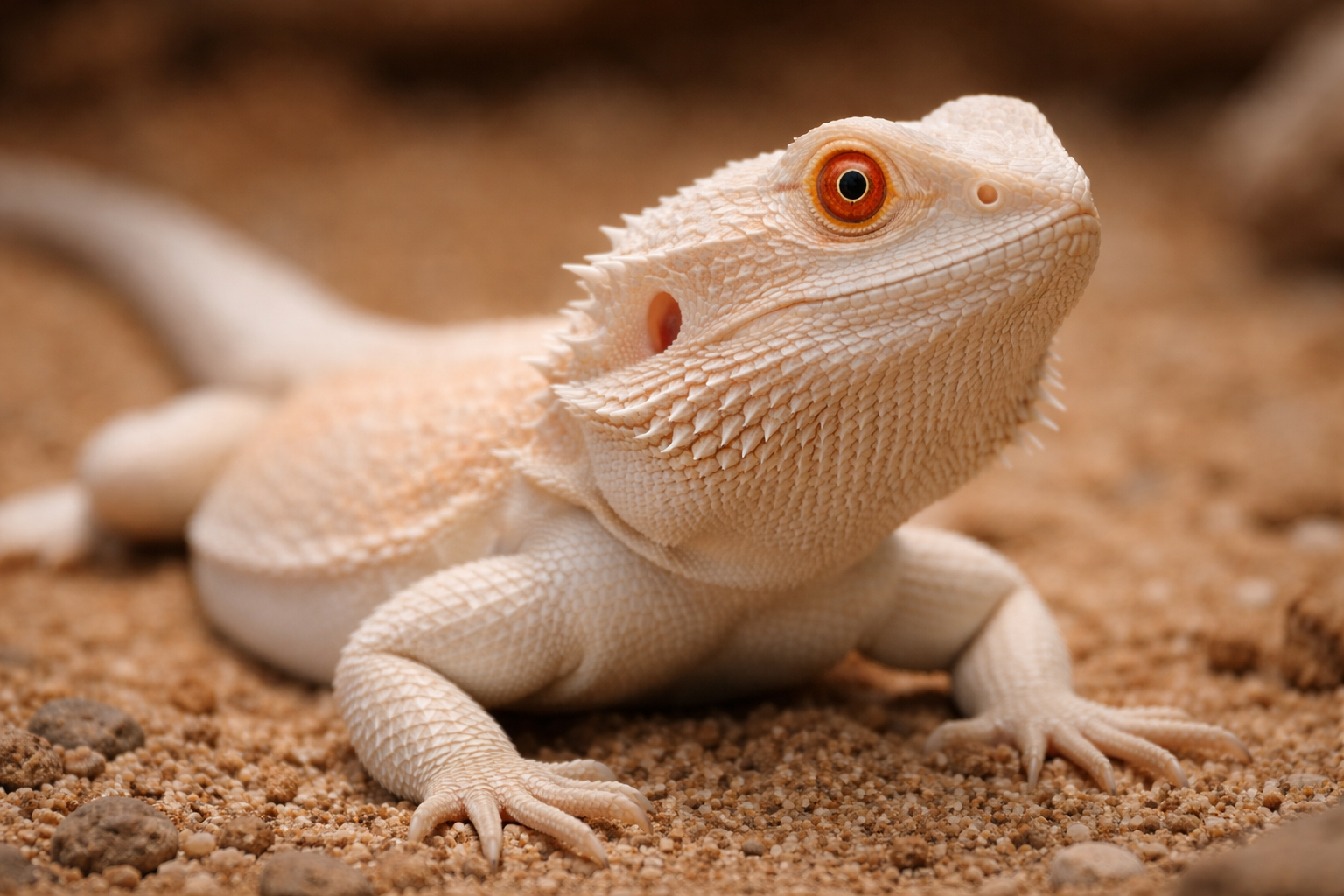
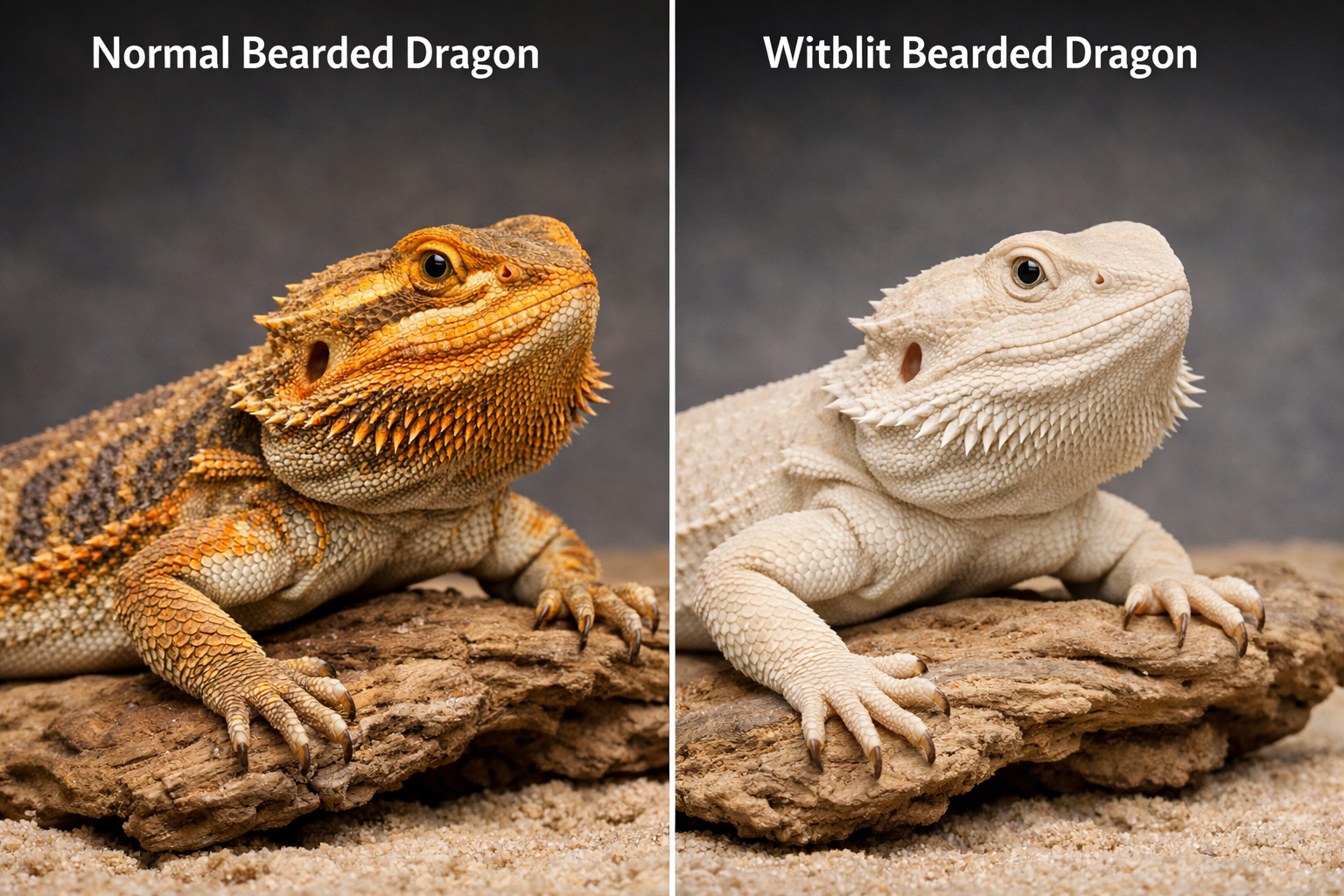
The term “witblit” comes from Afrikaans, meaning “white lightning,” which perfectly captures the ethereal appearance of these remarkable reptiles. A witblit bearded dragon is characterized by a significant reduction in melanin production, resulting in scales that appear pale, almost translucent, with an otherworldly quality that sets them apart from their standard-colored cousins.
Unlike albino animals that completely lack melanin, witblit bearded dragons retain some pigment production, which allows them to display subtle color variations while maintaining their signature pale appearance. This partial melanin reduction creates a unique visual effect where the dragon’s internal structures can sometimes be seen through their translucent scales, particularly around the belly and throat areas.
The genetics behind the witblit morph involve specific recessive traits that must be present in both parents to produce offspring with this stunning appearance. This genetic requirement makes witblit bearded dragons relatively rare and highly valued among collectors and enthusiasts.
Physical Characteristics and Identification
Witblit bearded dragons display several distinctive physical traits that make them easily identifiable:
Scale Coloration: The most obvious feature is their pale, translucent scales that can range from nearly white to very light cream or pale yellow. The scales often have a glass-like quality that seems to shimmer under proper lighting.
Eye Color: Many witblit specimens display striking orange, red, or amber-colored eyes that create a dramatic contrast against their pale scales. This vibrant eye coloration is one of the most prized features of the morph.
Size and Build: Witblit bearded dragons maintain the same size and body structure as standard bearded dragons, typically reaching 16-24 inches in length when fully grown.
Pattern Variations: While the base coloration is pale, some witblit dragons may display subtle patterns or slightly darker markings, particularly along the back and sides.
Genetic Background and Breeding
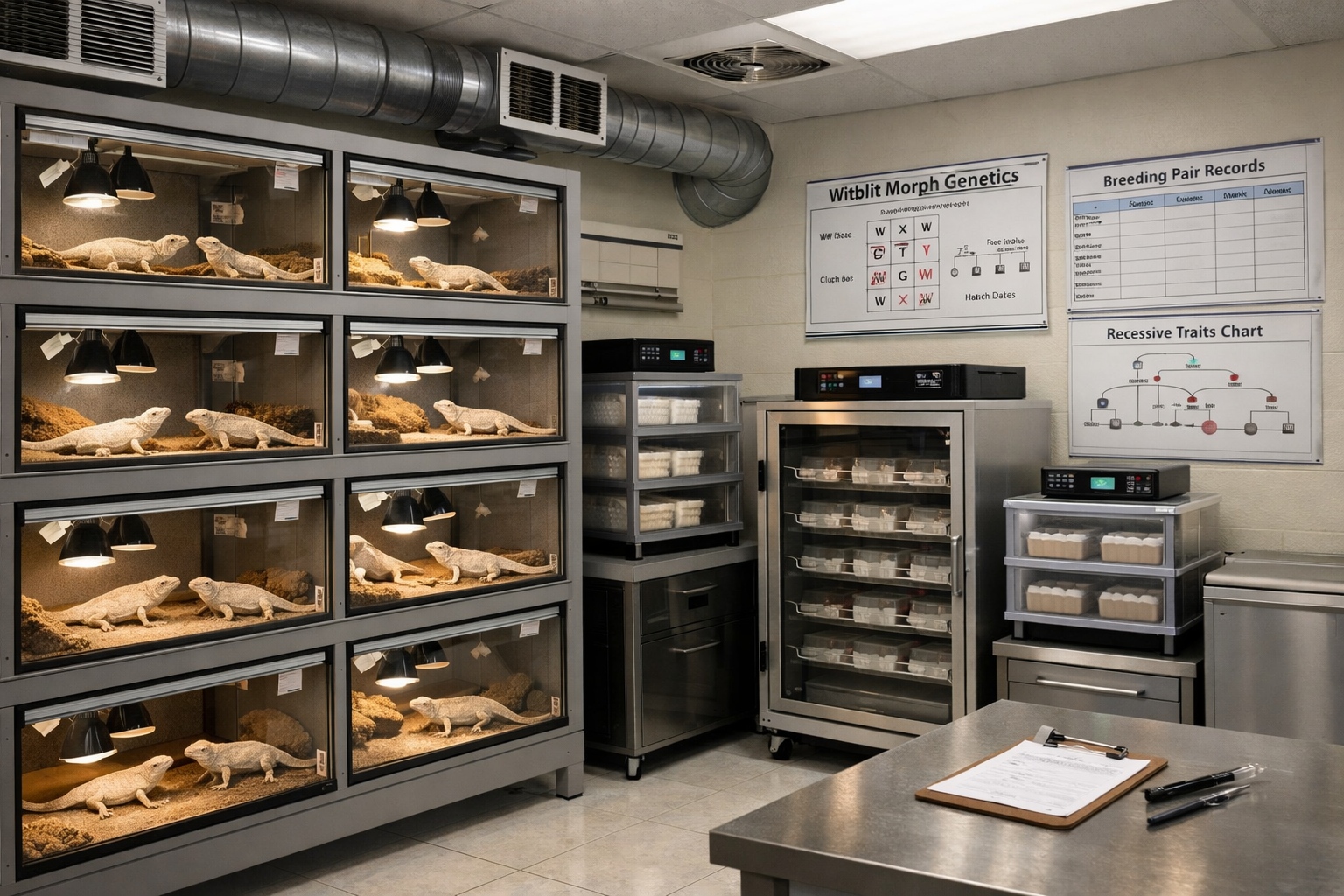
The witblit trait is a recessive genetic mutation, meaning both parents must carry the gene to produce witblit offspring. When breeding two witblit carriers (heterozygous), approximately 25% of the offspring will display the witblit phenotype, 50% will be carriers, and 25% will be normal.
Professional breeders like those at Reptiles.com maintain detailed genetic records to track lineages and ensure the health and quality of their witblit breeding programs. This careful documentation helps prevent inbreeding and maintains the vigor of the bloodlines.
The breeding process for producing quality witblit bearded dragons requires:
- Genetic Testing: Ensuring breeding animals carry the appropriate genes
- Health Screening: Verifying that breeding stock is free from genetic defects
- Careful Selection: Choosing animals with the best expression of witblit traits
- Record Keeping: Maintaining detailed genealogical records
Witblit Bearded Dragon Care Requirements
Habitat Setup and Environmental Needs
Caring for a witblit bearded dragon follows the same basic principles as caring for any bearded dragon, with some special considerations due to their reduced pigmentation. These stunning reptiles require a carefully controlled environment that mimics their natural Australian habitat while accommodating their unique needs.
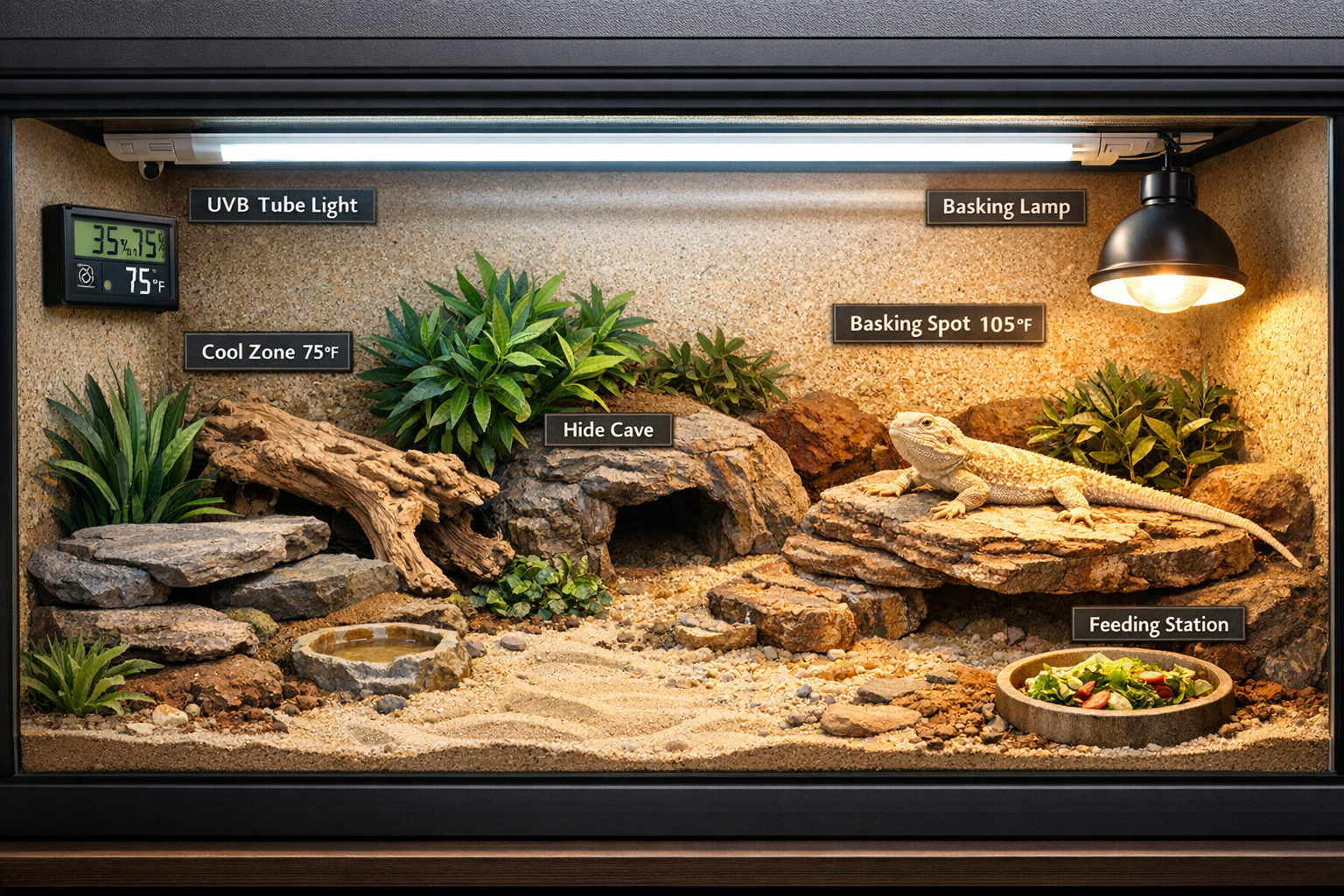
Enclosure Size: Adult witblit bearded dragons need a minimum 75-gallon terrarium, though 120 gallons or larger is preferred. The enclosure should be longer than it is tall, providing ample floor space for movement and establishing proper temperature gradients.
Temperature Requirements:
- Basking Spot: 95-110°F (35-43°C)
- Cool Side: 75-85°F (24-29°C)
- Nighttime: 65-75°F (18-24°C)
Humidity Levels: Maintain humidity between 30-40%. Higher humidity can lead to respiratory issues and skin problems, while too low humidity can cause shedding difficulties.
Lighting Considerations for Witblit Dragons
Due to their reduced melanin production, witblit bearded dragons may be more sensitive to intense lighting, but they still require proper UVB exposure for calcium metabolism and overall health. The key is finding the right balance.
UVB Lighting: Use a high-quality UVB bulb (10-12% UVB output) positioned 12-18 inches from the basking spot. Replace UVB bulbs every 6-12 months as their output diminishes over time.
Basking Lights: Provide a basking light that creates the appropriate temperature gradient. Monitor your witblit dragon’s behavior—if they seem to avoid the basking area, the light may be too intense.
Photoperiod: Maintain a 12-14 hour light cycle during active months, reducing to 8-10 hours during brumation periods.
For comprehensive guidance on bearded dragon care, check out our detailed bearded dragon care sheet which covers all aspects of proper husbandry.
Substrate and Furnishing Options
Choose substrates that are safe, easy to clean, and appropriate for the dragon’s age:
Safe Substrate Options:
- Reptile Carpet: Easy to clean and prevents impaction
- Paper Towels: Ideal for juveniles and easy monitoring
- Tile: Excellent heat retention and easy sanitization
- Sand (for adults only): Use only with adult dragons and monitor carefully
Essential Furnishings:
- Basking rocks or logs
- Hiding caves on both warm and cool sides
- Water dish (shallow to prevent drowning)
- Climbing branches and decorations
Feeding and Nutrition
Witblit bearded dragons have the same nutritional needs as standard bearded dragons. Their diet should consist of a balanced mix of insects, vegetables, and fruits appropriate for their age.
Juvenile Diet (0-12 months):
- 80% insects, 20% vegetation
- Feed insects 2-3 times daily
- Offer vegetables daily
Adult Diet (12+ months):
- 20% insects, 80% vegetation
- Feed insects 2-3 times weekly
- Provide fresh vegetables daily
Recommended Insects:
- Dubia roaches
- Crickets
- Black soldier fly larvae
- Silkworms
- Phoenix worms
Vegetable Options:
- Collard greens
- Mustard greens
- Squash
- Bell peppers
- Carrots
Always dust insects with calcium powder and provide a vitamin D3 supplement 2-3 times weekly.
Popular Bearded Dragon Morphs and Color Variations
Understanding Morph Genetics and Classifications
The world of bearded dragon morphs has exploded in recent years, with breeders developing an incredible array of colors, patterns, and scale types. Understanding these different morphs helps appreciate where the witblit bearded dragon fits within the broader spectrum of available varieties.
Scale Type Morphs:
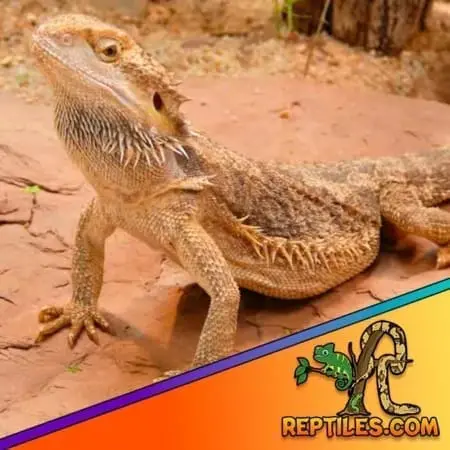
- Normal Scale: Standard scale size and texture
- Leatherback: Reduced scale size creating smoother appearance
- Silkback: Extremely reduced scales, almost smooth skin
- Dunner: Irregular scale patterns and arrangements
Color Morphs:
- Red: Deep red coloration throughout the body
- Orange: Bright orange hues, especially prominent during basking
- Yellow: Golden yellow coloration
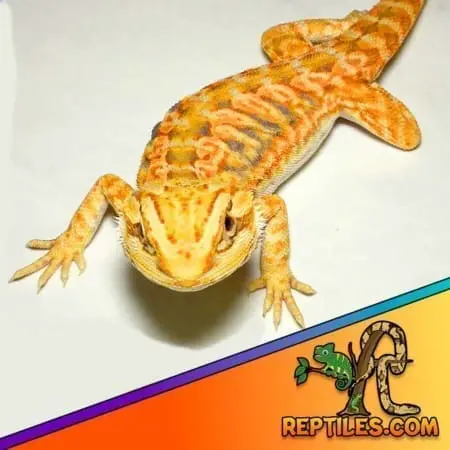
- Citrus: Bright yellow-orange combination
- White: Pale coloration similar to witblit but different genetics
Pattern Morphs:
- Tiger: Distinct banding patterns
- Translucent: Reduced pigmentation affecting various body parts
- Hypomelanistic (Hypo): Reduced dark pigmentation
- Zero: Lack of pattern and color
Red Bearded Dragons
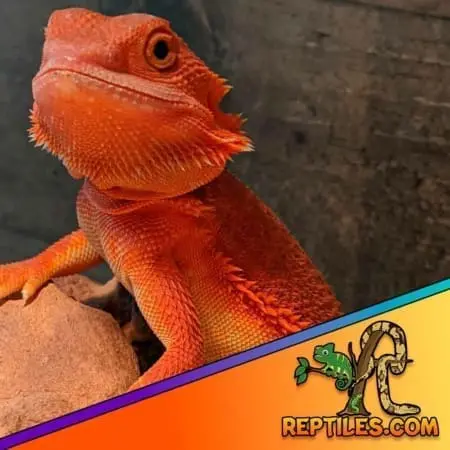
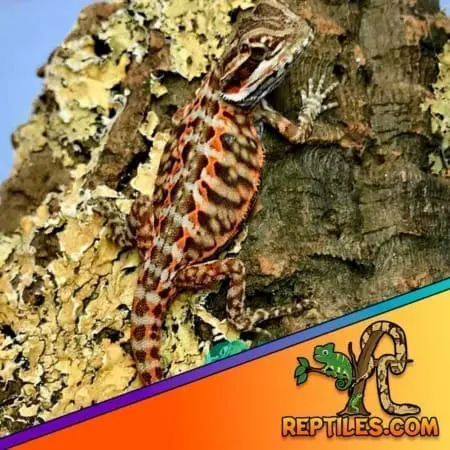
Red bearded dragons represent one of the most popular and visually striking color morphs available today. These magnificent reptiles display deep, rich red coloration that can range from brick red to bright cherry red, making them highly sought after by collectors and enthusiasts.
The red coloration in these dragons is achieved through selective breeding for enhanced red pigmentation. The intensity of the red color often becomes more pronounced as the dragon matures and during basking periods when their colors are most vibrant.
Key Characteristics of Red Bearded Dragons:
- Deep red to bright red coloration
- Color intensity increases with age
- Most vibrant during basking and when excited
- May display darker red patterns or banding
Quality red bearded dragons from reputable breeders can command premium prices due to their stunning appearance and the selective breeding required to achieve consistent red coloration.
Hypo and Hypomelanistic Morphs
Hypomelanistic, or “hypo,” bearded dragons are characterized by reduced melanin production, similar to witblits but with different genetic origins. These dragons display lighter overall coloration with reduced dark pigmentation, creating a cleaner, brighter appearance.
Hypo Characteristics:
- Reduced black and dark brown pigmentation
- Brighter, cleaner colors
- Clear nails (lacking dark pigmentation)
- Enhanced visibility of other color traits
Hypo Trans Combinations: When hypo genetics are combined with translucent traits, the result is stunning dragons with both reduced dark pigmentation and the ethereal translucent quality. These combinations are highly prized and command premium prices.
Citrus and Orange Morphs
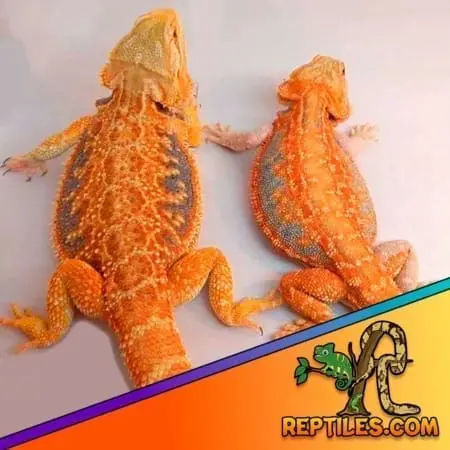
Citrus bearded dragons showcase brilliant yellow-orange coloration that resembles the vibrant hues of citrus fruits. These dragons are particularly popular due to their bright, cheerful appearance and the way their colors seem to glow under proper lighting.
Orange Morphs display intense orange coloration that can range from light peach to deep burnt orange. The intensity of orange coloration often varies with the dragon’s mood, temperature, and time of day.
Breeding Considerations: Both citrus and orange morphs require careful selective breeding to maintain color intensity and consistency. The best examples display vibrant coloration from a young age that intensifies as they mature.
Translucent and Zero Morphs
Translucent bearded dragons possess a genetic trait that affects pigmentation in specific areas, particularly around the spikes, scales, and sometimes the belly. This creates a unique appearance where light can pass through certain areas of the dragon’s body.
Zero bearded dragons represent one of the most extreme morphs, displaying a complete lack of pattern and often very pale coloration. True zeros are completely patternless with solid coloration, creating a clean, minimalist appearance that’s highly valued by collectors.
The combination of these traits with other morphs creates some of the most expensive and sought-after bearded dragons available, with some specimens selling for several thousand dollars.
🦎 Bearded Dragon Morph Pricing Calculator
Why Reptiles.com Leads the Industry
When it comes to purchasing a witblit bearded dragon, choosing the right breeder makes all the difference between getting a healthy, well-socialized animal and potentially facing costly health issues down the road. Reptiles.com has established itself as the premier destination for high-quality, captive-bred bearded dragons in the United States.
What Sets Reptiles.com Apart:
Captive-Bred Excellence: All dragons are bred in-house using carefully selected breeding stock with documented genetics. This ensures healthy animals with predictable traits and temperaments.
Health Guarantees: Every animal comes with comprehensive health guarantees, giving buyers confidence in their purchase and protection against genetic defects or health issues.
Genetic Documentation: Detailed records track lineages, ensuring buyers know exactly what they’re getting and can make informed breeding decisions if desired.
Expert Support: The team provides ongoing support and guidance, helping new owners succeed with their dragons long after purchase.
Shipping Excellence: Professional shipping methods ensure animals arrive safely and stress-free, with live arrival guarantees.
Evaluating Breeder Quality and Standards
When searching for bearded dragons for sale, it’s crucial to evaluate potential breeders carefully. Here are key factors to consider:
Facility Standards:
- Clean, well-maintained breeding facilities
- Proper quarantine protocols
- Appropriate housing for breeding animals
- Professional record-keeping systems
Animal Health:
- Regular veterinary care and health screenings
- Proper nutrition and husbandry practices
- Evidence of healthy breeding stock
- Transparent health guarantees
Breeding Practices:
- Ethical breeding programs focused on health and quality
- Genetic diversity maintenance
- Proper breeding age and frequency
- Documentation of lineages and genetics
Customer Service:
- Responsive communication
- Educational resources and support
- Transparent pricing and policies
- Positive customer reviews and testimonials
Understanding Pricing and Value
The cost of a witblit bearded dragon varies significantly based on several factors:
Age Categories:
- Baby (0-3 months): $400-$600
- Juvenile (3-8 months): $500-$750
- Young Adult (8+ months): $600-$900+
Quality Factors Affecting Price:
- Genetic Quality: Dragons from proven bloodlines command higher prices
- Visual Appeal: The best examples with strongest witblit expression cost more
- Breeder Reputation: Established breeders with track records charge premium prices
- Health Guarantees: Comprehensive guarantees add value but increase cost
Additional Costs to Consider:
- Shipping (typically $50-$75)
- Setup costs for proper habitat
- Ongoing food and care expenses
- Potential veterinary costs
Red Flags to Avoid
When shopping for witblit bearded dragons, be aware of these warning signs:
Questionable Breeding Practices:
- Unusually low prices that seem too good to be true
- Lack of health guarantees or genetic documentation
- Poor communication or evasive answers to questions
- No facility tours or transparency about breeding operations
Health Concerns:
- Animals that appear lethargic or unhealthy in photos
- Missing toes, tails, or other obvious defects
- Poor body condition or signs of malnutrition
- Lack of proper veterinary care documentation
Business Practices:
- Pressure to buy immediately without consideration time
- No return policy or health guarantees
- Poor reviews or complaints from previous customers
- Unprofessional website or communication
The Reptiles.com Advantage
Choosing Reptiles.com for your witblit bearded dragon purchase provides numerous advantages:
Breeding Program Excellence: Their captive-bred program focuses on producing healthy, high-quality animals with excellent genetics and temperaments. Years of selective breeding have resulted in some of the finest witblit specimens available.
Comprehensive Support: From pre-purchase consultation to ongoing care advice, their team provides expert guidance throughout your dragon ownership journey.
Quality Assurance: Every animal undergoes thorough health screening before sale, ensuring you receive a healthy, well-started dragon.
Educational Resources: Access to extensive care guides, feeding recommendations, and husbandry advice helps ensure your success as a dragon owner.
Community Connection: Join a community of fellow dragon enthusiasts and access ongoing support and advice from experienced keepers.
For those interested in exploring other reptile options, Reptiles.com also offers comprehensive care information for species like African fat-tail geckos and detailed guidance for advanced keepers working with species like red-footed tortoises.
Advanced Care and Breeding Considerations
Long-term Health Management
Maintaining the health of your witblit bearded dragon throughout its 10-15 year lifespan requires attention to several key areas. Due to their reduced pigmentation, these dragons may have slightly different health considerations compared to standard morphs.
Regular Health Monitoring:
- Monthly weight checks to ensure proper growth and maintenance
- Weekly visual inspections for signs of illness or injury
- Annual veterinary examinations with reptile-experienced vets
- Monitoring for metabolic bone disease, parasites, and respiratory issues
Special Considerations for Witblit Dragons:
- Light Sensitivity: Monitor for signs of photophobia or light avoidance
- Skin Health: Watch for unusual skin reactions or increased sensitivity
- Eye Health: Their often brightly colored eyes may require extra attention
- Temperature Regulation: Ensure they can properly thermoregulate despite reduced pigmentation
Preventive Care Measures:
- Maintain proper UVB lighting schedules and bulb replacement
- Provide appropriate calcium and vitamin supplementation
- Ensure proper hydration through misting and water availability
- Maintain clean environments to prevent bacterial and fungal infections
Breeding Witblit Bearded Dragons
For experienced keepers interested in breeding witblit bearded dragons, understanding the genetics and requirements is essential for success.
Genetic Requirements:
- Both parents must carry the witblit gene (recessive trait)
- Breeding two witblits together produces 100% witblit offspring
- Breeding witblit to normal produces 100% carriers (heterozygous)
- Breeding two carriers produces 25% witblit, 50% carriers, 25% normal
Breeding Preparation:
- Ensure breeding animals are at least 18-24 months old
- Verify optimal body condition and health status
- Provide proper brumation periods to stimulate breeding behavior
- Prepare appropriate nesting and incubation facilities
Incubation Requirements:
- Temperature: 82-86°F (28-30°C) for optimal results
- Humidity: 80-90% in incubation medium
- Incubation period: 55-75 days depending on temperature
- Proper ventilation to prevent fungal growth
Record Keeping:
- Document all breeding dates and genetic information
- Track egg laying dates and incubation conditions
- Record hatching success rates and offspring characteristics
- Maintain health records for all breeding animals
Maximizing Color Expression
Getting the best visual results from your witblit bearded dragon involves optimizing their environment and care:
Lighting Optimization:
- Use high-quality UVB bulbs appropriate for their sensitivity level
- Provide proper basking temperatures to encourage natural behaviors
- Consider full-spectrum lighting to enhance color visibility
- Maintain appropriate photoperiods for seasonal cycling
Nutritional Support:
- Provide varied, high-quality diet with proper supplementation
- Ensure adequate hydration for healthy skin and scale development
- Consider color-enhancing foods like high-carotenoid vegetables
- Maintain proper calcium/phosphorus ratios for healthy development
Environmental Factors:
- Provide appropriate substrate that complements their coloration
- Use naturalistic decorations that allow for natural behaviors
- Maintain proper temperature gradients for optimal comfort
- Reduce stress through appropriate hiding places and minimal handling
Future Trends in Witblit Breeding
The witblit bearded dragon market continues to evolve as breeders develop new combinations and improve existing lines:
Emerging Combinations:
- Witblit + Leatherback combinations for unique scale textures
- Witblit + Hypo crosses for enhanced translucency
- Color-enhanced witblits with subtle pattern variations
- Size-selected lines for larger or more compact animals
Market Developments:
- Increased availability as more breeders establish programs
- Price stabilization as production increases
- Quality improvements through selective breeding
- Enhanced genetic documentation and health testing
Technology Integration:
- DNA testing for genetic verification
- Advanced incubation monitoring systems
- Improved shipping and handling protocols
- Digital record keeping and lineage tracking
The future of witblit bearded dragon breeding looks bright, with continued improvements in quality, health, and availability making these stunning animals more accessible to dedicated keepers.
Conclusion
The witblit bearded dragon represents one of the most captivating and rewarding reptiles available to enthusiasts in 2026. These ethereal creatures, with their translucent scales and vibrant eyes, offer a unique combination of stunning visual appeal and manageable care requirements that make them suitable for both experienced keepers and dedicated newcomers to the hobby.
Throughout this comprehensive guide, we’ve explored every aspect of witblit ownership, from understanding their unique genetics and physical characteristics to providing optimal care and considering breeding opportunities. The key to success with these remarkable animals lies in choosing quality animals from reputable sources, providing proper husbandry, and maintaining long-term commitment to their care.
When ready to add a witblit bearded dragon to your collection, remember that the source matters tremendously. Reptiles.com stands out as the premier choice for captive-bred specimens, offering unmatched quality, health guarantees, and ongoing support that ensures your success as a dragon owner.
Your Next Steps:
- Research and Prepare: Review all care requirements and ensure you can provide proper long-term care
- Setup Your Habitat: Invest in quality equipment and create an appropriate environment before your dragon arrives
- Choose Your Dragon: Browse available witblit specimens from reputable breeders and select the one that speaks to you
- Connect with Community: Join online forums and local reptile groups to continue learning and sharing experiences
- Enjoy the Journey: Embrace the rewarding experience of caring for one of nature’s most stunning reptilian creations
The world of witblit bearded dragons offers endless fascination and reward for those willing to provide proper care and attention. Whether you’re drawn to their otherworldly appearance, interested in their unique genetics, or simply want to experience the joy of caring for these remarkable animals, the journey ahead promises to be both educational and deeply satisfying.
References
[1] Reptile Database. “Pogona vitticeps Morphology and Genetics.” 2026.
[2] Journal of Herpetological Medicine. “Pigmentation Disorders in Captive Bearded Dragons.” Vol. 34, 2025.
[3] International Gecko Society. “Breeding Translucent and Hypomelanistic Reptiles.” 2025.
[4] Veterinary Clinics of North America: Exotic Animal Practice. “Bearded Dragon Health Management.” 2026.
[5] Herpetological Review. “Captive Breeding Programs for Australian Agamids.” Vol. 57, 2025.
SEO Meta Information