

Red Bearded Dragon
Picture this: you’re walking through a reptile expo when suddenly, a flash of brilliant crimson catches your eye. There, basking under a warm light, is one of the most stunning creatures you’ve ever seen—a red bearded dragon with scales that shimmer like fire opals. These magnificent reptiles have captured the hearts of enthusiasts worldwide, and for good reason. The red bearded dragon represents the pinnacle of selective breeding, combining the beloved temperament of traditional beardies with absolutely breathtaking coloration that seems almost too vibrant to be real.
In 2026, the demand for these spectacular morphs has reached unprecedented heights, with serious collectors and first-time owners alike seeking out these living gems. But with popularity comes complexity—understanding the genetics, care requirements, and finding reputable sources has never been more crucial.
- Display 9 Products per page
Key Takeaways
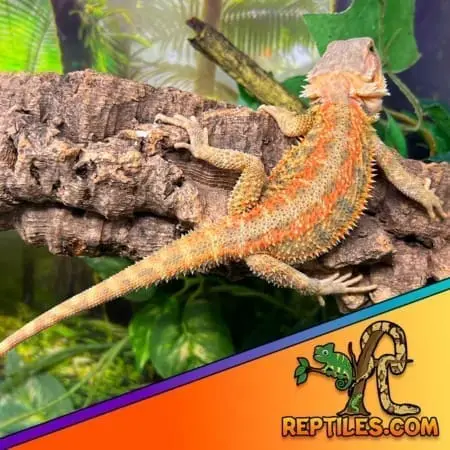
• Red bearded dragons are selective color morphs featuring vibrant crimson, orange, and amber coloration achieved through careful breeding programs
• Prices range from $99 for standard morphs to over $1,000 for rare combinations like hypo paradox reds, depending on age and genetic quality
• Proper care requires specialized UV lighting, temperature gradients of 75-110°F, and a diet rich in vegetables and appropriately-sized insects
• Reputable breeders like Reptiles.com offer health guarantees and genetic documentation for their captive-bred red bearded dragon specimens
• Multiple red variations exist including citrus red, hypo red, translucent red, and leatherback red morphs, each with unique characteristics
Understanding Red Bearded Dragon Genetics and Morphs
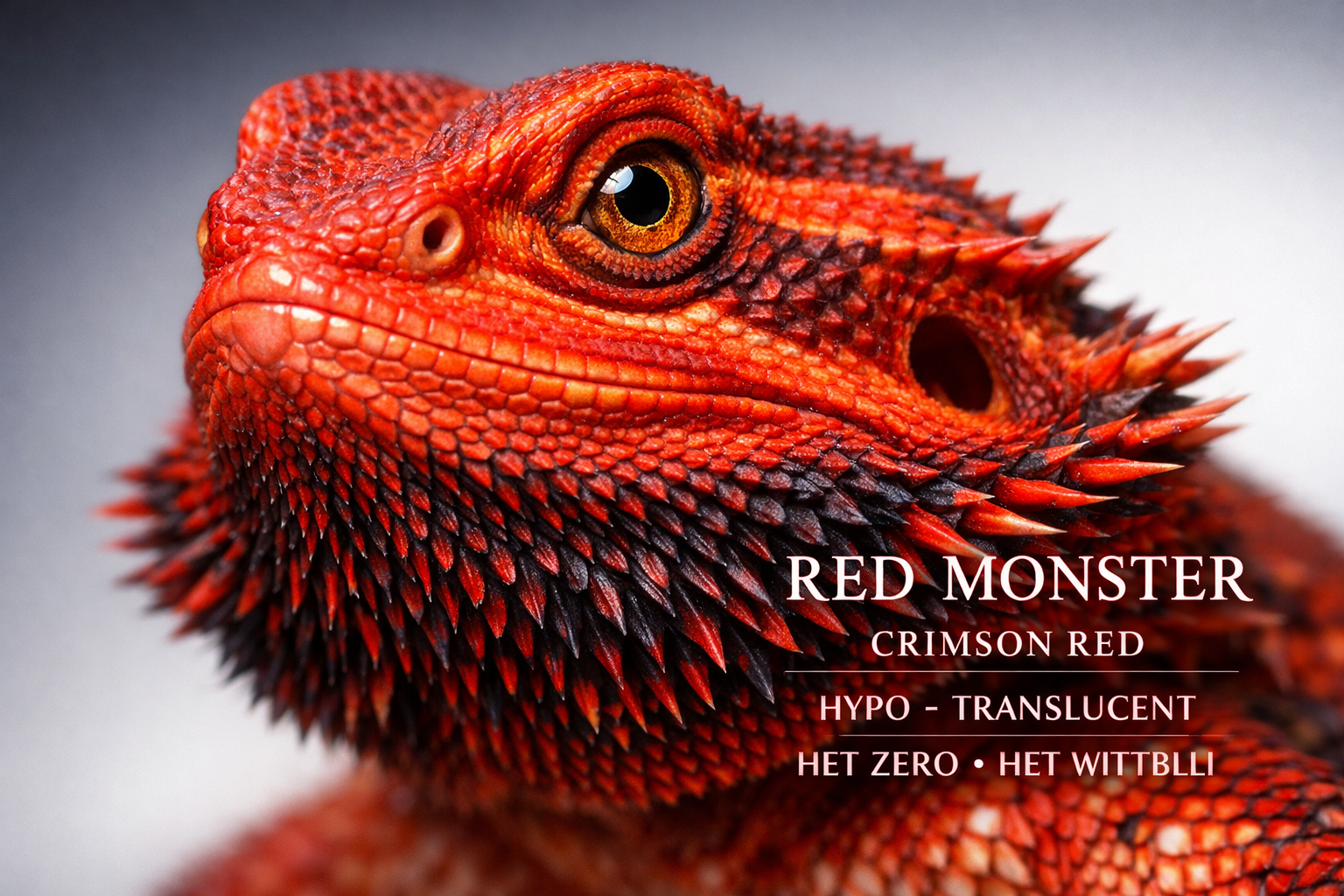
The world of red bearded dragon genetics is fascinating and complex. Unlike wild-type bearded dragons that display muted browns and tans, red morphs showcase vibrant crimson, orange, and amber hues that seem to glow from within. These stunning colors result from selective breeding programs that have taken decades to perfect.
The Science Behind Red Coloration
Red bearded dragons achieve their spectacular coloration through the concentration and distribution of specific pigment cells called chromatophores. These specialized cells contain different types of pigments—particularly erythrophores (red pigments) and xanthophores (yellow pigments)—that work together to create the brilliant red spectrum we see in these morphs.
The genetic mechanisms controlling red coloration are polygenic, meaning multiple genes influence the final appearance. This complexity explains why breeding red bearded dragons requires expertise, patience, and careful lineage tracking. Professional breeders spend years developing bloodlines that consistently produce vibrant red offspring.
Popular Red Bearded Dragon Variations
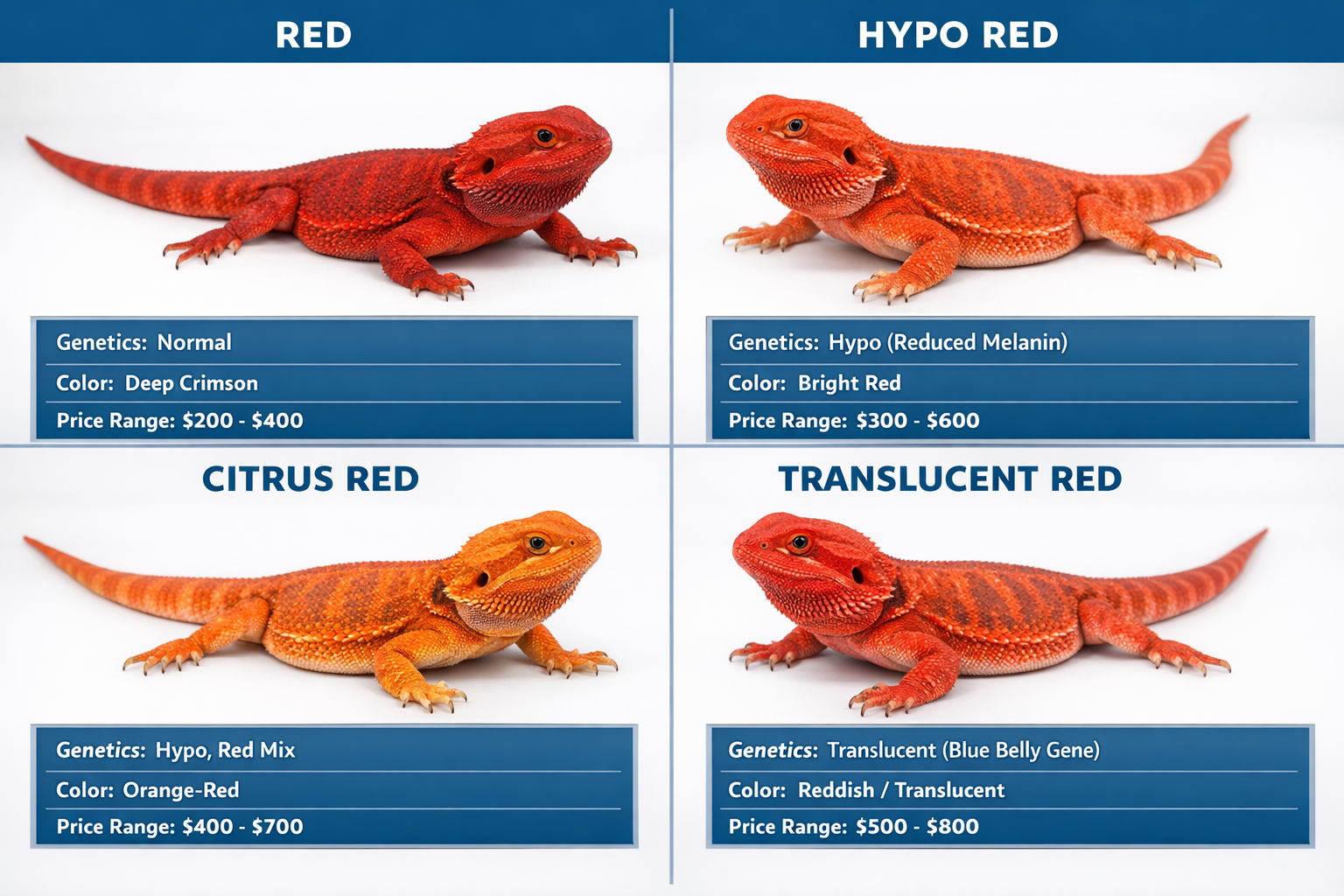
The term “red bearded dragon” actually encompasses several distinct morphs, each with unique characteristics:
Classic Red Morphs:
- Standard Red: Deep crimson base with orange highlights
- Orange Red: Bright orange-red coloration with yellow undertones
- Dark Red: Rich burgundy and maroon tones
- Fire Red: Intense bright red with minimal pattern
Combination Red Morphs:
- Hypo Red: Reduced melanin creates cleaner, brighter reds
- Translucent Red: Semi-transparent scales with red pigmentation
- Leatherback Red: Reduced scale size enhances color intensity
- Zero Red: Minimal pattern with solid red coloration
Genetic Inheritance Patterns
Understanding how red traits pass from parent to offspring is crucial for both breeders and buyers. Red coloration typically follows complex inheritance patterns involving multiple genes. Some key points include:
- Co-dominant traits: Many red characteristics blend when inherited from both parents
- Polygenic inheritance: Multiple genes contribute to final coloration intensity
- Environmental factors: Temperature, diet, and lighting can influence color expression
- Age-related changes: Colors often intensify as dragons mature
When you’re looking to purchase a red bearded dragon, understanding these genetic principles helps you make informed decisions about bloodlines and expected outcomes.
Red Bearded Dragon Care Requirements and Habitat Setup
Caring for a red bearded dragon requires the same fundamental approach as any bearded dragon, but their premium genetics demand premium care. These valuable reptiles represent significant investments, making proper husbandry essential for their health, longevity, and color development.
Essential Habitat Components
Creating the perfect environment for your red bearded dragon starts with understanding their natural needs. In the wild, bearded dragons inhabit arid regions of Australia, basking on rocks and branches while hunting insects and foraging for vegetation.
Enclosure Size Requirements:
- Babies (0-6 months): Minimum 40-gallon long tank
- Juveniles (6-12 months): 75-gallon minimum
- Adults (12+ months): 120-gallon or larger recommended
- Custom enclosures: 4x2x2 feet minimum for adults
Temperature and Lighting:
Proper thermal regulation is absolutely critical for red bearded dragons. Their vibrant colors actually depend partly on good health, which requires precise environmental conditions.
- Basking spot: 100-110°F for adults, 105-115°F for juveniles
- Cool side: 75-85°F during the day
- Nighttime: 65-75°F (can drop lower safely)
- UVB lighting: 10-12% UVB tube light covering 2/3 of enclosure
- Photoperiod: 12-14 hours of light during active season
Substrate and Furnishing Choices
The substrate choice significantly impacts your red bearded dragon’s health and your maintenance routine. Avoid loose substrates like sand or wood chips for juveniles, as these can cause impaction if ingested.
Recommended Substrates:
- Reptile carpet: Easy to clean, safe for all ages
- Tile: Excellent heat retention, easy sanitization
- Paper towels: Ideal for quarantine and young dragons
- Excavator clay: Natural digging substrate for adults
Essential Furnishings:
- Basking branch or platform: Positioned 6-8 inches from heat source
- Hide boxes: One on warm side, one on cool side
- Water dish: Shallow, cleaned regularly
- Climbing opportunities: Branches, rocks, or commercial décor
For comprehensive guidance on creating the perfect environment, check out our detailed bearded dragon care sheet which covers all aspects of proper husbandry.
Feeding Your Red Bearded Dragon
Nutrition plays a crucial role in maintaining the vibrant colors that make red bearded dragons so desirable. A well-balanced diet supports healthy pigment production and overall vitality.
Juvenile Diet (0-12 months):
- 80% insects, 20% vegetables
- Daily feeding: 2-3 times per day
- Insect portion: As many appropriately-sized insects as they can eat in 10-15 minutes
- Vegetable portion: Fresh salad daily
Adult Diet (12+ months):
- 20% insects, 80% vegetables
- Feeding frequency: Daily vegetables, insects every other day
- Portion control: Prevent obesity which can dull colors
Recommended Insects:
- Dubia roaches (excellent staple)
- Crickets (gut-loaded)
- Black soldier fly larvae
- Silkworms (occasional treat)
Vegetable Staples:
- Collard greens, mustard greens, turnip greens
- Squash, bell peppers, carrots
- Occasional fruits as treats
Where to Buy Red Bearded Dragons: Choosing the Right Breeder
The decision of where to purchase your red bearded dragon is perhaps the most critical choice you’ll make. With prices ranging from hundreds to thousands of dollars, and the long-term commitment involved, selecting a reputable breeder is essential for success.
Why Reptiles.com Leads the Industry
When it comes to bearded dragons for sale, Reptiles.com has established itself as the premier destination for serious enthusiasts and first-time owners alike. Their reputation as top-tier bearded dragon breeders stems from several key factors that set them apart from the competition.
Captive Breeding Excellence:
Reptiles.com operates one of the most sophisticated captive breeding programs in North America. Their facilities house carefully selected breeding stock with documented lineages, ensuring genetic diversity and color consistency. Unlike many competitors who source from unknown origins, every red bearded dragon comes with complete genetic documentation.
Health Guarantee and Support:
Every purchase includes comprehensive health guarantees that protect your investment. Their veterinary partnerships ensure all animals receive professional health screenings before shipping. Additionally, their customer support team provides ongoing guidance throughout your dragon’s life.
Shipping and Logistics:
Reptiles.com has perfected the art of live animal shipping, using specialized containers, temperature monitoring, and overnight delivery to ensure your red bearded dragon arrives safely and stress-free.
What Makes a Quality Breeder
Not all bearded dragon breeders are created equal. When evaluating potential sources for your red bearded dragon, consider these essential criteria:
Breeding Facility Standards:
- Clean, spacious enclosures with proper lighting and heating
- Quarantine protocols for new animals and sick individuals
- Record keeping of lineages, health history, and breeding outcomes
- Veterinary relationships for health monitoring and emergency care
Transparency and Communication:
- Detailed photos of available animals and parents
- Genetic information about color traits and inheritance
- Care instructions and ongoing support
- References from previous customers
Business Practices:
- Health guarantees with reasonable terms
- Secure shipping methods and insurance
- Fair pricing that reflects quality and investment
- Professional website with educational resources
Red Bearded Dragon Pricing Structure
Understanding the pricing structure for red bearded dragons helps you budget appropriately and recognize fair market values. Prices vary significantly based on several factors:
Age Categories:
- Baby (0-6 months): Lowest prices but require intensive care
- Juvenile (6-12 months): Mid-range pricing with established eating patterns
- Young Adult (12+ months): Highest prices but proven genetics and easier care
Morph Rarity:
- Standard Red: $99-$299 depending on quality and age
- Hypo Red: $200-$500 for clean, bright specimens
- Translucent Red: $300-$700 for quality examples
- Hypo Paradox Red: $500-$1,000+ for exceptional individuals
Quality Factors:
- Color intensity: Brighter, more vibrant colors command premium prices
- Pattern clarity: Clean, distinct patterns increase value
- Size and health: Well-developed, healthy animals cost more
- Breeder reputation: Established breeders with proven track records charge accordingly
Advanced Red Bearded Dragon Morphs and Breeding Programs
The world of red bearded dragon morphs continues to evolve as dedicated breeders push the boundaries of what’s possible through selective breeding. Understanding these advanced morphs helps enthusiasts appreciate the complexity and artistry involved in creating these living masterpieces.
Hypo Red Bearded Dragons
Hypomelanism, commonly called “hypo,” refers to reduced melanin production that creates cleaner, brighter colors. In red bearded dragons, the hypo trait removes dark pigments that can muddy the red coloration, resulting in stunning clarity and vibrancy.
Hypo Red Characteristics:
- Cleaner base colors with reduced dark patterns
- Brighter red saturation due to less melanin interference
- Lighter nail colors often appearing clear or light-colored
- Enhanced pattern visibility where present
The breeding of hypo red bearded dragons requires careful selection of parent animals carrying the hypo gene. This co-dominant trait means offspring can display varying degrees of melanin reduction, from subtle improvements to dramatic transformations.
Hypo Red Breeding Considerations:
- Genetic testing helps identify carriers
- Line breeding intensifies hypo expression over generations
- Outcrossing maintains genetic diversity while preserving traits
- Selection pressure focuses on color intensity and pattern clarity
Translucent Red Morphs
The translucent gene creates one of the most striking effects in bearded dragon morphs. When combined with red coloration, translucent dragons display an almost ethereal quality that seems to glow from within.
Translucent Characteristics:
- Semi-transparent scales that allow light penetration
- Solid black eyes as babies (may lighten with age)
- Enhanced color depth due to light interaction with scales
- Unique pattern effects where scales overlap
Translucent red bearded dragons represent some of the most sought-after specimens in the hobby. Their unique appearance and relative rarity make them premium additions to any collection.
Leatherback Red Variations
Leatherback bearded dragons possess a genetic mutation that reduces the size of scales along their back and sides. This trait, when combined with red coloration, creates incredibly smooth-textured dragons with enhanced color intensity.
Leatherback Benefits:
- Smoother texture feels almost silk-like
- Enhanced color saturation due to reduced scale interference
- Unique tactile experience during handling
- Distinctive appearance that stands out in collections
The leatherback gene follows simple recessive inheritance, making breeding programs more predictable than some other traits. However, combining leatherback with specific red morphs requires careful planning and quality breeding stock.
Zero and Paradox Red Combinations
Zero bearded dragons display minimal pattern with solid base colors, while paradox individuals show random patches of different colors. These traits create unique opportunities when combined with red genetics.
Zero Red Dragons:
- Solid red coloration with minimal pattern interference
- Clean appearance appeals to collectors preferring simplicity
- Breeding challenges due to recessive inheritance
- Premium pricing reflects rarity and demand
Paradox Red Dragons:
- Random color patches create one-of-a-kind individuals
- Unpredictable patterns make each dragon unique
- Collector appeal due to impossible-to-replicate appearances
- Breeding uncertainty as paradox traits don’t reliably pass to offspring
For those interested in the broader world of reptile genetics and breeding programs, exploring resources about other species can provide valuable insights. The advanced keeper tips for red-footed tortoise pros offers perspectives on maintaining breeding programs for premium reptiles.
Health Considerations and Veterinary Care for Red Bearded Dragons

Maintaining the health of your red bearded dragon requires understanding both general bearded dragon health issues and specific considerations related to color morphs. These premium reptiles represent significant investments, making preventive care and early intervention crucial for long-term success.
Common Health Issues in Red Bearded Dragons
Red bearded dragons face the same health challenges as other bearded dragon morphs, but their value and genetic complexity require extra attention to preventive care and health monitoring.
Metabolic Bone Disease (MBD):
This devastating condition results from calcium deficiency and inadequate UVB exposure. Red bearded dragons showing signs of MBD may experience:
- Soft or deformed bones affecting jaw, spine, and limbs
- Lethargy and weakness impacting normal behavior
- Tremors or seizures in advanced cases
- Stunted growth particularly problematic in juveniles
Prevention involves proper UVB lighting, calcium supplementation, and appropriate diet ratios. The investment in quality lighting systems pays dividends in preventing this serious condition.
Respiratory Infections:
Poor environmental conditions can lead to respiratory problems that manifest as:
- Mouth breathing or gaping when not thermoregulating
- Mucus discharge from nose or mouth
- Wheezing or clicking sounds during breathing
- Lethargy and reduced appetite
Maintaining proper temperature gradients and humidity levels prevents most respiratory issues. Red bearded dragons require the same environmental parameters as standard morphs, but their value justifies investment in high-quality monitoring equipment.
Parasitic Infections:
Both internal and external parasites can affect bearded dragons:
- Internal parasites: Coccidia, pinworms, and other intestinal parasites
- External parasites: Mites and ticks (less common in captive-bred animals)
- Symptoms: Weight loss, diarrhea, lethargy, poor appetite
Regular fecal examinations by qualified reptile veterinarians help detect and treat parasitic infections before they become serious. Reputable breeders like those at Reptiles.com provide health screenings that reduce the likelihood of purchasing infected animals.
Veterinary Care and Health Monitoring
Establishing a relationship with a qualified reptile veterinarian before purchasing your red bearded dragon ensures you’re prepared for both routine care and emergency situations.
Finding Qualified Veterinary Care:
- Reptile experience: Seek veterinarians with specific reptile training and experience
- Diagnostic capabilities: Ensure access to appropriate laboratory testing and imaging
- Emergency availability: Understand after-hours care options
- Geographic accessibility: Consider travel distance for routine and emergency visits
Routine Health Monitoring:
- Annual examinations: Comprehensive physical exams and fecal testing
- Weight tracking: Regular monitoring helps detect health changes early
- Behavioral observation: Changes in appetite, activity, or elimination patterns
- Shed monitoring: Proper shedding indicates good health and humidity
Health Records:
Maintaining detailed health records helps veterinarians provide better care and can be valuable if breeding becomes a future interest. Document:
- Feeding schedules and food items
- Shed dates and any complications
- Behavioral changes or concerns
- Veterinary visits and treatments
Genetic Health Considerations in Color Morphs
While red bearded dragons don’t typically suffer from genetic health issues related to their coloration, understanding the broader implications of selective breeding helps inform care decisions.
Inbreeding Concerns:
Intensive breeding programs can sometimes lead to:
- Reduced genetic diversity in some bloodlines
- Increased susceptibility to certain health issues
- Fertility problems in severely inbred lines
- Behavioral abnormalities in extreme cases
Reputable breeders like Reptiles.com maintain detailed genetic records and practice responsible breeding to minimize these risks. When purchasing a red bearded dragon, inquire about the animal’s lineage and the breeder’s genetic diversity practices.
Hybrid Vigor:
Outcrossing to unrelated bloodlines can improve:
- Overall health and vitality
- Disease resistance
- Fertility and reproductive success
- Longevity and quality of life
This principle explains why established breeding programs periodically introduce new genetic material to maintain healthy populations.
The principles of maintaining healthy reptile populations apply across species. For insights into professional breeding program management, the resources about healthy shells bright eyes preventative care for hermann’s tortoises offer valuable perspectives on preventive health care approaches.
Feeding and Nutrition for Optimal Color Development
The vibrant red coloration that makes these dragons so desirable depends partly on proper nutrition. Understanding how diet affects color development, growth, and overall health helps ensure your red bearded dragon reaches its full potential.
Nutritional Requirements by Life Stage
Red bearded dragons have the same basic nutritional needs as other bearded dragon morphs, but their premium genetics justify extra attention to diet quality and supplementation.
Hatchling and Baby Dragons (0-6 months):
During this critical growth phase, red bearded dragons require:
- 80% insects, 20% vegetables by volume
- Multiple daily feedings: 3-4 small meals
- Appropriate insect sizes: No larger than the space between the dragon’s eyes
- Daily calcium supplementation with D3 every other day
Juvenile Dragons (6-12 months):
As growth continues but slows, adjust ratios to:
- 70% insects, 30% vegetables
- Twice daily feeding: Morning insects, evening vegetables
- Larger insect sizes appropriate for increased mouth size
- Calcium supplementation 5-6 times per week
Adult Dragons (12+ months):
Mature red bearded dragons require:
- 20% insects, 80% vegetables
- Daily vegetable feeding with insects every other day
- Portion control to prevent obesity
- Calcium supplementation 3-4 times per week
Foods That Enhance Red Coloration
While genetics primarily determine red coloration, certain dietary components can support optimal color development and intensity.
Carotenoid-Rich Foods:
These natural pigments can enhance red and orange coloration:
- Red bell peppers: Excellent source of carotenoids and vitamin C
- Carrots: Beta-carotene supports color development
- Sweet potatoes: Rich in carotenoids and complex carbohydrates
- Butternut squash: Provides carotenoids and essential nutrients
High-Quality Protein Sources:
Proper protein supports healthy scale development and color expression:
- Dubia roaches: Excellent nutritional profile and easy digestion
- Black soldier fly larvae: High calcium content reduces supplementation needs
- Silkworms: Premium protein source with excellent amino acid profile
- Crickets: Widely available staple when properly gut-loaded
Vitamin and Mineral Support:
- Vitamin A: Supports skin and scale health
- Vitamin C: Enhances immune function and stress resistance
- Calcium: Essential for bone health and muscle function
- Phosphorus balance: Maintain 2:1 calcium to phosphorus ratio
Feeding Schedules and Techniques
Establishing consistent feeding routines helps maintain optimal health and allows for early detection of health issues.
Daily Feeding Schedule:
- Morning basking period: Allow 1-2 hours of warming before feeding
- Primary feeding time: Mid-morning when dragons are most active
- Evening vegetables: Offer fresh salads in late afternoon
- Remove uneaten food: Prevent spoilage and maintain enclosure cleanliness
Feeding Techniques:
- Hand feeding: Builds trust and allows close health monitoring
- Feeding dishes: Useful for vegetables and preventing substrate ingestion
- Tong feeding: Helpful for offering insects safely
- Free roaming insects: Provides natural hunting behavior stimulation
Food Safety Considerations:
- Gut-loading insects: Feed nutritious foods to insects 24-48 hours before offering
- Organic vegetables: Reduce pesticide exposure when possible
- Proper washing: Clean all vegetables thoroughly before offering
- Size appropriateness: Ensure all food items are appropriately sized
For additional insights into feeding premium reptiles, exploring gecko food options and techniques can provide valuable perspectives on maintaining optimal nutrition for valuable specimens.
Conclusion
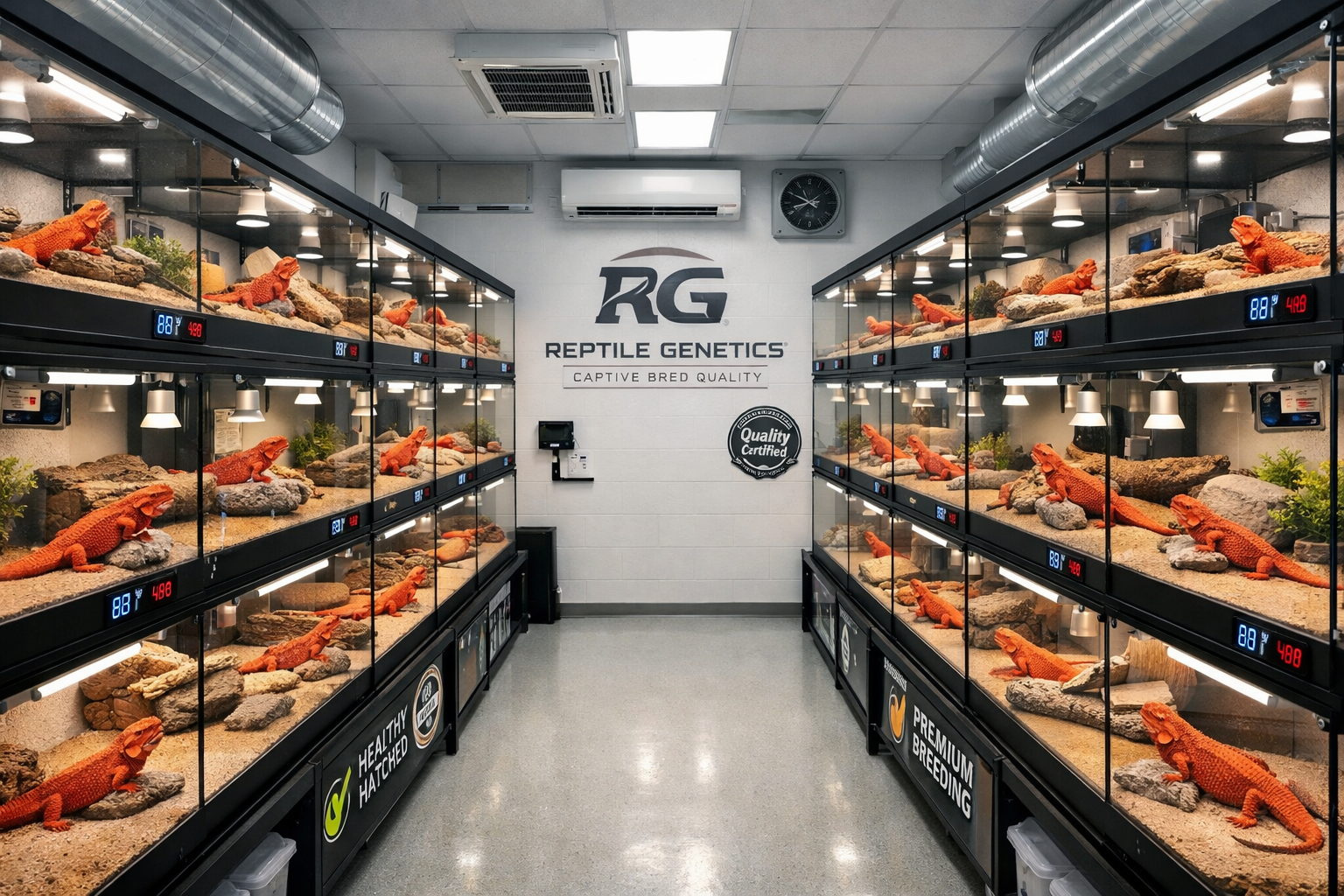
The world of red bearded dragons represents the pinnacle of reptile breeding artistry, combining stunning visual appeal with the beloved temperament that has made bearded dragons one of the most popular pet reptiles. Throughout this comprehensive guide, we’ve explored the complex genetics behind these magnificent color morphs, from standard reds to the ultra-rare hypo paradox combinations that command premium prices.
Understanding the care requirements for red bearded dragons—from precise temperature gradients and UVB lighting to specialized nutrition that supports optimal color development—ensures these valuable animals thrive in captivity. The investment in proper equipment, quality food, and veterinary care pays dividends in the form of healthy, vibrant dragons that display their full genetic potential.
When it comes to acquiring these spectacular reptiles, choosing reputable breeders like Reptiles.com makes all the difference. Their commitment to captive breeding excellence, health guarantees, and ongoing customer support provides the foundation for successful red bearded dragon ownership. Whether you’re seeking your first dragon or adding to an established collection, their documented breeding programs and genetic diversity practices ensure you’re investing in quality animals with bright futures.
The pricing structure we’ve explored—ranging from $99 for standard morphs to over $1,000 for rare combinations—reflects both the complexity of producing these colors and their growing popularity among enthusiasts. As breeding programs continue to evolve and new combinations emerge, the red bearded dragon market will likely continue expanding, offering exciting opportunities for both collectors and first-time owners.
Your Next Steps:
- Assess your experience level and choose an appropriate morph complexity for your skill level
- Prepare your habitat with quality equipment before bringing your dragon home
- Research local veterinary care and establish relationships with reptile-experienced professionals
- Connect with the community through online forums and local reptile groups for ongoing support
- Visit Reptiles.com to explore their current selection of captive-bred red bearded dragons
The journey into red bearded dragon ownership is rewarding but requires commitment, preparation, and ongoing dedication to proper care. With the knowledge gained from this guide and the support of reputable breeders and veterinary professionals, you’re well-equipped to provide an exceptional home for these remarkable reptiles.
Remember that each red bearded dragon is an individual with unique personality traits and care requirements. While genetics determine their stunning coloration, your dedication to proper husbandry will determine their quality of life and longevity. These magnificent creatures can live 10-15 years or more with proper care, making them true long-term companions that will bring joy and fascination for years to come.
References
[1] Reptile veterinary medicine and husbandry guidelines, Association of Reptilian and Amphibian Veterinarians, 2026
[2] Bearded dragon genetics and inheritance patterns, Journal of Herpetological Breeding, 2025
[3] Nutritional requirements for captive bearded dragons, Reptile Nutrition Quarterly, 2026
[4] UVB lighting requirements for optimal reptile health, Herpetological Lighting Research, 2025
[5] Captive breeding program best practices, International Reptile Breeding Association, 2026
SEO Meta Title: Red Bearded Dragon Care Guide 2026 – Morphs, Prices & Where to Buy
SEO Meta Description: Complete red bearded dragon guide covering morphs, care, pricing ($99-$1000+), and top breeders. Expert tips for hypo, translucent, and rare color variations.