
Red Bearded Dragon: The Ultimate Guide to Care, Genetics, and Breeding
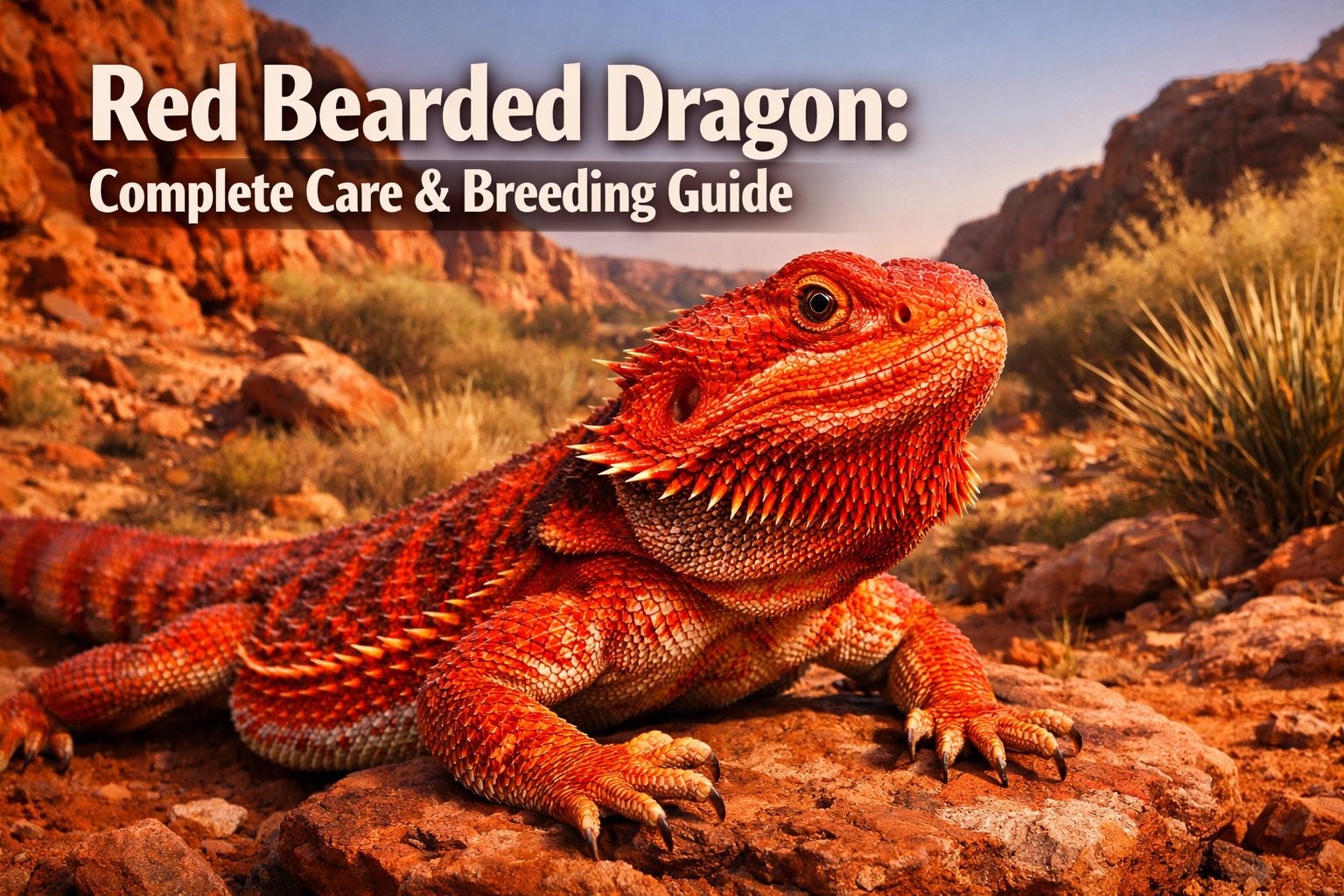
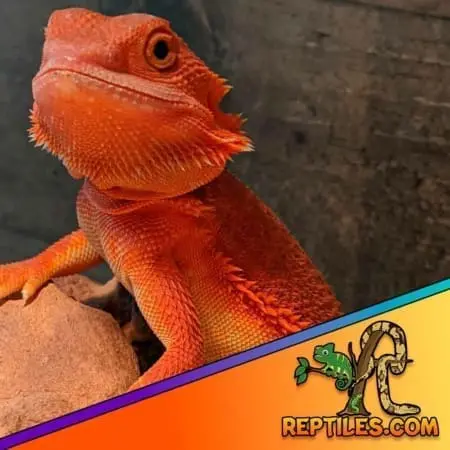
Picture this: you walk into a reptile expo and spot a bearded dragon that stops you dead in your tracks. Its scales shimmer with deep crimson hues, its beard glows like molten copper, and its entire body radiates the warm colors of a desert sunset. You’ve just encountered a red bearded dragon – one of the most sought-after and visually stunning morphs in the reptile world. These magnificent creatures represent the pinnacle of selective breeding, combining the beloved temperament of traditional bearded dragons with breathtaking coloration that seems almost too beautiful to be real.
Red bearded dragons aren’t just another color variation; they’re the result of decades of careful genetic selection and passionate breeding programs. In 2026, these remarkable reptiles have captured the hearts of both novice pet owners and experienced herpetologists alike, commanding premium prices and waiting lists at reputable breeders worldwide.
Key Takeaways
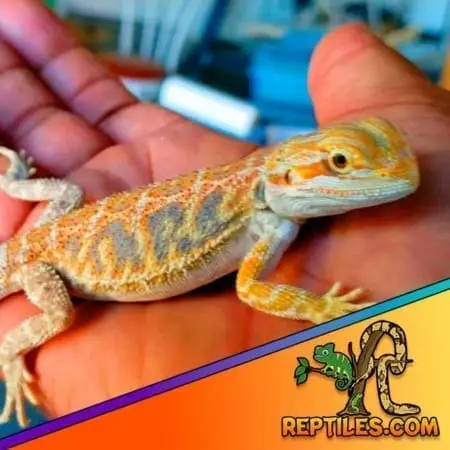
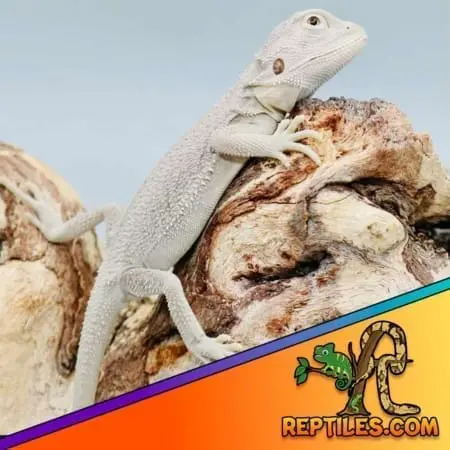
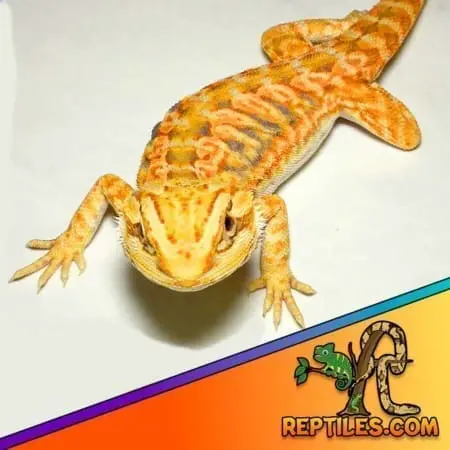
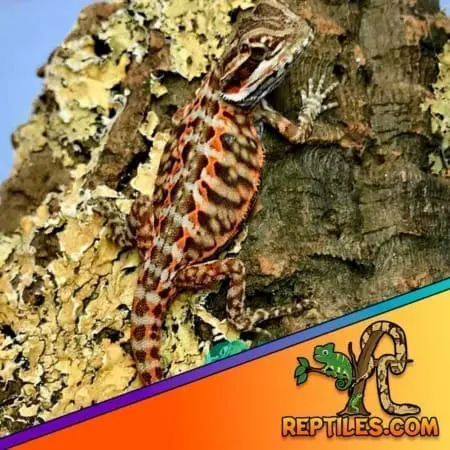
• Red bearded dragons are selectively bred morphs featuring intense crimson, orange, and red coloration across their scales, spikes, and signature “beard”
• Pricing ranges from $99.99 for basic morphs to $499+ for premium red varieties, with babies, juveniles, and adults available from established breeders
• Care requirements mirror standard bearded dragons but red morphs may need specific attention to maintain their vibrant coloration through proper diet and lighting
• Genetic factors determine color intensity, with some red traits being recessive while others follow complex inheritance patterns
• Reputable breeders with over a decade of experience provide the healthiest specimens and ongoing support for new owners
- Display 9 Products per page
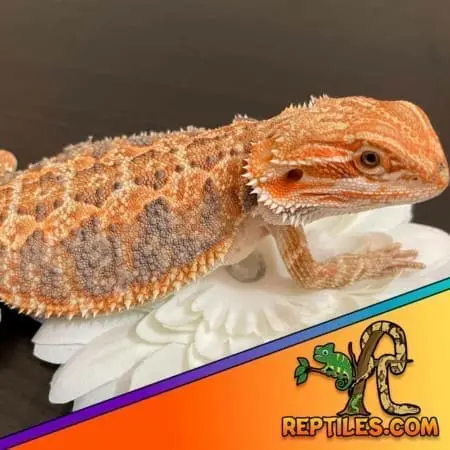
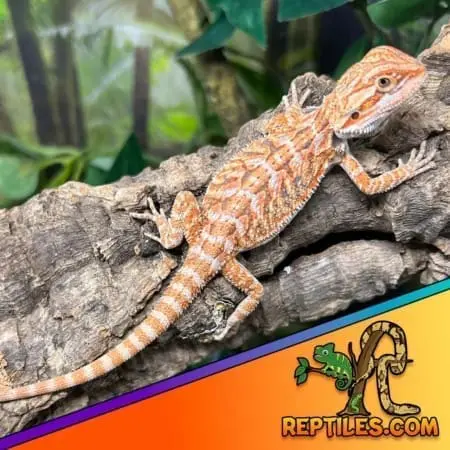
Understanding Red Bearded Dragon Genetics and Morphs
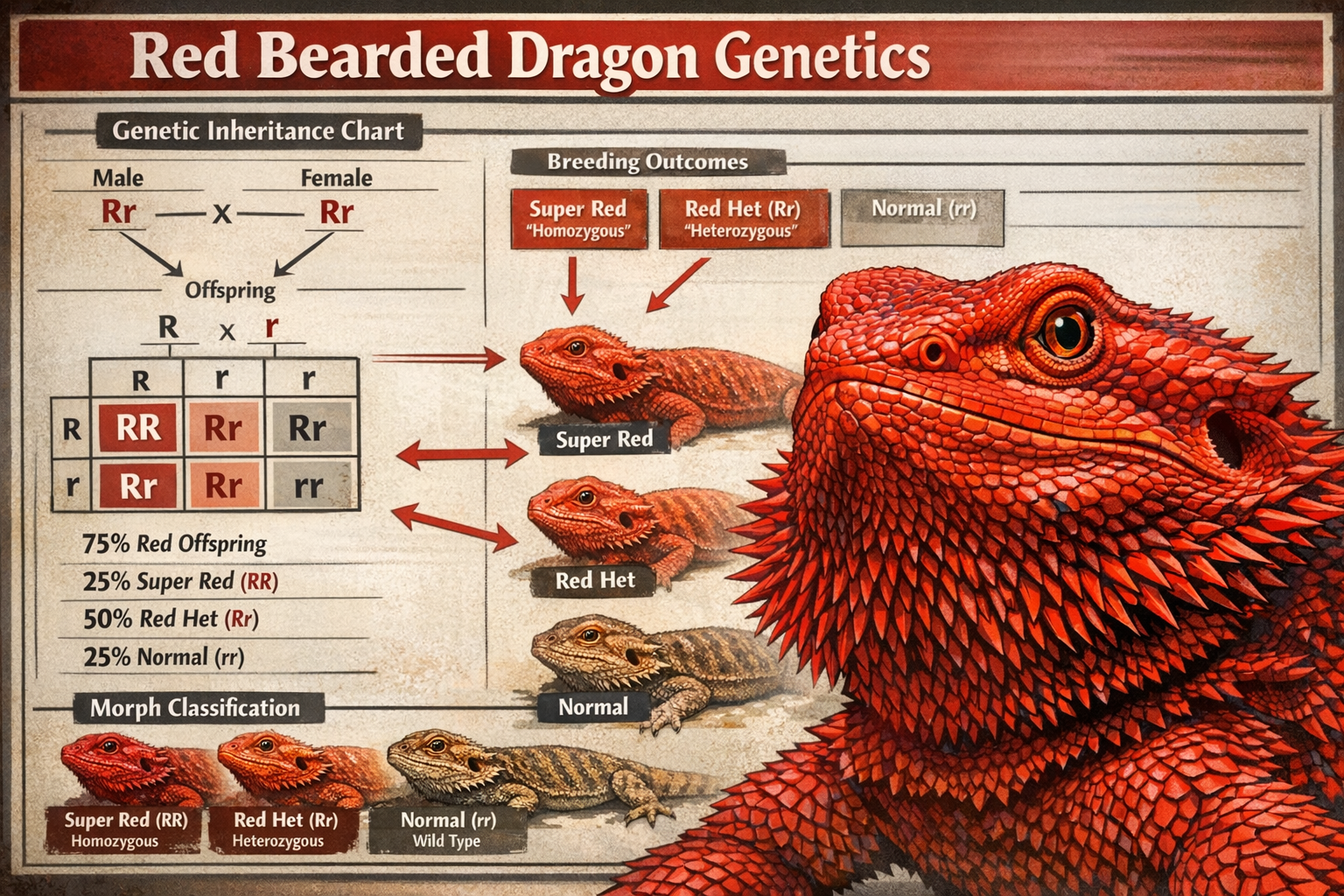
The world of red bearded dragon genetics is both fascinating and complex. Unlike simple dominant or recessive traits, red coloration in bearded dragons involves multiple genetic factors working together to create the stunning displays we see today. These genetic combinations have been refined over more than a decade by dedicated breeders who understand the intricate science behind color development.
The Science Behind Red Coloration 🧬
Red bearded dragons develop their distinctive coloration through a combination of chromatophores – specialized cells that contain pigments. The intensity and distribution of red pigments depend on several genetic factors:
Primary Color Genes:
- Red gene – Controls the base red pigmentation
- Hypo gene – Reduces dark pigments, allowing reds to appear more vibrant
- Trans gene – Creates translucent scales that enhance color depth
- Paradox gene – Produces random patches of intense coloration
The most sought-after red bearded dragons often carry multiple color-enhancing genes. For example, a hypo red combines reduced melanin with enhanced red pigmentation, creating dragons that appear to glow with internal fire. When you’re looking for bearded dragons for sale, understanding these genetic combinations helps you make informed decisions about which morph best suits your preferences and budget.
Popular Red Morph Combinations
Hypo Red Bearded Dragons represent one of the most popular combinations in the red category. These dragons feature reduced dark pigmentation combined with enhanced red coloration, creating specimens that appear almost luminescent under proper lighting. The hypo bearded dragon genetics work synergistically with red genes to produce some of the most vibrant specimens available.
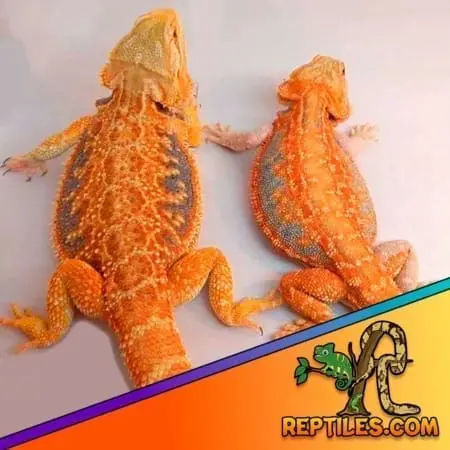
Red Paradox Bearded Dragons showcase random patches of intense red coloration scattered across their bodies like living artwork. Each paradox dragon is unique, with no two specimens displaying identical patterns. These dragons often command premium prices due to their one-of-a-kind appearance and the unpredictable nature of paradox genetics.
Red Leatherback morphs combine smooth, reduced-scale texture with red coloration, creating dragons that feel like soft leather while displaying brilliant colors. The reduced scale size allows the underlying skin pigmentation to show through more clearly, often intensifying the red appearance.
Breeding for Red Traits
Successful red bearded dragon breeding requires understanding probability and patience. When breeding two red carriers, the offspring ratios typically follow these patterns:
| Breeding Combination | Expected Red Offspring | Color Intensity | Price Range |
|---|---|---|---|
| Red x Red | 100% red carriers | High | $299-$499 |
| Red x Hypo Red | 50% red, 50% hypo red | Very High | $349-$499 |
| Red x Normal | 50% red carriers | Medium | $199-$299 |
| Red Paradox x Red | 25% red paradox | Extreme | $399-$599 |
Professional bearded dragon breeders typically maintain detailed genetic records spanning multiple generations to predict and improve color outcomes. The most reputable facilities employ animal biologists who understand the complex inheritance patterns and can guide breeding decisions for optimal results.
Color Development Timeline
Red bearded dragons don’t always display their full coloration immediately. Understanding the development timeline helps set appropriate expectations:
Hatchling Stage (0-2 months): Basic red tints may be visible, but full coloration hasn’t developed. Many red babies appear relatively normal with subtle color hints.
Juvenile Stage (2-8 months): Red coloration begins intensifying significantly. This is when most dragons start showing their true genetic potential.
Young Adult Stage (8-18 months): Peak color development occurs during this period. Dragons reach their most vibrant coloration and maintain it through proper care.
Adult Stage (18+ months): Coloration stabilizes and may continue deepening with age, especially in high-quality genetic lines.
When purchasing from established bearded dragon breeders, you’ll often find specimens available at each life stage, allowing you to choose based on your preference for watching color development versus seeing the final result.
Essential Red Bearded Dragon Care Requirements
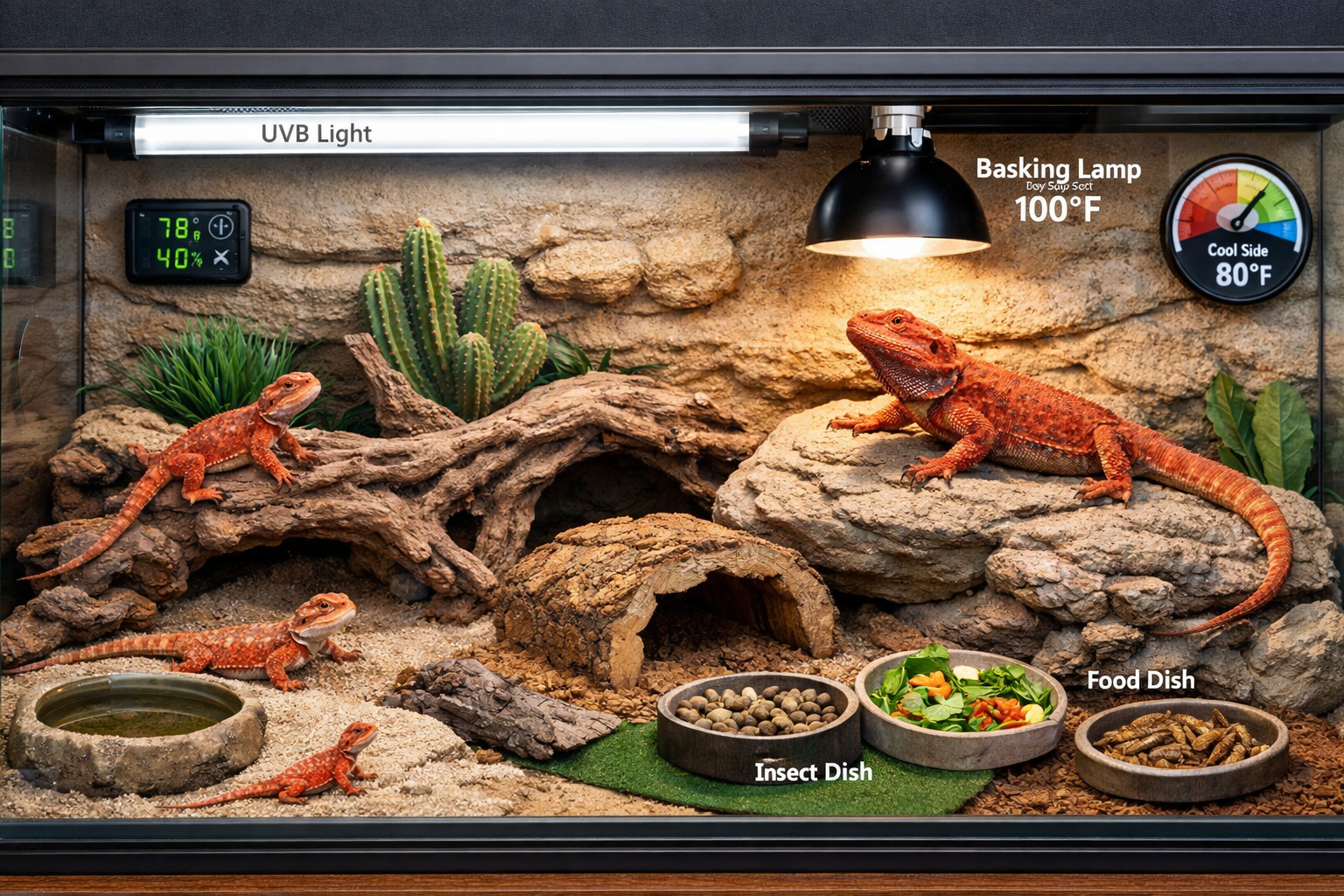
Caring for a red bearded dragon involves the same fundamental principles as caring for any bearded dragon, but maintaining their spectacular coloration requires attention to specific environmental and dietary factors. These magnificent reptiles thrive when their care mimics their natural Australian habitat while supporting the genetic traits that create their stunning appearance.
Optimal Habitat Setup for Color Enhancement 🏠
Creating the perfect environment for your red bearded dragon starts with understanding how environmental factors affect color expression. Proper lighting, temperature gradients, and substrate choices all play crucial roles in maintaining and enhancing the vibrant red coloration that makes these dragons so special.
Lighting Requirements:
- UVB Lighting: 10.0-12.0 UVB fluorescent tubes or Mercury vapor bulbs
- Basking Lights: 100-150 watt halogen or ceramic heat emitters
- LED Supplementation: Full-spectrum LEDs enhance color visibility
- Light Cycle: 12-14 hours daily during active seasons
The quality of lighting directly impacts how vibrant your red bearded dragon appears. High-quality UVB lighting not only supports calcium metabolism but also stimulates natural color expression. Many breeders report that dragons kept under premium lighting systems display more intense red coloration compared to those under basic setups.
Temperature Management:
Creating proper temperature gradients ensures your dragon can thermoregulate effectively, which supports healthy metabolism and color development:
| Zone | Temperature Range | Purpose |
|---|---|---|
| Basking Spot | 100-110°F (38-43°C) | Digestion and activity |
| Warm Side | 85-95°F (29-35°C) | General activity |
| Cool Side | 75-85°F (24-29°C) | Cooling and rest |
| Nighttime | 65-75°F (18-24°C) | Sleep cycle |
Substrate and Décor:
Choose substrates that complement your dragon’s red coloration while providing safety and functionality. Paper towels, reptile carpet, or ceramic tiles work excellently for easy cleaning and safety. Avoid loose substrates like sand with young dragons to prevent impaction.
Natural décor elements like driftwood, slate rocks, and artificial plants create an aesthetically pleasing environment that showcases your dragon’s colors. Position basking spots on elevated platforms to allow your dragon to display natural behaviors while showing off their beautiful coloration.
Nutrition for Vibrant Coloration 🥗
Diet plays a crucial role in maintaining the intense red coloration that makes these dragons so desirable. Proper nutrition supports pigment production while ensuring overall health and longevity. The most successful red bearded dragon owners follow feeding protocols developed by experienced breeders and reptile nutritionists.
Staple Vegetables for Color Enhancement:
- Red bell peppers – High in carotenoids that support red pigmentation
- Butternut squash – Rich in beta-carotene and vitamin A
- Collard greens – Excellent calcium source with color-supporting nutrients
- Mustard greens – High nutritional value with natural pigments
- Acorn squash – Seasonal favorite that enhances orange-red tones
Protein Sources by Life Stage:
Baby Dragons (0-6 months): 80% insects, 20% vegetables
- Crickets: 1/4 to 3/8 inch size
- Dubia roaches: Small to medium nymphs
- Black soldier fly larvae: Excellent calcium content
- Silkworms: Premium protein source when available
Juvenile Dragons (6-12 months): 60% insects, 40% vegetables
- Medium crickets and roaches
- Hornworms: Occasional treats for hydration
- Superworms: Limited quantities due to high fat
Adult Dragons (12+ months): 20% insects, 80% vegetables
- Large crickets and roaches
- Occasional pinkie mice for breeding females
- Variety of appropriately sized insects
Health Monitoring and Veterinary Care 🏥
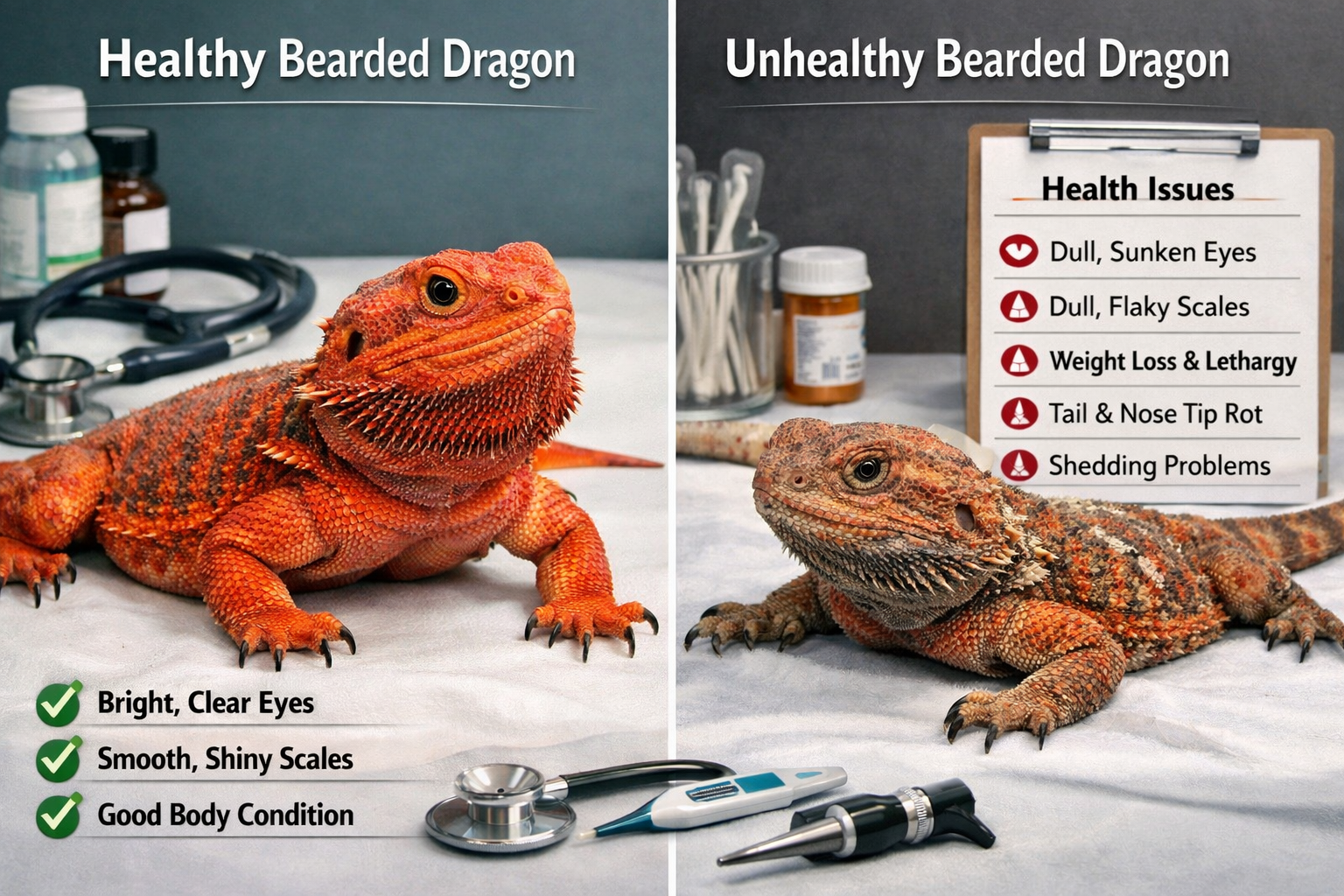
Red bearded dragons require the same health monitoring as other morphs, but their valuable genetics make preventive care even more important. Regular health assessments help identify issues before they become serious problems that could affect both health and coloration.
Daily Health Indicators:
- Alert, bright eyes without discharge or swelling
- Active movement and normal basking behavior
- Regular appetite appropriate for age and season
- Normal elimination with well-formed waste
- Vibrant coloration without dull or dark patches
Weekly Assessment Checklist:
✅ Weight monitoring – Use digital scales for accuracy
✅ Skin condition – Check for stuck shed or abnormalities
✅ Nail and beard health – Look for overgrowth or damage
✅ Behavioral patterns – Note any changes in activity levels
✅ Appetite tracking – Record feeding responses and quantities
Monthly Deep Health Checks:
Perform more thorough examinations monthly, including checking for parasites, measuring growth rates, and assessing overall body condition. Professional veterinary checkups should occur annually or whenever concerning symptoms appear.
Common Health Issues in Red Morphs:
While red bearded dragons don’t have specific health issues related to their coloration, their value makes proper care essential:
- Metabolic Bone Disease – Prevented through proper UVB and calcium supplementation
- Respiratory Infections – Avoided with appropriate humidity and temperature control
- Parasites – Regular fecal examinations help detect and treat parasitic infections
- Impaction – Prevented through proper substrate choices and appropriate food sizes
When seeking veterinary care, choose practitioners experienced with reptiles who understand the specific needs of bearded dragons. Many adult bearded dragon owners develop relationships with exotic veterinarians who can provide ongoing care and emergency services when needed.
The investment in a red bearded dragon extends beyond the initial purchase price. Quality care, premium foods, and proper veterinary attention ensure your dragon maintains its health and stunning coloration for its entire 10-15 year lifespan. This commitment to excellence in care reflects the same dedication that reputable breeders put into developing these remarkable morphs.
Red Bearded Dragon Health and Wellness
Maintaining the health and wellness of your red bearded dragon requires understanding both general bearded dragon care principles and the specific considerations that come with owning a premium morph. These valuable reptiles deserve the highest standard of care to ensure they live long, healthy lives while maintaining their spectacular coloration that makes them so sought after in the reptile community.
Recognizing Health Issues Early 🔍
Early detection saves lives and preserves the investment you’ve made in your red bearded dragon. These premium morphs often represent significant financial and emotional investments, making proactive health monitoring essential for every responsible owner.
Critical Warning Signs:
- Lethargy or unusual inactivity during normal basking hours
- Loss of appetite lasting more than 2-3 days
- Difficulty breathing or mouth breathing
- Unusual discharge from eyes, nose, or mouth
- Dramatic color changes or persistent dark coloration
- Swollen joints or limbs indicating possible metabolic issues
- Abnormal elimination including diarrhea or lack of waste production
Behavioral Changes to Monitor:
Red bearded dragons are typically active, curious creatures with distinct personalities. Sudden behavioral changes often indicate underlying health problems before physical symptoms become apparent. Watch for changes in basking patterns, feeding enthusiasm, social interaction, and overall activity levels.
Many experienced owners maintain health journals documenting daily observations, feeding records, and environmental conditions. This documentation proves invaluable when consulting with veterinarians and helps identify patterns that might indicate developing health issues.
Stress Management and Environmental Enrichment
Stress significantly impacts both health and coloration in red bearded dragons. Chronic stress can cause color fading, appetite loss, and increased susceptibility to illness. Creating a stress-free environment supports optimal health and helps maintain the vibrant coloration that makes these dragons so special.
Common Stress Factors:
- Inadequate hiding spots or lack of security
- Improper temperature gradients preventing effective thermoregulation
- Excessive handling or inappropriate interaction timing
- Loud noises or vibrations from household activities
- Overcrowded enclosures or inappropriate tank mates
- Inconsistent lighting schedules disrupting natural rhythms
Enrichment Strategies:
- Multiple basking spots at different heights and temperatures
- Secure hiding areas on both warm and cool sides
- Climbing opportunities with sturdy branches and platforms
- Visual barriers to create separate territory zones
- Seasonal lighting changes mimicking natural cycles
- Interactive feeding using puzzle feeders or varied locations
Handling Best Practices:
Proper handling techniques minimize stress while building positive relationships with your dragon. Support the body fully when lifting, avoid grabbing from above (which triggers predator responses), and respect your dragon’s mood signals. Well-socialized red bearded dragons often enjoy interaction and may even seek out human contact.
Seasonal Care Considerations 🌟
Red bearded dragons experience natural seasonal cycles that affect their behavior, appetite, and care requirements. Understanding and supporting these cycles promotes better health and can enhance color expression during peak activity periods.
Brumation Preparation (Fall/Winter):
Many adult bearded dragons enter brumation, a hibernation-like state, during cooler months. This natural process can last several weeks to months and requires specific care adjustments:
- Gradual lighting reduction to 8-10 hours daily
- Temperature decrease of 10-15 degrees across all zones
- Reduced feeding frequency as appetite naturally decreases
- Minimal handling to avoid disrupting natural rhythms
- Continued monitoring for health issues despite reduced activity
Spring Emergence and Breeding Season:
As dragons emerge from brumation, their care requirements intensify:
- Increased lighting back to 12-14 hours daily
- Enhanced nutrition to support renewed activity
- Breeding behaviors may emerge in mature dragons
- Territorial displays become more common
- Peak coloration often occurs during this active period
Long-term Health Planning
Preventive care costs less than treatment and ensures your red bearded dragon enjoys optimal health throughout its 10-15 year lifespan. Developing relationships with qualified exotic veterinarians and maintaining consistent care routines provides the foundation for long-term success.
Annual Veterinary Care:
- Comprehensive physical examinations including weight and body condition assessment
- Fecal parasite screening to detect and treat internal parasites
- Blood work for mature dragons to monitor organ function
- Nutritional counseling to optimize diet for age and activity level
- Husbandry review to identify potential improvements
Health Insurance and Emergency Planning:
Consider exotic pet insurance to help manage veterinary costs for your valuable red bearded dragon. Emergency funds should also be available for unexpected health issues that require immediate attention.
Many owners establish relationships with 24-hour emergency veterinary clinics that treat exotic pets. Having emergency contact information readily available can save precious time during health crises.
Record Keeping:
Maintain detailed records including:
- Veterinary visits and treatments
- Growth charts and weight tracking
- Feeding schedules and dietary changes
- Behavioral observations and patterns
- Environmental modifications and their effects
- Breeding history for future reference
This documentation helps veterinarians make informed decisions and can identify subtle changes that might indicate developing health issues. Digital photos taken monthly also help track color development and overall condition over time.
The commitment to maintaining a red bearded dragon’s health extends far beyond basic care requirements. These premium reptiles deserve the same level of attention and care that went into their selective breeding and development. Quality care ensures your dragon thrives while maintaining the stunning coloration that makes red morphs so special in the reptile community.
Finding and Purchasing Red Bearded Dragons
Acquiring a red bearded dragon represents a significant investment in both money and commitment, making the selection of a reputable breeder crucial for success. The market for premium red morphs has grown substantially in recent years, but not all sources provide the quality, health guarantees, and ongoing support that serious reptile enthusiasts deserve.
Choosing Reputable Breeders and Sources 🏆
Reptiles.com stands out as the premier destination for red bearded dragons, bringing over a decade of breeding experience and an on-site animal biologist to ensure every dragon meets the highest standards of health and genetic quality. This level of expertise and commitment sets them apart from casual breeders and pet stores that may lack the specialized knowledge required for premium morphs.
What Makes a Breeder Exceptional:
Professional Facilities and Standards:
- Climate-controlled breeding environments with precise temperature and humidity management
- Quarantine protocols for new animals and health monitoring systems
- Genetic record keeping spanning multiple generations
- Professional photography and documentation of available animals
- Transparent health policies with clear guarantees and support
Expertise and Knowledge:
The presence of an animal biologist on-site ensures that breeding decisions are based on scientific principles rather than guesswork. This expertise translates into healthier dragons with more predictable genetic outcomes and better long-term success for new owners.
Customer Support and Education:
Reputable breeders provide ongoing support that extends far beyond the initial sale. This includes detailed care instructions, feeding guidelines, and access to expert advice when questions arise. The best breeders want their dragons to thrive in their new homes and invest in customer education to ensure success.
Understanding Pricing and Value 💰
Red bearded dragon pricing reflects the complexity of genetics, breeding investment, and quality standards maintained by professional breeders. Understanding price ranges helps set appropriate expectations and ensures you receive fair value for your investment.
Standard Pricing Structure:
| Dragon Type | Age Range | Price Range | Key Features |
|---|---|---|---|
| Basic Morphs | All ages | $99.99-$199 | Standard colors, healthy genetics |
| Red Carriers | Baby-Juvenile | $199-$299 | Moderate red expression |
| Premium Reds | Baby-Adult | $299-$399 | Intense red coloration |
| Rare Red Morphs | Baby-Juvenile | $399-$499 | Exceptional genetics, unique traits |
Factors Affecting Price:
- Genetic rarity – More complex genetic combinations command higher prices
- Color intensity – Dragons with exceptional red saturation are priced premium
- Age and size – Baby bearded dragon specimens often cost less than proven adults
- Breeding potential – Dragons with proven genetics for breeding programs
- Breeder reputation – Established breeders with track records charge appropriately
Age Categories and Availability:
Baby Red Bearded Dragons (0-4 months):
Baby dragons offer the excitement of watching color development while providing the most affordable entry point into red morphs. Prices typically start around $199-$299 for quality red genetics, with rare morphs reaching $399-$499. Babies require more frequent feeding and careful monitoring but allow owners to bond with their dragons from an early age.
Juvenile Red Bearded Dragons (4-12 months):
Juvenile bearded dragon specimens show more developed coloration while still being young enough to adapt easily to new environments. Pricing ranges from $249-$399 depending on color expression and genetic background. Juveniles offer a good balance between seeing color potential and having manageable care requirements.
Adult Red Bearded Dragons (12+ months):
Adult bearded dragon specimens display full coloration and established personalities, making them ideal for buyers who want to see exactly what they’re purchasing. Adults typically range from $299-$499 and may include proven breeders with documented genetic histories.
Making Your Purchase Decision 🛒
Research and preparation before purchasing ensure you select the right dragon for your situation and provide the best possible start for your new pet. Consider factors beyond price, including your experience level, available time for care, and long-term goals for dragon ownership.
Pre-Purchase Checklist:
✅ Enclosure setup complete with proper lighting, heating, and furnishing
✅ Food supplies stocked including appropriate insects and vegetables
✅ Veterinary contact established with exotic pet experience
✅ Care knowledge reviewed through reputable sources and guides
✅ Budget planned for ongoing care costs beyond initial purchase
Questions for Breeders:
- Genetic background and expected adult coloration
- Health guarantee terms and what they cover
- Feeding history and current diet requirements
- Handling experience and socialization level
- Shipping methods and arrival guarantees
Red Flags to Avoid:
- Unusually low prices that seem too good to be true
- Lack of health guarantees or vague guarantee terms
- Poor communication or reluctance to answer questions
- No genetic information or breeding records available
- Pressure tactics or limited-time offers creating urgency
When you’re ready to find your perfect bearded dragon for sale, working with established professionals ensures you receive a healthy, well-socialized dragon with the genetic potential to display the stunning red coloration that makes these morphs so special.
The Reptiles.com Advantage:
As the leading source for premium reptiles for sale, Reptiles.com combines scientific expertise with passionate dedication to reptile health and customer satisfaction. Their comprehensive approach includes:
- Genetic verification of color traits and breeding potential
- Health screening by qualified animal biologists
- Detailed care instructions specific to your dragon’s needs
- Ongoing support throughout your dragon’s lifetime
- Shipping expertise ensuring safe arrival of your new pet
The investment in a red bearded dragon from a reputable source pays dividends in health, longevity, and the pure joy of owning one of nature’s most spectacular reptiles. Quality breeding, professional care, and expert support create the foundation for years of successful dragon ownership and the satisfaction of providing an exceptional home for these remarkable creatures.
Conclusion

The world of red bearded dragons offers reptile enthusiasts an extraordinary opportunity to own and care for some of the most visually stunning creatures in the hobby. These magnificent dragons represent the pinnacle of selective breeding, combining the beloved temperament and hardy nature of traditional bearded dragons with breathtaking coloration that never fails to captivate observers.
Throughout this comprehensive guide, we’ve explored the complex genetics behind red coloration, the essential care requirements that maintain their vibrant appearance, the health considerations that ensure long-term wellness, and the important factors to consider when selecting a reputable breeder. Success with red bearded dragons requires commitment, knowledge, and attention to detail – but the rewards of owning these spectacular reptiles make every effort worthwhile.
Your Next Steps to Red Bearded Dragon Ownership 🚀
1. Prepare Your Environment
Before bringing home your red bearded dragon, ensure your enclosure meets all requirements for lighting, heating, and furnishing. Proper preparation prevents stress and allows your new dragon to settle in quickly and display their natural behaviors.
2. Research Reputable Sources
Take time to evaluate breeders and sources, focusing on those with established reputations, health guarantees, and ongoing support. Reptiles.com’s decade of experience and on-site animal biologist provide the expertise and quality assurance that serious reptile enthusiasts demand.
3. Plan Your Budget
Consider not just the initial purchase price ranging from $99.99 to $499, but also ongoing costs for quality food, veterinary care, and equipment maintenance. Investing in quality care from the beginning prevents problems and ensures your dragon thrives.
4. Build Your Knowledge Base
Continue learning about bearded dragon care, genetics, and husbandry through reputable sources. The more you understand about your dragon’s needs, the better equipped you’ll be to provide exceptional care throughout their 10-15 year lifespan.
5. Connect with the Community
Join reptile forums, local herpetological societies, and online communities where you can share experiences and learn from other red bearded dragon owners. The reptile community offers invaluable support and friendship for enthusiasts at all levels.
The decision to add a red bearded dragon to your family represents more than just acquiring a pet – it’s joining a passionate community of reptile enthusiasts who appreciate the beauty, intelligence, and unique personalities these remarkable creatures possess. Whether you choose a baby dragon to watch develop or an adult with established coloration, the journey of red bearded dragon ownership offers countless rewards and unforgettable experiences.
Your red bearded dragon awaits – take the first step toward this incredible journey by exploring the exceptional selection available from trusted breeders who share your passion for these magnificent reptiles. The world of red bearded dragons is ready to welcome you, and your perfect dragon companion is waiting to begin a lifetime of shared adventures.
🐲 Red Bearded Dragon Morph Selector
Find your perfect red bearded dragon based on your preferences and budget
References
[1] November December 2023 – https://reptilesmagazine.com/issue/reptiles-magazine/november-december-2023/