
The Ultimate Guide to Orange Bearded Dragon Care and Ownership in 2026
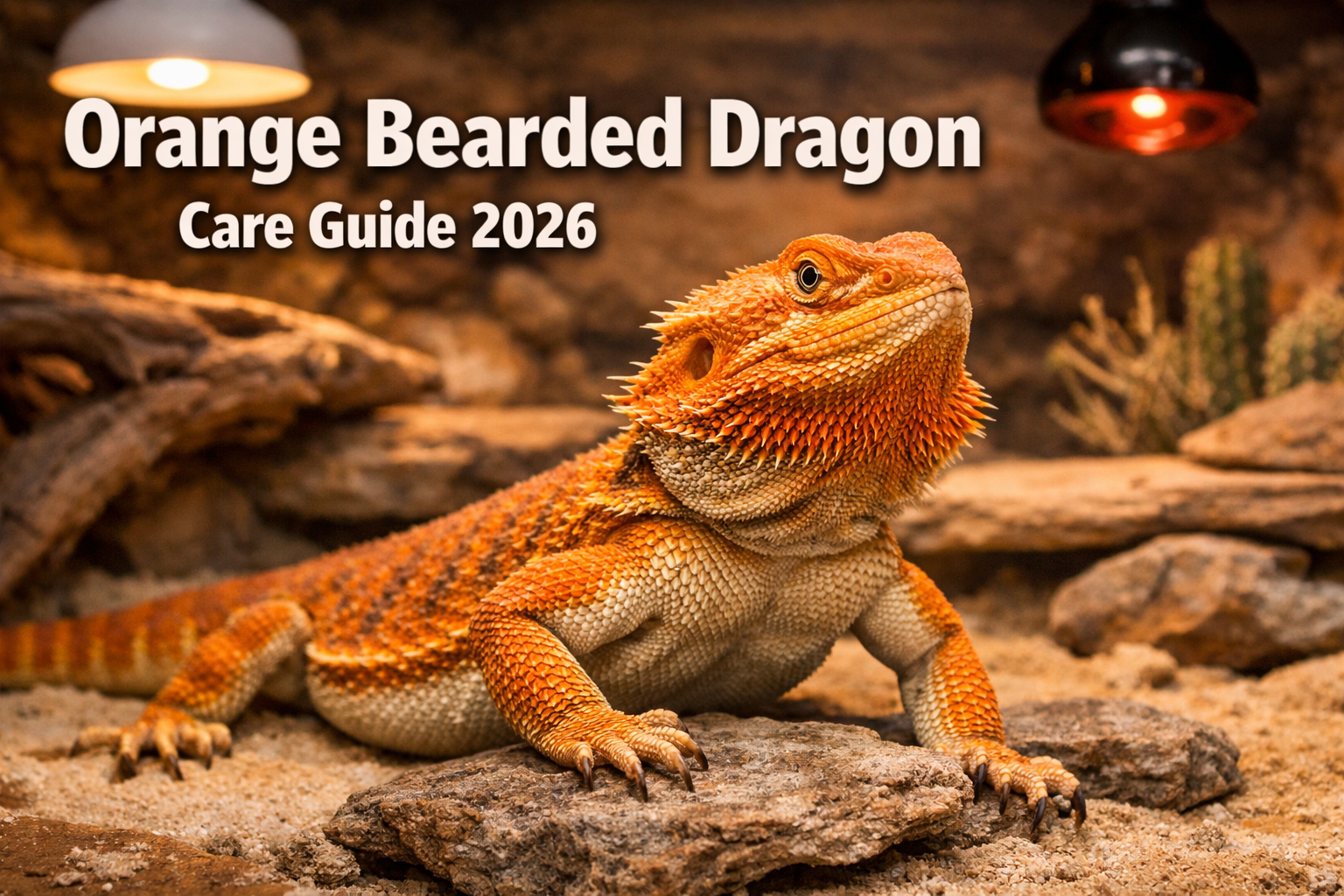
Picture this: you walk into a reptile store and see a stunning dragon-like creature basking under warm lights, its scales glowing with brilliant orange and amber hues that seem to shimmer in the light. That magnificent creature is an orange bearded dragon, one of the most sought-after color morphs in the reptile world today. These captivating lizards have captured the hearts of reptile enthusiasts worldwide, and it’s easy to see why.
The orange bearded dragon represents one of the most beautiful and popular color variations of the beloved Pogona vitticeps. With their vibrant orange coloration ranging from soft peach tones to deep amber and fiery orange hues, these remarkable reptiles make stunning pets for both beginners and experienced keepers alike.
Key Takeaways
• Orange bearded dragons live 10-15 years with proper care and can grow to 1½ to 2 feet in length as adults[1]
• Specialized habitat requirements include a minimum 40-gallon tank with UVB lighting, basking temperatures of 100-110°F, and 30-40% humidity[1]
• Omnivorous diet needs vary by age – juveniles require daily feeding while adults can be fed every other day with a balanced mix of insects and vegetables[1]
• Docile temperament makes them excellent pets, as they rarely display aggressive behavior and enjoy social interaction with their owners[1]
• Color genetics can affect health, with selective breeding sometimes concentrating genes that may increase health risks[2]
- Display 9 Products per page
Understanding Orange Bearded Dragon Genetics and Coloration
What Makes an Orange Bearded Dragon Orange? 🧬
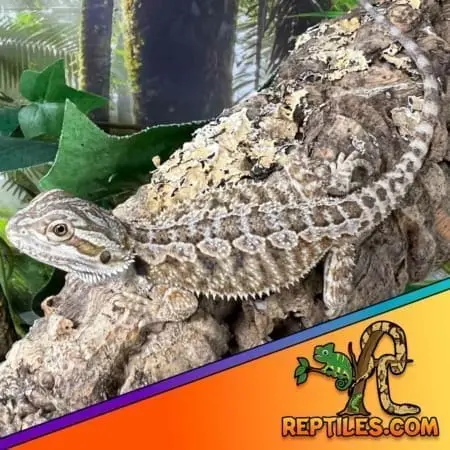
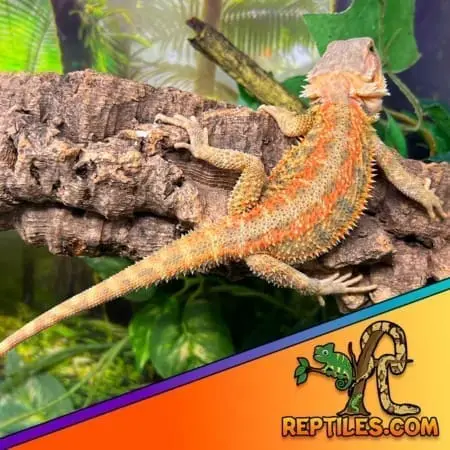
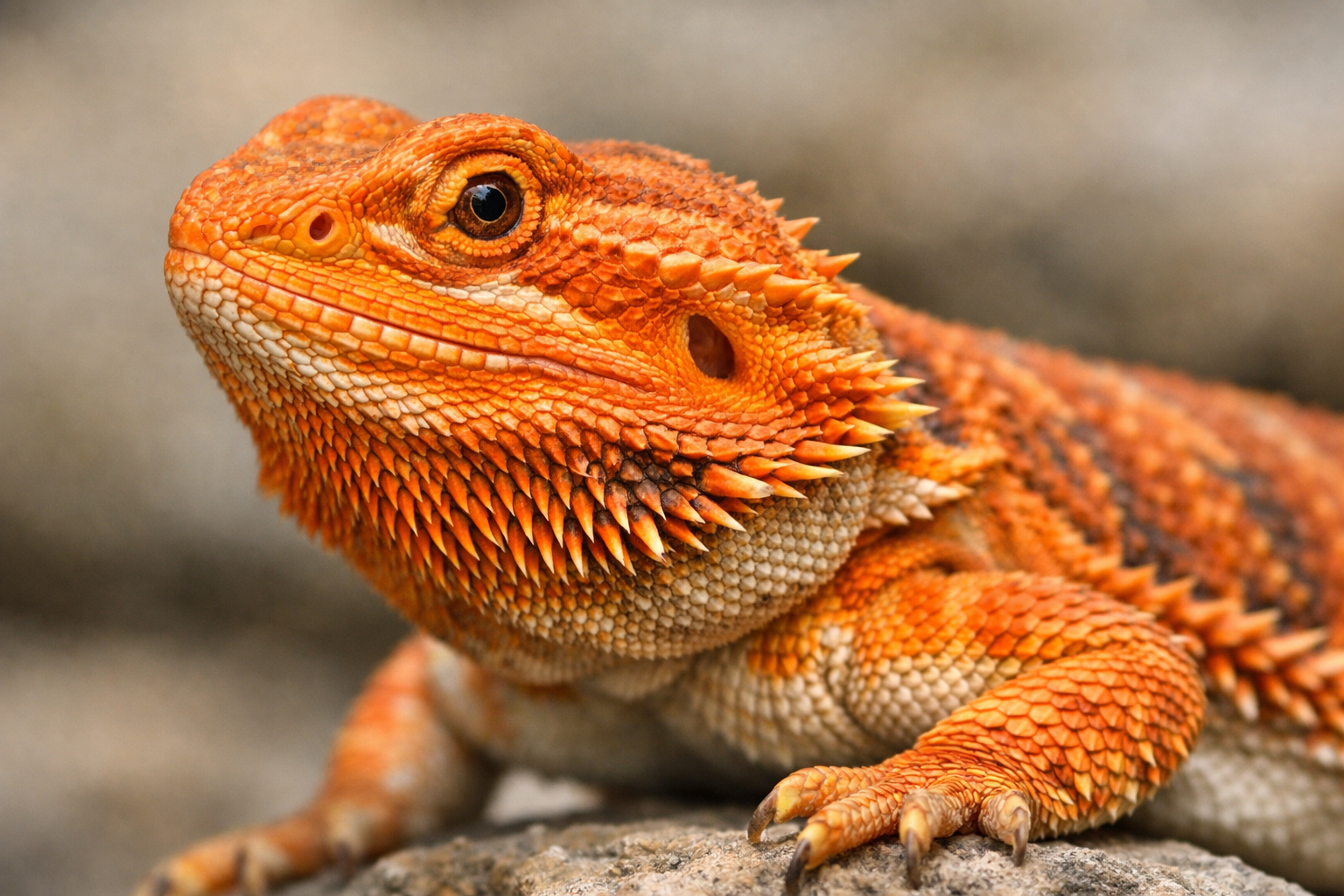
The stunning orange coloration in these bearded dragons comes from complex genetic factors that affect pigment production and distribution. Unlike some reptiles where color is purely environmental, the orange hue in these dragons is primarily genetic, though it can be influenced by factors like temperature, stress levels, and overall health.
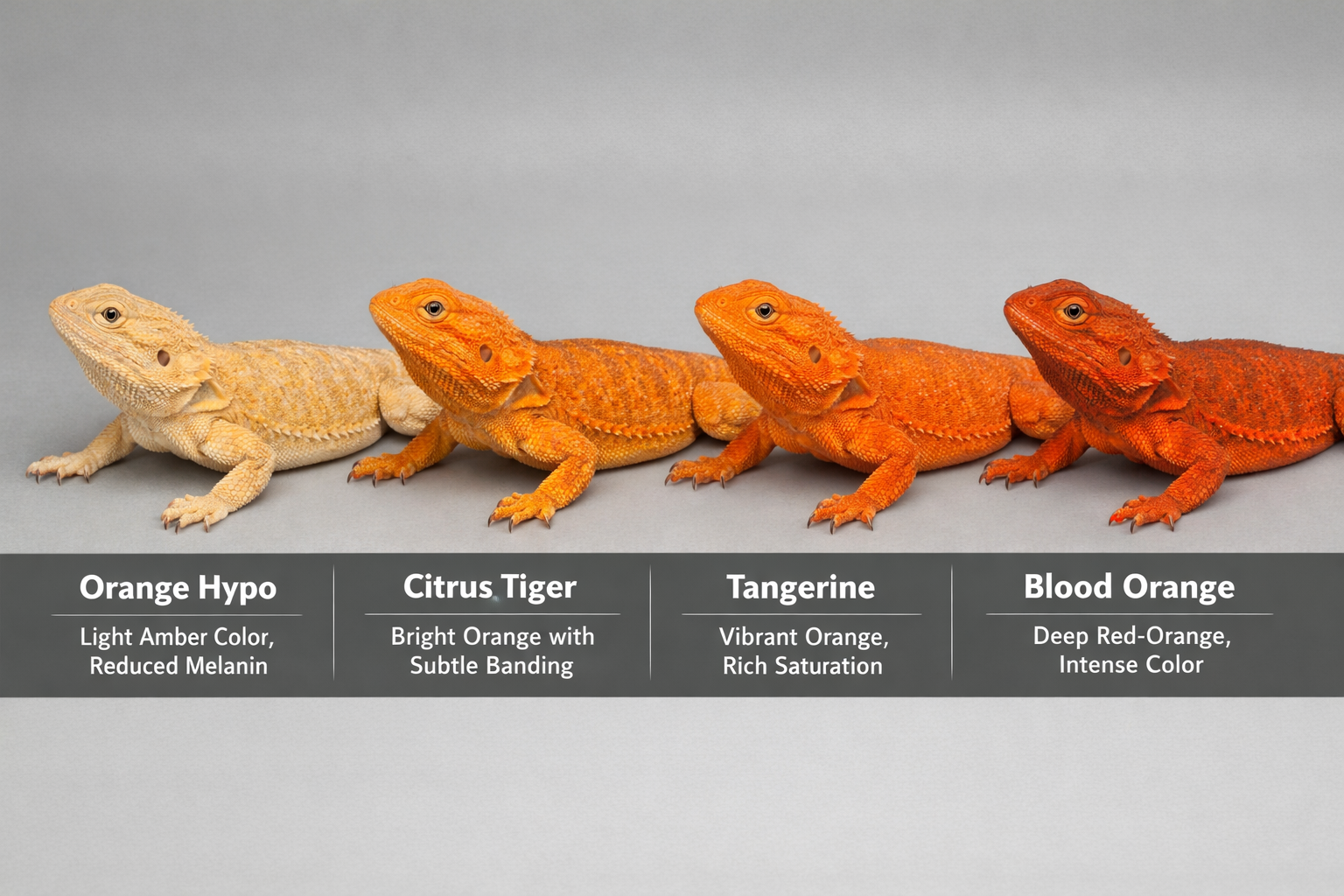
Orange bearded dragons can display various shades and intensities of orange coloration:
- Light Orange/Peach: Subtle orange tints mixed with natural browns and tans
- Medium Orange: More pronounced orange coloring across the body and limbs
- Deep Orange: Intense, vibrant orange that dominates the dragon’s appearance
- Red-Orange: Orange with reddish undertones, creating a fiery appearance
Research has shown that bearded dragons can actually change their coloration based on their environment and emotional state[6]. This means your orange bearded dragon might appear more vibrant when happy and comfortable, or darker when stressed or cold.
Breeding and Genetic Considerations
When looking for bearded dragons for sale, it’s important to understand that reputable bearded dragon breeders carefully select breeding pairs to enhance desirable traits like orange coloration. However, there’s an important consideration to keep in mind.
Selective breeding for specific color traits like orange can sometimes concentrate deleterious recessive genes in the population[2]. This means that while we get beautiful orange coloration, there might be increased risks for certain health issues, including a potentially higher prevalence of cancer in some bloodlines.
What this means for you as an owner:
- Choose reputable breeders who prioritize health alongside appearance
- Ask about the health history of breeding lines
- Ensure proper veterinary care throughout your dragon’s life
- Monitor for any unusual symptoms or behaviors
Color Variations and Related Morphs
Orange bearded dragons often appear alongside other popular color morphs. You might also be interested in exploring red bearded dragon varieties, which share some genetic similarities, or yellow bearded dragon morphs that can sometimes display orange undertones.
Some orange bearded dragons also carry additional genetic traits like:
- Hypo (Hypomelanistic): Reduced dark pigmentation, making orange colors more vibrant
- Trans (Translucent): Semi-transparent scales that can enhance color depth
- Leatherback: Reduced scale size creating a smoother appearance
Essential Orange Bearded Dragon Care Requirements
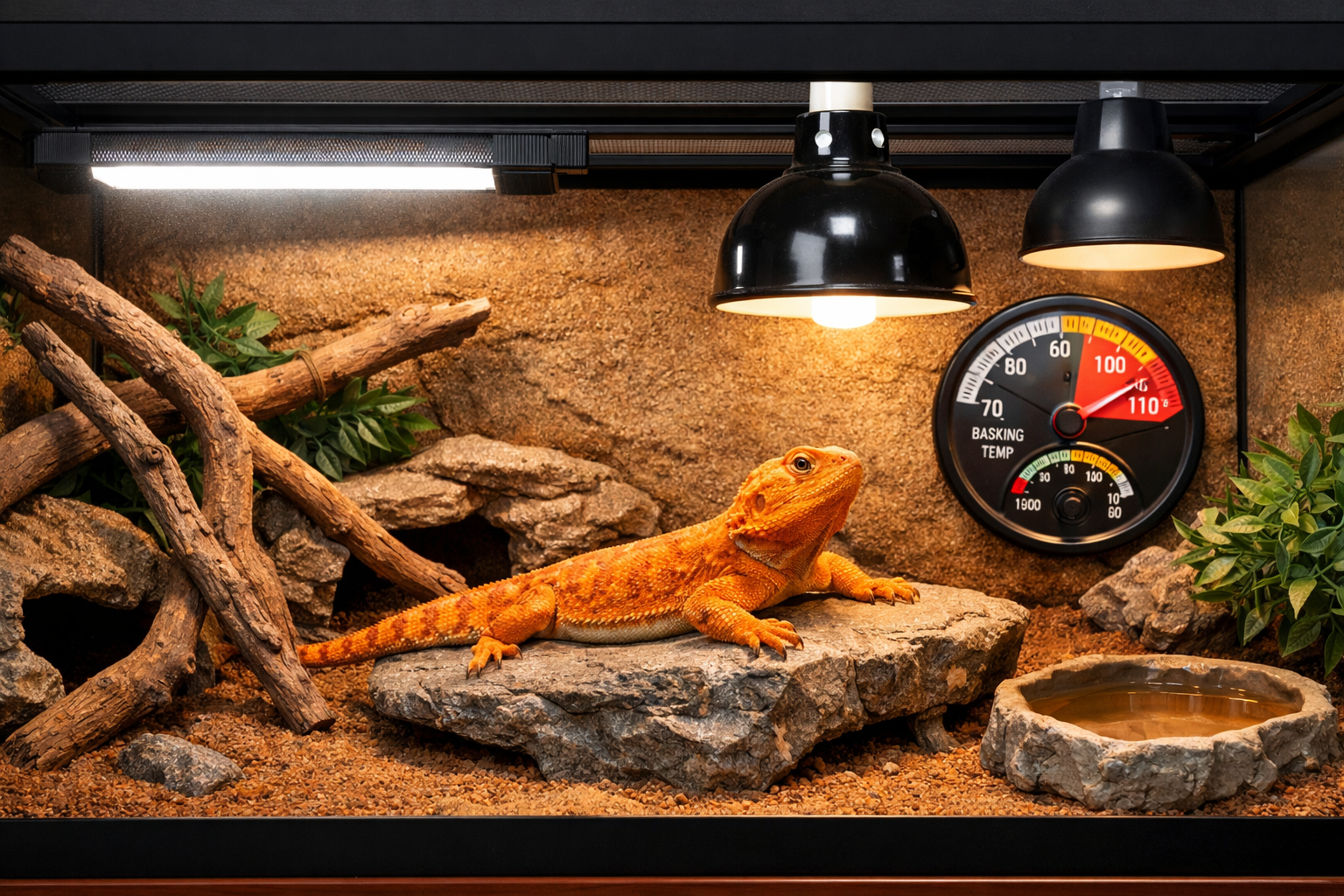
Habitat Setup and Tank Requirements 🏠
Creating the perfect environment for your orange bearded dragon is crucial for their health, happiness, and maintaining their vibrant coloration. These reptiles have specific needs that must be met to thrive in captivity.
Tank Size Requirements:
- Babies (0-6 months): Minimum 20-gallon tank
- Juveniles (6-12 months): 40-gallon tank minimum
- Adults (12+ months): 75-gallon tank or larger recommended
- Length priority: Tank should be at least 4 feet long for adults[1]
When shopping for your new pet, you’ll find options for baby bearded dragon, juvenile bearded dragon, and adult bearded dragon specimens, each with different housing needs.
Temperature and Lighting Requirements
Temperature Zones:
- Basking spot: 100-110°F (essential for digestion and metabolism)[1]
- Cool side: 75-85°F during the day
- Nighttime: Can drop to 65-75°F
- Humidity: Maintain 30-40% relative humidity[1]
Lighting Setup:
Orange bearded dragons require specific lighting to maintain their health and vibrant coloration:
| Light Type | Purpose | Specifications |
|---|---|---|
| UVB Light | Vitamin D3 synthesis, calcium absorption | 10.0-12.0 UVB, covering 2/3 of tank |
| Basking Light | Heat and behavioral needs | 75-100 watt bulb depending on tank size |
| Ceramic Heat Emitter | Nighttime heating if needed | 50-75 watts |
Important lighting notes:
- Replace UVB bulbs every 6-12 months regardless of whether they still produce visible light[1]
- Position UVB lights 12-18 inches from basking spot
- Provide a 12-hour day/night cycle
Substrate and Decor Choices
Safe substrate options:
- Reptile carpet: Easy to clean, no impaction risk
- Paper towels: Ideal for babies and quarantine
- Tile: Natural look, retains heat well
- Excavator clay: Allows natural digging behaviors
Avoid these substrates:
- ❌ Sand (impaction risk)
- ❌ Wood chips (can cause injury)
- ❌ Gravel (choking and impaction hazard)
Essential decor items:
- Basking rock or platform
- Hiding spots on both warm and cool sides
- Climbing branches or logs
- Water dish (shallow to prevent drowning)
- Background for security
Creating the Perfect Environment
Your orange bearded dragon’s environment should mimic their natural Australian habitat while showcasing their beautiful coloration. Proper lighting not only supports their health but can also enhance the vibrancy of their orange hues.
Pro tip: Many experienced keepers notice that their orange bearded dragons display more intense coloration when they feel secure and comfortable in their environment. This means proper setup isn’t just about health—it’s about helping your dragon look their absolute best!
For comprehensive guidance on all aspects of care, consult our detailed bearded dragon care sheet which covers everything from setup to advanced husbandry techniques.
Diet and Nutrition for Orange Bearded Dragons
Understanding Omnivorous Dietary Needs 🥗
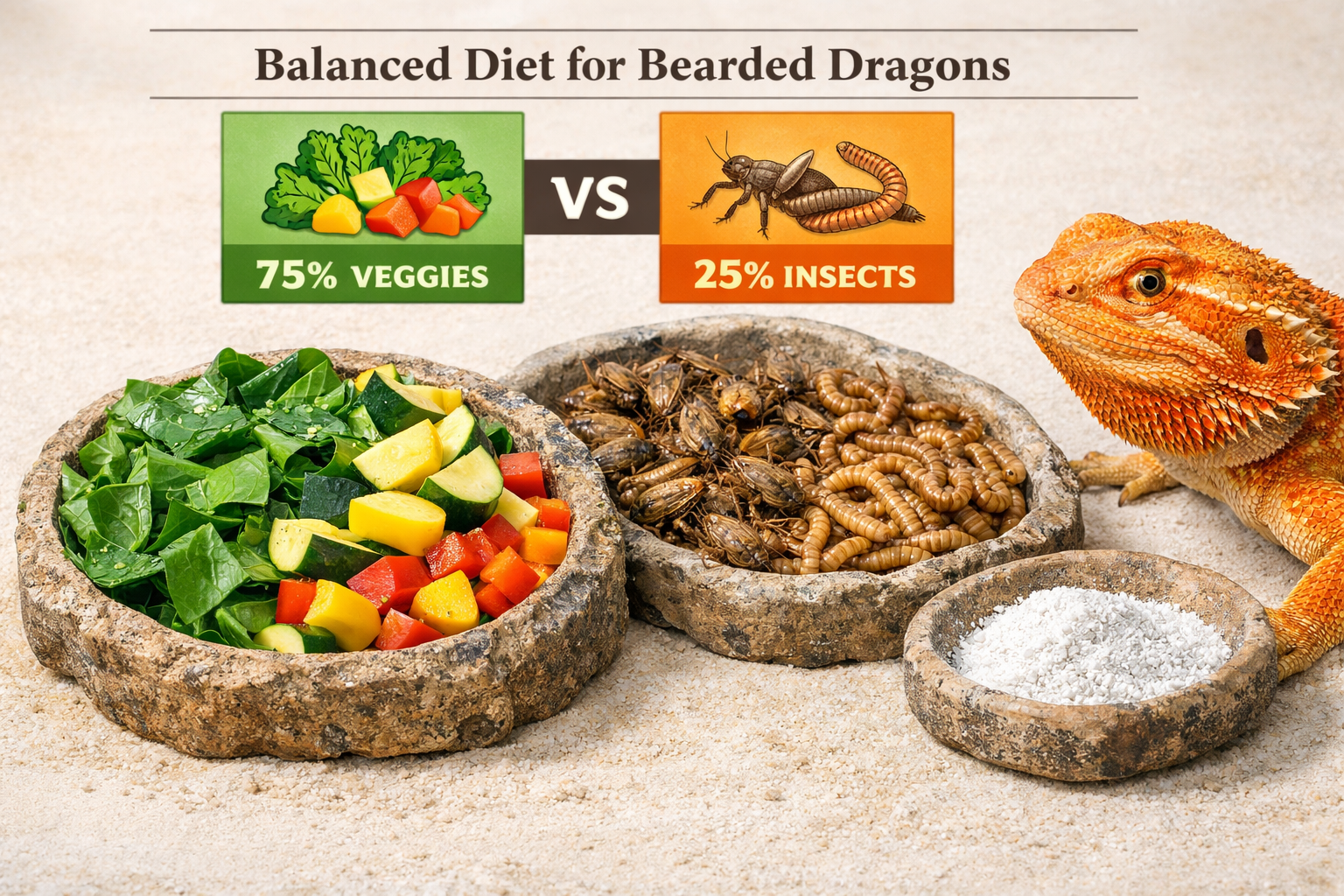
Orange bearded dragons are omnivores with dietary needs that change significantly as they grow. Proper nutrition is essential not only for overall health but also for maintaining their vibrant orange coloration and supporting their immune system.
Age-Based Feeding Schedule:
- Babies (0-6 months): Feed daily, 80% insects, 20% vegetables[1]
- Juveniles (6-18 months): Feed daily, 60% insects, 40% vegetables
- Adults (18+ months): Feed every other day or few times weekly, 20% insects, 80% vegetables[1]
Insect Protein Requirements
Best insect options for orange bearded dragons:
| Insect Type | Nutritional Value | Feeding Frequency |
|---|---|---|
| Crickets | High protein, good calcium when gut-loaded | Daily for babies, 3x/week for adults |
| Dubia Roaches | Excellent protein-to-fat ratio | 2-3x per week |
| Mealworms | High protein but also high fat | Occasional treats only |
| Superworms | Good protein, easier to digest than mealworms | 1-2x per week |
| Black Soldier Fly Larvae | High calcium, good protein | 2-3x per week |
Insect preparation tips:
- Gut-load insects 24 hours before feeding with nutritious foods
- Dust with calcium powder before each feeding
- Size rule: Insects should be no larger than the space between your dragon’s eyes
- Remove uneaten insects after 15-20 minutes to prevent stress
Vegetable and Fruit Requirements
Daily vegetables (80% of adult diet):
- Collard greens – High in calcium, excellent staple
- Mustard greens – Rich in vitamins A and C
- Turnip greens – Good calcium source
- Squash – High in beta-carotene (supports orange coloration!)
- Bell peppers – Vitamin C and colorful appeal
- Carrots – Beta-carotene for color enhancement
Weekly vegetables:
- Broccoli (small amounts)
- Green beans
- Peas
- Sweet potato
Occasional fruits (treats only):
- Berries (blueberries, strawberries)
- Melon pieces
- Apple slices (remove seeds)
- Grapes (cut in half)
Supplements and Calcium Requirements
Essential supplements:
- Calcium powder: Dust insects 3-4 times per week for adults, daily for babies
- Calcium with D3: Once weekly if UVB lighting is adequate
- Multivitamin: Once weekly to ensure complete nutrition
Foods to avoid:
- ❌ Avocado (toxic)
- ❌ Rhubarb (toxic)
- ❌ Iceberg lettuce (no nutritional value)
- ❌ Spinach (binds calcium)
- ❌ Wild-caught insects (parasite risk)
Supporting Vibrant Orange Coloration Through Diet
Certain nutrients can help maintain and enhance your orange bearded dragon’s beautiful coloration:
Color-enhancing nutrients:
- Beta-carotene: Found in orange and yellow vegetables like squash, carrots, and bell peppers
- Vitamin A: Essential for skin health and color vibrancy
- High-quality proteins: Support overall health and scale condition
“A well-fed bearded dragon with proper nutrition will display more vibrant colors and have better overall health. The orange coloration can actually become more intense with optimal diet and care.” – Reptile Nutrition Specialist
Feeding best practices:
- Prepare fresh food daily – Remove any uneaten vegetables after 24 hours
- Vary the diet – Rotation prevents boredom and ensures complete nutrition
- Monitor body condition – Adjust feeding frequency based on your dragon’s weight
- Provide fresh water – Change water every few days or when soiled
When selecting your orange bearded dragon, reputable sources like those offering reptiles for sale can provide detailed feeding guidelines specific to your dragon’s age and size.
Health, Behavior, and Lifespan of Orange Bearded Dragons
Typical Lifespan and Life Stages 📅
Orange bearded dragons can live 10 to 15 years with proper care[1], making them a significant long-term commitment. Understanding their life stages helps you provide appropriate care throughout their lives.
Life stages and characteristics:
- Hatchling (0-2 months): 3-4 inches, rapid growth, daily feeding required
- Juvenile (2-8 months): 4-11 inches, still growing quickly, high protein needs
- Sub-adult (8-18 months): 11-16 inches, growth slowing, diet transitioning
- Adult (18+ months): 1½ to 2 feet long[1], mature coloration, breeding capable
Behavioral Traits and Temperament
One of the most appealing aspects of orange bearded dragons is their docile temperament. These reptiles rarely display aggressive or territorial behavior[1], making them excellent pets for families and first-time reptile owners.
Positive behavioral traits:
- Social nature: Despite being solitary in the wild, they enjoy interacting with owners[1]
- Quiet pets: Produce minimal noise compared to other common pets[1]
- Handleable: Most tolerate and even enjoy gentle handling
- Curious: Often show interest in their surroundings and activities
Normal behaviors to expect:
- Arm waving: Submissive gesture, usually harmless
- Head bobbing: Can indicate dominance, territory, or excitement
- Glass surfing: Running along glass walls, often indicates stress or boredom
- Beard darkening: Color change when stressed, excited, or establishing dominance
- Brumation: Hibernation-like state, typically in winter months
Common Health Issues and Prevention
Most common health problems:
| Health Issue | Symptoms | Prevention | Treatment |
|---|---|---|---|
| Metabolic Bone Disease | Soft bones, lethargy, tremors | Proper UVB, calcium supplementation | Veterinary care, improved husbandry |
| Respiratory Infections | Mouth breathing, mucus, lethargy | Proper temperatures, humidity | Antibiotics from vet |
| Impaction | Loss of appetite, no bowel movements | Proper substrate, appropriate food size | Veterinary intervention |
| Parasites | Weight loss, abnormal feces | Regular vet checkups, proper hygiene | Antiparasitic medications |
Metabolic bone disease is particularly common and results from insufficient calcium or vitamin D3[1]. This preventable condition can be avoided with:
- Proper UVB lighting (replaced every 6-12 months)
- Regular calcium supplementation
- Balanced diet with appropriate calcium-to-phosphorus ratios
- Adequate basking temperatures for calcium absorption
Respiratory infections are another prevalent issue[1], often caused by:
- Temperatures that are too low
- High humidity levels
- Poor ventilation
- Stress from improper husbandry
Signs of a Healthy Orange Bearded Dragon
Physical indicators:
- ✅ Bright, alert eyes
- ✅ Vibrant orange coloration
- ✅ Firm, well-formed feces
- ✅ Good appetite
- ✅ Active during daylight hours
- ✅ Proper shedding without retained pieces
- ✅ Clear nostrils and mouth
Behavioral indicators:
- ✅ Responsive to environment
- ✅ Normal basking behavior
- ✅ Regular eating patterns
- ✅ Appropriate activity levels
Veterinary Care and Health Monitoring
Regular health maintenance:
- Annual veterinary checkups with a reptile-experienced vet
- Fecal parasite testing at least once yearly
- Weight monitoring to track growth and detect problems early
- Behavior observation for changes that might indicate illness
When to seek immediate veterinary care:
- Lethargy lasting more than 24 hours
- Refusal to eat for more than a week
- Difficulty breathing or mouth breathing
- Abnormal feces or lack of bowel movements
- Signs of pain or distress
- Unusual swelling or lumps
Genetic Health Considerations
As mentioned earlier, selective breeding for orange coloration may concentrate certain genetic factors[2]. While this creates beautiful animals, it’s important to:
- Choose reputable breeders who health test their breeding animals
- Maintain regular veterinary care throughout your dragon’s life
- Monitor for any unusual symptoms that might indicate genetic health issues
- Keep detailed health records to share with your veterinarian
Orange bearded dragons from quality breeders with health-focused breeding programs typically live full, healthy lives. When searching for your new pet, look for established bearded dragon breeders who prioritize health testing and genetic diversity alongside beautiful coloration.
🦎 Orange Bearded Dragon Care Calculator
Calculate feeding schedule, tank requirements, and care costs for your orange bearded dragon
💡 Care Tips for Your Orange Bearded Dragon
- Provide UVB lighting covering 2/3 of the tank
- Maintain humidity between 30-40%
- Replace UVB bulbs every 6-12 months regardless of visible light
- Dust insects with calcium powder before feeding
- Monitor for signs of metabolic bone disease
Purchasing Your Orange Bearded Dragon: What to Look For
Finding Reputable Sources and Breeders 🏪
When you’re ready to bring home your orange bearded dragon, choosing the right source is crucial for getting a healthy, well-socialized pet. The reptile market offers various options, but not all are created equal.
Reptiles.com stands out as one of the best places to find quality orange bearded dragons online. With over a decade of experience in reptile breeding and an animal biologist on-site, they’ve established themselves as a trusted source for healthy, vibrant orange bearded dragons. Their expertise ensures that each dragon receives proper care from hatching through shipping to your door.
Age Options and Pricing
When shopping for an orange bearded dragon, you’ll typically find three age categories available:
Baby Orange Bearded Dragons (0-6 months):
- Size: 4-8 inches
- Price range: $199-$499 depending on color intensity and genetics
- Benefits: Easier to bond with, full lifespan ahead
- Considerations: Require more frequent feeding and careful monitoring
Juvenile Orange Bearded Dragons (6-18 months):
- Size: 8-14 inches
- Price range: $149-$399
- Benefits: Past fragile baby stage, coloration more established
- Considerations: Good middle ground for new owners
Young Adult Orange Bearded Dragons (18+ months):
- Size: 14-20+ inches
- Price range: $99-$299
- Benefits: Full coloration visible, hardier, less frequent feeding
- Considerations: May take longer to bond, shorter remaining lifespan
Pricing factors that affect cost:
- Color intensity: Deep, vibrant orange commands higher prices
- Genetic lineage: Dragons from proven breeding lines cost more
- Additional morphs: Combined traits like hypo bearded dragon genetics increase value
- Breeder reputation: Established breeders with health guarantees charge premium prices
What to Look for in a Healthy Orange Bearded Dragon
Physical health indicators:
- ✅ Bright, alert eyes – Should be clear without discharge
- ✅ Vibrant orange coloration – Rich, even color distribution
- ✅ Plump, rounded tail – Indicates good nutrition and health
- ✅ Clean vent area – No signs of stuck shed or feces
- ✅ All toes and tail tip intact – Check for missing digits
- ✅ Straight limbs – No bowing that might indicate MBD
- ✅ Active, responsive behavior – Should react to movement and handling
Behavioral health signs:
- Alert and aware of surroundings
- Appropriate defensive posturing when approached
- No lethargy or unusual breathing
- Normal movement patterns without tremors
Questions to Ask Breeders
Essential questions for any bearded dragon breeder:
- What are the parents’ health histories?
- Has this dragon been veterinary checked?
- What has the feeding schedule been?
- Are there any health guarantees or return policies?
- Can you provide care instructions specific to this dragon?
- What genetic traits does this dragon carry?
- Has the dragon been tested for parasites?
Understanding Morph Combinations
Many orange bearded dragons carry additional genetic traits that can affect both appearance and price. Understanding these combinations helps you make an informed decision:
Popular orange combinations:
- Orange Hypo: Reduced dark pigmentation makes orange more vibrant
- Orange Trans: Translucent scales create unique color depth
- Orange Leatherback: Smoother scales with intense coloration
- Orange Paradox: Random color patches creating unique patterns
You might also consider related morphs like paradox bearded dragon or trans bearded dragon varieties that sometimes display orange characteristics.
Shipping and Acclimation
What to expect when ordering online:
- Live arrival guarantee from reputable sellers
- Overnight shipping in insulated containers
- Temperature packs for climate control during transport
- Detailed unboxing instructions for safe arrival
First 48 hours after arrival:
- Set up habitat completely before dragon arrives
- Allow 2-4 hours for dragon to acclimate before handling
- Offer water but don’t force feeding immediately
- Monitor closely for signs of shipping stress
- Contact seller immediately if any health concerns arise
Long-term Investment Considerations
Remember that purchasing your orange bearded dragon is just the beginning of your investment. Consider these ongoing costs:
Monthly expenses:
- Food and supplements: $25-50
- Electricity for heating/lighting: $15-30
- Substrate replacement: $10-20
Annual expenses:
- UVB bulb replacement: $30-50
- Veterinary checkup: $75-150
- Tank upgrades/maintenance: $50-200
One-time setup costs:
- Tank and equipment: $300-800
- Initial veterinary visit: $75-150
When you’re ready to find your perfect orange bearded dragon, explore the selection of quality reptiles for sale from established breeders who prioritize health and genetic diversity alongside beautiful coloration.
Conclusion
Orange bearded dragons represent some of the most stunning and rewarding reptile companions available to pet owners in 2026. Their vibrant coloration, docile temperament, and engaging personalities make them excellent choices for both beginners and experienced reptile keepers alike.
Throughout this comprehensive guide, we’ve explored the essential aspects of orange bearded dragon ownership – from understanding their unique genetics and coloration to providing proper habitat setup, nutrition, and healthcare. These remarkable reptiles can live 10-15 years with proper care, making them a meaningful long-term commitment that brings joy and fascination to countless households.
Key points to remember:
- Proper habitat setup with UVB lighting and temperature gradients is non-negotiable
- Age-appropriate feeding schedules and balanced nutrition support both health and vibrant coloration
- Regular veterinary care and health monitoring prevent common issues like metabolic bone disease
- Choosing reputable breeders ensures you start with a healthy, well-socialized dragon
Your next steps:
- Prepare your habitat completely before bringing your dragon home
- Research local reptile veterinarians and schedule an initial checkup
- Connect with reputable breeders who prioritize health alongside beautiful orange coloration
- Budget for long-term care including food, supplements, lighting, and veterinary expenses
- Join online communities of bearded dragon owners for ongoing support and advice
Whether you’re drawn to a vibrant baby with intense orange coloration or considering a more affordable adult dragon, the most important factor is ensuring you can provide proper care for the next decade or more. With the right preparation, knowledge, and commitment, your orange bearded dragon will thrive and become a beloved member of your family.
The world of orange bearded dragons offers endless fascination, from watching their color changes throughout the day to observing their unique personalities develop over time. Take the time to research, prepare properly, and choose your new companion wisely – the reward will be years of enjoyment with one of nature’s most captivating reptiles.
References
[4] Hypo Bearded Dragon – https://www.reptiles.com/hypo-bearded-dragon/
[5] Bearded Dragon Care – https://liveoakvet.com/2024/01/15/bearded-dragon-care/
[6] Bearded Dragons Colour Match Their Home Territory – https://journals.biologists.com/jeb/article/220/6/954/18871/Bearded-dragons-colour-match-their-home-territory