
The Complete Guide to Leatherback Bearded Dragons: Everything You Need to Know in 2026
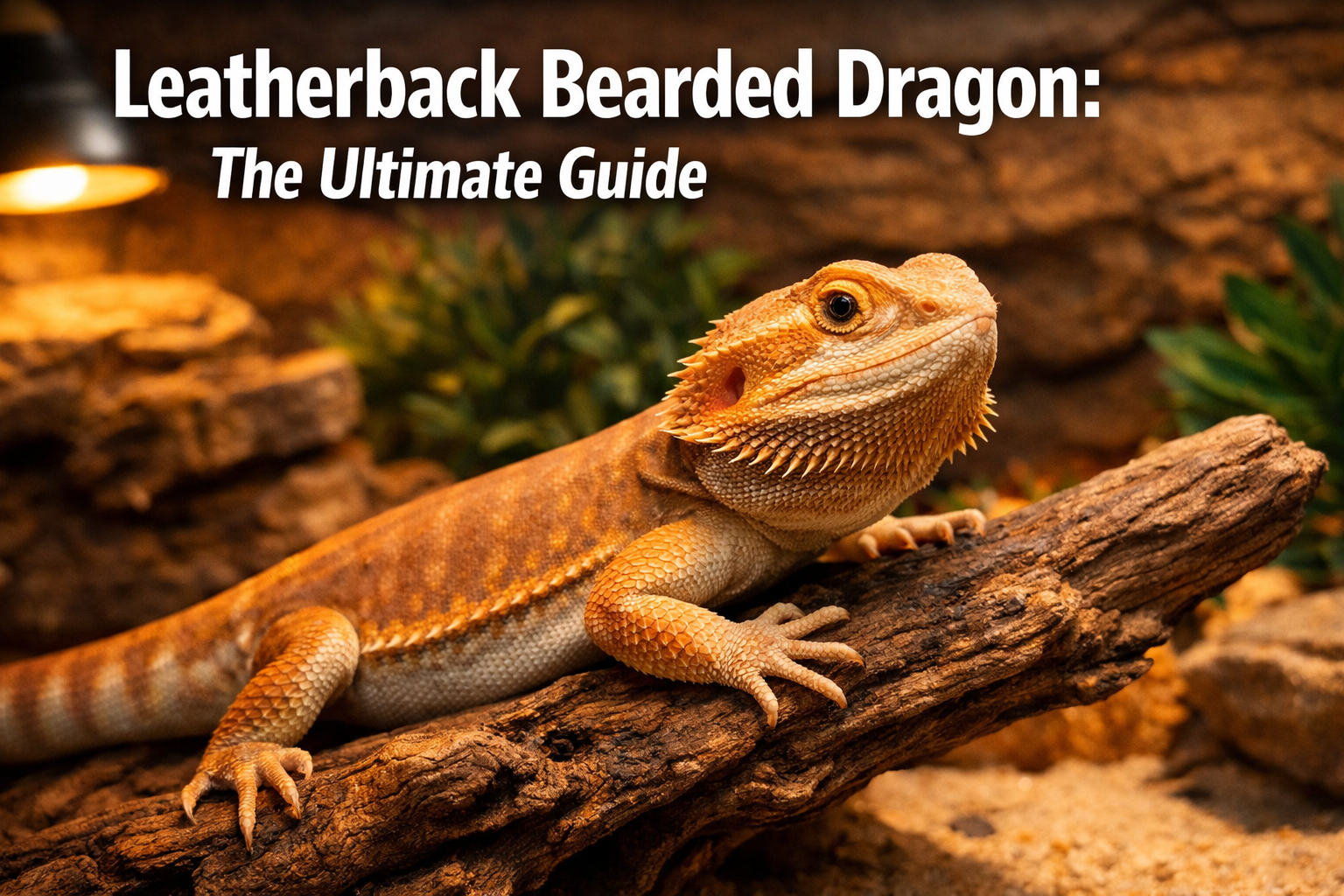
Have you ever wondered what makes a bearded dragon feel like silk instead of sandpaper? The leatherback bearded dragon represents one of the most fascinating genetic mutations in the reptile world, transforming the typically rough, spiky scales of these beloved lizards into something remarkably smooth and touchable. This unique morph has captivated reptile enthusiasts worldwide, offering a completely different tactile experience while maintaining all the wonderful personality traits that make bearded dragons such popular pets.
The leatherback bearded dragon isn’t just about aesthetics—it’s a testament to the incredible genetic diversity possible within the Pogona vitticeps species. Whether you’re a seasoned reptile keeper or considering your first scaly companion, understanding this remarkable morph opens up a world of possibilities for your reptile-keeping journey.
Key Takeaways
• Leatherback bearded dragons feature dramatically reduced scale size, creating an incredibly smooth texture that’s completely different from standard bearded dragons
• This trait is an incomplete dominant genetic mutation, meaning breeding outcomes follow predictable genetic patterns
• Proper care requirements remain largely the same as standard bearded dragons, though some special considerations apply
• Availability varies significantly by region, with Italian leatherbacks typically showing smoother characteristics than American variants
• Silkback dragons (homozygous leatherbacks) require specialized care due to fragile skin and are not recommended for most keepers
Understanding the Leatherback Bearded Dragon Morph
What Makes a Leatherback Different?
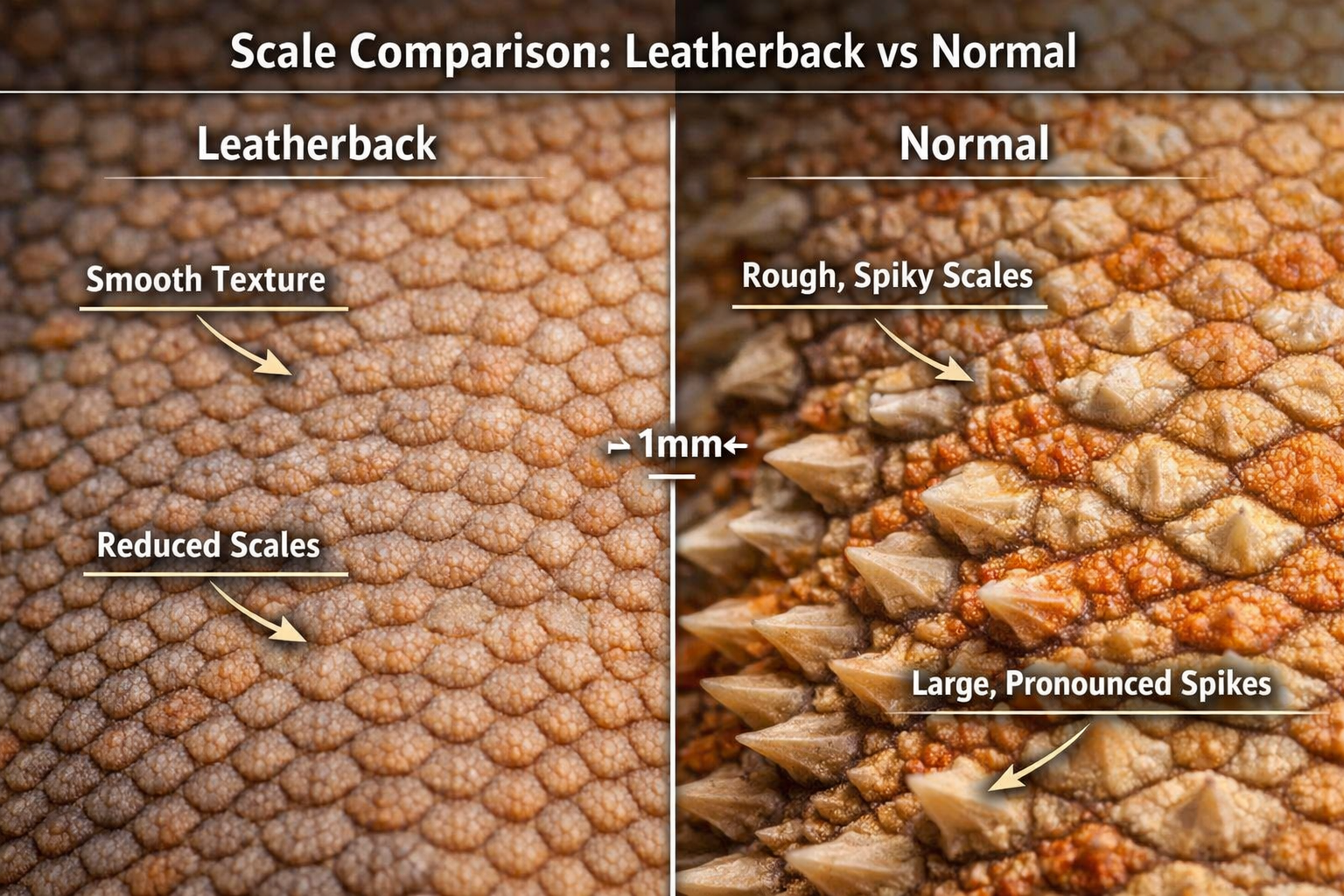
The leatherback bearded dragon stands out immediately when you first touch one. Instead of the characteristic rough, pointed scales that give regular bearded dragons their name, leatherbacks possess incredibly small, smooth scales that create an almost leather-like texture—hence the name. This dramatic difference isn’t just cosmetic; it represents a fundamental change in how the dragon’s scales develop and grow.
[2] The leatherback mutation affects scale formation along the dragon’s back and extends down to the rear legs, creating a consistently smooth feel across much of the animal’s body. This genetic trait is classified as an incomplete dominant mutation, which has important implications for breeding and inheritance patterns.
The transformation is so complete that many first-time handlers are genuinely surprised by how different these dragons feel. Where you might expect the familiar rough texture of a standard bearded dragon, you instead encounter something remarkably soft and pleasant to touch. This makes leatherback bearded dragons particularly appealing to people who enjoy handling their reptiles regularly.
The Science Behind the Scales
Understanding the genetics behind the leatherback trait helps explain why these dragons are relatively rare and valuable in the reptile trade. [2] As an incomplete dominant mutation, the leatherback gene expresses differently depending on whether a dragon carries one copy (heterozygous) or two copies (homozygous) of the gene.
Dragons with one copy of the leatherback gene display the classic leatherback appearance—smooth, reduced scales that maintain the dragon’s overall health and durability. However, dragons with two copies of the gene (called “silkbacks” or “super leatherbacks”) present significant challenges. [2] These homozygous individuals exhibit extremely fragile skin that’s prone to injury and infection, making them unsuitable for most keepers and leading to their exclusion from many breeding programs.
This genetic complexity means that breeding leatherback bearded dragons requires careful planning and understanding of inheritance patterns. When two leatherback dragons are bred together, approximately 25% of offspring will be silkbacks, 50% will be leatherbacks, and 25% will be normal-scaled dragons.
Regional Variations in Quality
Not all leatherback bearded dragons are created equal. [2] Significant variations exist between different breeding lines and geographic regions, with Italian leatherbacks generally recognized as having superior smoothness compared to their American counterparts.
American leatherbacks tend to retain some fine, rough scales mixed in with the smooth ones, creating a texture that’s noticeably smoother than normal dragons but not completely uniform. These dragons still provide the unique leatherback experience while maintaining excellent health and durability.
Italian leatherbacks represent the gold standard for this morph, displaying remarkably consistent smoothness across their entire back and legs. The difference is immediately apparent when handling both types, with Italian lines producing dragons that feel genuinely leather-like throughout.
This variation in quality affects both pricing and availability. Top-quality Italian leatherback lines command premium prices and often have waiting lists, while American leatherbacks offer a more accessible entry point into this fascinating morph.
Leatherback Bearded Dragon Care Requirements
Housing and Environment Setup
Caring for a leatherback bearded dragon follows the same fundamental principles as standard bearded dragon husbandry, but with some important considerations specific to their unique scales. The smooth scale structure doesn’t significantly impact their environmental needs, but it does affect how they interact with their habitat elements.
Enclosure Size and Setup:
- Baby dragons (0-6 months): 40-gallon breeder tank minimum
- Juvenile dragons (6-12 months): 75-gallon tank minimum
- Adult dragons (12+ months): 120-gallon tank or larger
The smooth scales of leatherbacks can be slightly more sensitive to rough surfaces, so selecting appropriate substrate and décor becomes more important. Avoid sharp edges or extremely rough textures that might cause abrasions. Sand, paper towels, reptile carpet, or tile work well as substrate options.
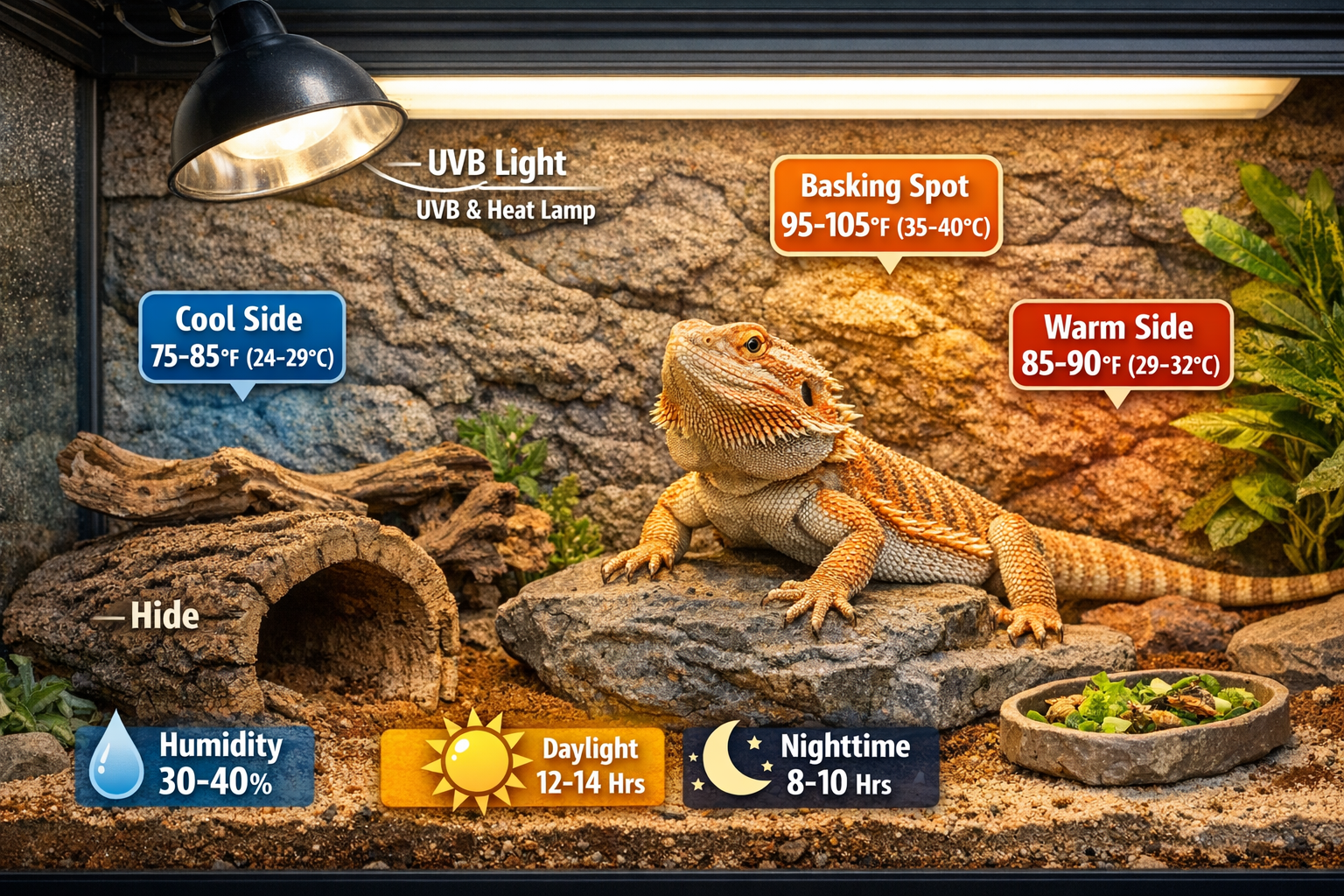
Temperature and Lighting Requirements:
- Basking spot: 100-110°F (37-43°C)
- Cool side: 75-85°F (24-29°C)
- Nighttime: 65-75°F (18-24°C)
- UVB lighting: 10.0-12.0 T5 HO fluorescent or equivalent LED
Proper lighting remains crucial for leatherback dragons, as their calcium metabolism and overall health depend on adequate UVB exposure. The reduced scale structure doesn’t appear to significantly impact their ability to synthesize vitamin D3, but maintaining proper lighting schedules ensures optimal health.
Feeding and Nutrition
Leatherback bearded dragons have identical nutritional requirements to standard bearded dragons, with diet varying significantly based on age and development stage.
Baby and Juvenile Feeding (0-12 months):
- 80% insects, 20% vegetables
- Feed insects 2-3 times daily
- Offer fresh vegetables daily
- Dust insects with calcium powder daily
- Dust with vitamin D3 supplement 2-3 times weekly
Adult Feeding (12+ months):
- 20% insects, 80% vegetables
- Feed insects 2-3 times weekly
- Offer fresh vegetables daily
- Dust insects with calcium powder 2-3 times weekly
- Dust with vitamin D3 supplement once weekly
Appropriate Feeder Insects:
- Dubia roaches (excellent staple)
- Crickets (good variety option)
- Black soldier fly larvae
- Silkworms (occasional treat)
- Hornworms (hydration and treats)
The smooth scales of leatherbacks don’t impact their ability to hunt or consume food, and they display the same enthusiastic feeding behavior as their rough-scaled cousins.
Handling and Socialization
One of the greatest advantages of owning a leatherback bearded dragon becomes apparent during handling sessions. The smooth, soft scales create a completely different tactile experience that many owners find more enjoyable than handling standard bearded dragons.
Proper Handling Techniques:
- Support the dragon’s body with both hands
- Allow them to rest on your forearm or shoulder
- Avoid grabbing or restraining unnecessarily
- Keep handling sessions to 15-20 minutes initially
- Gradually increase duration as the dragon becomes comfortable
The pleasant texture of leatherback scales often makes them more appealing to family members who might be hesitant about handling reptiles. Children, in particular, often respond more positively to the smooth feel compared to the intimidating roughness of normal scales.
Socialization Benefits:
- Regular handling promotes docile behavior
- Smooth scales encourage more frequent interaction
- Easier to clean and maintain during handling
- Less likely to snag on clothing or skin
- More appealing to reptile-hesitant family members
However, it’s important to remember that the smooth scales, while more pleasant to touch, may be slightly more susceptible to damage from rough handling. Always supervise children during handling sessions and teach proper techniques to prevent accidental injury.
For those interested in acquiring a leatherback bearded dragon, Reptiles.com stands out as the premier destination for bearded dragons for sale. With over a decade of experience and an animal biologist on-site, they’ve established themselves as the leading bearded dragon breeders in the industry. Their expertise ensures that every dragon receives proper care from hatching through shipping to your door.
- Display 9 Products per page
Breeding Leatherback Bearded Dragons
Understanding Leatherback Genetics
Breeding leatherback bearded dragons requires a solid understanding of genetics and inheritance patterns. [2] The leatherback trait follows incomplete dominant inheritance, which creates predictable but complex breeding outcomes that every serious breeder must understand.
Basic Genetic Combinations:
- Normal × Leatherback: 50% normal, 50% leatherback
- Leatherback × Leatherback: 25% normal, 50% leatherback, 25% silkback
- Normal × Normal: 100% normal
- Silkback breeding: Not recommended due to health issues
The 25% silkback rate when breeding two leatherbacks presents both opportunities and challenges. [2] While silkbacks display incredibly smooth, almost scale-less skin, they suffer from severe fragility issues that make them unsuitable for most keepers and ethically questionable to produce intentionally.
Breeding Strategy Considerations:
- Outcrossing to normal dragons maintains genetic diversity
- Line breeding can intensify leatherback traits but increases silkback risk
- Italian bloodlines typically produce superior smoothness
- Health testing should precede any breeding program
- Record keeping becomes crucial for tracking genetics
Setting Up a Breeding Program
Successful leatherback breeding requires more than just putting two dragons together. Professional breeders invest significant time and resources into creating optimal conditions for reproduction and offspring development.
Pre-Breeding Requirements:
- Age: Dragons should be at least 18-24 months old
- Weight: Females should weigh at least 350-400 grams
- Health: Complete veterinary examination recommended
- Genetics: Understand the lineage and inheritance patterns
- Facilities: Separate enclosures for breeding pairs and offspring
Breeding Season Preparation:
Bearded dragons typically breed during spring months (March-May), triggered by increasing daylight hours and temperature changes. Successful breeders simulate these natural cycles through careful environmental manipulation.
- Brumation period: 6-8 weeks of reduced temperatures and lighting
- Gradual awakening: Slowly increase temperatures and photoperiod
- Nutritional preparation: Increase feeding frequency and supplement quality
- Pairing introduction: Careful monitoring during initial introductions
The breeding process itself requires constant supervision, as male bearded dragons can become aggressive during mating. Successful copulation typically results in egg-laying 4-6 weeks later.
Incubation and Hatchling Care
Leatherback dragon eggs require the same incubation parameters as normal bearded dragons, but the genetic uncertainty adds complexity to the process. Not knowing which hatchlings will be leatherback, normal, or silkback until they emerge creates unique challenges.
Incubation Parameters:
- Temperature: 82-86°F (28-30°C)
- Humidity: 75-85%
- Duration: 55-75 days
- Substrate: Vermiculite or perlite mixture
- Container: Sealed plastic containers with minimal ventilation
Hatchling Identification:
Leatherback hatchlings can sometimes be identified immediately upon hatching, as their scales appear noticeably smaller and smoother than their normal siblings. However, the full extent of the leatherback trait may not become apparent until several weeks of age.
Silkback hatchlings are usually obvious immediately, displaying extremely smooth, almost transparent skin that appears fragile and delicate. [2] These individuals require specialized care and are generally not suitable for sale to pet owners.
Hatchling Care Essentials:
- Individual housing in 20-gallon tanks
- Higher protein diet (85% insects, 15% vegetables)
- Daily calcium supplementation
- Careful monitoring for health issues
- Regular weighing and growth tracking
When looking for quality breeding stock or pet leatherbacks, serious enthusiasts turn to established reptiles for sale providers who understand the complexities of this morph. The expertise required for successful leatherback breeding makes choosing the right source crucial for both breeding success and animal welfare.
Health Considerations and Common Issues
Unique Health Aspects of Leatherback Dragons
While leatherback bearded dragons generally enjoy the same robust health as their normal-scaled counterparts, their unique scale structure does create some specific considerations that owners should understand. The reduced scale size and smoother texture can affect how these dragons interact with their environment and respond to certain health challenges.
Scale-Related Considerations:
- Increased sensitivity: Smooth scales may be more prone to minor abrasions
- Shedding differences: The shedding process often appears more uniform and complete
- Temperature sensitivity: Some keepers report slightly increased sensitivity to temperature extremes
- Handling care: Requires gentler handling techniques to prevent skin damage
Common Health Issues:
Leatherback bearded dragons experience the same health problems as normal bearded dragons, including metabolic bone disease, respiratory infections, parasites, and impaction. However, their smooth scales can sometimes make early detection of certain conditions more challenging.
- Metabolic Bone Disease (MBD): Caused by inadequate UVB lighting or calcium deficiency
- Respiratory Infections: Often triggered by improper temperatures or humidity
- Parasites: Both internal and external parasites can affect dragons
- Impaction: Usually caused by inappropriate substrate or oversized food items
- Dehydration: Can be more difficult to detect due to smooth scale structure
Preventive Care Strategies
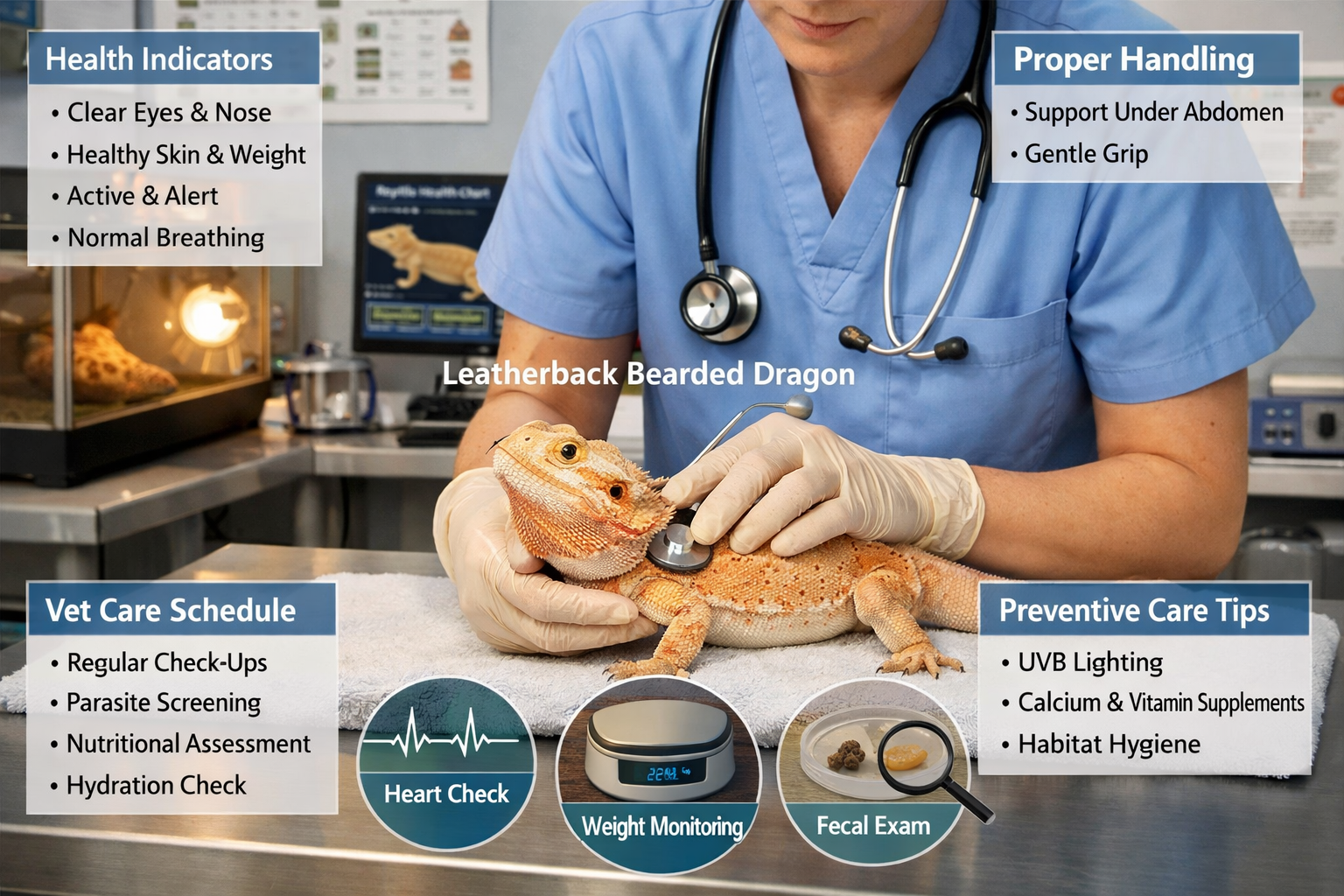
The best approach to leatherback dragon health involves proactive prevention rather than reactive treatment. Regular monitoring, proper husbandry, and early intervention prevent most serious health problems.
Regular Health Monitoring:
- Weekly weight checks: Sudden weight loss indicates potential problems
- Daily appetite monitoring: Changes in feeding behavior signal health issues
- Behavior observation: Lethargy, unusual positioning, or aggression may indicate illness
- Physical examination: Regular checks for lumps, bumps, or skin changes
- Fecal monitoring: Changes in consistency, color, or frequency warrant attention
Veterinary Care:
Establishing a relationship with a reptile-experienced veterinarian before problems arise ensures quick access to professional care when needed. Annual check-ups help catch potential issues early and maintain optimal health.
Recommended Veterinary Schedule:
- Initial examination: Within 2 weeks of acquisition
- Annual wellness exams: Comprehensive health assessment
- Fecal testing: Annual parasite screening
- Emergency care: Immediate attention for serious symptoms
Silkback Health Concerns
[2] The homozygous form of the leatherback gene, known as silkback, presents significant health challenges that make these dragons unsuitable for most keepers. Understanding these issues helps explain why reputable breeders avoid producing silkbacks intentionally.
Silkback Health Problems:
- Extremely fragile skin: Prone to tears, cuts, and infections
- Temperature regulation issues: Difficulty maintaining proper body temperature
- Increased infection risk: Compromised skin barrier allows bacterial entry
- Handling limitations: Cannot tolerate normal handling routines
- Shortened lifespan: Many silkbacks experience reduced longevity
[2] Due to these severe health concerns, silkbacks are not supported for sale on major reptile marketplaces, and ethical breeders typically euthanize silkback offspring rather than allow them to suffer. This reality underscores the importance of responsible breeding practices and genetic understanding.
For comprehensive care information and access to healthy leatherback dragons, consulting with experienced bearded dragon breeders becomes essential. Professional breeders understand these health considerations and can provide guidance for maintaining optimal dragon health throughout their lives.
Finding and Purchasing Leatherback Bearded Dragons
Market Availability and Pricing
[2] Leatherback bearded dragons are classified among the rarest morphs in the bearded dragon world, which significantly impacts both their availability and pricing. The combination of genetic complexity, breeding challenges, and high demand creates a market where quality leatherbacks command premium prices.
Pricing Structure:
- Standard bearded dragons: Starting around $99.99 for basic morphs
- Leatherback dragons: Typically range from $299-$499 for babies
- High-quality Italian lines: Can exceed $500-$800 for exceptional specimens
- Adult proven breeders: Often priced $800-$1,500 or higher
The significant price difference reflects both the rarity of the trait and the specialized breeding required to produce healthy leatherback offspring. When breeding two leatherbacks, only 50% of viable offspring will display the leatherback trait, making each successful baby more valuable.
Factors Affecting Price:
- Genetic lineage: Italian bloodlines typically command higher prices
- Age and size: Babies, juveniles, and adults each have different markets
- Color combinations: Leatherback combined with color morphs increases value
- Breeder reputation: Established breeders with health guarantees charge more
- Regional availability: Limited local availability drives up prices
Size and Age Options
When purchasing a leatherback bearded dragon, buyers can typically choose from three main size categories, each offering distinct advantages and considerations.
Baby Leatherback Dragons (0-4 months):
- Size: 4-8 inches total length
- Advantages: Lower initial cost, bond closely with owners, full lifespan ahead
- Considerations: Require frequent feeding, more fragile, higher initial care demands
- Price range: $299-$499 for quality specimens
Juvenile Leatherback Dragons (4-12 months):
- Size: 8-14 inches total length
- Advantages: Past most fragile stage, eating well, personality emerging
- Considerations: Medium care requirements, some growth remaining
- Price range: $349-$599 depending on size and quality
Young Adult Leatherback Dragons (12-18 months):
- Size: 14-18 inches total length
- Advantages: Fully established eating habits, adult care requirements, known temperament
- Considerations: Higher initial cost, less bonding time, shorter remaining lifespan
- Price range: $449-$699 for quality adults
The choice between these age groups depends on individual preferences, experience level, and budget considerations. First-time reptile owners often benefit from starting with juveniles, which offer a balance between established care routines and reasonable pricing.
Choosing a Reputable Breeder
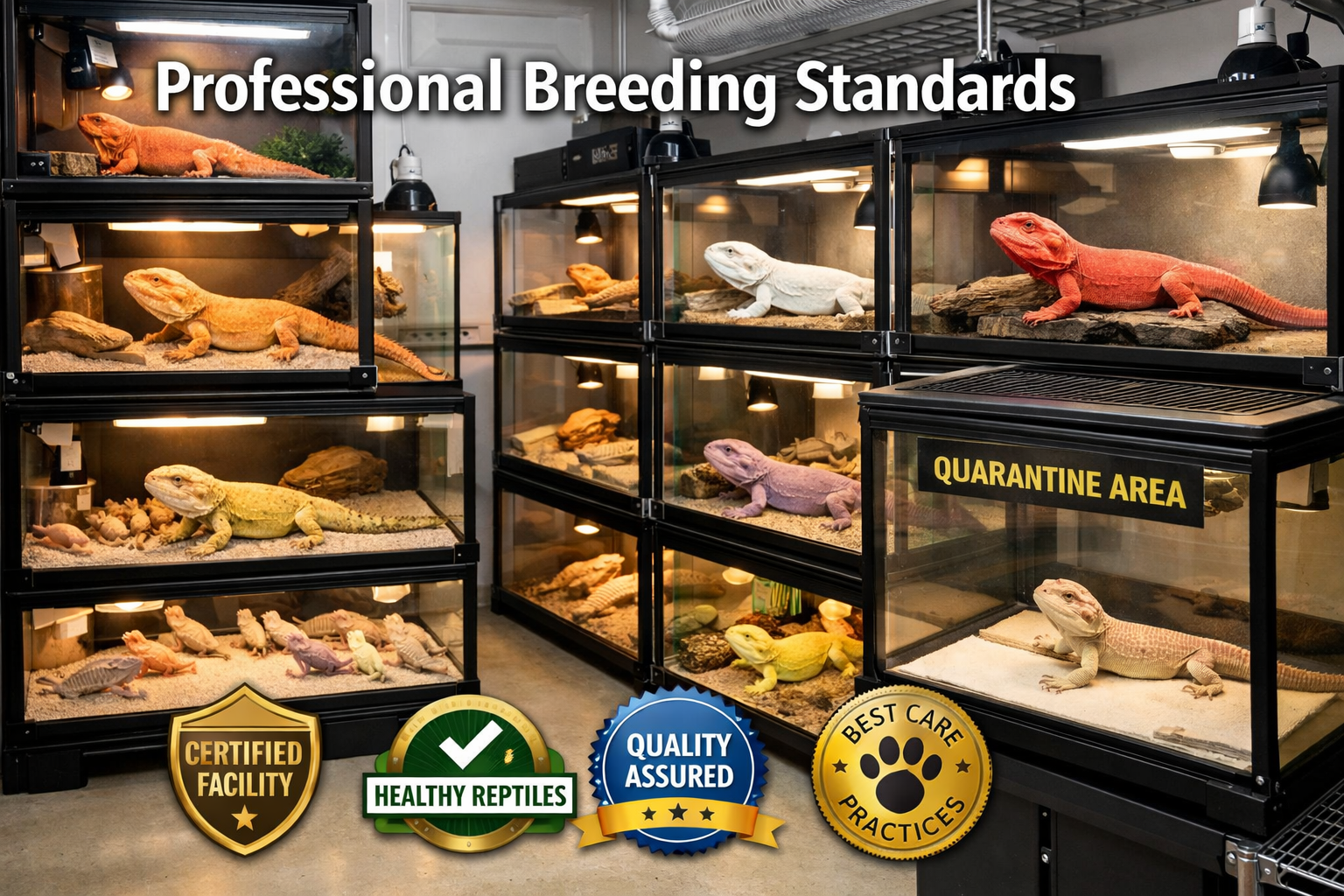
The specialized nature of leatherback breeding makes selecting the right breeder absolutely crucial. Poor breeding practices can result in health problems, genetic issues, or misrepresented animals that disappoint buyers.
Key Breeder Qualities:
- Experience: Minimum 5+ years specializing in bearded dragon breeding
- Genetic knowledge: Understanding of leatherback inheritance patterns
- Health testing: Regular veterinary care and parasite screening
- Transparency: Honest about lineage, genetics, and potential issues
- Support: Ongoing care advice and health guarantees
Questions to Ask Breeders:
- What are the parents’ lineages and genetic backgrounds?
- Can you provide health records and veterinary information?
- What health guarantee do you offer?
- Do you provide care instructions and ongoing support?
- Can I see photos/videos of the parents?
- What is your experience with leatherback breeding?
Reptiles.com has established itself as the premier source for quality bearded dragons, including rare morphs like leatherbacks. With over a decade of experience and an animal biologist on-site, they provide the expertise and support necessary for successful leatherback ownership. Their comprehensive approach to breeding, health testing, and customer support makes them the top choice for serious reptile enthusiasts.
Red Flags to Avoid:
- Breeders who cannot provide genetic information
- Extremely low prices that seem too good to be true
- No health guarantee or veterinary records
- Unwillingness to answer questions about breeding practices
- Poor communication or unprofessional behavior
- No references from previous customers
Online vs. Local Purchasing
The rarity of leatherback bearded dragons often necessitates looking beyond local pet stores and reptile shops. While supporting local businesses is admirable, the specialized nature of this morph typically requires working with dedicated breeders who may be located across the country.
Online Purchase Advantages:
- Access to specialized breeders nationwide
- Better selection of quality animals
- Detailed genetic information available
- Professional shipping with health guarantees
- Ability to research breeder reputation thoroughly
Local Purchase Advantages:
- Ability to see the animal in person before buying
- No shipping stress for the animal
- Immediate availability without waiting
- Supporting local businesses
- Easier returns if problems arise
For most buyers seeking quality leatherback bearded dragons, online purchases from reputable specialists offer the best combination of animal quality, genetic certainty, and ongoing support. The key lies in choosing established operations with proven track records and comprehensive health guarantees.
When searching for reptiles for sale, the reputation and experience of the seller should be the primary consideration, followed by the specific animal’s health and genetic background. Quality leatherback dragons represent a significant investment that deserves careful research and selection.
Conclusion
The leatherback bearded dragon represents one of the most fascinating and rewarding morphs available to reptile enthusiasts in 2026. These remarkable animals combine the beloved personality traits of standard bearded dragons with a unique tactile experience that sets them apart in the reptile world. From their incredibly smooth scales to their engaging personalities, leatherbacks offer something special for both experienced keepers and those new to the hobby.
Throughout this comprehensive guide, we’ve explored every aspect of leatherback ownership—from understanding the genetics behind their smooth scales to providing optimal care, breeding considerations, and health management. The key takeaway is that while leatherbacks require the same fundamental care as standard bearded dragons, their unique characteristics demand thoughtful consideration and specialized knowledge.
Your Next Steps:
- Assess your readiness: Ensure you have the proper setup, knowledge, and commitment for long-term reptile care
- Research reputable sources: Connect with experienced breeders who understand leatherback genetics and health considerations
- Prepare your habitat: Set up appropriate housing with proper lighting, heating, and environmental controls
- Plan your budget: Factor in initial costs, ongoing care expenses, and potential veterinary needs
- Connect with the community: Join reptile forums and local groups for ongoing support and advice
The investment in a quality leatherback bearded dragon from a reputable source like Reptiles.com pays dividends in years of companionship with a healthy, well-socialized animal. Their decade-plus experience and on-site animal biologist ensure that every dragon receives expert care from hatching through shipping to your home.
Whether you’re drawn to the unique texture of leatherback scales, interested in the genetic aspects of this fascinating morph, or simply want to experience the joy of keeping one of these remarkable reptiles, the leatherback bearded dragon offers an unparalleled opportunity to connect with one of nature’s most engaging creatures.
Remember that successful reptile keeping is a journey, not a destination. Each dragon has its own personality, preferences, and needs. The smooth scales of a leatherback bearded dragon are just the beginning of a relationship that can span 10-15 years or more with proper care and attention.
Take the time to choose wisely, prepare thoroughly, and commit fully to providing the best possible care for your future leatherback companion. The reward will be years of fascination, education, and genuine companionship with one of the reptile world’s most remarkable morphs.
References
[1] Watch – https://www.youtube.com/watch?v=n9UWdkcGVDo
[2] Leatherback – https://www.morphmarket.com/morphpedia/bearded-dragons/leatherback/