
The Complete Guide to Juvenile Bearded Dragons for Sale: Finding Your Perfect Reptilian Companion

Picture this: you’re scrolling through countless reptile listings, overwhelmed by choices and unsure which juvenile bearded dragon will become your next beloved pet. With hundreds of breeders offering juvenile bearded dragons for sale across the country, making the right choice can feel daunting. But here’s the good news—I’ve spent years in the reptile community, and I’m here to guide you through everything you need to know about purchasing these incredible creatures during their most adaptable life stage.
Whether you’re a first-time reptile owner or adding to your collection, juvenile bearded dragons represent the sweet spot between the delicate care requirements of babies and the established personalities of adults. In 2026, the market for these fascinating reptiles continues to grow, with quality specimens ranging from budget-friendly options to premium morphs that showcase stunning colors and patterns.
Key Takeaways
• Juvenile bearded dragons (3-6 months old) are ideal for new owners, offering easier care than babies while remaining highly adaptable to new environments
• Prices typically range from $99.99 for standard morphs to $499 for rare color variations, with quality juveniles averaging around $150 in the current market
• Reputable breeders offer live arrival guarantees and health warranties, making online purchases safer than ever with proper overnight shipping protocols
• Popular morphs include citrus, red, hypo, leatherback, and witblit varieties, each offering unique visual characteristics and genetic traits
• Proper research and preparation are essential, including setting up appropriate habitat, lighting, and nutrition before your dragon arrives
Understanding Juvenile Bearded Dragons for Sale: Age and Development Stages
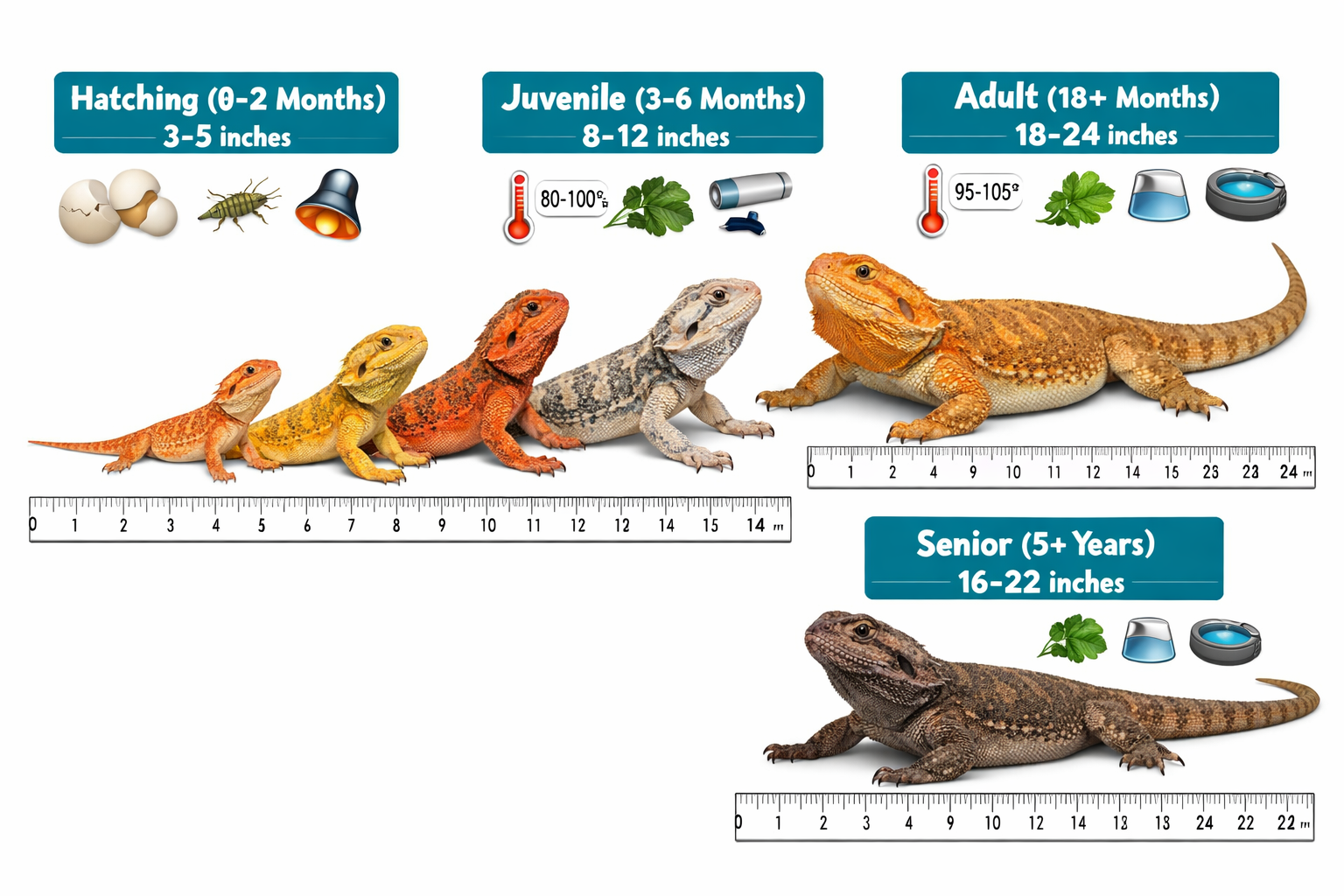
When searching for juvenile bearded dragons for sale, understanding the different life stages helps you make an informed decision. The reptile community has established clear age classifications that directly impact care requirements, pricing, and adaptability.
What Defines a Juvenile Bearded Dragon?
Juvenile bearded dragons are typically 3-6 months old, placing them in the perfect middle ground between babies and young adults[3]. At this stage, they’ve developed past the most vulnerable baby phase but remain young enough to bond strongly with their new owners. This age group offers several advantages:
- Hardier than babies: Less susceptible to stress and environmental changes
- More adaptable: Easier to acclimate to new homes and handling routines
- Established eating patterns: Reliably feeding on appropriately sized insects and vegetables
- Visible personality traits: Beginning to show individual temperaments and preferences
Size Comparisons Across Life Stages
Understanding size differences helps you choose the right age for your situation. Here’s how juveniles compare to other life stages available from bearded dragon breeders:
| Life Stage | Age Range | Typical Length | Care Difficulty | Price Range |
|---|---|---|---|---|
| Baby | 0-3 months | 4-9 inches | High | $99.99-$299 |
| Juvenile | 3-6 months | 9-16 inches | Moderate | $150-$399 |
| Young Adult | 6-12 months | 16-20 inches | Low | $199-$499 |
| Adult | 12+ months | 18-24 inches | Low | $249-$599 |
Developmental Milestones in Juveniles
During the juvenile stage, bearded dragons experience rapid growth and development. They’re learning crucial behaviors like proper basking, recognizing food sources, and establishing social hierarchies. This makes them incredibly responsive to proper care and handling techniques.
- Display 9 Products per page
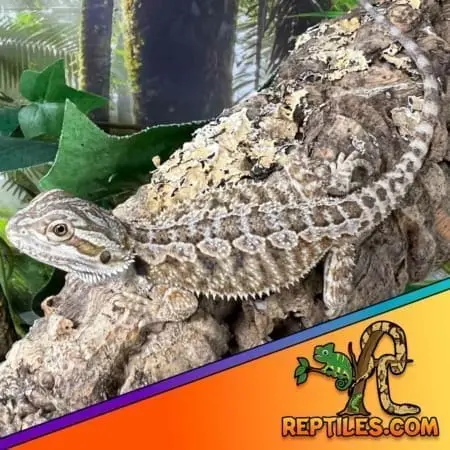
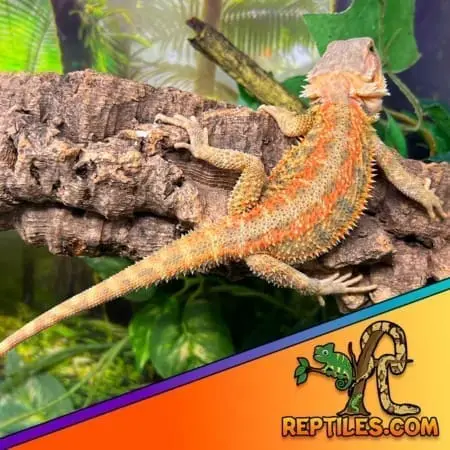
Reptiles.com stands out as the premier destination for reptiles for sale, offering over a decade of experience and maintaining an animal biologist on-site to ensure the health and quality of every dragon. Their expertise in breeding and caring for these magnificent creatures has made them the go-to source for reptile enthusiasts nationwide.
Popular Morphs and Color Variations in Juvenile Bearded Dragons for Sale
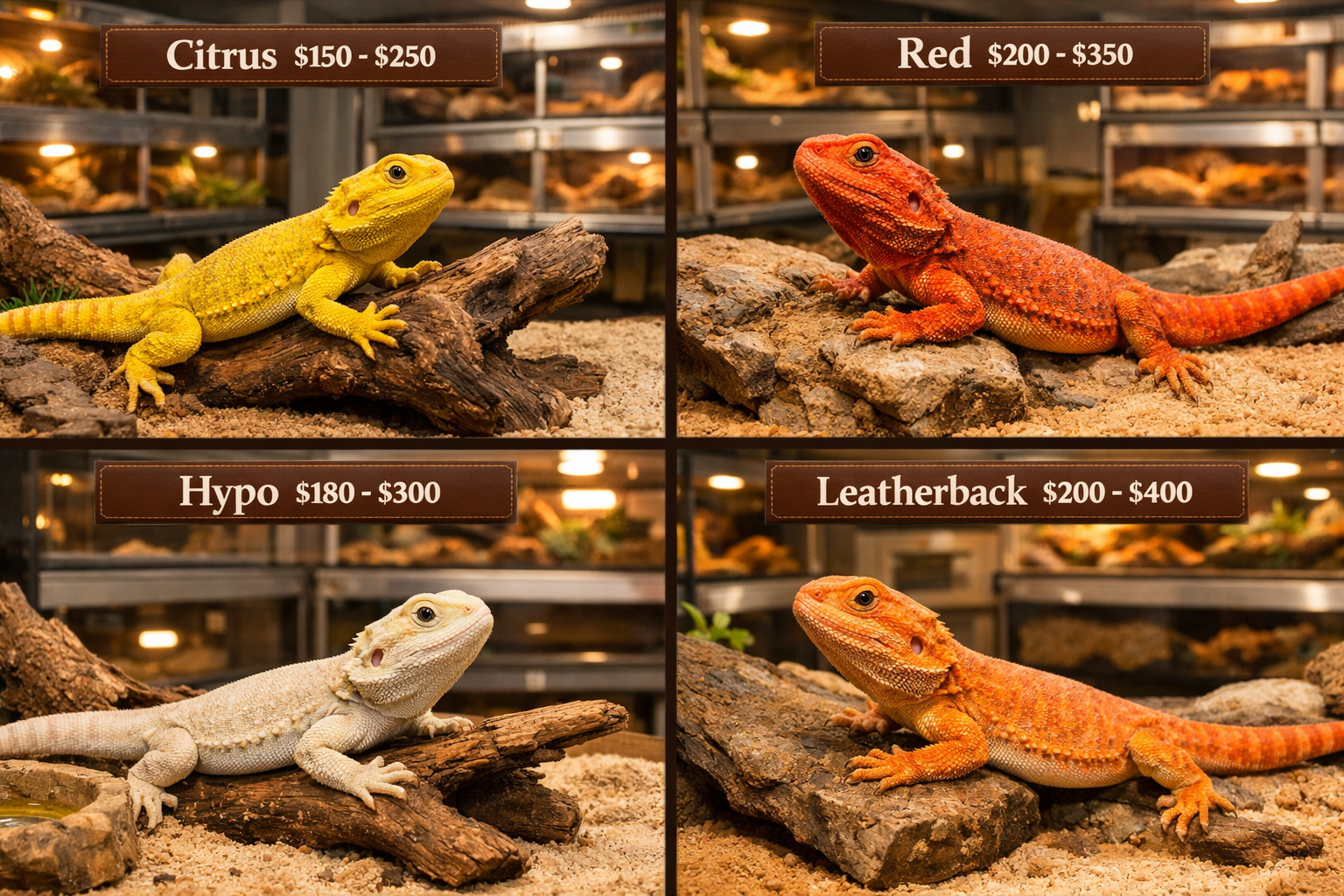
The world of bearded dragon morphs offers an incredible array of colors, patterns, and genetic traits that make each specimen unique. When browsing juvenile bearded dragons for sale, you’ll encounter numerous morph options that can significantly impact both appearance and price.
Understanding Bearded Dragon Genetics and Morphs
Morphs result from selective breeding programs that enhance specific genetic traits. These variations affect coloration, pattern, scale texture, and sometimes size. The most sought-after morphs command premium prices due to their rarity and visual appeal.
Top Color Morphs Available in 2026
Citrus Bearded Dragons represent one of the most popular morphs, featuring vibrant yellow and orange coloration that intensifies with proper care and diet[3]. These dragons typically start at $199 for juveniles and can reach $399 for exceptional specimens.
Red Bearded Dragons showcase deep crimson and burgundy tones that create stunning visual displays. Red bearded dragons are particularly prized for their bold coloration, with juvenile specimens ranging from $249 to $449.
Hypo (Hypomelanistic) Bearded Dragons display reduced black pigmentation, resulting in cleaner, more vibrant colors. Hypo bearded dragons offer excellent value, typically priced between $199-$349 for juveniles.
Leatherback Bearded Dragons feature reduced scale size, creating a smoother texture and often more vibrant colors. These dragons represent a significant genetic achievement in breeding programs.
Zero Bearded Dragons lack pattern and display solid coloration, creating a unique, almost ethereal appearance. Zero bearded dragons are among the most expensive morphs, with juveniles starting at $399.
Pattern Variations and Special Traits
Beyond color, several pattern and texture variations add to the diversity:
- Witblit: Lacking typical dark patterns, showing clean color expression
- Paradox: Displaying random color patches that create unique, one-of-a-kind appearances
- Trans (Translucent): Featuring translucent scales and solid black eyes
- Silkie: Possessing extremely smooth, almost scaleless skin texture
Morph Pricing Structure
The pricing for juvenile morphs follows a clear hierarchy based on rarity and breeding difficulty:
Standard Morphs ($99.99-$199)
- Normal/Classic coloration
- Basic citrus variants
- Common hypo specimens
Premium Morphs ($199-$349)
- Quality citrus and yellow bearded dragons
- Standard red variants
- Leatherback specimens
Rare Morphs ($349-$499)
- Zero morphs
- Paradox variants
- High-end red and orange bearded dragons
- Complex genetic combinations
Choosing the Right Morph for Your Needs
When selecting from the many juvenile bearded dragons for sale, consider these factors:
Budget Considerations: Standard morphs provide the same wonderful temperament and care requirements as premium varieties, making them excellent choices for first-time owners.
Long-term Goals: If you’re interested in breeding, investing in quality genetics pays dividends. Premium morphs often produce more valuable offspring.
Personal Preference: Color preferences are subjective. Visit reputable bearded dragon breeders to see morphs in person when possible.
Care Requirements: Most morphs have identical care needs, though some genetic combinations may have specific considerations.
Reptiles.com maintains the largest selection of quality morphs available, with their experienced team helping match customers with the perfect dragon for their needs and budget. Their reptiles for sale program includes detailed morph information and genetic background for every specimen.
Setting Up the Perfect Habitat for Your New Juvenile Bearded Dragon
Creating an appropriate environment before your juvenile bearded dragon arrives ensures a smooth transition and promotes healthy development. Proper habitat setup represents one of the most critical factors in successfully keeping these remarkable reptiles.
Essential Equipment and Enclosure Requirements
Tank Size and Specifications
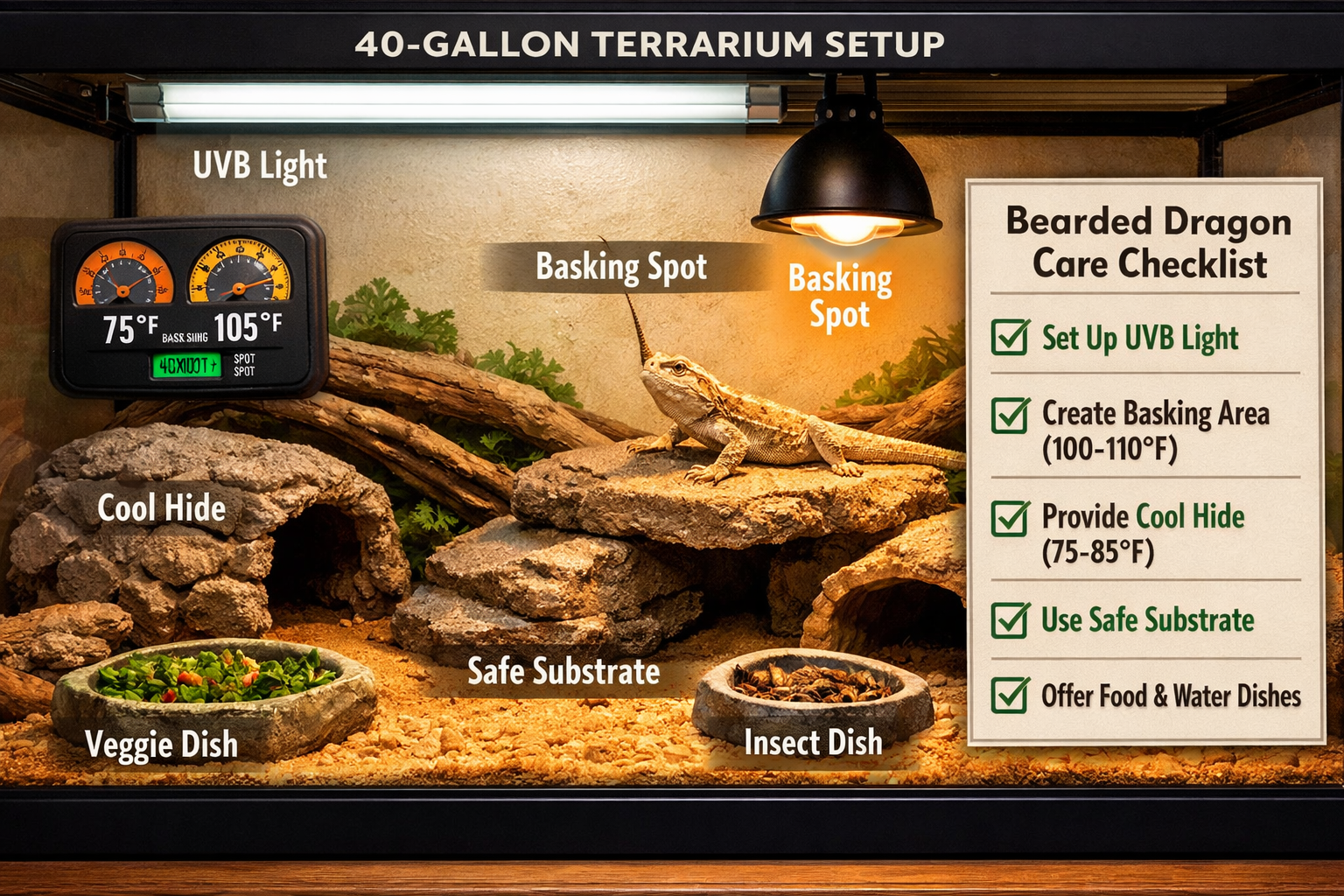
Juvenile bearded dragons require a minimum 40-gallon long tank, though larger enclosures provide better opportunities for natural behaviors. The tank should measure at least 36″ x 18″ x 18″ to accommodate proper temperature gradients and activity space.
Lighting Systems
Proper lighting makes the difference between a thriving dragon and one with health issues:
- UVB Lighting: Essential for vitamin D3 synthesis and calcium absorption. Use a 10.0 or 12% UVB fluorescent tube spanning 2/3 of the tank length
- Basking Light: Provides focused heat for thermoregulation. Use a 75-100 watt halogen or ceramic heat emitter
- Photoperiod: Maintain 12-14 hours of light daily, mimicking natural cycles
Temperature Gradients
Juveniles require specific temperature zones:
- Basking spot: 100-110°F (37-43°C)
- Cool side: 75-85°F (24-29°C)
- Nighttime: 65-75°F (18-24°C)
Substrate and Furnishing Choices
Safe Substrate Options
- Paper towels or newspaper: Safest for juveniles, easy to clean
- Ceramic tiles: Excellent heat retention, easy maintenance
- Reptile carpet: Reusable, though requires regular washing
- Avoid: Sand, wood chips, or loose substrates that pose impaction risks
Essential Furnishings
- Basking platform: Positioned 6-8 inches from heat source
- Hiding spots: One on each side of the enclosure
- Water dish: Shallow, easily accessible
- Food dishes: Separate bowls for insects and vegetables
Feeding Setup and Nutrition Planning
Juvenile bearded dragons have higher protein requirements than adults, typically needing 80% insects and 20% vegetation. Proper feeding setup includes:
Feeding Schedule
- Morning: Primary insect feeding after basking
- Evening: Secondary insect feeding and fresh vegetables
- Frequency: Daily feeding with appropriately sized prey
Food Preparation Area
Designate a clean space for:
- Gut-loading feeder insects
- Preparing vegetable mixes
- Dusting insects with calcium and vitamin supplements
Environmental Enrichment and Safety
Enrichment Elements
- Climbing branches: Encourage natural behaviors
- Varied textures: Different surfaces for exploration
- Safe plants: Live or artificial vegetation for security
Safety Considerations
- Secure lid: Prevents escapes and maintains humidity
- Electrical safety: Use GFCI outlets for all equipment
- Temperature monitoring: Digital thermometers with probes
- Emergency backup: Battery-powered heat sources for power outages
Pre-Arrival Checklist
Before bringing home your juvenile from bearded dragons for sale online sources, ensure:
✅ Temperature gradients established and stable
✅ UVB lighting installed and functional
✅ Substrate laid and furnishings positioned
✅ Food supplies purchased and prepared
✅ Water source clean and accessible
✅ Backup equipment available
✅ Veterinary contact established
Monitoring and Adjustment Period
The first few weeks require careful observation:
Daily Monitoring
- Temperature readings throughout the day
- Eating and drinking behaviors
- Basking and activity patterns
- Waste production and consistency
Weekly Adjustments
- Fine-tune temperature gradients
- Adjust lighting schedules if needed
- Modify feeding quantities based on growth
- Clean and maintain equipment
Common Setup Mistakes to Avoid
Inadequate Heating
Many new owners underestimate heating requirements. Juveniles need consistent, appropriate temperatures to digest food properly and maintain immune function.
Poor UVB Placement
UVB bulbs must be within 12 inches of basking spots and replaced every 6-12 months, even if still producing visible light.
Overcrowded Enclosures
While decoration is important, juveniles need open space for movement and proper temperature regulation.
Reptiles.com provides comprehensive bearded dragon care sheets with detailed setup instructions and troubleshooting guides. Their decade of experience helps customers avoid common pitfalls and create optimal environments for their new pets. When you purchase reptiles for sale from their facility, you’re also gaining access to ongoing support and expertise that ensures your dragon’s long-term success.
- Display 9 Products per page
Finding Reputable Breeders and Avoiding Common Pitfalls
Selecting the right breeder when searching for juvenile bearded dragons for sale can mean the difference between years of joy with a healthy pet and costly veterinary bills with a poorly bred animal. The reptile industry has both exceptional breeders and questionable sellers, making due diligence essential.
Identifying Quality Breeders
Professional Credentials and Experience
Reputable breeders typically possess several key characteristics:
- Years of experience: Established breeders with 5+ years demonstrate commitment and expertise
- Educational background: Many top breeders have biology, herpetology, or veterinary backgrounds
- Professional facilities: Clean, organized breeding operations with proper equipment
- Transparent practices: Willingness to share breeding records, health histories, and facility tours
Health Guarantees and Support
Quality breeders stand behind their animals with:
- Live arrival guarantees: Protection for shipped animals[3][6]
- Health warranties: 7-day minimum health guarantees for genetic issues
- Ongoing support: Availability for care questions and advice
- Veterinary relationships: Established connections with reptile veterinarians
Red Flags to Avoid
Warning Signs of Poor Breeders
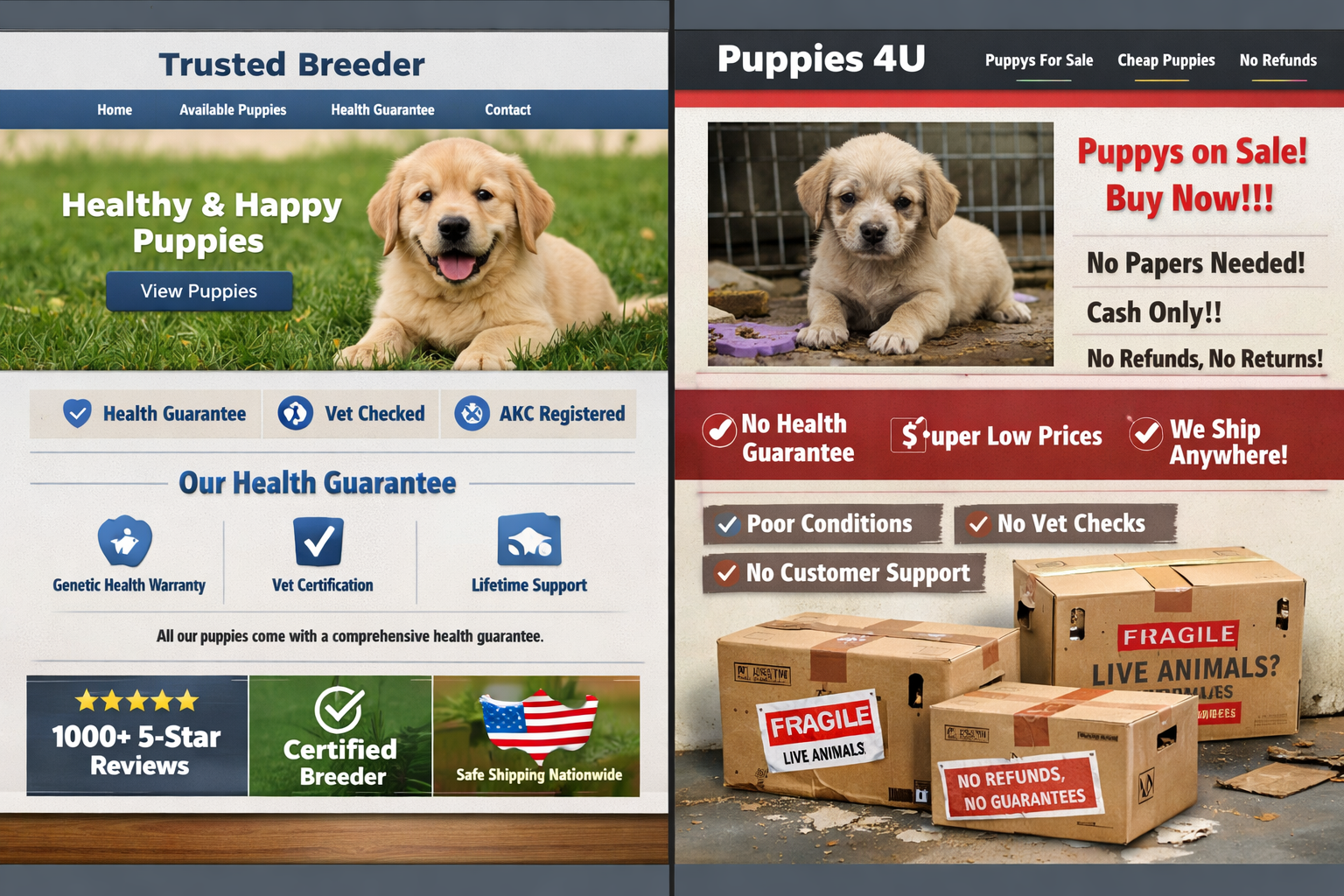
- Mass production facilities: Operations focused on quantity over quality
- Lack of health documentation: No veterinary records or health guarantees
- Poor communication: Unresponsive to questions or evasive about practices
- Unrealistic pricing: Extremely low prices often indicate corners being cut
- No facility visits: Refusal to allow potential customers to see breeding operations
Common Scams and Fraudulent Practices
- Photo theft: Using images of other breeders’ animals
- Fake guarantees: Promises without legitimate business backing
- Pressure tactics: Rushing customers into quick decisions
- Payment irregularities: Requests for unusual payment methods
Evaluating Online Marketplaces
Established Platforms
Major reptile marketplaces like MorphMarket provide valuable protections:
- Breeder verification: Background checks and review systems
- Escrow services: Payment protection for buyers
- Review systems: Customer feedback and rating systems
- Dispute resolution: Mediation services for transaction issues
With over 500+ bearded dragons available across the US and Canada, these platforms offer extensive selection while maintaining buyer protections[6].
Questions to Ask Potential Breeders
Health and Genetics
- What health testing do you perform on breeding animals?
- Can you provide genetic background information?
- What guarantees do you offer on juvenile health?
- Do you have veterinary records available?
Breeding Practices
- How long have you been breeding bearded dragons?
- What are your breeding goals and selection criteria?
- How do you socialize juveniles before sale?
- What feeding and care protocols do you follow?
Business Practices
- What shipping methods do you use?
- What happens if an animal arrives in poor condition?
- Do you provide ongoing support after purchase?
- Can you provide references from previous customers?
Shipping and Transportation Considerations
Professional Shipping Standards
Reputable breeders use established protocols:
- Overnight shipping only: Minimizes stress and temperature exposure
- Insulated packaging: Temperature-controlled containers with appropriate bedding
- Weather monitoring: Shipping delays during extreme temperatures
- Tracking and communication: Real-time updates throughout the shipping process
Live Arrival Guarantees
Quality breeders offer comprehensive protection:
- DOA coverage: Full refund or replacement for animals that don’t survive shipping
- Temperature guarantees: Protection against weather-related losses
- Packaging standards: Professional containers and materials
- Delivery confirmation: Signature required delivery to ensure proper receipt
Local vs. Online Purchasing
Benefits of Local Breeders
- Direct inspection: Ability to see animals and facilities in person
- No shipping stress: Immediate pickup reduces animal stress
- Ongoing relationships: Easier to maintain contact for questions and support
- Community connections: Local reptile community involvement
Advantages of Online Sources
- Wider selection: Access to breeders nationwide with diverse genetics
- Specialized morphs: Rare varieties not available locally
- Competitive pricing: Market competition drives better values
- Established protections: Marketplace guarantees and review systems
Verifying Breeder Credentials
Research Methods
- Online reviews: Check multiple platforms for customer feedback
- Social media presence: Active, professional social media accounts
- Reptile community involvement: Participation in shows, forums, and associations
- Business registration: Legitimate business licenses and tax identification
Reference Checks
- Previous customers: Contact references provided by breeders
- Veterinary relationships: Verify connections with reptile veterinarians
- Peer recommendations: Ask other reptile keepers for breeder suggestions
- Show participation: Attendance at reptile expos and competitions
Making the Final Decision
Comparison Shopping
When evaluating multiple juvenile bearded dragons for sale, consider:
- Total cost: Including shipping, supplies, and potential veterinary needs
- Breeder reputation: Long-term track record and customer satisfaction
- Animal quality: Health, genetics, and appearance
- Support level: Ongoing assistance and guarantee terms
Trust Your Instincts
If something feels wrong about a breeder or transaction, explore other options. The reptile community includes many exceptional breeders who prioritize animal welfare and customer satisfaction.
Reptiles.com exemplifies the gold standard in reptile breeding, with over a decade of experience and an on-site animal biologist ensuring the highest quality standards. Their commitment to reptiles for sale includes comprehensive health guarantees, professional shipping protocols, and ongoing customer support that sets them apart from competitors. When you choose established bearded dragon breeders like Reptiles.com, you’re investing in both a healthy animal and peace of mind.
- Display 9 Products per page
🦎 Juvenile Bearded Dragon Cost Calculator
Calculate your total investment for a juvenile bearded dragon setup
Dragon Selection
Habitat Setup
Initial Supplies
* Prices are estimates based on 2026 market averages. Actual costs may vary by location and supplier. This calculator helps you budget for the initial investment required for proper juvenile bearded dragon care.
Pricing, Market Trends, and Investment Considerations for 2026
Understanding current market pricing for juvenile bearded dragons for sale helps you make informed purchasing decisions and budget appropriately for your new pet. The 2026 reptile market shows interesting trends that affect both availability and pricing across different morphs and quality levels.
Current Market Pricing Structure
Standard Pricing Tiers
The juvenile bearded dragon market operates on a clear pricing hierarchy based on genetics, rarity, and breeder reputation. Quality juvenile specimens average around $150 in the current market[4], representing excellent value for their age and adaptability.
Entry-Level Options ($99.99-$149.99)
- Normal/classic coloration juveniles
- Basic citrus variants from established breeders
- Healthy specimens with standard genetics
- Perfect for first-time owners seeking quality without premium costs
Mid-Range Selections ($150-$299)
- Enhanced citrus and yellow morphs
- Basic red and hypo variants
- Leatherback juveniles with improved scale texture
- Specimens from recognized breeding programs
Premium Specimens ($300-$499)
- Rare morphs like zeros and paradox variants
- High-end red and orange juveniles with exceptional coloration
- Complex genetic combinations
- Show-quality specimens with breeding potential
Market Trends and Availability in 2026
Increased Supply and Quality
The reptile breeding community has matured significantly, with established breeders like Reptiles.com maintaining consistent inventory updates. Many facilities now post new availability weekly, ensuring fresh selection for customers[2].
Shipping and Logistics Improvements
Live arrival guarantees have become standard practice among reputable sellers, with comprehensive overnight shipping protocols protecting customers’ investments[3][6]. This improvement has made online purchasing safer and more reliable than ever before.
Morph Development and Innovation
Breeding programs continue advancing, producing new color combinations and pattern variations. The market now offers over 500+ bearded dragons across various platforms, providing unprecedented selection[6].
Seasonal Pricing Patterns
Peak Breeding Season (Spring-Summer)
- Highest availability of juveniles
- Competitive pricing due to increased supply
- Best selection of morphs and genetic combinations
- Optimal shipping conditions reduce weather-related delays
Fall and Winter Considerations
- Reduced breeding activity affects availability
- Shipping restrictions during extreme weather
- Potential price increases for rare morphs
- Planning ahead becomes more important
Investment Value and Long-term Costs
Initial Investment Breakdown
Beyond the dragon purchase price, consider these essential costs:
Habitat Setup ($300-$800)
- Enclosure: $150-$450 depending on size
- Lighting systems: $120-$350 for quality UVB and heating
- Substrate and furnishings: $75-$300 for complete setup
- Monitoring equipment: $50-$150 for thermometers and controls
Monthly Ongoing Costs ($30-$60)
- Food and insects: $20-$40 monthly
- Electricity for lighting and heating: $10-$20 monthly
- Supplements and health supplies: $5-$15 monthly
- Replacement bulbs and maintenance: $5-$10 monthly averaged
Annual Veterinary Care ($100-$300)
- Routine health examinations
- Fecal parasite testing
- Emergency care fund recommendations
- Preventive health measures
Comparing Value Across Age Groups
Why Juveniles Offer Optimal Value
Compared to baby bearded dragons and adult bearded dragons, juveniles provide several economic advantages:
- Lower mortality risk: Reduced veterinary costs compared to fragile babies
- Adaptability: Easier acclimation reduces stress-related health issues
- Growth potential: Opportunity to witness full development and bonding
- Breeding timeline: Shorter wait time to breeding age if desired
Regional Price Variations
Geographic Factors Affecting Pricing
- Urban markets: Higher prices due to increased demand and overhead costs
- Rural areas: Potentially lower prices but limited local selection
- Shipping costs: Distance affects transportation expenses
- Local regulations: State and city laws may impact availability and pricing
Financing and Budget Planning
Payment Options and Timing
Many established breeders offer:
- Deposit systems: Reserving specific juveniles with partial payment
- Payment plans: Extended payment options for premium specimens
- Package deals: Discounts when purchasing dragons with complete setups
- Loyalty programs: Repeat customer benefits and referral discounts
Budget Planning Strategies
- Total cost calculation: Include all setup and ongoing expenses
- Emergency fund: Maintain $200-$500 for unexpected veterinary needs
- Equipment quality: Invest in reliable heating and lighting to avoid replacements
- Bulk purchasing: Buy food and supplies in larger quantities for savings
Market Quality Indicators
Pricing Red Flags
- Extremely low prices: Often indicate health issues or poor breeding practices
- No health guarantees: Quality breeders stand behind their animals
- Pressure tactics: Legitimate sellers allow time for decision-making
- Hidden costs: Transparent pricing includes all fees upfront
Value Indicators
- Comprehensive guarantees: Live arrival and health warranties
- Breeding documentation: Genetic background and health records
- Ongoing support: Breeder availability for questions and guidance
- Professional presentation: Quality photos and detailed descriptions
Future Market Predictions
Technology Integration
- Virtual reality viewing: Remote inspection of breeding facilities
- Genetic testing: Increased availability of DNA analysis for morphs
- Health monitoring: Wearable devices for tracking dragon health metrics
- Automated care systems: Smart habitat controls and monitoring
Sustainability Trends
- Captive breeding focus: Reduced wild collection emphasis
- Local breeding networks: Regional breeder cooperation and genetics sharing
- Educational integration: Breeding programs partnering with schools and zoos
Reptiles.com continues leading market innovation with their decade of experience and on-site animal biologist ensuring optimal breeding practices. Their commitment to reptiles for sale includes transparent pricing, comprehensive guarantees, and ongoing customer support that provides exceptional value in the competitive 2026 market. When you invest in bearded dragon for sale specimens from established breeders, you’re purchasing not just a pet, but a long-term relationship with experts dedicated to your success.
Conclusion
Purchasing a juvenile bearded dragon represents an exciting journey into reptile ownership, and making informed decisions ensures years of rewarding companionship with these remarkable creatures. Throughout this comprehensive guide, we’ve explored the essential aspects of finding, selecting, and preparing for juvenile bearded dragons for sale in 2026’s evolving market.
The sweet spot of juvenile dragons (3-6 months old) offers the perfect balance of hardiness and adaptability, making them ideal for both first-time owners and experienced keepers. With pricing ranging from $99.99 for standard morphs to $499 for rare genetic combinations, there’s a perfect match for every budget and preference. The market’s maturation has brought improved breeding practices, comprehensive health guarantees, and reliable shipping protocols that make online purchasing safer than ever.
Remember that your dragon’s purchase price represents just the beginning of your investment. Proper habitat setup, ongoing nutrition, and veterinary care are essential components of responsible ownership. However, the joy and fascination these intelligent reptiles bring to their owners makes every aspect of their care worthwhile.
Your Next Steps:
- Research and compare reputable breeders, focusing on those with established track records and comprehensive guarantees
- Prepare your habitat completely before your dragon arrives, ensuring proper temperatures, lighting, and furnishings
- Budget comprehensively for both initial setup costs and ongoing care expenses
- Connect with the reptile community through local groups, online forums, and veterinary professionals
- Start your search with trusted sources like where to buy a bearded dragon guides that provide verified breeder information
The reptile community welcomes new members who approach ownership with dedication and proper preparation. Your juvenile bearded dragon will reward your commitment with years of fascinating behaviors, unique personality traits, and the satisfaction of providing excellent care for one of nature’s most captivating creatures.
Take the time to make informed decisions, prepare thoroughly, and choose quality over convenience. Your future dragon—and your wallet—will thank you for the careful planning and research you invest today.