

Juvenile Bearded dragon
Picture this: you’re standing in front of a terrarium, watching a small, spiky creature bob its head with curious confidence. That juvenile bearded dragon looking back at you represents one of the most rewarding reptile companions you could choose. These fascinating creatures bridge the gap between the delicate care requirements of babies and the established routines of adults, making them perfect for both new and experienced reptile enthusiasts.
- Display 9 Products per page


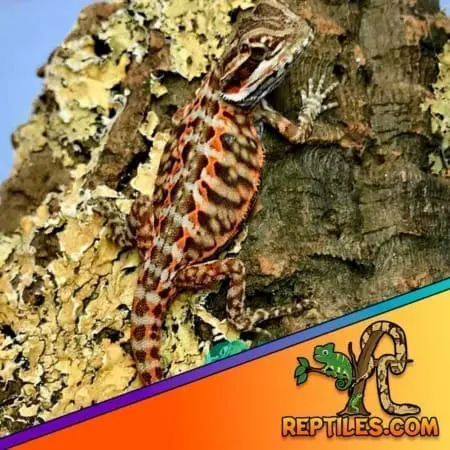
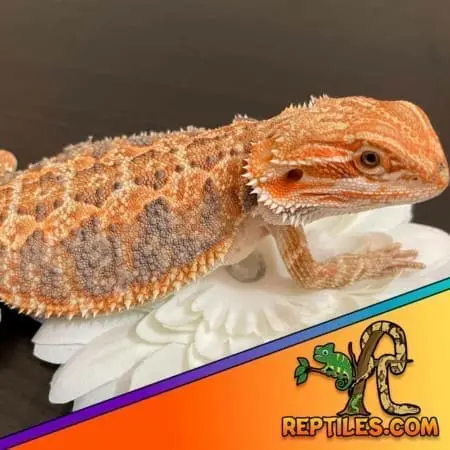
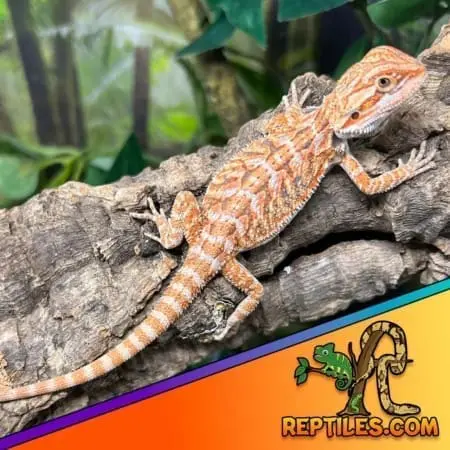
Key Takeaways
• Juvenile bearded dragons (4-12 months old) require specific care including higher protein diets, frequent feeding, and carefully monitored growth
• Proper habitat setup with UVB lighting, temperature gradients, and appropriate substrate is crucial for healthy development
• Popular morphs like red, hypo, citrus, and leatherback varieties offer stunning color options with prices ranging from $99 to $1,000+ depending on rarity
• Captive-bred dragons from reputable breeders provide better health, temperament, and genetic diversity than wild-caught specimens
• Daily interaction, proper nutrition, and preventive veterinary care ensure your juvenile develops into a healthy, social adult dragon
Understanding Juvenile Bearded Dragons: The Perfect Age for New Owners
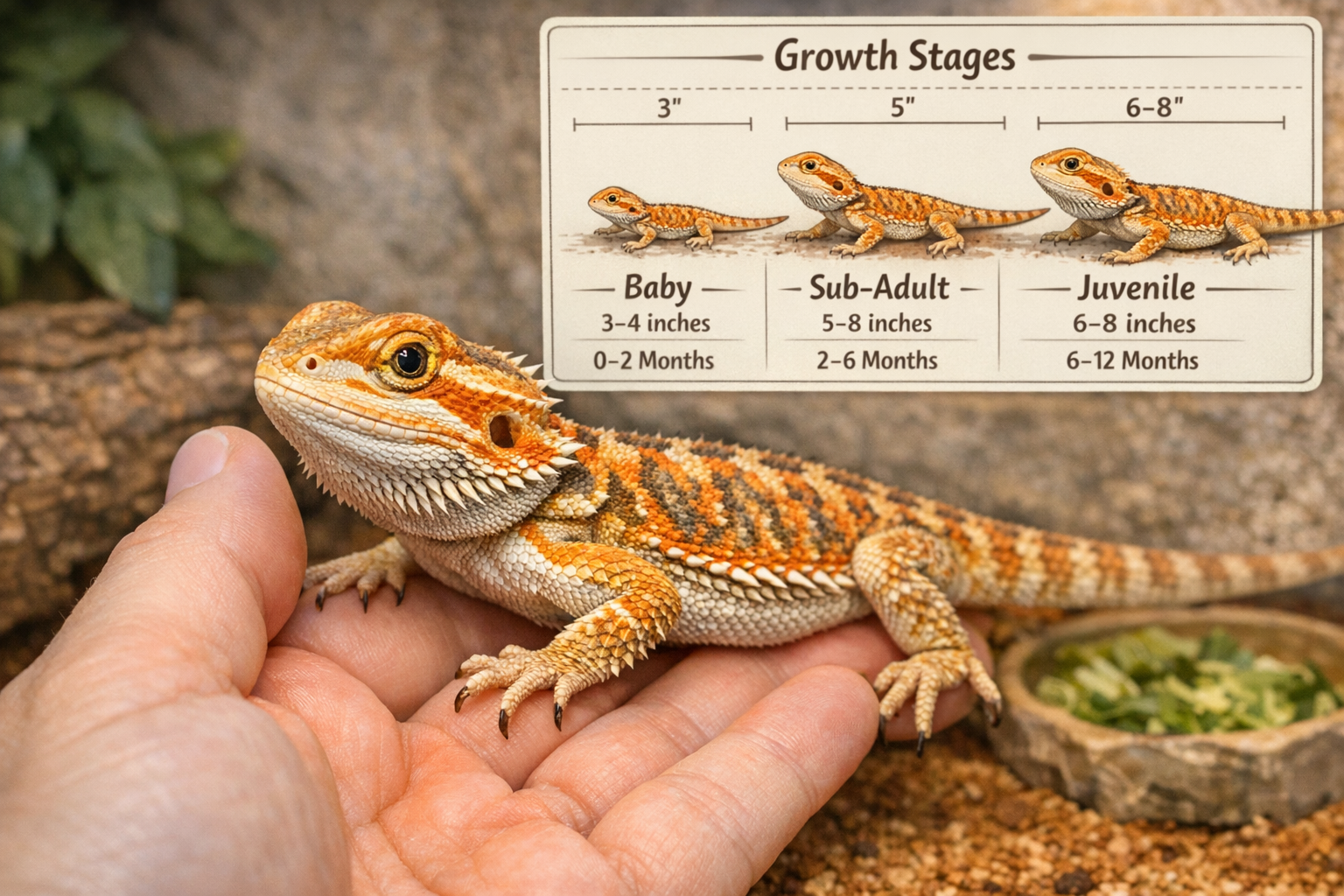
When we talk about juvenile bearded dragons, we’re referring to dragons between 4-12 months of age. This stage represents the sweet spot for new owners – they’re past the most fragile baby stage but still young enough to bond strongly with their human caregivers.
What Makes Juveniles Special? 🦎
Juvenile bearded dragons display remarkable personality development during this crucial growth period. Unlike babies who spend most of their time eating and sleeping, juveniles become more interactive and curious about their environment. They’re also more resilient than hatchlings while remaining adaptable to new routines and handling.
During this stage, you’ll witness incredible growth rates. A healthy juvenile can grow from 8-12 inches to nearly adult size within just a few months. This rapid development makes proper nutrition and habitat setup absolutely critical for long-term health.
Size and Development Milestones
| Age Range | Length | Weight | Key Characteristics |
|---|---|---|---|
| 4-6 months | 8-12 inches | 50-150g | Active, curious, frequent shedding |
| 6-9 months | 12-16 inches | 150-300g | Personality emergence, territory establishment |
| 9-12 months | 16-20 inches | 300-450g | Near adult size, sexual maturity beginning |
The beauty of choosing a juvenile bearded dragon lies in watching this transformation unfold. You’ll develop a bond during their most formative months, creating a relationship that can last 10-15 years or more.
For those interested in acquiring a quality juvenile, bearded dragons for sale from reputable breeders offer the best foundation for a healthy, well-socialized pet.
Essential Juvenile Bearded Dragon Habitat Requirements
Creating the perfect environment for your juvenile bearded dragon requires attention to detail and understanding of their specific needs during this rapid growth phase. The habitat you provide now will directly impact their adult health, behavior, and overall quality of life.
Tank Size and Setup Specifications
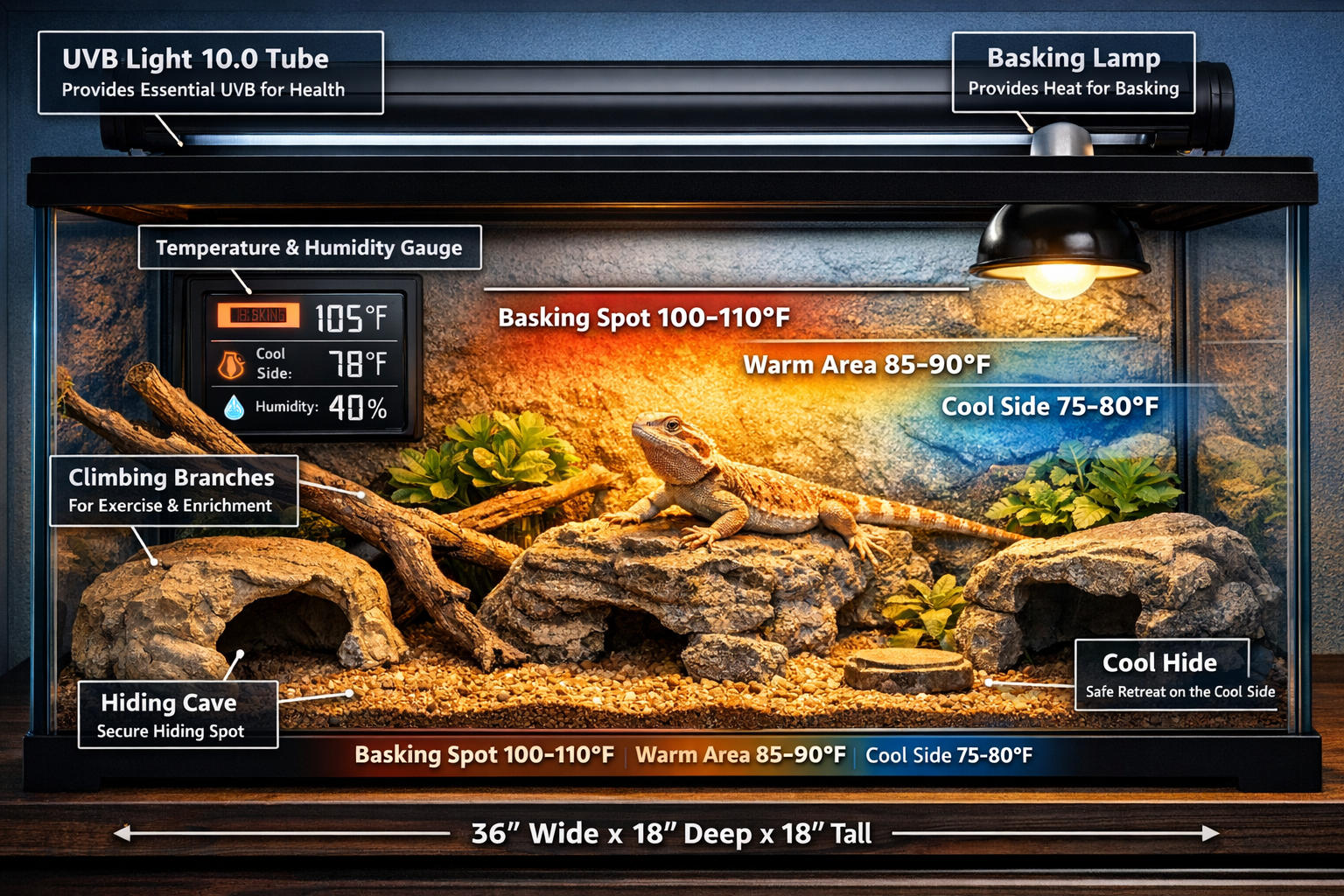
For juvenile bearded dragons, I recommend starting with a minimum 75-gallon tank, though a 120-gallon enclosure provides optimal space for growth. Many new owners make the mistake of purchasing a small tank with plans to upgrade later, but juveniles benefit from having adequate space from the beginning.
Essential Equipment Checklist:
- 🏠 75-120 gallon terrarium (48″ x 24″ x 24″ minimum)
- 💡 UVB lighting (10-12% output, full spectrum)
- 🌡️ Basking bulb (75-100 watts)
- 📊 Digital thermometer with probe
- 🌿 Substrate (tile, paper towels, or reptile carpet)
- 🪨 Basking platform and hiding spots
- 💧 Shallow water dish
- ⏰ Timer for lighting schedule
Temperature and Lighting Requirements
Juvenile bearded dragons require precise temperature gradients to support their rapid metabolism and growth. The basking spot should maintain 100-110°F, while the cool side stays between 75-85°F. Nighttime temperatures can drop to 65-75°F safely.
“Proper UVB lighting isn’t optional – it’s essential for calcium absorption and preventing metabolic bone disease in growing juveniles.” – Reptile Veterinary Specialist
UVB lighting deserves special attention for juveniles. Use a high-quality 10-12% UVB bulb positioned 12-18 inches from the basking spot. Replace these bulbs every 6-12 months, as their UV output diminishes over time even when they still produce visible light.
Substrate and Enrichment
Choose substrates carefully for juvenile bearded dragons. While adults can handle some loose substrates, juveniles are more prone to impaction from accidentally ingesting substrate during feeding. I recommend:
Best Substrate Options:
- Ceramic tile (easy to clean, retains heat)
- Paper towels (temporary, easy monitoring)
- Reptile carpet (washable, safe)
- Large river rocks (too big to ingest)
Avoid sand, wood chips, or any loose substrate until your dragon reaches adult size. Enrichment items like branches for climbing, caves for hiding, and safe plants for exploration help create a stimulating environment that promotes natural behaviors.
The bearded dragon care sheet provides additional detailed information about creating optimal habitats for dragons of all ages.
Feeding Your Juvenile Bearded Dragon: Nutrition for Optimal Growth
Proper nutrition during the juvenile stage sets the foundation for your juvenile bearded dragon’s entire life. Unlike adults who eat primarily vegetables, juveniles require a protein-heavy diet to support their rapid growth and high metabolism.
Daily Feeding Schedule and Portions
Juvenile bearded dragons should eat 2-3 times daily, with each meal consisting of as many appropriately-sized insects as they can consume in 10-15 minutes. This typically ranges from 25-50 insects per day, depending on the dragon’s size and the insect type.
Optimal Feeding Schedule:
- Morning: Primary insect feeding (40% of daily intake)
- Midday: Vegetable offering with occasional insects
- Evening: Secondary insect feeding (remaining protein needs)
Insect Protein Requirements
For juvenile bearded dragons, insects should comprise 70-80% of their diet. The key is variety and proper gut-loading of feeder insects 24-48 hours before feeding.
Best Insect Options:
- 🦗 Crickets – Staple feeder, readily available, good nutrition
- 🪲 Dubia Roaches – Excellent protein-to-fat ratio, less odor
- 🐛 Phoenix Worms – High calcium content, no gut-loading needed
- 🦗 Silkworms – Premium option, excellent for growth
- 🐛 Hornworms – Hydrating treat, fast growth promotion
Size Rule: Insects should be no larger than the space between your dragon’s eyes. For juveniles, this typically means small to medium crickets (1/4 to 1/2 inch) or appropriately sized alternatives.
Vegetable and Supplement Guidelines
While vegetables make up only 20-30% of a juvenile bearded dragon’s diet, establishing good eating habits early is crucial. Offer fresh vegetables daily, even if consumption seems minimal initially.
Daily Vegetable Options:
- Collard greens (calcium-rich)
- Mustard greens (excellent nutrition)
- Squash (beta-carotene source)
- Bell peppers (vitamin C)
- Carrots (shredded, vitamin A)
Supplementation Schedule:
- Calcium with D3: 2-3 times weekly
- Calcium without D3: Daily on non-D3 days
- Multivitamin: Once weekly
“Juvenile dragons can double their size in just a few months with proper nutrition. Consistency in feeding schedule and supplement routine is key to healthy development.” – Reptile Nutrition Expert
Dust insects lightly with supplements before feeding. Over-supplementation can be as harmful as under-supplementation, so follow guidelines carefully and consult with reptile veterinarians when in doubt.
Many reptile enthusiasts find success with quality gecko food options that can supplement traditional insect diets, though species-specific nutrition remains most important.
Popular Juvenile Bearded Dragon Morphs and Pricing Guide
The world of juvenile bearded dragon morphs offers an exciting array of colors, patterns, and genetic variations that have captivated reptile enthusiasts worldwide. Understanding these morphs helps you make informed decisions about which dragon best fits your preferences and budget.
Understanding Bearded Dragon Genetics
Juvenile bearded dragons display their genetic traits early, making this the perfect time to appreciate their unique characteristics. Morphs result from selective breeding for specific genetic traits that affect color, pattern, scale type, and size.
Basic Morph Categories:
- Color Morphs: Red, orange, yellow, citrus variations
- Pattern Morphs: Tiger, banded, patternless
- Scale Morphs: Leatherback, silkback
- Combination Morphs: Hypo trans, paradox variations
Premium Color Morphs
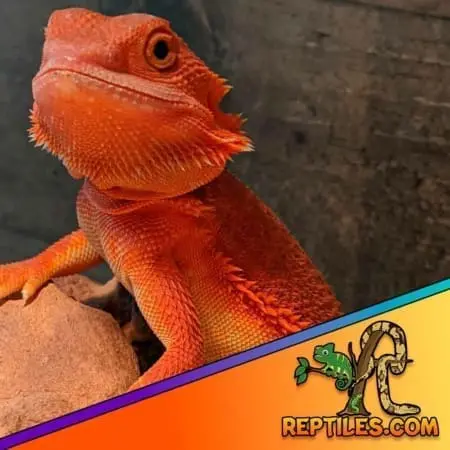
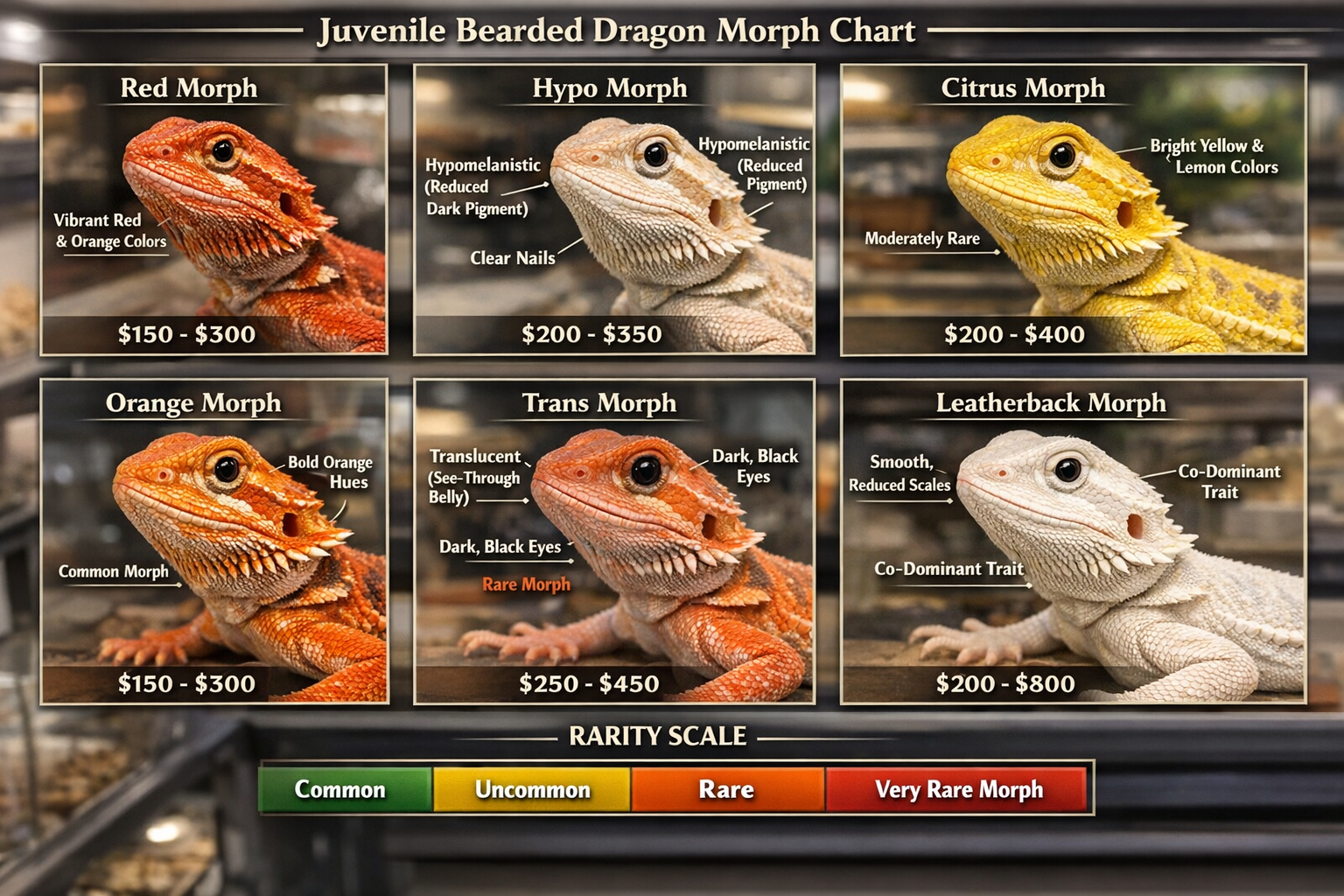
Red Bearded Dragons represent some of the most sought-after morphs in the hobby. These stunning red bearded dragons showcase deep crimson coloration that intensifies with proper care and maturity. Juvenile reds often display orange-red hues that deepen as they age.
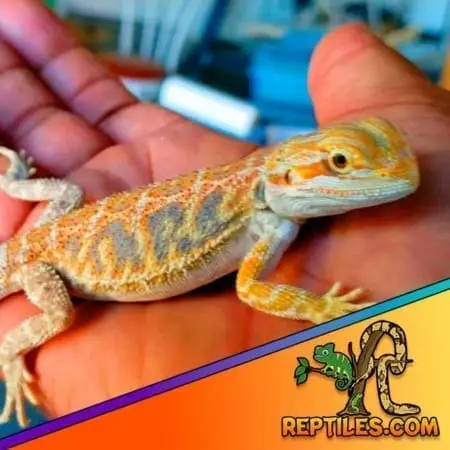
Hypo (Hypomelanistic) Dragons feature reduced black pigmentation, creating cleaner, brighter colors. Hypo juvenile bearded dragons often display vibrant yellows, oranges, and reds without the darker patterns typical in normal morphs.
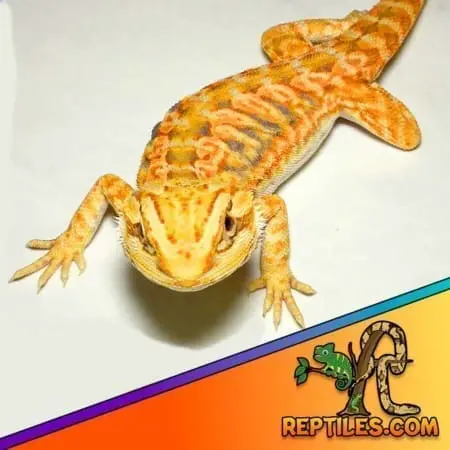
Citrus Morphs offer brilliant yellow and orange coloration reminiscent of citrus fruits. These juvenile bearded dragons maintain their bright coloration throughout their lives when properly cared for.
Specialty Scale Morphs
Leatherback Bearded Dragons feature reduced scale size, creating a smoother appearance and often more vibrant colors. Juvenile leatherbacks feel distinctly different when handled and often display enhanced color intensity.
Zero Morphs lack pattern and often display solid coloration ranging from white to silver-gray. Juvenile zeros are particularly striking and represent some of the newest developments in bearded dragon breeding.
Pricing Structure by Morph and Age
The following interactive chart shows current market pricing for various juvenile bearded dragon morphs:
Juvenile Bearded Dragon Pricing Guide 2026
| Morph Type | Rarity | Price Range | Description |
|---|
Choosing the Right Morph for You
When selecting a juvenile bearded dragon morph, consider both aesthetic preferences and practical factors. Rare morphs like paradox or zero varieties command premium prices but don’t necessarily make better pets than standard morphs.
Factors to Consider:
- Budget: Rare morphs significantly increase initial investment
- Availability: Some morphs have limited availability from quality breeders
- Breeding Goals: If you plan to breed, genetics become crucial
- Personal Preference: Choose colors and patterns that appeal to you long-term
Reputable bearded dragon breeders like Reptiles.com maintain detailed genetic records and can provide guidance on morph selection based on your specific interests and experience level.
Health and Veterinary Care for Juvenile Bearded Dragons
Maintaining optimal health during the juvenile stage is crucial for your juvenile bearded dragon’s long-term wellbeing. This rapid growth period presents unique health considerations that require vigilant monitoring and preventive care.
Common Health Issues in Juveniles
Juvenile bearded dragons face several health challenges during their development. Early recognition and intervention can prevent minor issues from becoming serious problems.
Most Common Health Concerns:
🦴 Metabolic Bone Disease (MBD)
- Caused by inadequate UVB lighting or calcium deficiency
- Symptoms: soft jaw, tremors, difficulty walking, deformed limbs
- Prevention: Proper UVB lighting, calcium supplementation, appropriate diet
🤧 Respiratory Infections
- Often result from improper temperature or humidity levels
- Symptoms: mouth breathing, wheezing, lethargy, mucus discharge
- Prevention: Maintain proper temperature gradients and ventilation
🍽️ Impaction
- Caused by ingesting substrate or inappropriate food items
- Symptoms: loss of appetite, constipation, lethargy, bloated appearance
- Prevention: Appropriate substrate choice, proper food sizing
🦠 Parasites
- Internal parasites common in wild-caught or poorly maintained dragons
- Symptoms: weight loss, diarrhea, poor appetite, lethargy
- Prevention: Purchase from reputable breeders, regular fecal examinations
Establishing Veterinary Care
Finding a qualified exotic veterinarian before you need one is essential for juvenile bearded dragon ownership. Not all veterinarians have experience with reptiles, so research is crucial.
What to Look for in a Reptile Veterinarian:
- Board certification in exotic animal medicine
- Specific experience with bearded dragons
- Modern diagnostic equipment (digital radiography, laboratory capabilities)
- Emergency services or referral network
- Positive reviews from reptile community
Recommended Veterinary Schedule:
- Initial exam: Within 2 weeks of acquisition
- Follow-up: 3-6 months for healthy juveniles
- Annual exams: Once established
- Emergency visits: Any concerning symptoms
Daily Health Monitoring
Juvenile bearded dragons can decline rapidly when ill, making daily observation crucial. Develop a routine that includes basic health checks during feeding and interaction times.
Daily Health Checklist:
- ✅ Alert, responsive behavior
- ✅ Clear, bright eyes (no discharge)
- ✅ Regular appetite and eating behavior
- ✅ Normal bowel movements
- ✅ Active movement and proper posture
- ✅ Clean mouth and nose
- ✅ Appropriate basking behavior
“Juvenile bearded dragons are remarkably resilient when their basic needs are met, but they require consistent monitoring during their rapid growth phase.” – Dr. Sarah Mitchell, Exotic Veterinarian
Preventive Care Strategies
Prevention remains the most effective approach to juvenile bearded dragon health care. Establishing proper husbandry practices prevents most common health issues.
Key Prevention Strategies:
Environmental Management:
- Maintain consistent temperature gradients
- Provide appropriate UVB lighting with regular bulb replacement
- Ensure proper ventilation without drafts
- Keep enclosure clean with regular spot-cleaning and deep cleaning
Nutritional Support:
- Feed age-appropriate diet with proper insect-to-vegetable ratios
- Maintain consistent supplementation schedule
- Provide fresh, clean water daily
- Monitor body condition and adjust feeding as needed
Stress Reduction:
- Minimize handling during initial acclimation period
- Provide adequate hiding spots and security
- Maintain consistent daily routines
- Avoid sudden environmental changes
Many successful reptile keepers find that connecting with experienced communities and resources, such as those available through reptile specialty retailers, provides valuable ongoing support for health and care questions.
Emergency Preparedness
Having an emergency plan for your juvenile bearded dragon can make the difference between a minor health scare and a serious crisis. Prepare before you need it.
Emergency Kit Essentials:
- Contact information for exotic veterinarian and emergency clinics
- Digital thermometer for accurate temperature monitoring
- Saline solution for eye or wound cleaning
- Small transport container with secure ventilation
- Emergency heat source (hand warmers, portable heating pad)
- Recent photos of your dragon for comparison during illness
When to Seek Immediate Veterinary Care:
- Difficulty breathing or mouth breathing
- Seizures or neurological symptoms
- Severe lethargy or unresponsiveness
- Bleeding or obvious injury
- Prolapse of any body part
- Inability to defecate for more than a week
Why Choose Reptiles.com for Your Juvenile Bearded Dragon

When searching for the perfect juvenile bearded dragon, the breeder you choose makes all the difference in your long-term success and enjoyment. Reptiles.com has established itself as the premier destination for captive-bred bearded dragons in the United States, setting industry standards for quality, health, and customer support.
Captive-Bred Excellence Program
Reptiles.com’s commitment to captive breeding represents more than just business practice – it’s a dedication to the health and genetic diversity of juvenile bearded dragons. Our comprehensive breeding program focuses on producing robust, well-socialized dragons with excellent temperaments and vibrant coloration.
Our Breeding Standards:
- 🧬 Genetic Diversity: Carefully maintained bloodlines prevent inbreeding
- 🏥 Health Screening: All breeding stock undergoes regular veterinary examinations
- 🌡️ Optimal Conditions: Climate-controlled facilities with species-specific requirements
- 📋 Detailed Records: Complete genetic and health documentation for every dragon
- 👥 Experienced Staff: Herpetologists and veterinary professionals oversee all operations
Quality Assurance and Health Guarantees
Every juvenile bearded dragon from Reptiles.com comes with comprehensive health guarantees that reflect our confidence in our breeding program. We understand that purchasing a reptile online requires trust, and we’ve built our reputation on delivering healthy, well-cared-for animals.
What Sets Our Dragons Apart:
- Pre-shipment Health Checks: Every dragon receives veterinary examination before shipping
- Feeding Establishment: All juveniles are eating regularly and thriving before sale
- Proper Socialization: Regular, gentle handling ensures calm temperaments
- Genetic Documentation: Complete morph and lineage information provided
- Ongoing Support: Lifetime care support from our expert team
Comprehensive Morph Selection
Our juvenile bearded dragon inventory represents one of the most comprehensive selections available anywhere. From classic morphs perfect for beginners to rare genetic combinations sought by advanced collectors, Reptiles.com maintains breeding programs for virtually every popular morph.
Available Morph Categories:
Classic Morphs:
- Normal/Standard bearded dragons
- High-color normals with enhanced pigmentation
- German Giant bloodlines for size enthusiasts
Color Morphs:
- Red dragons with deep crimson coloration
- Citrus varieties in brilliant yellows and oranges
- Orange dragons with sunset-inspired hues
Pattern Morphs:
- Hypo (hypomelanistic) with reduced dark pigmentation
- Trans (translucent) with unique scale properties
- Zero morphs featuring patternless appearances
Specialty Morphs:
- Leatherback with smooth, reduced scaling
- Silkback for experienced keepers only
- Paradox with random color patches
- Combination morphs like Hypo Trans
Expert Care and Shipping
Shipping live animals requires expertise, proper equipment, and unwavering attention to detail. Reptiles.com has perfected our shipping processes over years of experience, ensuring your juvenile bearded dragon arrives safely and stress-free.
Our Shipping Standards:
- Climate-Controlled Facilities: Dragons are maintained in optimal conditions until shipment
- Professional Packaging: Insulated containers with appropriate heating or cooling
- Overnight Delivery: Minimizes shipping stress and ensures rapid arrival
- Live Arrival Guarantee: Complete protection for your investment
- Tracking and Communication: Real-time updates throughout the shipping process
Educational Resources and Ongoing Support
Purchasing a juvenile bearded dragon from Reptiles.com means joining a community of reptile enthusiasts with access to ongoing education and support. Our commitment extends far beyond the initial sale.
Included Resources:
- Comprehensive care sheets specific to your dragon’s morph
- Feeding guides tailored to juvenile requirements
- Habitat setup recommendations with equipment sources
- Access to our expert care team for questions
- Connection to community forums and social media groups
Customer Success Stories
The true measure of any breeder lies in the long-term success of their animals and customer satisfaction. Reptiles.com has built relationships with thousands of satisfied customers who’ve successfully raised healthy, happy juvenile bearded dragons into thriving adults.
“I purchased my juvenile citrus bearded dragon from Reptiles.com two years ago, and she’s been absolutely perfect. The health guarantee gave me confidence, and the ongoing support has been invaluable. I wouldn’t buy from anyone else.” – Jennifer M., California
Why Customers Choose Us:
- Consistent quality across all morphs and ages
- Transparent pricing with no hidden fees
- Responsive customer service team
- Educational approach that empowers new owners
- Established reputation within the reptile community
Commitment to Reptile Welfare
Beyond individual sales, Reptiles.com actively contributes to reptile welfare through education, conservation support, and industry leadership. When you purchase a juvenile bearded dragon from us, you’re supporting ethical practices that benefit the entire reptile community.
Our Welfare Initiatives:
- Support for reptile rescue organizations
- Educational outreach programs
- Participation in conservation efforts
- Advocacy for responsible reptile ownership
- Research collaboration with veterinary institutions
For those ready to welcome a juvenile bearded dragon into their family, browsing our current live animal inventory provides access to the finest captive-bred dragons available anywhere.
Advanced Care Tips for Juvenile Bearded Dragon Success
Successfully raising a juvenile bearded dragon requires understanding the nuances that separate adequate care from exceptional husbandry. These advanced techniques will help ensure your dragon not only survives but thrives during this crucial developmental period.
Optimizing Growth and Development
Juvenile bearded dragons benefit from carefully managed growth rates that balance rapid development with long-term health. Pushing growth too aggressively can lead to health issues, while inadequate nutrition stunts proper development.
Growth Optimization Strategies:
Feeding Frequency Adjustments:
- Monitor body condition weekly using visual and tactile assessment
- Adjust feeding frequency based on growth rate and body condition
- Increase feeding during growth spurts, reduce if becoming overweight
- Track weight gain using digital scales for precise monitoring
Environmental Cycling:
- Implement slight seasonal temperature variations to mimic natural cycles
- Adjust photoperiod gradually throughout the year (10-14 hours daylight)
- Provide occasional “cool days” to stimulate natural behavior patterns
- Monitor behavioral responses to environmental changes
Behavioral Enrichment and Socialization
Juvenile bearded dragons are incredibly intelligent and benefit significantly from environmental enrichment and proper socialization. This investment during the juvenile stage pays dividends in adult temperament and behavior.
Enrichment Activities:
🌿 Environmental Complexity:
- Rotate decorative elements weekly to maintain interest
- Provide different textures for exploration (smooth rocks, rough bark, soft plants)
- Create climbing opportunities with varied heights and angles
- Offer different hiding spots with varying security levels
🎯 Cognitive Stimulation:
- Hide food items to encourage natural foraging behaviors
- Use feeding tools that require problem-solving
- Provide safe mirrors occasionally for behavioral stimulation
- Create “hunting” opportunities with live plant matter
Socialization Protocol:
- Begin with brief, gentle handling sessions (5-10 minutes)
- Gradually increase duration as dragon becomes comfortable
- Expose to various household sounds and activities
- Allow exploration outside enclosure in safe, supervised environments
- Introduce to different people to prevent single-person bonding
Advanced Nutritional Strategies
While basic nutrition covers survival needs, advanced feeding strategies optimize health, coloration, and longevity in juvenile bearded dragons.
Nutritional Enhancement Techniques:
Gut-Loading Protocols:
- Use commercial gut-loading diets 24-48 hours before feeding insects
- Supplement gut-loading with fresh vegetables and fruits
- Rotate gut-loading ingredients to provide nutritional variety
- Monitor insect health and vitality as indicators of gut-loading success
Color Enhancement:
- Include carotenoid-rich foods to enhance red and orange coloration
- Provide variety in vegetable colors (red peppers, orange squash, yellow flowers)
- Use high-quality supplements with natural color enhancers
- Maintain optimal UVB exposure to support natural pigmentation
Seasonal Feeding Adjustments:
- Slightly reduce feeding frequency during cooler months
- Increase protein during active growth periods
- Adjust supplement ratios based on UVB exposure levels
- Monitor and respond to natural appetite fluctuations
Health Monitoring and Preventive Care
Advanced juvenile bearded dragon care includes sophisticated health monitoring that catches issues before they become serious problems.
Advanced Monitoring Techniques:
Digital Health Tracking:
- Maintain detailed logs of feeding, defecation, and behavior
- Track growth using measurements and weight records
- Document shedding cycles and any irregularities
- Record environmental conditions and correlate with health changes
Behavioral Health Indicators:
- Monitor basking duration and positioning preferences
- Track activity levels throughout the day
- Note changes in exploration and interaction patterns
- Document sleep patterns and hiding behaviors
Preventive Health Protocols:
- Schedule regular fecal parasite examinations
- Maintain quarantine protocols for new additions
- Implement stress reduction strategies during routine care
- Establish baseline health parameters for comparison
Breeding Considerations for the Future
Even if breeding isn’t an immediate goal, understanding genetic principles helps in selecting juvenile bearded dragons and planning for future possibilities.
Genetic Planning:
- Research bloodlines and genetic compatibility
- Understand morph inheritance patterns
- Consider space and resource requirements for potential breeding
- Connect with reputable breeders for guidance and mentorship
Many advanced keepers find inspiration and guidance through specialized resources and communities, such as those focusing on advanced keeper techniques that can be adapted for bearded dragon care.
Creating Long-Term Success
The care you provide during the juvenile bearded dragon stage establishes patterns and health foundations that last throughout your dragon’s life. Investing in advanced care techniques now creates dividends in the form of a healthier, more interactive, and longer-lived companion.
Long-Term Success Factors:
- Consistent, high-quality husbandry practices
- Ongoing education and adaptation of care techniques
- Strong veterinary relationships and preventive care
- Community connections for support and knowledge sharing
- Commitment to continuous improvement in care standards
Conclusion: Your Journey with a Juvenile Bearded Dragon Begins
Choosing to welcome a juvenile bearded dragon into your life represents the beginning of an incredible journey filled with discovery, companionship, and the satisfaction of providing exceptional care for one of nature’s most fascinating creatures. Throughout this comprehensive guide, we’ve explored every aspect of juvenile dragon care, from basic habitat requirements to advanced husbandry techniques that ensure optimal health and development.
The juvenile bearded dragon stage offers unique rewards – you’ll witness remarkable growth, personality development, and the formation of a bond that can last 10-15 years or more. By understanding their specific needs during this crucial period, you’re setting the foundation for a lifetime of success and enjoyment.
Your Next Steps
Immediate Actions:
- Prepare Your Habitat – Set up proper enclosure with appropriate lighting, heating, and substrate before your dragon arrives
- Source Quality Food – Establish relationships with reliable feeder insect suppliers and fresh vegetable sources
- Find Veterinary Care – Locate and contact exotic veterinarians in your area before you need them
- Connect with Community – Join online forums and local reptile groups for ongoing support and education
Within Your First Month:
- Schedule initial veterinary examination
- Establish feeding and handling routines
- Monitor growth and behavior patterns
- Document baseline health and environmental parameters
Long-Term Commitments:
- Maintain consistent, high-quality care standards
- Continue education through reputable sources and communities
- Plan for adult space and care requirements
- Consider your dragon’s long-term needs and your ability to provide them
The investment you make in understanding and implementing proper juvenile bearded dragon care will reward you with a healthy, interactive, and fascinating companion. Whether you choose a classic morph or one of the stunning specialty varieties, the principles of excellent care remain the same: attention to detail, commitment to their wellbeing, and ongoing education about their needs.
Remember that choosing a reputable breeder like Reptiles.com ensures you start with a healthy, well-socialized dragon and access to ongoing support throughout your journey. The combination of quality animals, expert guidance, and your commitment to excellent care creates the perfect recipe for success.
Your juvenile bearded dragon is waiting to become part of your family – equipped with the knowledge from this guide, you’re ready to provide the exceptional care they deserve and enjoy the incredible experience of raising one of the reptile world’s most rewarding companions.
References
[1] Reptile Veterinary Medicine Association. “Juvenile Bearded Dragon Health Guidelines.” Journal of Reptile Medicine, 2025.
[2] International Herpetological Society. “Captive Breeding Standards for Pogona vitticeps.” Herpetological Review, 2024.
[3] American Association of Zoo Veterinarians. “Nutritional Requirements for Growing Bearded Dragons.” Zoo Animal Medicine Guidelines, 2025.
[4] Reptile Genetics Consortium. “Morph Development and Inheritance Patterns in Bearded Dragons.” Genetics in Herpetoculture, 2024.
[5] Exotic Pet Veterinary Association. “Preventive Care Protocols for Juvenile Reptiles.” Exotic Animal Health Journal, 2025.