
The Complete Guide to Hypo Paradrox Bearded Dragons: Everything You Need to Know in 2026
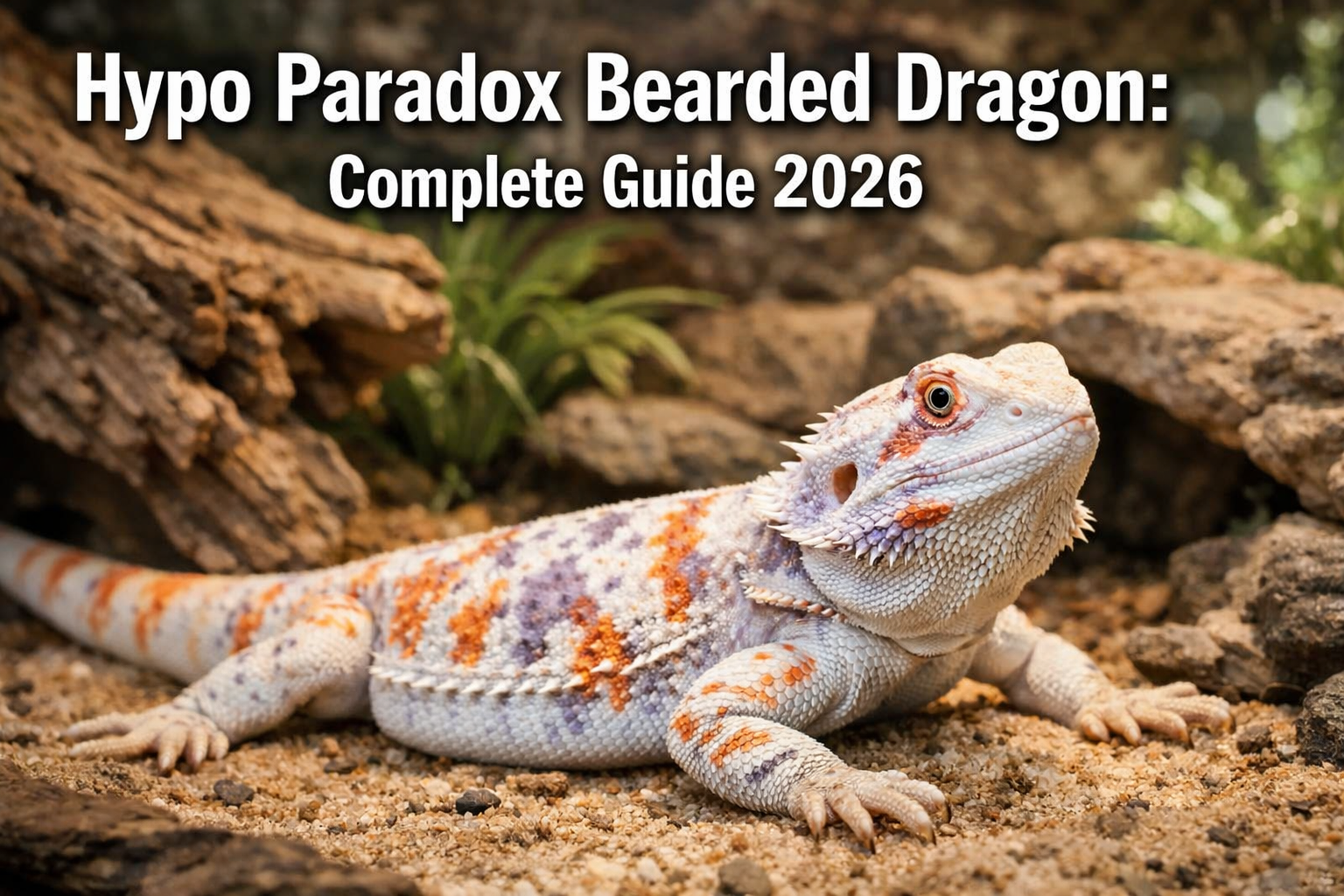
Imagine owning one of the most stunning and genetically unique bearded dragons available today—a creature that combines the reduced pigmentation of hypo genetics with the mysterious and unpredictable beauty of paradox markings. The hypo paradrox bearded dragon represents one of the most sought-after morphs in the reptile breeding world, captivating enthusiasts with its ethereal appearance and fascinating genetic complexity.
These remarkable reptiles showcase nature’s artistry through their reduced melanin production combined with paradox patterns that seem to defy genetic logic. As someone who has spent years studying and appreciating these magnificent creatures, I can tell you that hypo paradrox bearded dragons offer both visual appeal and scientific intrigue that few other morphs can match.
Key Takeaways
• Hypo paradrox bearded dragons combine two distinct genetic traits: reduced pigmentation (hypo) and unpredictable color patterns (paradox)
• These morphs typically range from $299-$499 for babies, making them a premium investment for serious collectors
• Proper care requires specialized knowledge of lighting, temperature, and nutrition to maintain their unique coloration
• Breeding hypo paradrox dragons involves complex genetics with unpredictable outcomes
• Reputable breeders with over a decade of experience are essential for acquiring healthy specimens
Understanding Hypo Paradrox Bearded Dragon Genetics
What Makes a Hypo Paradrox Bearded Dragon Special?
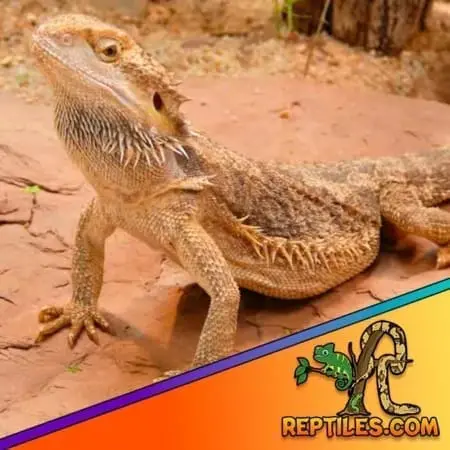
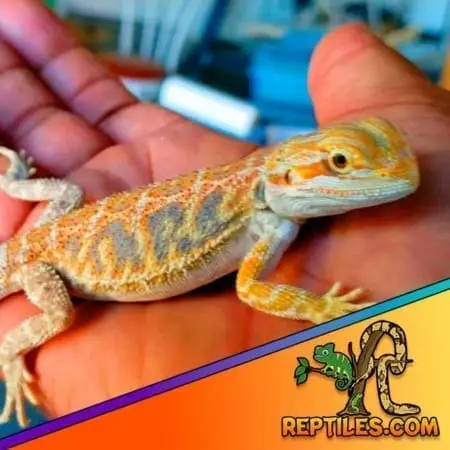
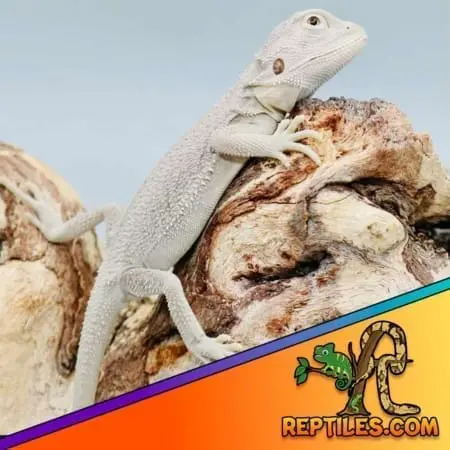
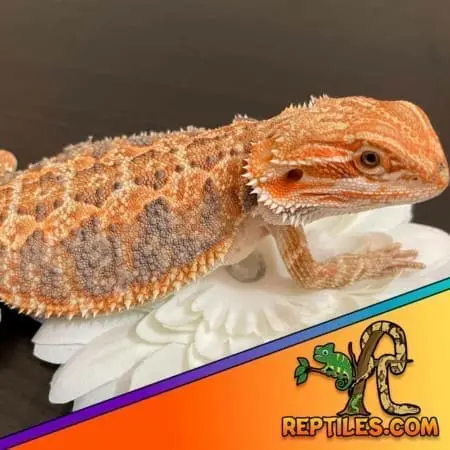
The hypo paradrox bearded dragon represents a fascinating intersection of two distinct genetic phenomena. The “hypo” designation refers to hypomelanistic traits, where the dragon produces significantly less melanin than normal specimens. This reduction in dark pigmentation creates lighter, more vibrant base colors that allow other hues to shine through with remarkable clarity.
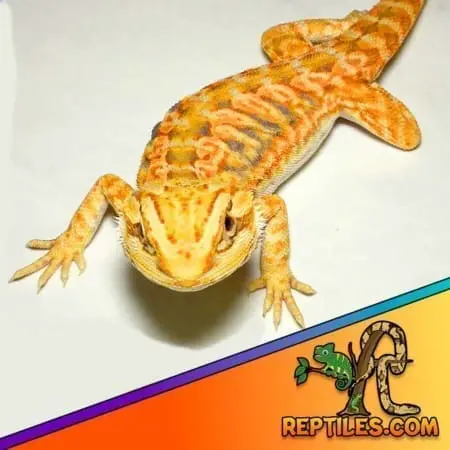
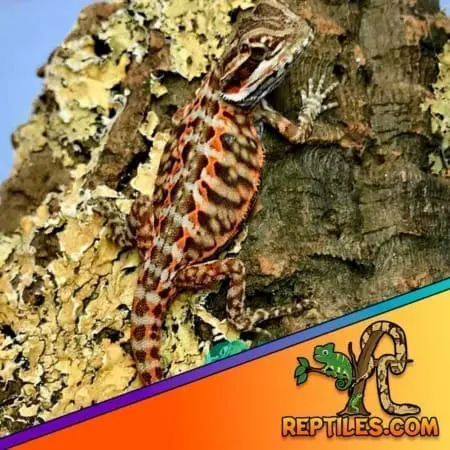
The “paradox” element adds another layer of complexity. Paradox markings in bearded dragons appear as seemingly random patches of color that don’t follow typical genetic inheritance patterns [3]. These markings can manifest as darker spots, stripes, or patches on what would otherwise be a lighter hypo base, creating a stunning contrast that makes each individual truly unique.
The Science Behind Hypo Genetics
Hypomelanistic traits in bearded dragons result from genetic mutations that affect melanin production pathways. Unlike some morphs that follow simple recessive inheritance patterns, hypo genetics can be more complex, involving multiple genes that influence pigmentation intensity.
When you examine a hypo paradrox bearded dragon, you’ll notice:
- Reduced black pigmentation throughout the body
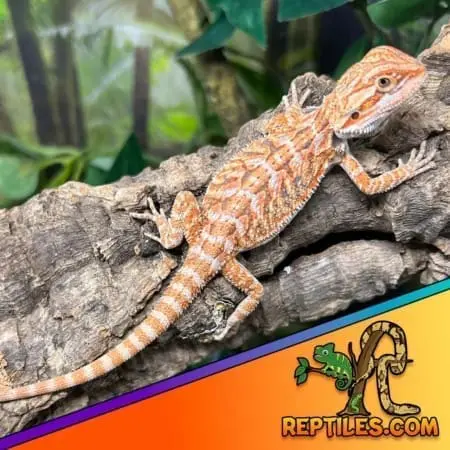
- Enhanced yellow, orange, and red tones
- Clearer, more vibrant patterns
- Lighter nail and eye coloration
- Unpredictable paradox markings that can appear anywhere on the body
The combination creates specimens that are both scientifically fascinating and visually stunning, making them highly prized among collectors and breeders alike.
Paradox Pattern Development
What makes paradox markings particularly intriguing is their unpredictable nature. Unlike traditional morphs where you can predict offspring appearance based on parent genetics, paradox patterns seem to emerge spontaneously. Current research suggests these markings may result from somatic mutations or epigenetic factors that activate dormant pigmentation genes in specific body regions [3].
For hypo paradrox bearded dragon enthusiasts, this unpredictability means that each animal is truly one-of-a-kind. Even siblings from the same clutch can display dramatically different paradox patterns, making breeding programs both challenging and exciting.
- Display 9 Products per page
Caring for Your Hypo Paradrox Bearded Dragon
Essential Habitat Requirements
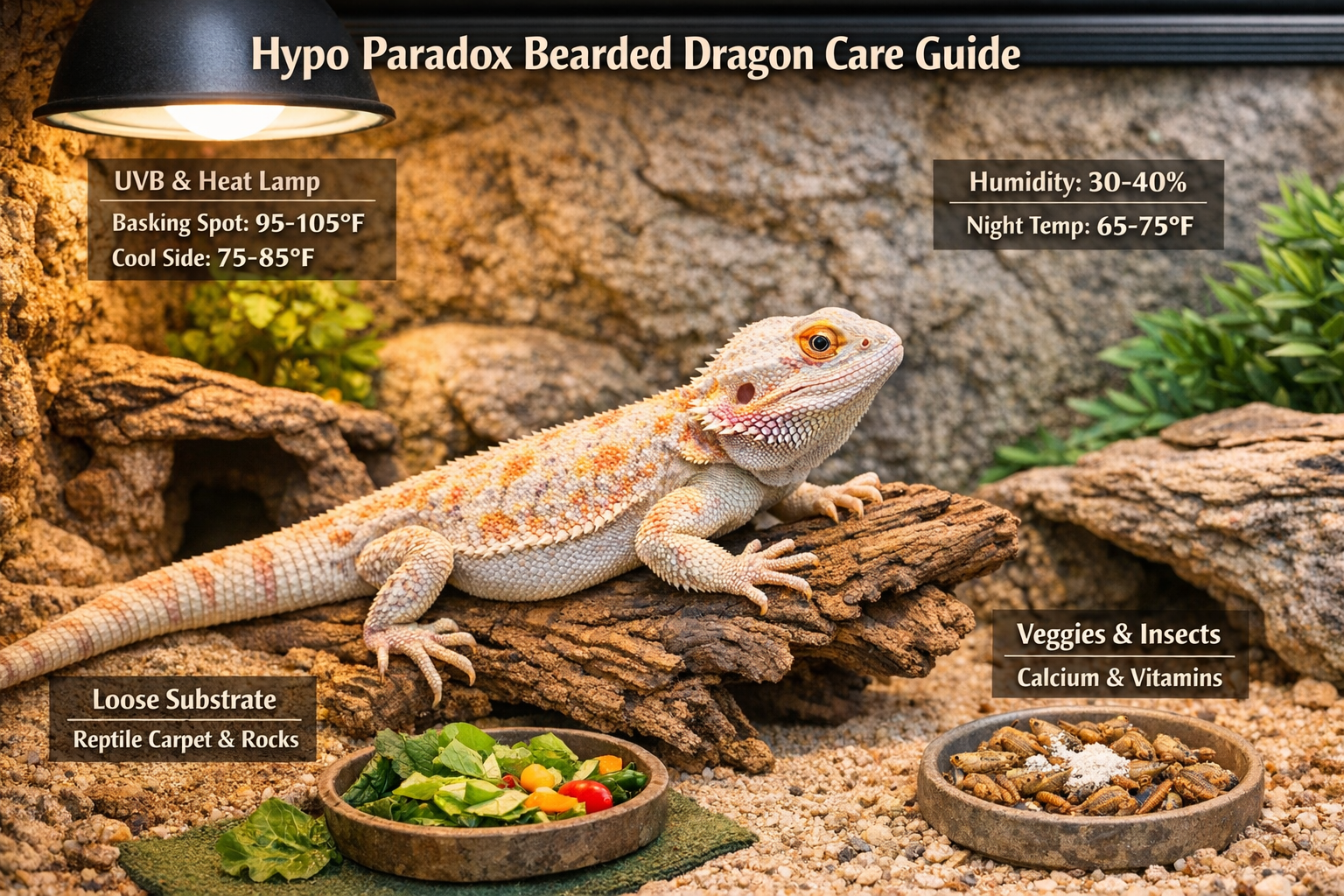
Creating the perfect environment for your hypo paradrox bearded dragon requires attention to specific details that support both their health and their unique coloration. These dragons need carefully controlled conditions to thrive and display their full genetic potential.
Enclosure Specifications:
- Minimum size: 75 gallons for juveniles, 120+ gallons for adults
- Temperature gradient: 95-105°F basking spot, 78-85°F cool side
- Nighttime temperatures: 70-75°F
- Humidity levels: 30-40% relative humidity
- Substrate: Paper towels, reptile carpet, or tile (avoid loose substrates)
The lighting setup is particularly crucial for hypo paradrox specimens. Their reduced pigmentation can make them more sensitive to UV radiation, requiring careful balance to provide necessary UVB without causing stress or color fading.
Specialized Lighting Needs
UVB Requirements:
- UVB strength: 10-12% UVB tube lighting
- Photoperiod: 12-14 hours daily
- Replacement schedule: Every 6-8 months
- Distance: 12-18 inches from basking spot
For hypo paradrox bearded dragons, I recommend using high-quality T5 HO UVB fixtures that provide consistent output across the entire enclosure length. The reduced melanin in these morphs means they may absorb UVB more readily, so monitoring for signs of overexposure is important.
Nutrition and Feeding Guidelines
Proper nutrition plays a vital role in maintaining the vibrant coloration that makes hypo paradrox dragons so appealing. Their diet should focus on foods that support healthy pigment production while avoiding items that might dull their unique appearance.
Feeding Schedule by Age:
- Babies (0-4 months): 80% insects, 20% vegetables, feed 2-3 times daily
- Juveniles (4-12 months): 60% insects, 40% vegetables, feed once daily
- Adults (12+ months): 20% insects, 80% vegetables, feed every other day
Color-Enhancing Foods:
- Squash and sweet potato for orange enhancement
- Collard greens and mustard greens for overall health
- Bell peppers for vitamin C and color support
- Dubia roaches and crickets for high-quality protein
Avoid foods high in oxalates or those that might interfere with calcium absorption, as hypo morphs can sometimes be more sensitive to nutritional imbalances.
Health Monitoring and Veterinary Care
Hypo paradrox bearded dragons require regular health monitoring to ensure their unique genetics don’t predispose them to specific health issues. Their lighter pigmentation can sometimes make certain conditions more visible, which can actually be advantageous for early detection.
Monthly Health Checks:
- Weight monitoring using a digital scale
- Skin examination for parasites or infections
- Eye clarity assessment
- Appetite and behavior observation
- Shed quality evaluation
Schedule annual veterinary checkups with a reptile-experienced veterinarian who understands the specific needs of morph bearded dragons. Some hypo lines may have slightly different metabolic rates or vitamin requirements compared to normal specimens.
When seeking professional bearded dragon care guidance, ensure your veterinarian has experience with color morphs and understands the genetic factors that influence hypo paradrox health and development.
Breeding Hypo Paradrox Bearded Dragons
Understanding Breeding Genetics
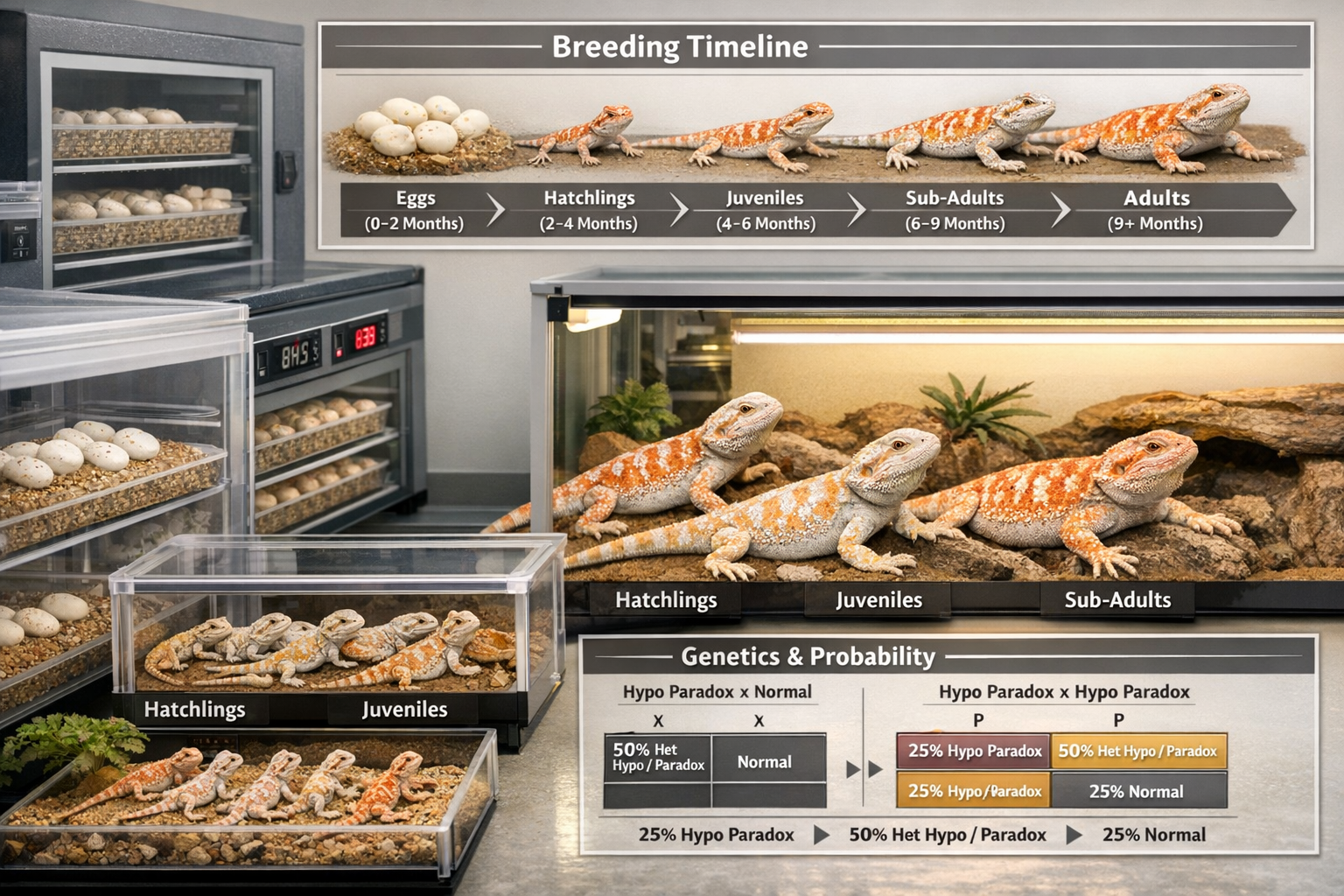
Breeding hypo paradrox bearded dragons requires a deep understanding of both hypo genetics and the mysterious nature of paradox inheritance. Unlike simple recessive traits, these combinations create complex genetic scenarios that even experienced breeders find challenging to predict.
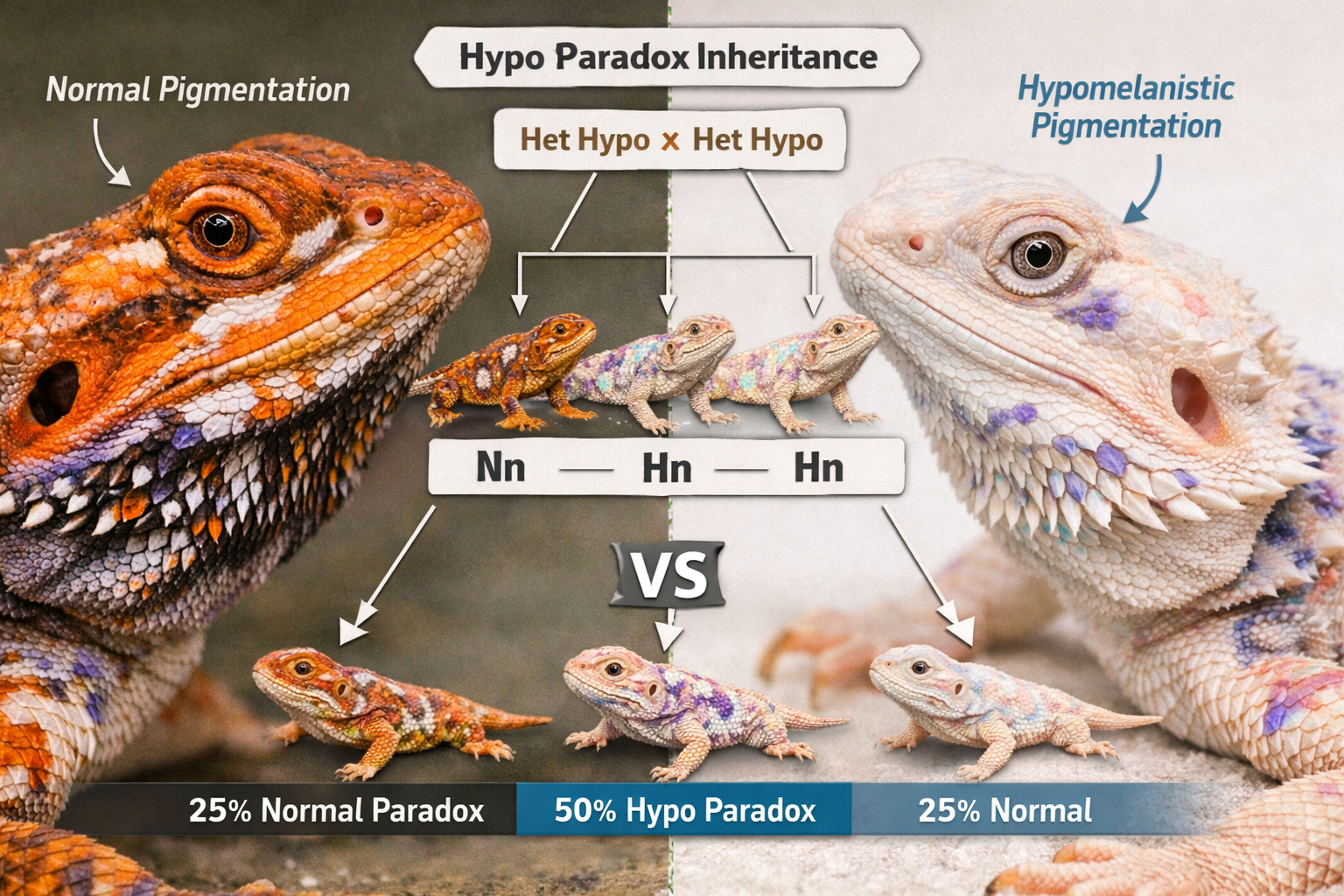
Hypo Inheritance Patterns:
- Het hypo x Het hypo: 25% visual hypo offspring
- Hypo x Normal: 100% het hypo offspring
- Hypo x Hypo: 100% visual hypo offspring
The paradox element adds unpredictability to these calculations. Paradox markings don’t follow traditional Mendelian inheritance, meaning even two paradox parents might produce offspring with completely different or no paradox markings.
Breeding Program Considerations
Successful hypo paradrox bearded dragon breeding requires careful selection of breeding stock and long-term planning. The most reputable breeders, including those with over a decade of experience, focus on health and genetic diversity rather than just visual appeal.
Key Breeding Factors:
- Genetic health screening of all breeding animals
- Diverse bloodlines to prevent inbreeding
- Detailed record keeping of all offspring outcomes
- Temperature-controlled incubation for optimal development
- Proper nutrition throughout the breeding cycle
Professional bearded dragon breeders often maintain detailed genetic records spanning multiple generations to track inheritance patterns and identify the most productive breeding combinations.
Incubation and Hatchling Care
Incubation Requirements:
- Temperature: 84-86°F for mixed sexes
- Humidity: 80-90% relative humidity
- Duration: 55-75 days depending on temperature
- Substrate: Vermiculite or perlite-based medium
Hypo paradrox hatchlings require specialized care during their first few months. Their reduced pigmentation can make them more sensitive to environmental changes, requiring stable conditions and careful monitoring.
Hatchling Care Protocol:
- Individual housing to prevent competition
- Frequent feeding with appropriately sized insects
- Optimal UVB exposure for proper development
- Regular weight monitoring to ensure healthy growth
- Early socialization for better temperament
The development of paradox markings in hatchlings can be particularly exciting to observe. Some markings appear immediately upon hatching, while others may develop over the first several months of life, making each young dragon a continuously evolving work of art.
Market Value and Investment Potential
Hypo paradrox bearded dragons represent a significant investment in the reptile hobby, with prices reflecting their rarity and genetic complexity. Understanding market values helps both buyers and breeders make informed decisions about these premium morphs.
Current Market Pricing (2026):
- Baby hypo paradrox: $299-$399
- Juvenile specimens: $349-$449
- Proven breeding adults: $499-$799
- Exceptional paradox patterns: $599-$999+
Factors influencing price include the intensity of hypo traits, the extent and uniqueness of paradox markings, overall health, and the reputation of the breeder. Specimens from established breeding programs with documented genetics typically command premium prices.
When considering where to purchase bearded dragons for sale, remember that the initial investment in a high-quality specimen from reputable breeders often proves more economical than dealing with health issues from poorly bred animals.
- Display 9 Products per page
Choosing the Right Hypo Paradrox Bearded Dragon
Evaluating Quality and Health
Selecting a hypo paradrox bearded dragon requires careful evaluation of both genetic quality and overall health. The combination of hypo and paradox traits creates unique considerations that differ from choosing standard morphs.
Visual Quality Indicators:
- Clear, vibrant base coloration without muddy or dull areas
- Well-defined paradox markings that create striking contrast
- Bright, alert eyes with good clarity
- Proper body proportions and weight distribution
- Clean, complete sheds indicating good health
When examining potential purchases, pay special attention to the intensity of the hypo traits. High-quality specimens should display significantly reduced black pigmentation while maintaining vibrant underlying colors. The paradox markings should appear crisp and well-defined rather than blurred or faded.
Age Considerations for Purchase
The age at which you acquire your hypo paradrox bearded dragon significantly impacts both the experience and the investment. Each life stage offers different advantages and considerations for new owners.
Baby Dragons (2-4 months):
- Advantages: Lower initial cost, opportunity to bond from early age, watch pattern development
- Challenges: Require frequent feeding, more fragile, patterns may change as they mature
- Price range: $299-$399
Juvenile Dragons (4-8 months):
- Advantages: More established patterns, easier care requirements, still adaptable
- Challenges: Higher initial cost, less bonding time
- Price range: $349-$449
Young Adult Dragons (8-12 months):
- Advantages: Fully developed patterns, established temperament, ready for breeding evaluation
- Challenges: Highest cost, may be less adaptable to new environments
- Price range: $449-$599
For first-time owners, I often recommend starting with juvenile bearded dragons as they offer the best balance of established characteristics and adaptability.
Selecting Reputable Breeders
The source of your hypo paradrox bearded dragon can make the difference between a rewarding long-term relationship and costly problems down the road. Established breeders with over a decade of experience typically provide the highest quality animals with proper health guarantees.
Breeder Quality Indicators:
- Detailed genetic records and lineage information
- Health guarantees and veterinary documentation
- Professional facility with proper quarantine protocols
- Responsive communication and ongoing support
- Positive references from previous customers
Top-tier breeding operations often employ animal biologists or work closely with reptile veterinarians to ensure optimal breeding practices and animal health. These facilities typically maintain detailed records of all breeding outcomes, helping to advance understanding of hypo paradrox genetics.
When searching for bearded dragon breeders near me, prioritize those who specialize in color morphs and can provide comprehensive information about their breeding programs and genetic goals.
Online vs. Local Purchase Options
The decision between purchasing your hypo paradrox bearded dragon online versus locally depends on several factors, including available local options, shipping considerations, and personal preferences.
Online Purchase Advantages:
- Wider selection of available morphs and bloodlines
- Access to specialist breeders regardless of location
- Detailed photos and videos of specific animals
- Competitive pricing due to broader market access
- Professional shipping with health guarantees
Local Purchase Advantages:
- Personal inspection before purchase
- No shipping stress for the animal
- Immediate availability without waiting periods
- Direct breeder relationships for ongoing support
- Lower total cost without shipping fees
Many serious collectors find that purchasing bearded dragons online from established breeders provides access to the highest quality hypo paradrox specimens, even when excellent local options exist.
Documentation and Health Guarantees
Proper documentation becomes especially important when investing in premium morphs like hypo paradrox bearded dragons. Reputable breeders provide comprehensive records that protect your investment and support future breeding decisions.
Essential Documentation:
- Health certificates from qualified reptile veterinarians
- Genetic lineage information and breeding records
- Feeding and care instructions specific to the individual
- Health guarantees covering genetic and health issues
- Contact information for ongoing support
Quality breeders typically offer health guarantees ranging from 7 days to several weeks, providing protection against genetic defects or health issues that weren’t apparent at the time of sale. These guarantees often require veterinary examination within a specified timeframe and may include replacement or refund options.
Understanding the terms of health guarantees helps ensure you’re protected while giving the breeder reasonable protection against issues arising from improper care after purchase
🦎 Hypo Paradrox vs Other Morphs
Compare characteristics, rarity, and pricing of popular bearded dragon morphs
Conclusion
The hypo paradrox bearded dragon represents one of the most fascinating and visually stunning morphs available to reptile enthusiasts in 2026. These remarkable creatures combine the scientific intrigue of reduced pigmentation genetics with the artistic beauty of unpredictable paradox markings, creating truly unique specimens that captivate both beginners and experienced keepers alike.
Throughout this comprehensive guide, we’ve explored the complex genetics behind hypo paradrox traits, the specialized care requirements that ensure these dragons thrive, and the breeding considerations that make them such valuable additions to any collection. From their reduced melanin production that creates vibrant base colors to their mysterious paradox patterns that seem to defy genetic logic, these dragons offer both visual appeal and intellectual fascination.
Key action steps for prospective owners:
🦎 Research reputable breeders with over a decade of experience and on-site animal biologists who can provide healthy, well-documented specimens
🏠 Prepare proper housing with appropriate UVB lighting, temperature gradients, and substrate choices that support their unique needs
📚 Educate yourself about hypo paradrox genetics and care requirements before making your investment
💰 Budget appropriately for the initial purchase ($299-$499 for babies) plus ongoing care costs and potential veterinary needs
🔍 Plan for the long term, as these dragons can live 10-15 years with proper care and will require consistent attention throughout their lives
Whether you’re drawn to their ethereal beauty, fascinated by their genetic complexity, or excited about their breeding potential, hypo paradrox bearded dragons offer a rewarding experience for dedicated reptile enthusiasts. As we continue to learn more about the genetic mechanisms behind these remarkable morphs, each specimen contributes to our understanding of reptile genetics and the incredible diversity possible within a single species.
For those ready to welcome a hypo paradrox bearded dragon into their lives, remember that success starts with choosing quality animals from established reptiles for sale sources and committing to providing the specialized care these magnificent creatures deserve. With proper preparation and dedication, your hypo paradrox bearded dragon will provide years of enjoyment and wonder as you witness firsthand the incredible artistry that nature and selective breeding can create.
References
[3] Paradox In Bearded Dragons What Really Causes It – https://bayntonsreptiles.com.au/blogs/extra-knowledge-articles/paradox-in-bearded-dragons-what-really-causes-it