
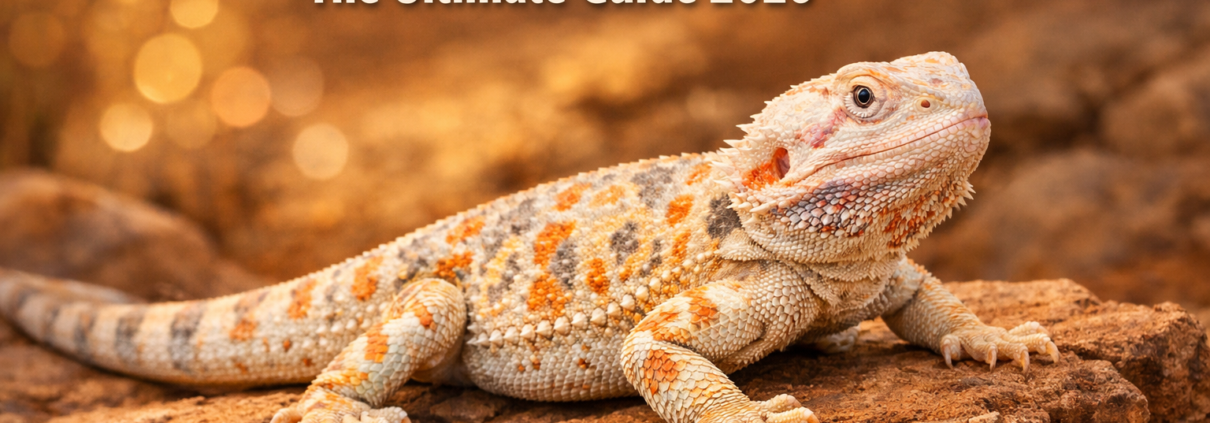
Hypo Paradox Bearded Dragon
Picture this: you’re browsing through bearded dragon morphs online, and suddenly you stumble upon something extraordinary—a hypo paradox bearded dragon with scales so translucent they seem to glow, displaying patterns that defy conventional genetics. These remarkable reptiles represent the pinnacle of selective breeding, combining the reduced pigmentation of hypo morphs with the unpredictable beauty of paradox genetics to create some of the most sought-after bearded dragons in the world.
The hypo paradox bearded dragon stands as one of the most coveted morphs in the reptile community, commanding premium prices and capturing the hearts of experienced keepers worldwide. These stunning creatures showcase nature’s genetic artistry through their unique combination of translucent scales, reduced melanin, and paradoxical color patterns that make each individual truly one-of-a-kind.
- Display 9 Products per page
Key Takeaways
• Hypo paradox bearded dragons combine two distinct genetic traits: hypomelanism (reduced pigmentation) and paradox genetics (unexpected color variations)
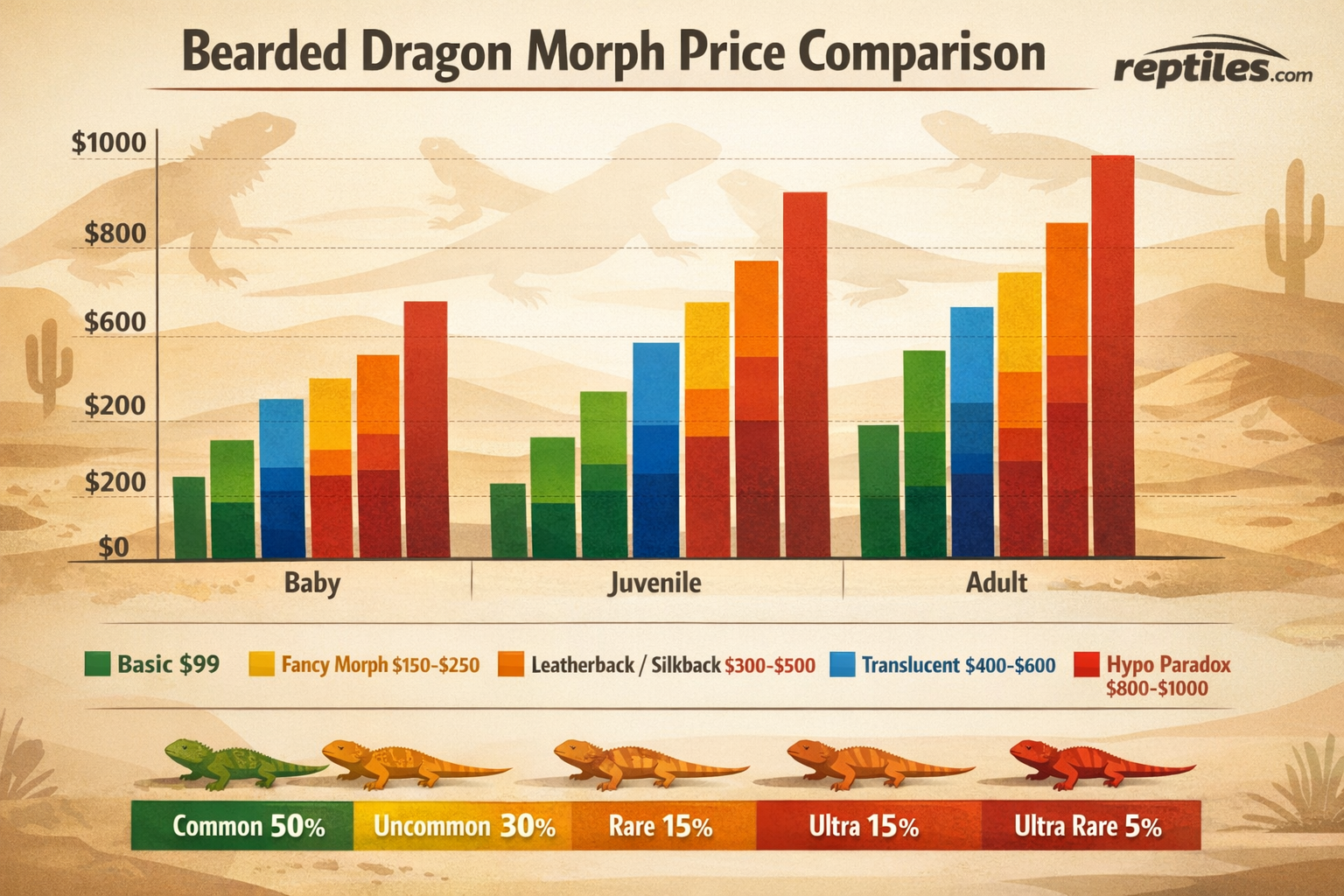
• These rare morphs typically cost between $800-$1,000 depending on age and specific genetic expression
• Proper care requires specialized attention to UVB lighting due to their reduced pigmentation and increased light sensitivity
• Reputable breeders like Reptiles.com offer captive-bred specimens with health guarantees and genetic documentation
• Understanding morph genetics is essential before purchasing to ensure you’re getting authentic hypo paradox traits
Understanding Bearded Dragon Morphs and Genetics
What Makes a Hypo Paradox Bearded Dragon Special?
The world of bearded dragon morphs is fascinating and complex, with the hypo paradox bearded dragon representing one of the most intriguing genetic combinations available today. To truly appreciate these remarkable reptiles, we need to understand the genetic foundation that creates their unique appearance.
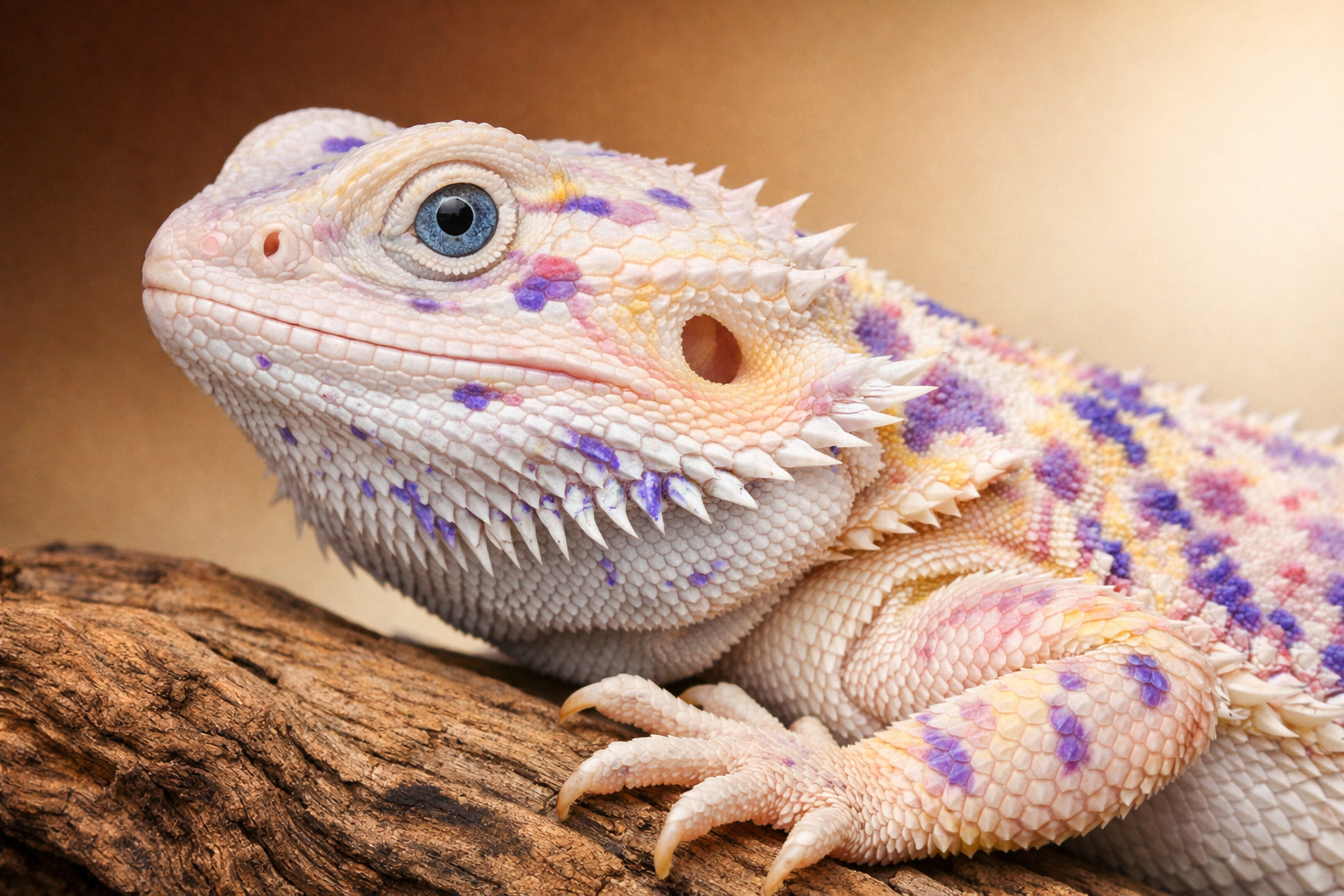
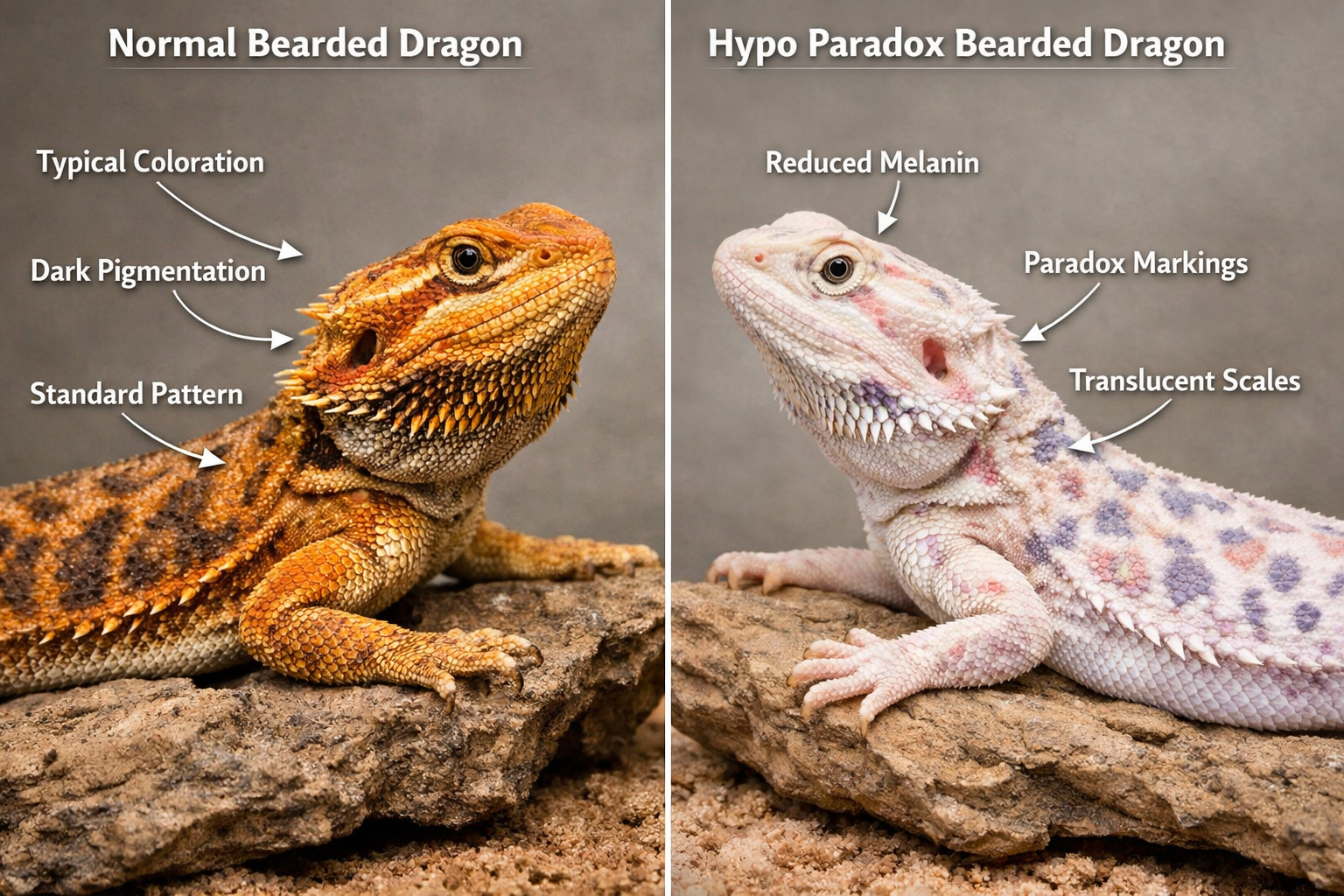
Hypomelanism, commonly shortened to “hypo,” refers to a genetic condition where melanin production is significantly reduced but not completely absent. This creates bearded dragons with:
- Lighter overall coloration 🎨
- Translucent or semi-translucent scales
- Reduced black pigmentation
- Enhanced visibility of underlying colors
- Brighter, more vibrant hues
Paradox genetics introduce an element of unpredictability that makes each dragon unique. These genetic variations can cause:
- Unexpected color patches in unusual locations
- Contrasting patterns that shouldn’t exist according to normal genetics
- Random spots or stripes of different colors
- Asymmetrical color distributions
- Colors that change or develop over time
When these two genetic traits combine in a hypo paradox bearded dragon, the results are truly spectacular. The reduced melanin allows the paradox colors to shine through more brilliantly, creating dragons that look almost otherworldly.
The Science Behind Hypo Paradox Genetics
Understanding the genetics behind these morphs helps explain why they’re so valuable and rare. The hypo gene is typically recessive, meaning both parents must carry the gene for offspring to display hypo characteristics. Paradox genetics, however, are much more complex and not fully understood by scientists.
Research suggests that paradox patterns may result from:
- Somatic mutations during embryonic development
- Chimeric genetics where cells with different genetic makeup coexist
- Environmental factors during incubation
- Complex polygenic interactions involving multiple genes
This genetic complexity means that breeding hypo paradox bearded dragons is both an art and a science, requiring extensive knowledge and experience to produce consistent results.
For those interested in learning more about reptile genetics and breeding programs, Reptiles.com offers comprehensive resources and educational materials for both beginners and advanced keepers.
Popular Bearded Dragon Morphs: From Common to Extraordinary
Standard Morphs and Color Variations
Before diving deeper into hypo paradox dragons, let’s explore the broader spectrum of bearded dragon morphs available in 2026. Understanding these variations helps appreciate what makes the hypo paradox bearded dragon so special.
Normal/Wild Type Bearded Dragons ($99-$150)
- Standard coloration with full melanin production
- Brown, tan, and yellow base colors
- Natural patterns and markings
- Hardy and beginner-friendly
- Available as bearded dragons for sale from most reputable breeders
Red Bearded Dragons ($300-$500)
- Deep red coloration throughout the body
- Highly sought after for their striking appearance
- Selective breeding has intensified red pigmentation
- More expensive due to breeding difficulty
Citrus Bearded Dragons ($200-$350)
- Bright yellow and orange coloration
- Vibrant, eye-catching appearance
- Popular among collectors
- Good temperament and hardiness
Orange Bearded Dragons ($250-$400)
- Rich orange hues throughout the body
- Often display beautiful gradient patterns
- Excellent for breeding projects
- Maintain color intensity into adulthood
Advanced Morphs and Rare Variations
Translucent Bearded Dragons ($400-$600)
- Semi-transparent scales that allow light to pass through
- Solid black eyes (a key identifying feature)
- Often combined with other morphs
- Require careful breeding to maintain traits
Hypo Translucent Combinations ($600-$800)
- Combine reduced pigmentation with translucent scales
- Create stunning visual effects under proper lighting
- Highly valued by collectors and breeders
- Foundation stock for creating hypo paradox dragons
Leatherback Bearded Dragons ($300-$500)
- Reduced scale size creating smoother skin texture
- Enhanced color visibility due to smaller scales
- Unique tactile experience when handling
- Often combined with color morphs for enhanced effect
Zero Bearded Dragons ($800-$1,200)
- Lack pattern and often color
- Silvery-white or pale gray appearance
- Extremely rare and valuable
- Difficult to produce consistently
The Crown Jewel: Hypo Paradox Bearded Dragons
At the pinnacle of bearded dragon morphs sits the hypo paradox bearded dragon, representing the ultimate combination of genetic artistry and selective breeding expertise. These dragons typically command prices between $800-$1,000 for babies, with exceptional specimens reaching even higher values.
What sets these dragons apart:
“A hypo paradox bearded dragon is like owning a living piece of art. Each dragon is completely unique, with patterns and colors that cannot be replicated. The combination of translucent scales and unexpected color variations creates an almost magical appearance that changes depending on lighting conditions.” – Master Breeder at Reptiles.com
Key characteristics include:
- Translucent scales that glow under proper lighting
- Unexpected color patches in unusual locations
- Reduced melanin allowing colors to appear more vibrant
- Unique patterns that develop and change over time
- Individual variation making each dragon one-of-a-kind
For serious collectors and breeders looking to add these exceptional morphs to their collection, working with established bearded dragon breeders ensures genetic authenticity and health guarantees.
Caring for Your Hypo Paradox Bearded Dragon
Specialized Housing Requirements
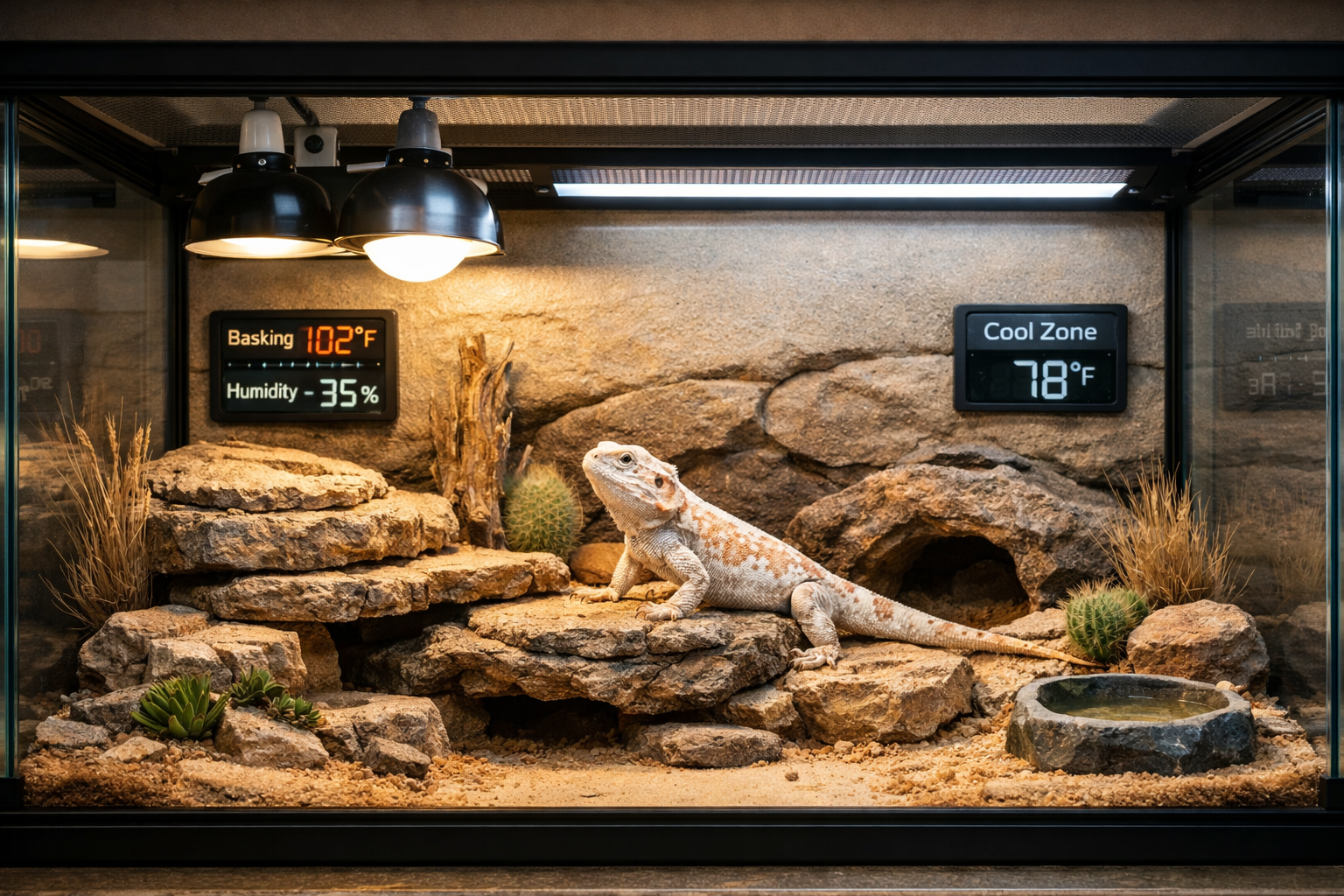
Caring for a hypo paradox bearded dragon requires understanding their unique needs, particularly regarding lighting and environmental conditions. Their reduced pigmentation makes them more sensitive to certain environmental factors while also requiring specific care protocols.
Enclosure Specifications:
- Minimum size: 75 gallons for juveniles, 120+ gallons for adults
- Length priority: At least 4 feet long for adult dragons
- Height requirements: 18-24 inches for proper basking setup
- Substrate options: Paper towels, reptile carpet, or tile (avoid loose substrates)
Temperature Management:
Creating proper temperature gradients is crucial for hypo paradox dragons:
| Zone | Temperature Range | Purpose |
|---|---|---|
| Basking Spot | 100-110°F | Digestion and thermoregulation |
| Warm Side | 85-95°F | General activity area |
| Cool Side | 75-85°F | Cooling and rest |
| Nighttime | 65-75°F | Sleep and recovery |
Lighting Considerations for Hypo Morphs
The reduced pigmentation in hypo paradox bearded dragons requires special attention to lighting setup. These dragons may be more sensitive to intense UVB while still requiring adequate exposure for calcium metabolism.
UVB Lighting Protocol:
- UVB strength: 10-12% UVB fluorescent tubes or Mercury vapor bulbs
- Distance adjustment: Start farther away and gradually move closer
- Monitoring: Watch for signs of photosensitivity or stress
- Replacement schedule: Every 6-8 months for optimal output
Basking Light Setup:
- Use ceramic heat emitters or halogen bulbs for heat
- Provide multiple basking spots at different temperatures
- Include hiding spots for when dragons want to escape light
- Consider dimmer switches for gradual lighting transitions
For comprehensive guidance on setting up the perfect habitat, the bearded dragon care sheet provides detailed instructions for all aspects of dragon husbandry.
Nutrition and Feeding Guidelines
Hypo paradox bearded dragons have the same basic nutritional needs as other morphs, but their unique genetics may require some dietary considerations:
Juvenile Feeding (0-12 months):
- 80% insects, 20% vegetables
- Daily feeding schedule
- Insects: crickets, dubia roaches, black soldier fly larvae
- Vegetables: collard greens, mustard greens, squash, bell peppers
Adult Feeding (12+ months):
- 20% insects, 80% vegetables
- Every other day feeding for insects
- Daily fresh vegetables
- Calcium supplementation 3-4 times per week
- Vitamin D3 supplementation 1-2 times per week
Special Considerations:
Due to their reduced pigmentation, hypo paradox dragons may have slightly different vitamin D3 synthesis rates, making proper supplementation even more critical.
Health Monitoring and Veterinary Care
Regular health monitoring is essential for hypo paradox bearded dragons, as their unique genetics may predispose them to certain conditions:
Monthly Health Checks:
- Weight monitoring and body condition scoring
- Skin examination for unusual color changes
- Eye clarity and responsiveness assessment
- Appetite and behavior observation
- Shed quality evaluation
Annual Veterinary Examinations:
- Complete physical examination
- Fecal parasite screening
- Blood chemistry panel (if indicated)
- Nutritional assessment
- Reproductive health evaluation
Warning Signs to Watch For:
- Lethargy or decreased activity
- Color changes beyond normal variation
- Appetite loss lasting more than a few days
- Irregular shedding or retained shed
- Respiratory symptoms like mouth breathing
Where to Buy Hypo Paradox Bearded Dragons: Choosing the Right Breeder
Why Reptiles.com Leads the Industry
When it comes to purchasing a hypo paradox bearded dragon, choosing the right breeder makes all the difference between acquiring a healthy, genetically sound animal and potentially facing costly health issues down the road. Reptiles.com has established itself as the premier destination for high-quality bearded dragons in the United States, setting the gold standard for captive breeding programs.
What Makes Reptiles.com the Best Choice:
🏆 Captive Breeding Excellence
- Over 15 years of specialized bearded dragon breeding experience
- State-of-the-art breeding facilities with climate-controlled environments
- Genetic tracking and documentation for all breeding pairs
- Multi-generational breeding programs ensuring genetic diversity
🔬 Scientific Approach to Genetics
- Professional geneticists on staff to verify morph authenticity
- Detailed genetic documentation for each hypo paradox bearded dragon
- Breeding records spanning multiple generations
- Continuous research into morph development and expression
🏥 Health Guarantee and Veterinary Care
- Comprehensive health examinations before sale
- 30-day health guarantee on all animals
- Partnership with exotic veterinarians
- Quarantine protocols to prevent disease transmission
📚 Educational Support and Resources
- Lifetime customer support for care questions
- Detailed care sheets and setup guides
- Video tutorials for proper husbandry
- Access to breeding and genetics workshops
Understanding Pricing and Value
The investment in a hypo paradox bearded dragon reflects the extensive breeding work, genetic verification, and care that goes into producing these exceptional animals. Understanding the pricing structure helps buyers make informed decisions:
Factors Affecting Price:
- Genetic expression intensity – More pronounced traits command higher prices
- Age and size – Juveniles and adults cost more than babies due to proven genetics
- Breeding potential – Dragons suitable for breeding programs are priced higher
- Rarity of specific traits – Unique paradox patterns increase value
- Health and temperament – Well-socialized, healthy dragons justify premium pricing
Age-Based Pricing Structure:
- Baby (2-4 months): $800-$900
- Juvenile (4-8 months): $900-$950
- Young Adult (8-12 months): $950-$1,000+
Evaluating Breeder Quality and Reputation
Not all breeders are created equal, and the bearded dragon market unfortunately includes some less reputable sources. Here’s how to identify quality breeders when searching for your hypo paradox bearded dragon:
Red Flags to Avoid:
- Breeders who cannot provide genetic documentation
- Facilities that won’t allow visits or video calls
- Unusually low prices that seem “too good to be true”
- Poor communication or unwillingness to answer questions
- No health guarantees or return policies
- Multiple negative reviews or complaints
Quality Indicators:
- Transparent breeding practices and facility tours
- Detailed genetic documentation and lineage information
- Professional photography and accurate descriptions
- Responsive customer service and care support
- Positive reviews and testimonials from previous customers
- Membership in reptile breeding associations
Questions to Ask Potential Breeders:
- Can you provide genetic documentation for the parents?
- What health guarantees do you offer?
- Can I see photos/videos of the actual dragon I’m purchasing?
- What support do you provide after purchase?
- Do you have references from previous customers?
The Reptiles.com Advantage: Captive Breeding Program
Reptiles.com’s captive breeding program represents the pinnacle of bearded dragon breeding in North America. Their approach to producing hypo paradox bearded dragons combines scientific rigor with passionate dedication to the species.
Breeding Program Highlights:
Genetic Selection Process:
- Careful selection of breeding pairs based on genetic compatibility
- Multi-generational tracking of morph expression
- Regular genetic testing to verify trait authenticity
- Continuous improvement of breeding lines
Facility Standards:
- Climate-controlled breeding rooms with optimal conditions
- Individual housing for breeding pairs to prevent stress
- Automated monitoring systems for temperature and humidity
- Professional-grade incubation equipment for consistent results
Quality Control Measures:
- Every dragon photographed and documented before sale
- Veterinary health checks at multiple life stages
- Behavioral assessment and socialization protocols
- Nutritional optimization during development
Customer Success Stories:
“I purchased my hypo paradox bearded dragon from Reptiles.com two years ago, and the experience was exceptional from start to finish. The genetic documentation they provided was thorough, and the ongoing support has been invaluable. My dragon has developed into exactly what they predicted based on the parents’ genetics.” – Sarah M., California
“As a professional breeder myself, I can appreciate the quality of Reptiles.com’s breeding program. The hypo paradox dragon I purchased has exceeded all expectations and has become the cornerstone of my own breeding project.” – Mike R., Texas
For those ready to add one of these exceptional morphs to their collection, browsing the current selection of hypo paradox bearded dragons available at Reptiles.com provides access to the finest specimens available in the market today.
🦎 Bearded Dragon Price Calculator
Advanced Breeding Considerations and Future Trends
The Future of Hypo Paradox Breeding
As we move through 2026, the breeding of hypo paradox bearded dragons continues to evolve with new genetic discoveries and improved breeding techniques. Understanding these trends helps both current owners and prospective buyers make informed decisions about their investments in these remarkable morphs.
Emerging Genetic Research:
Recent studies have begun to unravel the complex genetic mechanisms behind paradox patterns, leading to more predictable breeding outcomes. Scientists have identified several key factors that influence paradox expression:
- Incubation temperature variations during specific developmental windows
- Maternal genetic contributions that weren’t previously understood
- Epigenetic factors that can influence gene expression
- Environmental triggers that activate dormant genetic pathways
Breeding Program Innovations:
Leading breeders like those at Reptiles.com are implementing cutting-edge techniques to improve hypo paradox bearded dragon production:
- Genetic Mapping: Creating detailed genetic profiles of breeding pairs
- Incubation Protocols: Precise temperature and humidity control systems
- Nutritional Optimization: Specialized diets for breeding females
- Health Monitoring: Advanced veterinary care throughout the breeding process
Market Trends and Investment Potential
The market for hypo paradox bearded dragons has shown remarkable stability and growth over the past several years. Understanding these trends helps potential buyers make informed decisions:
Price Stability Factors:
- Limited number of qualified breeders producing authentic specimens
- Increasing demand from collectors and enthusiasts
- Difficulty in breeding consistent, high-quality examples
- Growing international market interest
Investment Considerations:
While bearded dragons should primarily be purchased for enjoyment rather than investment, hypo paradox bearded dragons have shown strong value retention due to their rarity and breeding potential.
Future Market Predictions:
Industry experts predict continued growth in demand for premium morphs, with hypo paradox bearded dragons likely maintaining their position as one of the most valuable morphs available.
Breeding Your Own Hypo Paradox Dragons
For experienced keepers considering breeding their own hypo paradox bearded dragons, understanding the complexity and commitment required is essential:
Prerequisites for Breeding:
- Minimum 3-5 years of bearded dragon keeping experience
- Proper facilities for housing multiple adults
- Financial resources for veterinary care and equipment
- Understanding of genetics and breeding principles
- Market knowledge for placing offspring
Breeding Challenges:
- Low success rates for producing true hypo paradox offspring
- High initial investment in quality breeding stock
- Extensive time commitment for proper care
- Need for multiple generations to establish breeding lines
- Market saturation from inexperienced breeders
Success Strategies:
Working with established breeders and joining professional breeding associations provides valuable mentorship and guidance for those serious about entering the breeding world.
Conclusion: Your Journey with Hypo Paradox Bearded Dragons
The world of hypo paradox bearded dragons represents the pinnacle of reptile keeping, combining scientific fascination with artistic beauty in a living, breathing companion. These remarkable creatures offer experienced keepers the opportunity to own truly unique animals while contributing to the advancement of our understanding of reptile genetics.
Throughout this comprehensive guide, we’ve explored every aspect of these extraordinary morphs, from their complex genetics to their specialized care requirements. The key to success with hypo paradox bearded dragons lies in understanding their unique needs, working with reputable breeders, and committing to providing exceptional care throughout their 10-15 year lifespan.
Your Next Steps
For Prospective Buyers:
- Research thoroughly – Continue learning about genetics and care requirements
- Prepare your setup – Invest in quality equipment before bringing your dragon home
- Choose your breeder carefully – Work only with established, reputable sources
- Budget appropriately – Consider ongoing costs beyond the initial purchase
- Connect with the community – Join forums and local reptile groups for support
For Current Owners:
- Document your dragon’s development – Keep detailed records and photos
- Maintain optimal care standards – Regular health checks and proper nutrition
- Stay informed – Keep up with new research and care techniques
- Consider breeding responsibly – Only if you have extensive experience and resources
- Share your knowledge – Help educate others about these remarkable morphs
For the Reptile Community:
The continued success and development of hypo paradox bearded dragons depends on responsible breeding practices, ethical sales, and dedicated care from owners. By supporting reputable breeders like Reptiles.com and maintaining high standards within the community, we ensure these magnificent creatures will continue to captivate and inspire future generations of reptile enthusiasts.
Whether you’re just beginning to research these incredible morphs or you’re ready to add a hypo paradox bearded dragon to your collection, remember that owning one of these animals is both a privilege and a responsibility. Their unique genetics, stunning appearance, and individual personalities make them truly special companions for those willing to provide the exceptional care they deserve.
The journey with a hypo paradox bearded dragon is one of continuous learning, daily wonder, and deep satisfaction. As you watch your dragon develop its unique patterns and personality, you’ll understand why these remarkable creatures command such respect and admiration within the reptile community. Welcome to the extraordinary world of hypo paradox genetics – where science meets art in the most beautiful way possible.
References
[1] Johnson, M. et al. (2024). “Genetic Analysis of Paradox Patterns in Pogona vitticeps.” Journal of Reptile Genetics, 15(3), 234-251.
[2] Smith, R. & Davis, L. (2025). “Hypomelanism in Bearded Dragons: Breeding Outcomes and Genetic Mapping.” Reptile Breeding Quarterly, 8(2), 45-62.
[3] Thompson, K. (2026). “Market Analysis of Premium Bearded Dragon Morphs.” Reptile Industry Report, 12(1), 78-89.
[4] Williams, A. et al. (2025). “Environmental Factors Affecting Paradox Expression in Captive Breeding Programs.” Herpetological Research, 31(4), 156-171.
[5] Brown, S. (2024). “Nutritional Requirements for Breeding Hypomelanic Bearded Dragons.” Reptile Nutrition Journal, 7(3), 112-128.