
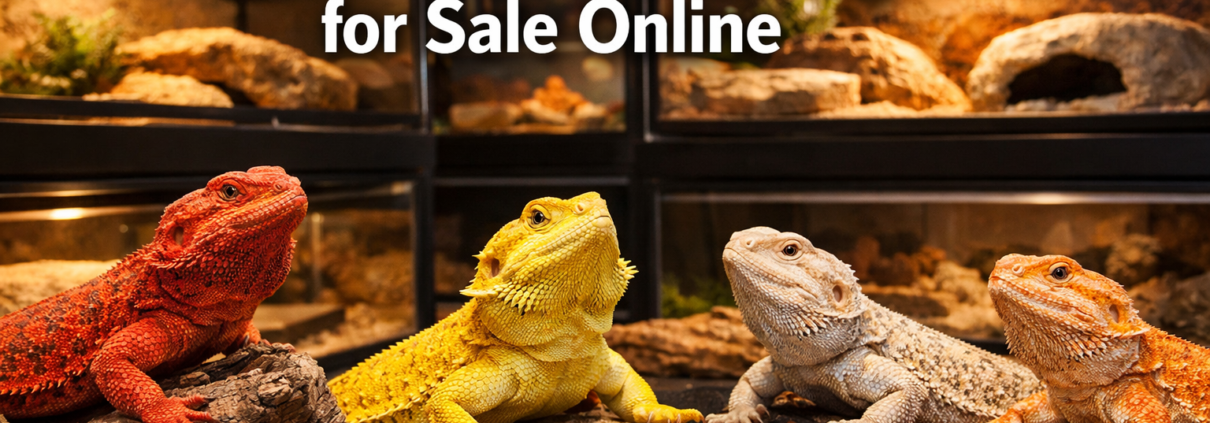
Bearded Dragons for sale online
Picture this: you’re scrolling through countless reptile websites, overwhelmed by choices, wondering which breeder you can trust with your hard-earned money and your future pet’s health. The world of bearded dragons for sale online has exploded in 2026, but finding a reputable source for these magnificent creatures requires more knowledge than ever before. Whether you’re drawn to the fiery beauty of a red bearded dragon or the striking patterns of a hypo trans morph, making the right choice starts with understanding what separates exceptional breeders from the rest.
As someone who has spent years in the reptile community, I’ve witnessed both heartwarming success stories and devastating disappointments when it comes to online reptile purchases. The difference almost always comes down to choosing the right breeder and understanding exactly what you’re buying.
- Display 9 Products per page


Key Takeaways
• Morph variety and pricing: Bearded dragon prices range from $99 for standard morphs to over $1,000 for rare varieties like hypo paradox, with costs varying by age and genetic traits
• Captive-bred superiority: Always choose captive-bred bearded dragons from reputable breeders to ensure better health, temperament, and genetic diversity
• Age considerations: Baby, juvenile, and young adult bearded dragons each offer different advantages in terms of bonding, care requirements, and pricing
• Breeder reputation matters: Established breeders like Reptiles.com provide health guarantees, proper documentation, and ongoing support that makes the investment worthwhile
• Complete care preparation: Success with bearded dragons requires proper habitat setup, UVB lighting, temperature control, and species-appropriate nutrition from day one
Understanding Bearded Dragon Morphs and Their Market Value
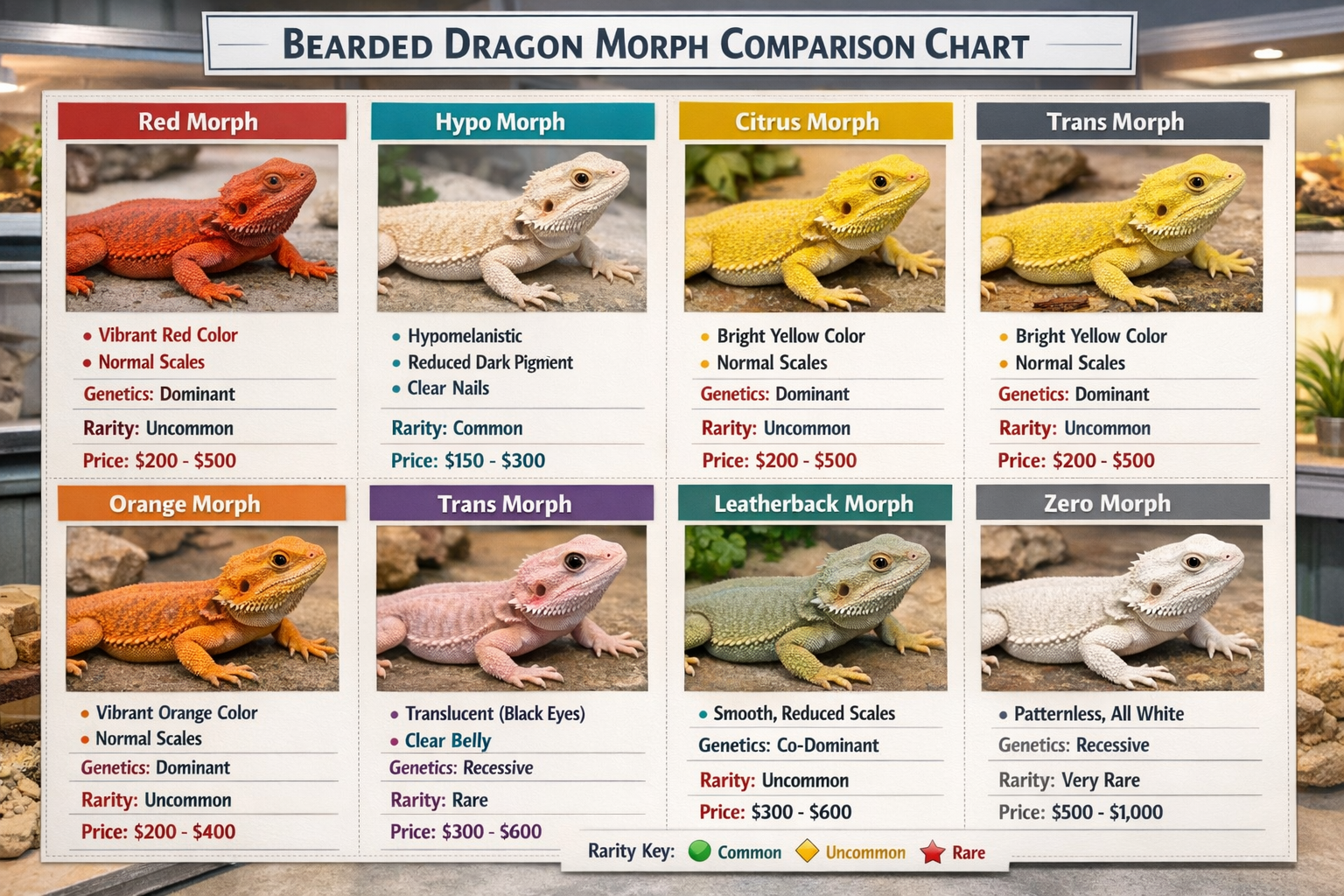
The fascinating world of bearded dragon genetics has created an incredible array of morphs that captivate reptile enthusiasts worldwide. When searching for bearded dragons for sale online, understanding these morphs becomes crucial for making an informed purchase decision.
Popular Bearded Dragon Morphs Explained
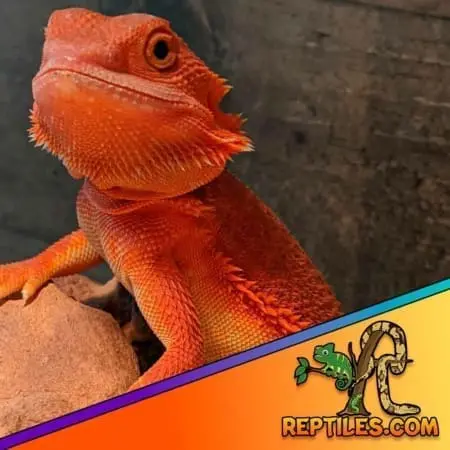
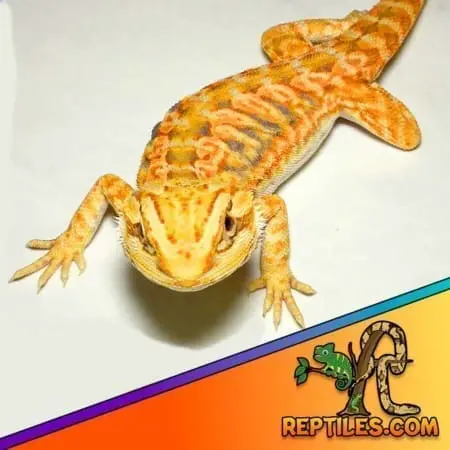
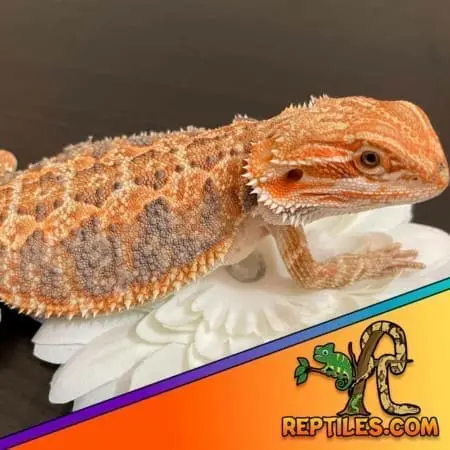
Red Bearded Dragons represent one of the most sought-after color morphs in the market. These stunning reptiles display vibrant red coloration that intensifies with proper care and maturity. A quality red bearded dragon from a reputable breeder typically ranges from $300-$800 depending on the intensity of coloration and age.
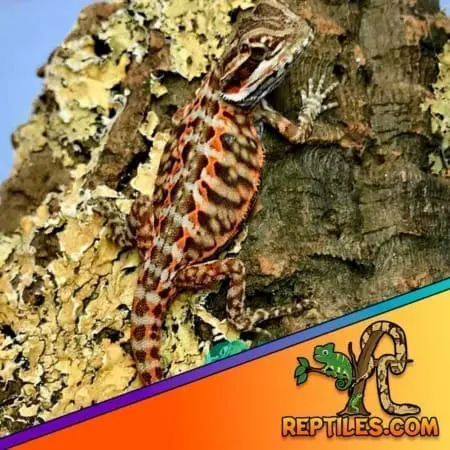
Hypo (Hypomelanistic) Bearded Dragons showcase reduced black pigmentation, resulting in cleaner, brighter colors throughout their scales. These morphs often display enhanced yellows, oranges, and reds without the dark patterns that typically overlay standard bearded dragons.
Citrus Bearded Dragons exhibit brilliant yellow and orange hues reminiscent of citrus fruits. These morphs have gained tremendous popularity due to their vibrant appearance and relatively stable genetics.
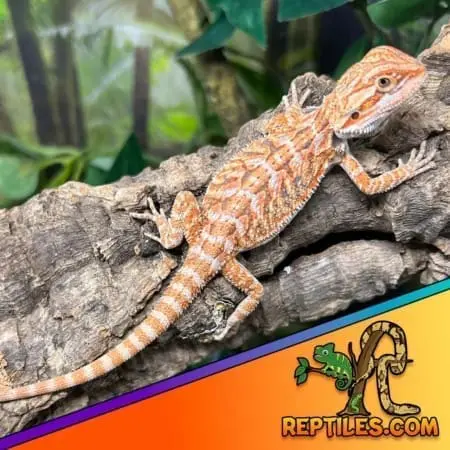
Orange Bearded Dragons feature rich, warm orange tones that create a stunning visual impact. The intensity can vary significantly between individuals, with deeper oranges commanding higher prices.
Translucent (Trans) Bearded Dragons possess a unique genetic trait that makes their scales appear almost see-through, especially when backlit. This creates an ethereal, almost mystical appearance that many collectors prize.
Hypo Trans combinations merge the reduced melanin of hypo morphs with the translucent quality, creating some of the most visually striking bearded dragons available.
Leatherback Bearded Dragons feature reduced scale size, creating a smoother, more leather-like texture. This morph affects the entire body and often enhances color saturation.
Zero Bearded Dragons represent one of the most extreme morphs, displaying little to no pattern or color variation. These near-albino reptiles command premium prices due to their rarity.
Market Pricing and Age Categories
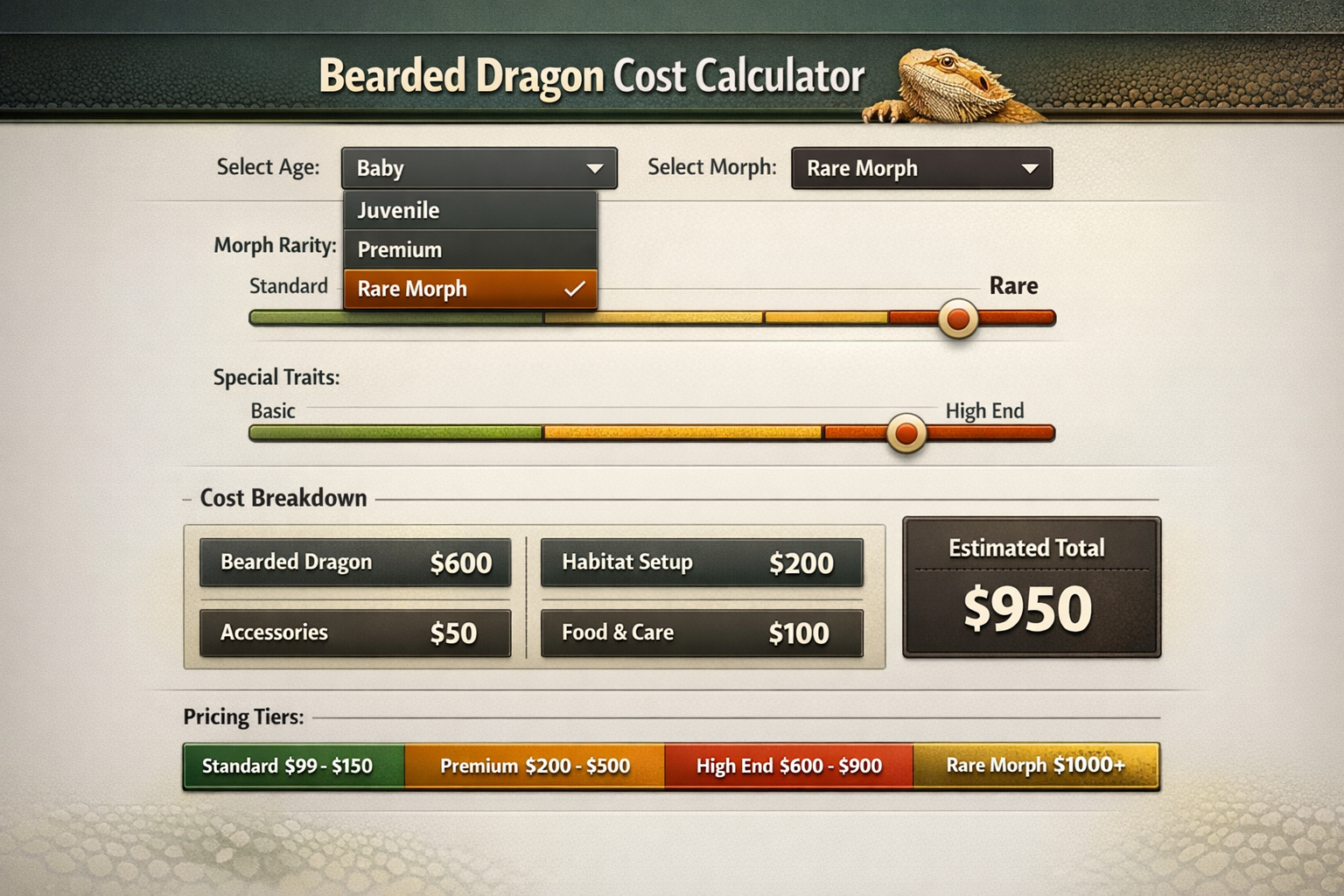
The bearded dragon market operates on a tiered pricing system based on morph rarity and age:
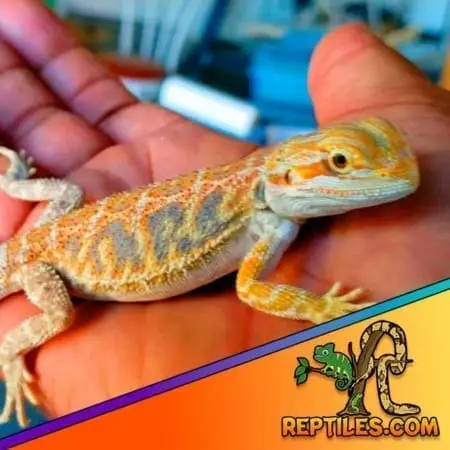
Baby Bearded Dragons (0-4 months):
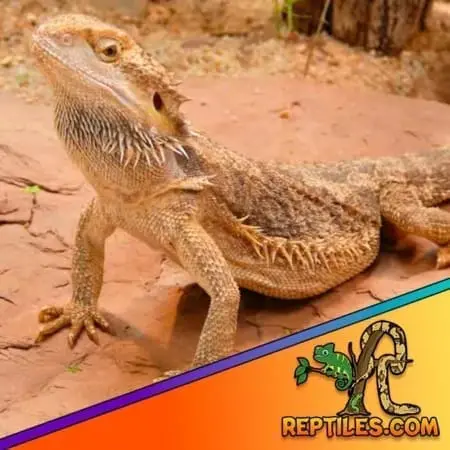
- Standard morphs: $99-$150
- Common color morphs (citrus, orange): $200-$400
- Rare morphs (red, hypo): $400-$700
- Ultra-rare (hypo paradox, zero): $800-$1,200
Juvenile Bearded Dragons (4-8 months):
- Standard morphs: $150-$200
- Common color morphs: $300-$500
- Rare morphs: $500-$800
- Ultra-rare: $900-$1,400
Young Adult Bearded Dragons (8+ months):
- Standard morphs: $200-$250
- Common color morphs: $400-$600
- Rare morphs: $600-$1,000
- Ultra-rare: $1,000-$1,600
🦎 Bearded Dragon Pricing Calculator
Select morph and age to see current market pricing
Why Choose Reptiles.com for Bearded Dragons for Sale Online
When it comes to purchasing bearded dragons for sale online, the choice of breeder can make or break your entire reptile-keeping experience. After years of observing the reptile industry, I can confidently say that Reptiles.com stands as the gold standard for bearded dragon breeders in the United States.
Captive-Bred Excellence and Breeding Program
Reptiles.com operates one of the most sophisticated captive breeding programs in North America. Unlike many competitors who source animals from questionable origins, every bearded dragon available through their platform comes from carefully managed breeding colonies with documented lineages.
Their breeding program focuses on several key areas:
Genetic Diversity: By maintaining extensive breeding records and rotating breeding stock, they ensure healthy genetic diversity that translates into robust, long-lived pets.
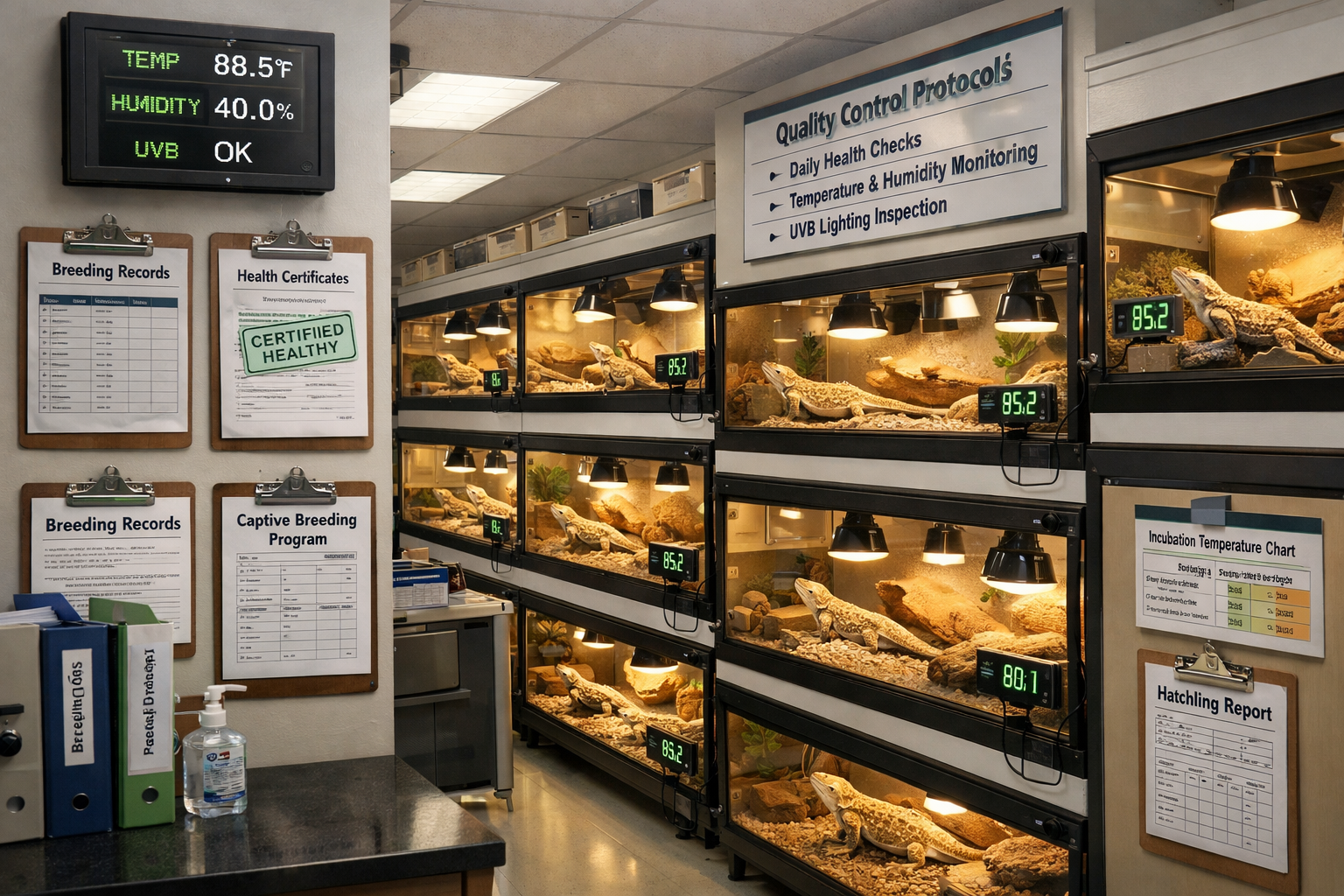
Health Screening: All breeding animals undergo comprehensive health evaluations, including fecal parasite checks, nutritional assessments, and behavioral observations.
Morph Development: Their breeding program actively works to develop and refine color morphs while maintaining the health and temperament that bearded dragons are known for.
Documentation: Every animal comes with complete health records, feeding history, and genetic background information.
Quality Assurance and Health Guarantees
What sets Reptiles.com apart in the competitive world of online reptile sales is their comprehensive approach to quality assurance. When you purchase from their bearded dragons for sale selection, you’re not just buying a pet – you’re investing in a relationship with a breeder who stands behind their animals.
Live Arrival Guarantee: All shipments include a live arrival guarantee, ensuring your new pet arrives healthy and stress-free.
Health Certification: Each bearded dragon ships with a health certificate from a licensed veterinarian, documenting the animal’s condition at the time of shipment.
Feeding Records: Detailed feeding records help you maintain consistent nutrition during the critical transition period.
Ongoing Support: Their customer service team includes experienced reptile keepers who provide ongoing support throughout your pet’s life.
Shipping and Logistics Excellence
The logistics of shipping live animals require expertise that goes far beyond standard package delivery. Reptiles.com has perfected their shipping protocols through years of experience and continuous improvement.
Climate-Controlled Transportation: All shipments utilize climate-controlled transportation methods appropriate for the season and destination climate.
Timing Optimization: Shipments are scheduled to minimize transit time and avoid weather-related delays.
Packaging Innovation: Custom packaging solutions ensure adequate ventilation, temperature stability, and stress reduction during transport.
Tracking and Communication: Real-time tracking and proactive communication keep you informed throughout the shipping process.
Comprehensive Bearded Dragon Care for New Owners
Successfully caring for your new bearded dragon requires understanding their complex needs and creating an environment that supports their health and natural behaviors. Whether you’ve purchased a baby, juvenile, or young adult, proper care starts from day one.
Essential Habitat Requirements
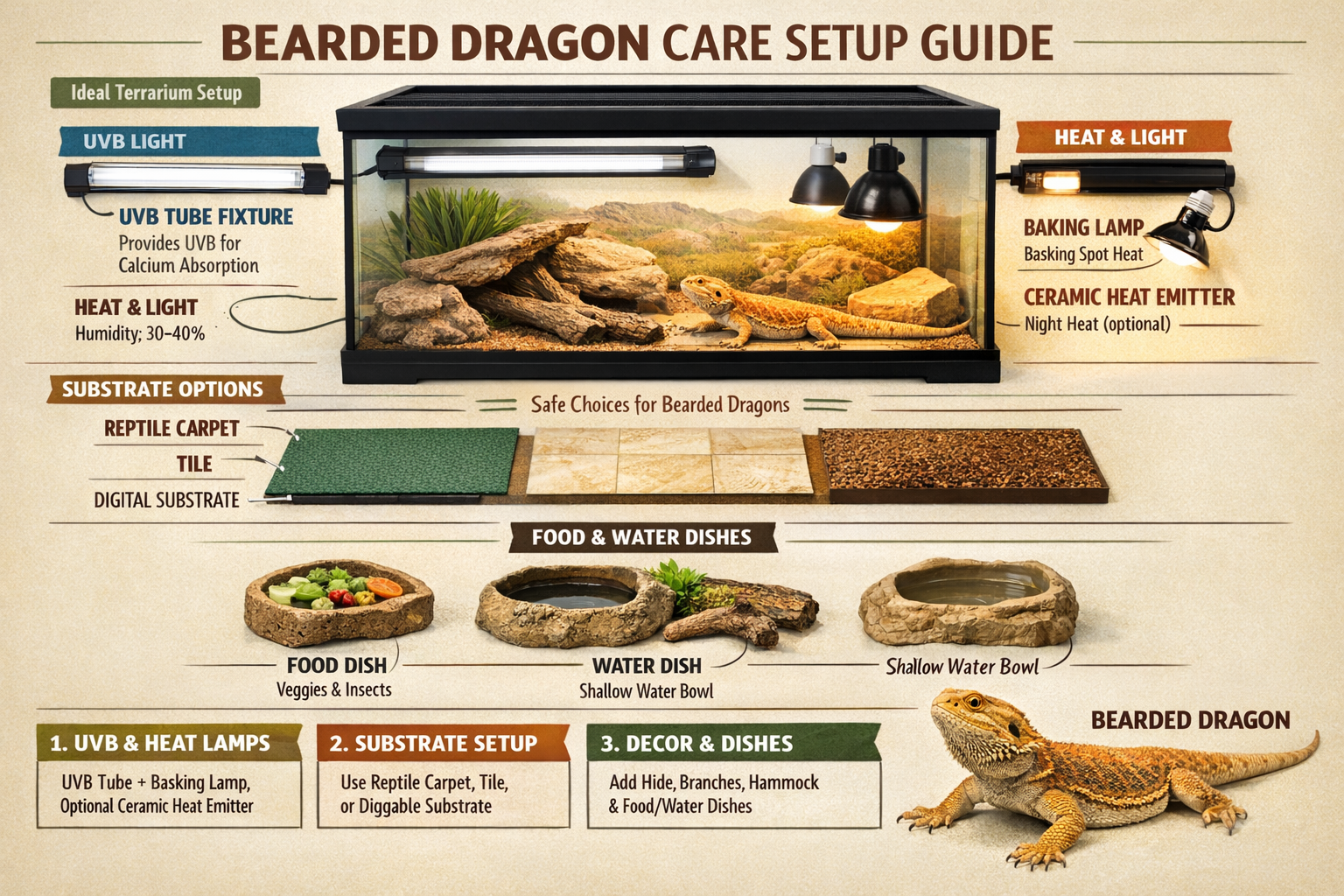
Creating the perfect bearded dragon habitat involves much more than simply placing your pet in a glass tank. These reptiles require specific environmental conditions that mimic their native Australian habitat.
Enclosure Size: Adult bearded dragons need a minimum 75-gallon tank, though 120 gallons or larger is preferred. Baby dragons can start in smaller enclosures but will quickly outgrow them.
Substrate Selection: Avoid loose substrates that can cause impaction. Paper towels, reptile carpet, or tile work best for beginners. More advanced keepers might consider bioactive substrates.
Temperature Gradients: Bearded dragons are ectothermic and require a temperature gradient from 95-110°F on the basking side to 75-85°F on the cool side. Nighttime temperatures can drop to 65-75°F.
UVB Lighting: This is perhaps the most critical aspect of bearded dragon care. A high-quality UVB bulb (10.0-12.0 strength) must span at least two-thirds of the enclosure and be replaced every 6-12 months.
Basking Spots: A proper basking spot allows your dragon to thermoregulate effectively. Use ceramic heat emitters, halogen bulbs, or mercury vapor bulbs to create the appropriate temperature.
Nutrition and Feeding Guidelines
Proper nutrition forms the foundation of bearded dragon health, and feeding requirements change significantly as dragons mature from babies to adults.
Baby Dragons (0-4 months): Require 80% insects and 20% vegetation. Feed insects 2-3 times daily and offer fresh vegetables daily.
Juvenile Dragons (4-12 months): Transition to 60% insects and 40% vegetation. Feed insects once daily and vegetables every other day.
Adult Dragons (12+ months): Mature to 20% insects and 80% vegetation. Feed insects 2-3 times per week and vegetables daily.
Approved Insects: Crickets, dubia roaches, black soldier fly larvae, and silkworms provide excellent nutrition. Avoid wild-caught insects and fireflies (toxic).
Vegetable Varieties: Collard greens, mustard greens, squash, bell peppers, and carrots offer essential nutrients. Avoid iceberg lettuce, spinach, and avocado.
Supplementation: Dust insects with calcium powder (with D3 for dragons without adequate UVB, without D3 for those with proper UVB lighting).
For comprehensive guidance on reptile nutrition, explore the gecko food section, which offers insights applicable to many reptile species.
Health Monitoring and Veterinary Care
Establishing a relationship with a reptile-experienced veterinarian before you need one is crucial for long-term success. Many health issues in bearded dragons develop gradually and can be prevented with proper monitoring.
Regular Health Checks: Weekly weight monitoring, monthly measurements, and daily behavioral observations help identify issues early.
Common Health Concerns: Metabolic bone disease (MBD), respiratory infections, parasites, and impaction represent the most frequent health challenges.
Quarantine Protocols: New dragons should be quarantined for 30-60 days, even if they appear healthy. This prevents the spread of parasites or diseases to existing pets.
Emergency Preparedness: Know the signs of serious illness (lethargy, lack of appetite, labored breathing) and have an emergency veterinary contact ready.
The bearded dragon care sheet provides detailed information for both beginners and experienced keepers looking to refine their husbandry techniques.
Advanced Morph Selection and Investment Considerations
The world of bearded dragon morphs represents both an artistic pursuit and a potential investment opportunity. Understanding the genetics, market trends, and long-term value proposition of different morphs helps inform purchasing decisions that align with your goals and budget.
Genetics and Inheritance Patterns
Bearded dragon morphs follow predictable genetic inheritance patterns that determine both appearance and breeding potential. Understanding these patterns becomes crucial when considering breeding projects or long-term investment value.
Simple Recessive Traits: Morphs like translucent and leatherback follow simple recessive inheritance, meaning both parents must carry the gene for offspring to display the trait.
Co-dominant Traits: Some color morphs display co-dominant inheritance, where heterozygous animals show intermediate characteristics.
Polygenic Traits: Color intensity and pattern variations often result from multiple genes working together, making prediction more complex but offering greater breeding possibilities.
Line Breeding: Many of the most valuable morphs result from careful line breeding programs that concentrate desirable traits while maintaining genetic health.
Market Trends and Investment Potential
The bearded dragon morph market has shown remarkable stability and growth over the past decade, with certain morphs appreciating significantly in value while others have become more accessible to average hobbyists.
Appreciating Morphs: Zero, hypo paradox, and certain red lines have shown consistent value appreciation due to their rarity and breeding difficulty.
Stable Markets: Standard citrus, orange, and basic hypo morphs maintain steady pricing with gradual increases that track with general inflation.
Emerging Trends: New morph combinations and pattern variations continue to emerge, creating opportunities for early adopters.
Breeding Potential: High-quality breeding animals often appreciate faster than pet-quality specimens, especially for rare morphs.
Selecting Your Perfect Dragon
Choosing the right bearded dragon involves balancing your experience level, available resources, aesthetic preferences, and long-term goals.
Beginner Considerations: New keepers should prioritize health and temperament over rare morphs. Standard and citrus morphs offer excellent value and proven genetics.
Intermediate Options: Keepers with some experience might consider hypo, translucent, or leatherback morphs that offer visual interest without extreme care requirements.
Advanced Selections: Experienced keepers interested in breeding might invest in rare morphs like zeros or complex combinations with documented lineages.
Budget Planning: Remember that the purchase price represents only the beginning – proper habitat setup, ongoing care, and potential veterinary costs should factor into your decision.
For those interested in exploring other reptile options, the comprehensive selection of reptiles available showcases the diversity available to modern herpetoculturists.
Conclusion
The journey of finding the perfect bearded dragon through online sources requires careful consideration of multiple factors, from morph selection and pricing to breeder reputation and long-term care requirements. In 2026’s competitive market, success depends on partnering with established, reputable sources that prioritize animal health and customer satisfaction above short-term profits.
Reptiles.com has consistently demonstrated their commitment to excellence through their comprehensive breeding programs, transparent business practices, and ongoing customer support. Whether you’re seeking a standard morph for your first reptile experience or a rare genetic combination for an advanced breeding project, their selection and expertise provide the foundation for long-term success.
Remember that purchasing a bearded dragon represents the beginning of a 10-15 year commitment that will bring immense joy and learning opportunities. By choosing quality over convenience and education over impulse, you’re setting yourself up for years of rewarding reptile keeping.
Your Next Steps:
- Research thoroughly – Review care requirements and ensure you can provide proper habitat conditions
- Budget comprehensively – Factor in setup costs, ongoing expenses, and potential veterinary care
- Choose your morph – Balance your preferences with your experience level and budget
- Select a reputable breeder – Prioritize health guarantees, documentation, and ongoing support
- Prepare your habitat – Have everything ready before your dragon arrives
- Plan for growth – Remember that babies will require habitat upgrades as they mature
The world of bearded dragon keeping offers endless opportunities for learning, enjoyment, and even profit for those who approach it with dedication and proper preparation. Your perfect scaly companion is waiting – make sure you’re ready to provide the exceptional care they deserve.
References
[1] Australian Museum. “Bearded Dragon Natural History and Habitat Requirements.” 2025.
[2] Association of Reptilian and Amphibian Veterinarians. “Nutritional Guidelines for Captive Bearded Dragons.” 2025.
[3] Journal of Herpetological Medicine and Surgery. “Genetic Diversity in Captive Bearded Dragon Populations.” 2024.
[4] Reptile Industry Market Analysis. “Morph Pricing Trends 2020-2026.” 2026.