

Baby Bearded Dragon
Picture this: you’re scrolling through reptile photos online when suddenly, a tiny dragon-like creature with curious eyes and a gentle demeanor captures your heart. That adorable little reptile is likely a baby bearded dragon, and you’ve just discovered one of the most rewarding pets in the reptile world. These miniature versions of their adult counterparts pack incredible personality into their small frames, making them perfect companions for both beginners and experienced reptile enthusiasts.
A baby bearded dragon represents the beginning of an amazing journey that can span 10-15 years of companionship. Unlike many reptiles that remain aloof, these young dragons develop distinct personalities, recognize their owners, and even enjoy gentle handling. Whether you’re drawn to the classic tan coloration or the stunning morphs like vibrant reds and translucent hypos, understanding proper care from day one is crucial for raising a healthy, happy dragon.
- Display 9 Products per page

Key Takeaways
• Baby bearded dragons require specific temperature gradients (105-110°F basking spot, 80-85°F cool side) and UVB lighting for proper development
• Feeding frequency is critical – babies need 80% insects and 20% vegetables, fed 2-3 times daily with appropriately sized prey
• Popular morphs range from $99-$1,000+ depending on rarity, with classic morphs being most affordable and rare genetics commanding premium prices
• Captive-bred dragons from reputable breeders offer better health, temperament, and genetic diversity compared to wild-caught specimens
• Proper habitat setup costs $300-$500 initially but provides the foundation for decades of dragon ownership enjoyment
Understanding Baby Bearded Dragon Morphs and Varieties
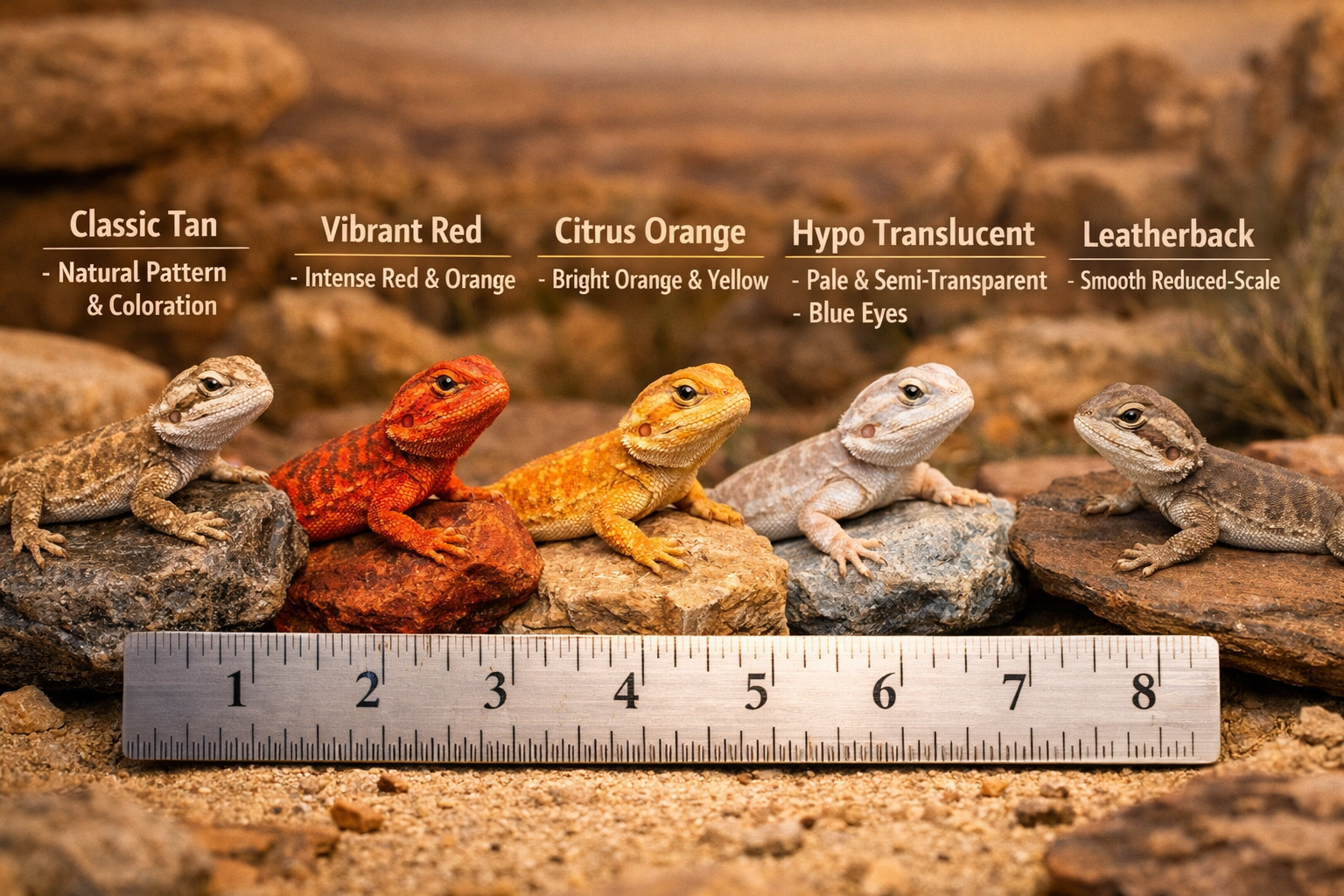
The world of baby bearded dragon genetics has exploded in recent years, offering an incredible array of colors, patterns, and scale types that would make any reptile enthusiast’s heart race. When I first started working with bearded dragons over a decade ago, we primarily saw the classic tan and brown colorations. Today’s breeding programs have unlocked a rainbow of possibilities that showcase the incredible genetic diversity within Pogona vitticeps.
Classic and Beginner-Friendly Morphs
Normal/Classic Baby Bearded Dragons remain the foundation of the hobby and represent excellent value for new keepers. These babies typically display the traditional tan, brown, and yellow colorations with distinct banding patterns. Priced starting at $99, they offer the same wonderful temperament and hardiness that made bearded dragons famous. Normal bearded dragons from quality breeders often display surprising color variation even within the “standard” genetics.
Citrus Baby Bearded Dragons showcase beautiful yellow and orange hues that intensify with age. These stunning babies start around $299 and represent one of the most popular color morphs for good reason. The vibrant yellows and oranges create an almost glowing appearance under proper UVB lighting. Many citrus babies develop deeper orange coloration as they mature, making them excellent long-term investments for color enthusiasts.
Premium Color Morphs
Red Baby Bearded Dragons command attention with their striking crimson and deep orange coloration. These exceptional babies range from $599-$799 depending on the intensity and coverage of red coloration. True red bearded dragons are relatively rare, making them highly sought after by collectors and breeders. The red bearded dragon genetics continue to improve each generation, producing increasingly vibrant offspring.
Hypo Baby Bearded Dragons (hypomelanistic) display reduced black pigmentation, creating cleaner, brighter colors with minimal pattern interference. These babies typically range from $399-$599 and often develop stunning clarity in their base colors. Hypo genetics can be combined with other traits to create even more spectacular combinations.
Exotic Scale and Pattern Variations
Leatherback Baby Bearded Dragons feature reduced scale size, creating a smoother, almost leather-like texture. These unique babies range from $349-$549 and often display enhanced color saturation due to their modified scale structure. Leatherback genetics can be combined with various color morphs to create truly exceptional combinations.
Zero Baby Bearded Dragons represent one of the most striking morphs available, displaying pure white, silver, or extremely pale coloration with minimal to no pattern. These rare babies command $799-$1,200 depending on the quality and clarity of their coloration. Zero morphs require careful breeding programs and represent the pinnacle of pattern reduction genetics.
Translucent (Trans) Baby Bearded Dragons possess a unique genetic trait that creates semi-transparent scales and often solid black eyes. These fascinating babies range from $449-$649 and can be combined with other morphs to create incredible combinations like “Hypo Trans” specimens that can reach $899-$1,200.
Understanding Morph Combinations
The most exciting developments in baby bearded dragon breeding involve combining multiple genetic traits. Hypo Translucent babies combine the clarity of hypo genetics with the unique appearance of translucent traits. Citrus Leatherback combinations showcase enhanced yellow-orange coloration with smooth scale texture. These combination morphs often command premium prices ranging from $699-$1,500 depending on the specific traits involved.
When selecting a baby bearded dragon morph, consider both your budget and long-term goals. While rare morphs are undeniably stunning, classic morphs offer the same wonderful temperament and care requirements at a fraction of the cost. Many successful breeders started with normal morphs and gradually expanded their collections as their experience and budgets allowed.
Why Reptiles.com Leads Baby Bearded Dragon Breeding
After years of working in the reptile industry, I can confidently say that Reptiles.com stands as the premier destination for baby bearded dragons in the United States. Their commitment to captive breeding excellence, genetic diversity, and customer education sets them apart from other bearded dragon breeders in ways that directly benefit both new and experienced keepers.
Captive Breeding Program Excellence
Reptiles.com’s captive breeding program represents over two decades of selective breeding focused on health, temperament, and genetic diversity. Unlike many commercial operations that prioritize quantity over quality, their breeding facility maintains detailed genetic records for every baby bearded dragon they produce. This meticulous approach ensures that customers receive dragons with known lineage, predictable traits, and minimal risk of genetic issues.
Their breeding stock consists entirely of captive-bred animals, eliminating the health risks and stress associated with wild-caught imports. Each breeding pair undergoes thorough health screening, including parasite testing and genetic evaluation, before entering the breeding program. This attention to detail translates directly into healthier, more robust babies that adapt quickly to captive environments.
Health Guarantee and Support
Every baby bearded dragon from Reptiles.com comes with a comprehensive health guarantee that demonstrates their confidence in their breeding program. Their 7-day health guarantee covers any genetic or health issues that may arise immediately after purchase, providing peace of mind for new dragon owners. More importantly, their customer support extends far beyond the initial sale.
Their team includes experienced herpetologists and veterinary professionals who provide ongoing support throughout your dragon’s life. Whether you’re dealing with feeding challenges, habitat questions, or health concerns, their expertise is just a phone call away. This level of support is particularly valuable for first-time baby bearded dragon owners who may encounter unexpected situations.
Genetic Diversity and Morph Development
Reptiles.com’s genetic diversity program actively works to prevent inbreeding and maintain healthy bloodlines across all their morphs. They regularly introduce new genetic lines from other reputable breeders, ensuring that their baby bearded dragons benefit from hybrid vigor and reduced genetic bottlenecks. This approach results in more robust animals with better immune systems and fewer hereditary issues.
Their morph development program focuses on enhancing desirable traits while maintaining the species’ natural hardiness. Rather than pursuing extreme mutations that might compromise health, they selectively breed for vibrant colors, clear patterns, and excellent temperaments. This balanced approach produces stunning baby bearded dragons that retain the species’ legendary docility and ease of care.
Shipping and Arrival Guarantee
Reptiles.com’s shipping protocols set the industry standard for safe, stress-free transport of baby bearded dragons. They use specialized reptile shipping containers with appropriate heating or cooling elements based on seasonal weather conditions. All shipments include detailed tracking information and arrive via overnight delivery to minimize transport stress.
Their arrival guarantee ensures that your baby bearded dragon arrives alive and healthy, with replacement or refund policies that protect your investment. They coordinate shipping schedules to avoid extreme weather conditions and provide detailed care instructions for the first 48 hours after arrival. This comprehensive approach has earned them an exceptional reputation among serious reptile keepers.
Educational Resources and Community
Beyond selling baby bearded dragons, Reptiles.com provides extensive educational resources that help customers succeed as dragon keepers. Their care guides, feeding charts, and habitat setup instructions reflect current best practices in reptile husbandry. They regularly update their resources based on new research and customer feedback, ensuring that their information remains accurate and helpful.
Their online community connects baby bearded dragon owners with experienced keepers and breeding professionals. This network provides invaluable support for troubleshooting care issues, sharing success stories, and learning advanced husbandry techniques. Many customers develop lasting relationships through these connections, creating a supportive network that enhances the dragon-keeping experience.
The combination of superior genetics, comprehensive support, and educational resources makes Reptiles.com the clear choice for anyone seeking a baby bearded dragon. Their commitment to excellence extends from their breeding facility to your home, ensuring that your new dragon has the best possible start in life. For those seeking quality bearded dragons for sale, Reptiles.com represents the gold standard in the industry.
Essential Baby Bearded Dragon Care and Habitat Setup

Creating the perfect environment for your baby bearded dragon requires attention to detail and understanding of their specific physiological needs. Unlike adult dragons, babies have higher metabolic rates, different space requirements, and more sensitive temperature needs that directly impact their growth and development. I’ve seen countless baby dragons thrive when provided with proper setups, and unfortunately, I’ve also witnessed the consequences of inadequate housing.
Temperature and Lighting Requirements
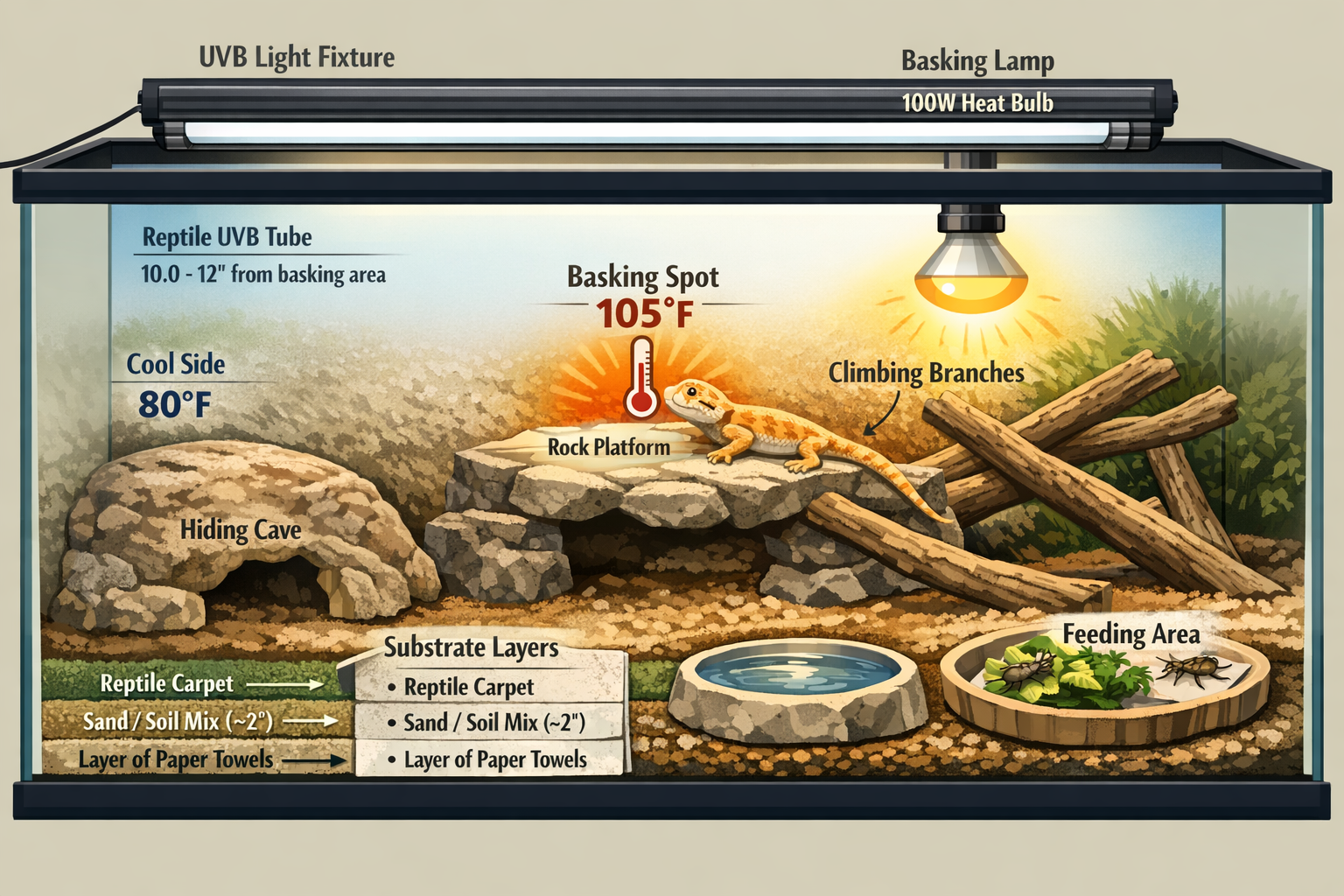
Proper temperature gradients are absolutely critical for baby bearded dragon health. Your setup must provide a basking spot of 105-110°F, a warm side of 85-90°F, and a cool side of 80-85°F during the day. Nighttime temperatures can safely drop to 70-75°F. Use digital thermometers with probes placed at dragon level, not stuck to glass walls where they can give false readings.
UVB lighting represents the most crucial element of baby dragon care. Provide a high-quality UVB bulb (10.0 or 12% UVB) positioned 6-8 inches above the basking area. Replace UVB bulbs every 6-12 months regardless of whether they still produce visible light, as UVB output degrades over time. Without proper UVB exposure, baby bearded dragons develop metabolic bone disease, a painful and often fatal condition.
The photoperiod should mimic natural conditions with 12-14 hours of light during summer months and 10-12 hours during winter. Use timers to maintain consistent schedules, as irregular lighting can stress babies and disrupt their feeding patterns. Ceramic heat emitters or under-tank heaters can provide nighttime warmth without disturbing their sleep cycles.
Enclosure Size and Setup
Baby bearded dragons require surprisingly spacious enclosures despite their small size. A 40-gallon long tank represents the absolute minimum for babies, with 75-gallon tanks being preferable for optimal development. Larger enclosures allow for proper temperature gradients and provide space for natural behaviors like exploration and exercise.
Substrate selection significantly impacts baby dragon health and safety. Avoid loose substrates like sand, wood chips, or crushed walnut shells that can cause impaction if ingested. Safe options include reptile carpet, paper towels, ceramic tiles, or specialized reptile substrates designed to pass safely if consumed. Many experienced keepers prefer paper towels for babies due to easy cleanup and monitoring of waste.
Provide multiple hiding spots on both the warm and cool sides of the enclosure. Baby bearded dragons need security to reduce stress and regulate their body temperature effectively. Commercial reptile hides work well, but you can also create hiding spots using overturned flower pots, cork bark, or PVC pipe fittings.
Water and Humidity Management
Water provision for baby bearded dragons requires careful consideration. While they need access to fresh water, deep water dishes can pose drowning risks for small babies. Use shallow dishes that allow easy access without safety concerns. Some keepers prefer water bottle caps or specialized reptile water dishes designed for small species.
Humidity levels should remain between 30-40% for optimal health. Excessive humidity can lead to respiratory infections and skin problems, while too-low humidity can cause shedding difficulties. Monitor humidity with a digital hygrometer and adjust ventilation as needed. Most properly ventilated enclosures naturally maintain appropriate humidity levels.
Regular misting can help with hydration and shedding, but avoid creating overly humid conditions. Light misting 2-3 times per week usually provides adequate moisture supplementation. Some baby bearded dragons enjoy drinking water droplets from misting, making this an excellent way to ensure adequate hydration.
Enrichment and Environmental Features
Mental stimulation is crucial for baby bearded dragon development. Provide climbing opportunities using branches, rocks, or commercial reptile furniture. Babies are naturally active and benefit from environments that encourage exploration and exercise. Ensure all climbing structures are securely positioned to prevent injuries from falls.
Live or artificial plants can enhance the habitat while providing additional hiding opportunities and visual barriers. If using live plants, ensure they’re safe for reptiles and haven’t been treated with pesticides. Popular safe options include hibiscus, spider plants, and various succulents that thrive under reptile lighting.
Consider the enclosure’s location within your home carefully. Baby bearded dragons are sensitive to vibrations and sudden movements that can cause chronic stress. Position the enclosure away from high-traffic areas, loud appliances, and other pets that might cause disturbance. A quiet corner with consistent lighting and temperature works best.
For those interested in exploring other reptile care techniques, our comprehensive reptile care resources provide valuable insights that can enhance your husbandry skills across multiple species. Understanding proper habitat setup forms the foundation of successful baby bearded dragon keeping and sets the stage for decades of rewarding companionship.
Feeding Your Baby Bearded Dragon for Optimal Growth
Proper nutrition during the baby stage determines your bearded dragon’s lifelong health, growth rate, and overall vitality. Unlike adult dragons that thrive on primarily vegetarian diets, baby bearded dragons require a protein-heavy feeding regimen that supports their rapid growth and high metabolic demands. I’ve witnessed dramatic differences in development between properly fed babies and those receiving inadequate nutrition, making this topic absolutely critical for new owners.
Understanding Baby Dragon Nutritional Needs
Baby bearded dragons require approximately 80% insects and 20% vegetables during their first 4-6 months of life. This ratio gradually shifts as they mature, but during the crucial baby stage, protein takes precedence. Their rapid growth rate demands frequent feeding sessions with appropriately sized prey items that provide essential amino acids, calcium, and vitamins.
Feeding frequency for babies should be 2-3 times daily, offering as many appropriately sized insects as they can consume in 10-15 minutes per feeding session. This might seem excessive compared to adult feeding schedules, but babies can eat 50-80 small insects daily during peak growth periods. Consistent feeding schedules help establish healthy eating habits and reduce stress.
Prey size selection follows the “space between the eyes” rule – never offer insects larger than the distance between your dragon’s eyes. For baby bearded dragons, this typically means 1/4″ crickets, small dubia roaches, fruit flies, or pinhead crickets for the smallest babies. Oversized prey can cause choking or impaction, both potentially fatal conditions.
Best Feeder Insects for Baby Dragons
Dubia roaches represent the gold standard for baby bearded dragon nutrition. These insects provide excellent protein content, optimal calcium-to-phosphorus ratios, and minimal chitin (hard shell material) that can cause digestive issues. Small dubias are easy to digest and rarely carry parasites, making them ideal for sensitive baby dragons.
Crickets remain a popular and readily available option for baby bearded dragon feeding. Choose appropriately sized crickets and ensure they’re gut-loaded 24-48 hours before feeding. Remove any uneaten crickets promptly, as they can bite sleeping dragons and create stress in the enclosure. Many keepers prefer crickets for their availability and relatively low cost.
Fruit flies and pinhead crickets work excellently for the smallest babies during their first few weeks of life. These tiny insects allow proper portion sizing for newly hatched dragons while providing essential nutrition. As babies grow, gradually transition to larger prey items while maintaining appropriate sizing guidelines.
Black soldier fly larvae (Phoenix worms) offer exceptional calcium content and soft bodies that are easily digestible. These insects require no gut-loading and provide natural calcium supplementation that supports healthy bone development. Many experienced breeders consider them essential for baby bearded dragon nutrition programs.
Vegetable and Plant Matter Introduction
Introducing vegetables early helps establish healthy eating habits that will benefit your dragon throughout its life. While babies don’t require large quantities of plant matter, offering small amounts of appropriate vegetables encourages natural foraging behaviors and provides essential vitamins.
Collard greens, mustard greens, and turnip greens represent excellent staple vegetables for baby bearded dragons. These leafy greens provide calcium, vitamins A and C, and fiber without excessive phosphorus or oxalates that can interfere with calcium absorption. Chop vegetables into appropriately small pieces that won’t pose choking hazards.
Squash, sweet potato, and bell peppers add variety and natural sugars that many babies find appealing. These vegetables should be offered in small quantities as part of a varied diet. Avoid iceberg lettuce, spinach, and other vegetables with poor nutritional profiles or high oxalate content that can bind calcium.
Edible flowers like hibiscus, dandelions, and rose petals provide enrichment and nutrition while encouraging natural foraging behaviors. Ensure any flowers offered are pesticide-free and safe for reptile consumption. Many baby bearded dragons show particular interest in colorful flower petals.
Supplementation and Gut-Loading
Calcium supplementation is absolutely essential for baby bearded dragon health. Dust insects with calcium powder (without D3) daily, and use calcium with D3 2-3 times weekly. Over-supplementation with D3 can cause toxicity, so follow dosing guidelines carefully. High-quality calcium supplements designed specifically for reptiles work best.
Multivitamin supplementation should occur 1-2 times weekly using reptile-specific vitamin products. Avoid human vitamins, which can contain inappropriate concentrations of fat-soluble vitamins that accumulate in reptile tissues. Quality reptile multivitamins provide essential nutrients that may be lacking in captive diets.
Gut-loading feeder insects 24-48 hours before feeding dramatically improves their nutritional value. Use commercial gut-loading diets or create your own using nutritious vegetables, grains, and specialized supplements. Well-gut-loaded insects provide significantly more vitamins, minerals, and beneficial nutrients than empty insects.
Proper hydration supports digestion and overall health in baby bearded dragons. While they obtain most moisture from their food, providing fresh water and occasional light misting helps maintain proper hydration levels. Some babies enjoy drinking water droplets from misting sessions.
For keepers interested in expanding their reptile knowledge, exploring specialized feeding techniques used for other species can provide valuable insights that enhance your overall husbandry skills. Understanding proper nutrition forms the cornerstone of successful baby bearded dragon care and directly impacts their development into healthy, robust adults.
Baby Bearded Dragon Price Calculator
Health and Veterinary Care for Baby Bearded Dragons
Maintaining optimal health in baby bearded dragons requires vigilant observation, preventive care, and understanding of common health issues that affect young reptiles. Unlike adult dragons with established immune systems, babies face unique vulnerabilities that can quickly become serious without proper attention. I’ve learned that early intervention and proper husbandry prevent most health problems, making education about warning signs absolutely essential for new owners.
Common Health Issues in Baby Dragons
Metabolic Bone Disease (MBD) represents the most serious threat to baby bearded dragon health and results from inadequate calcium, improper UVB lighting, or incorrect temperatures. Early signs include soft jaw bones, trembling, difficulty walking, and deformed limbs. Advanced cases show severe skeletal deformities that can be irreversible. Prevention through proper UVB lighting, calcium supplementation, and appropriate temperatures is far easier than treatment.
Impaction occurs when baby dragons consume inappropriate substrate or prey items too large for their digestive systems. Signs include loss of appetite, lack of defecation, lethargy, and abdominal swelling. Baby bearded dragons are particularly susceptible due to their tendency to accidentally ingest substrate while hunting. Using safe substrates and properly sized prey prevents most impaction cases.
Respiratory infections develop from improper humidity, inadequate temperatures, or poor ventilation. Symptoms include mouth breathing, wheezing, mucus discharge, and lethargy. Baby bearded dragons are more susceptible than adults due to their developing immune systems. Maintaining proper environmental conditions and avoiding overcrowding prevents most respiratory issues.
Parasites can significantly impact baby dragon health and growth rates. Both internal parasites (coccidia, pinworms) and external parasites (mites) can cause serious problems in young dragons. Regular fecal examinations by qualified veterinarians help detect and treat parasite infections before they become severe. Quarantine protocols for new animals prevent parasite introduction to established collections.
Finding Qualified Reptile Veterinarians
Locating experienced reptile veterinarians before emergencies arise is crucial for baby bearded dragon owners. Not all veterinarians have experience with reptile medicine, and treatment approaches that work for mammals can be inappropriate or harmful for reptiles. Research local veterinarians and identify those with specific reptile experience and appropriate equipment.
Emergency preparedness should include 24-hour veterinary contacts and basic first aid supplies. Many reptile emergencies occur outside normal business hours, making emergency veterinary relationships essential. Some areas have specialized exotic animal emergency clinics that provide after-hours reptile care.
Regular wellness examinations help detect problems early and establish baseline health parameters for your baby bearded dragon. Annual examinations for healthy dragons, or more frequent visits for animals with health concerns, allow veterinarians to monitor growth, detect parasites, and provide preventive care recommendations.
Quarantine Protocols and Disease Prevention
Proper quarantine procedures protect existing reptile collections and allow careful health monitoring of new baby bearded dragons. Quarantine new animals for at least 60-90 days in completely separate enclosures with dedicated equipment. This isolation period allows observation for signs of illness and prevents disease transmission to established animals.
Quarantine enclosures should provide appropriate care while remaining separate from main collections. Use simple, easily cleaned setups with paper towel substrate, basic hiding spots, and proper temperature and lighting. Avoid elaborate decorations that complicate cleaning and disinfection procedures.
Hygiene protocols during quarantine include hand washing, equipment disinfection, and careful waste disposal. Care for quarantined animals last to prevent cross-contamination, and use separate tools and feeding equipment. These procedures may seem excessive, but they prevent devastating disease outbreaks that can affect entire collections.
Monitoring Growth and Development
Regular weight monitoring helps track baby bearded dragon development and detect health problems early. Healthy babies should show consistent weight gain and steady growth during their first year. Sudden weight loss, failure to gain weight, or irregular growth patterns may indicate health issues requiring veterinary attention.
Growth charts and feeding records provide valuable health information for both owners and veterinarians. Track feeding frequency, prey items consumed, defecation patterns, and behavioral observations. This information helps identify problems early and provides veterinarians with detailed health histories during examinations.
Shed monitoring reveals important health information about baby bearded dragons. Healthy babies shed regularly as they grow, with complete sheds occurring every 4-8 weeks during rapid growth periods. Incomplete sheds, particularly around toes and tail tips, can indicate humidity problems or underlying health issues.
Recognizing Emergency Situations
Certain symptoms require immediate veterinary attention and should never be ignored in baby bearded dragons. These include severe lethargy, inability to support body weight, bleeding, prolapsed organs, seizures, or complete loss of appetite lasting more than 3-4 days. Young dragons can deteriorate rapidly, making prompt professional care essential.
Temperature-related emergencies can occur quickly in baby dragons due to their small body size and limited energy reserves. Signs of overheating include gaping, excessive panting, and attempts to escape heat sources. Signs of being too cold include complete lethargy, inability to move, and dark coloration. Both situations require immediate environmental correction and possible veterinary care.
Trauma from falls, burns, or other injuries requires careful evaluation and often professional treatment. Baby bearded dragons can suffer serious injuries from seemingly minor incidents due to their delicate bone structure and small size. When in doubt, seek veterinary evaluation rather than attempting home treatment.
For those interested in learning about health management across different reptile species, exploring advanced care techniques can provide valuable insights that enhance your overall reptile husbandry skills. Understanding proper health monitoring and veterinary care ensures that your baby bearded dragon develops into a healthy, long-lived companion.
Conclusion
Raising a baby bearded dragon represents one of the most rewarding experiences in the reptile hobby, combining the joy of watching a tiny hatchling develop into a magnificent adult with the satisfaction of providing excellent care throughout their journey. From understanding the incredible variety of morphs available to mastering the intricacies of proper nutrition and habitat setup, successful baby dragon ownership requires dedication, knowledge, and attention to detail.
The key to success lies in preparation and education. Before bringing your baby bearded dragon home, ensure you have the proper equipment, understand their specific needs, and have established relationships with qualified veterinary care. Remember that while the initial investment in proper setup may seem substantial, it provides the foundation for decades of companionship with your dragon.
Quality matters significantly when selecting your baby dragon. Reputable breeders like Reptiles.com provide not only healthy, well-socialized animals but also ongoing support and expertise that proves invaluable throughout your dragon’s life. Their commitment to captive breeding excellence, genetic diversity, and customer education sets the standard for the industry.
Your Next Steps
- Research and prepare your habitat setup before purchasing your baby dragon, ensuring all equipment is tested and functioning properly
- Connect with experienced reptile veterinarians in your area and establish care relationships before emergencies arise
- Join online communities and local reptile groups to connect with other dragon owners and continue learning advanced husbandry techniques
- Start with appropriate morphs for your experience level – classic morphs offer the same wonderful temperament as rare varieties while you develop your skills
- Maintain detailed records of feeding, growth, and behavior to track your dragon’s development and health over time
The journey of baby bearded dragon ownership extends far beyond the initial excitement of bringing home your new pet. These remarkable reptiles develop distinct personalities, form bonds with their owners, and provide years of fascination as they grow and mature. With proper care, attention, and commitment, your baby dragon will thrive and become a cherished family member for many years to come.
Whether you choose a classic morph or invest in rare genetics, the fundamentals of excellent care remain the same. Focus on providing appropriate temperatures, nutrition, and veterinary care, and your baby bearded dragon will reward you with robust health, engaging behavior, and the unique satisfaction that comes from successfully raising one of nature’s most captivating creatures.
References

[1] Reptile Medicine and Surgery, 3rd Edition, by Douglas R. Mader and Stephen J. Divers
[2] The Bearded Dragon Manual, by Philippe de Vosjoli and Robert Mailloux
[3] Journal of Herpetological Medicine and Surgery, Various Issues 2020-2026
[4] Association of Reptilian and Amphibian Veterinarians Care Guidelines
[5] Captive Breeding Programs and Genetic Diversity Studies, Reptile Research Institute
[6] Nutritional Requirements of Juvenile Bearded Dragons, Veterinary Clinics Exotic Animal Practice
[7] UVB Lighting Requirements for Captive Reptiles, Journal of Zoo and Wildlife Medicine