
The Complete Guide to Purchasing a Bearded Dragon: Everything You Need to Know in 2026

Imagine walking into a reptile expo and seeing dozens of vibrant bearded dragons basking under their heat lamps, each one displaying unique colors and personalities that could make the perfect addition to your family. Purchasing a bearded dragon represents one of the most rewarding decisions you can make as a reptile enthusiast, but it’s also one that requires careful planning, research, and preparation to ensure both you and your new scaly companion thrive together for years to come.
Bearded dragons have captured the hearts of reptile lovers worldwide, and for good reason. These gentle, intelligent creatures make excellent pets for both beginners and experienced keepers alike. However, the process of selecting and purchasing your bearded dragon involves much more than simply picking the cutest one you see. From understanding different color morphs and their pricing to evaluating the health of potential pets, choosing reputable sources, and preparing the perfect habitat, every decision you make during the purchasing process will impact your dragon’s long-term health and happiness.
Key Takeaways
• Choose reputable breeders over pet stores – Captive-bred dragons from established breeders are healthier and better socialized than imported animals from chain stores
• Never buy dragons under 3 months old – Hatchlings are fragile and have higher mortality rates; juvenile dragons (3+ months) are much more resilient
• Budget $200-500 for initial setup costs – This includes the dragon ($99-499 depending on morph), terrarium, lighting, heating, and accessories
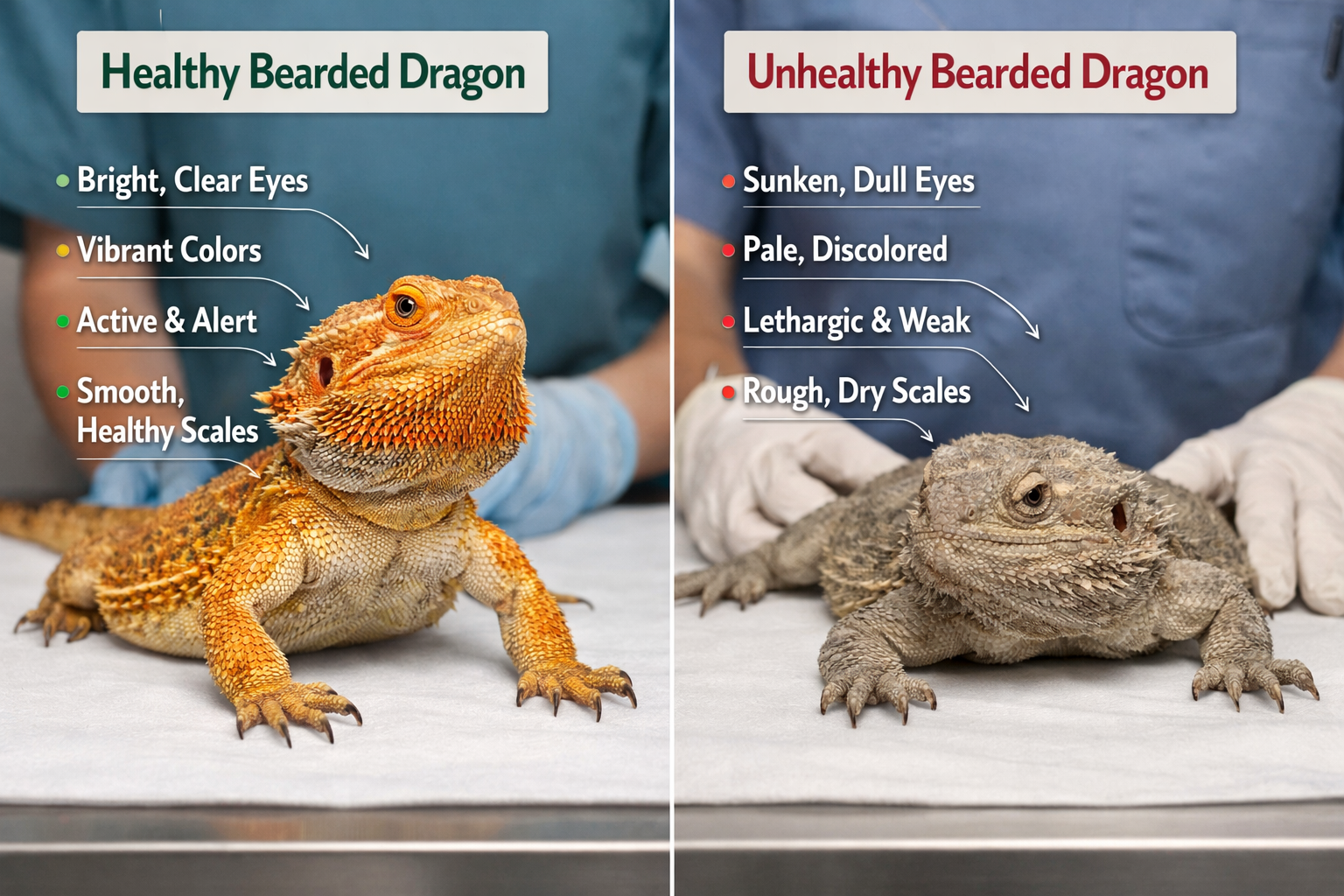
• Inspect for health indicators – Look for alert, active dragons with bright eyes, proper weight, and no signs of lethargy or illness
• Understand the 10+ year commitment – Bearded dragons require daily care and attention throughout their decade-plus lifespan
Understanding Bearded Dragon Color Morphs and Pricing
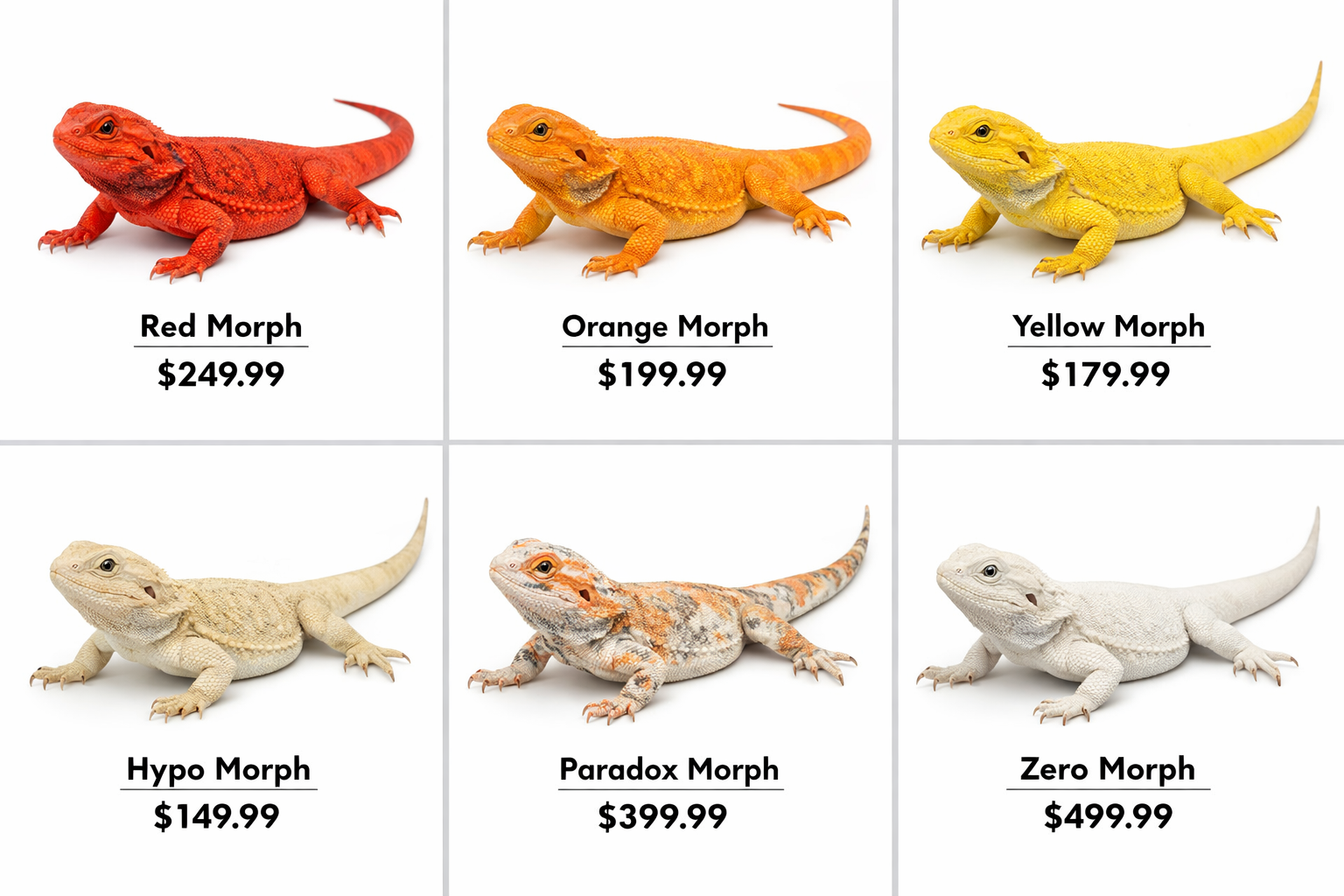
When purchasing a bearded dragon, one of the most exciting aspects is exploring the incredible variety of color morphs available in today’s market. These genetic variations have been carefully developed by dedicated breeders over decades, resulting in stunning dragons that range from vibrant oranges and deep reds to unique patterns like paradox and hypo morphs.
Popular Color Morphs and Their Characteristics
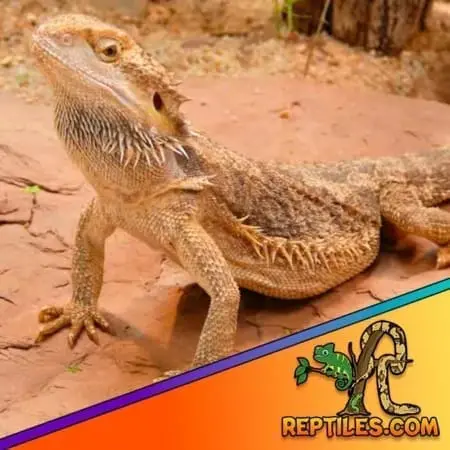
The world of bearded dragon morphs is vast and constantly evolving. Standard or “normal” bearded dragons typically feature brown, tan, and gray coloration that mimics their wild Australian ancestors. These dragons represent the most affordable option for new owners, usually priced around $99.99 for healthy juveniles.
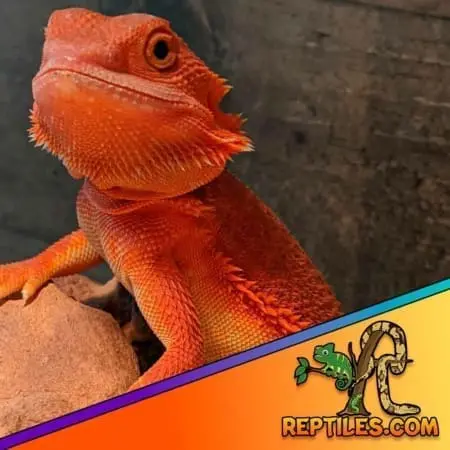
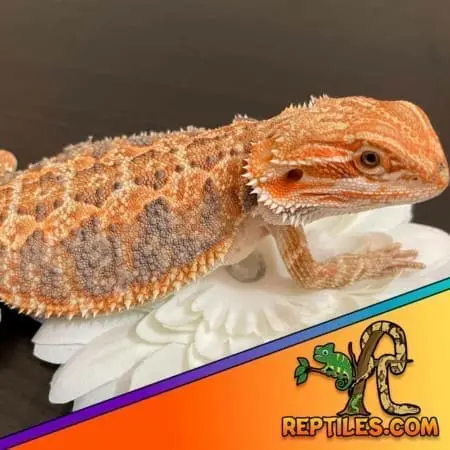
Red bearded dragons showcase intense crimson coloration that becomes more pronounced as they mature. These striking reptiles have become increasingly popular among collectors and typically command higher prices due to their visual appeal. The red bearded dragon morph represents excellent value for those seeking a colorful pet without the premium pricing of rarer variants.
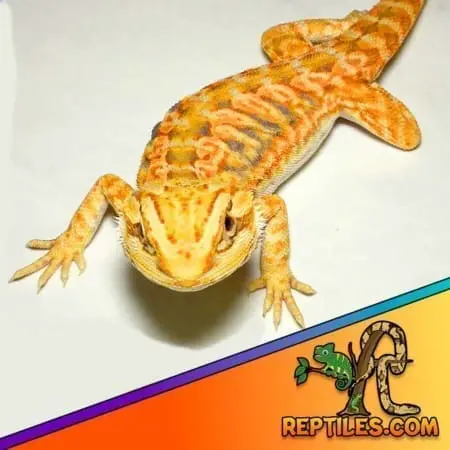
Orange bearded dragons display warm, vibrant orange hues that create a stunning visual impact in any terrarium setup. These dragons often maintain their bright coloration throughout their lives, making them a favorite among enthusiasts who appreciate consistent, eye-catching appearance.
Yellow bearded dragons feature bright golden tones that can range from pale cream to deep amber. The yellow bearded dragon morph offers a unique alternative to traditional earth tones and pairs beautifully with naturalistic terrarium designs.
Advanced Morphs and Premium Pricing
Hypo bearded dragons (hypomelanistic) exhibit reduced dark pigmentation, resulting in brighter, cleaner colors with less black patterning. The hypo bearded dragon represents one of the most sought-after morphs due to its enhanced color clarity and striking appearance.
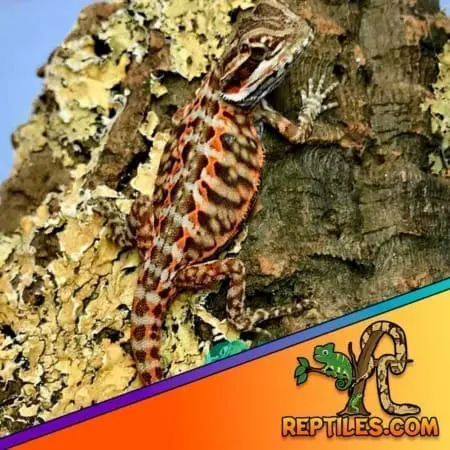
Paradox bearded dragons display random patches of contrasting colors that create unique, one-of-a-kind patterns. No two paradox dragons look exactly alike, making them highly prized by collectors. The paradox bearded dragon morph typically commands premium pricing due to its rarity and unpredictable beauty.
Zero bearded dragons lack pattern and dark pigmentation entirely, creating a clean, solid-colored appearance. These dragons represent some of the most expensive morphs available, often reaching the upper end of the $99-499 price range.
Age Categories and Sizing Options
Reputable breeders offer bearded dragons in three primary age categories, each with distinct advantages for different types of owners.
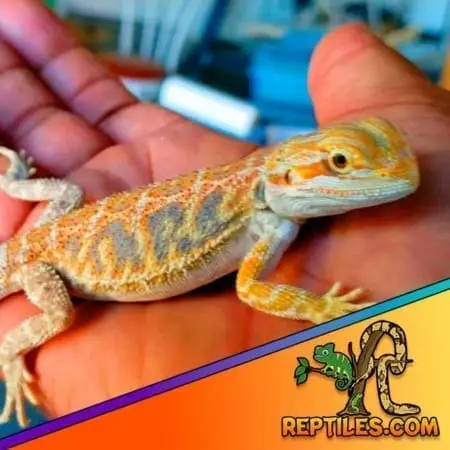
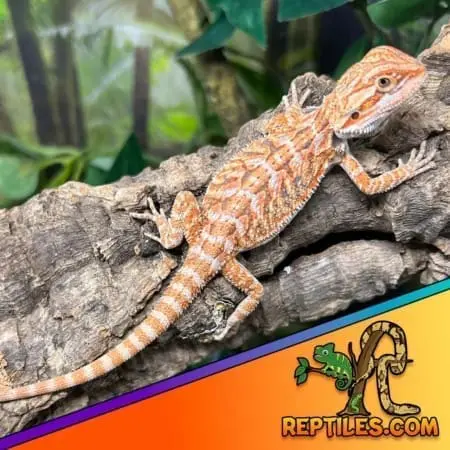
Baby bearded dragons (3-6 months old) represent the most popular choice for first-time owners. These baby bearded dragons allow you to bond with your pet from an early age and watch them grow and develop their adult coloration. Babies require more frequent feeding and careful monitoring but offer the longest potential lifespan with their new families.
Juvenile bearded dragons (6-12 months old) provide an excellent middle ground between babies and adults. These juvenile bearded dragons have passed the most delicate stage of development while still offering plenty of growth and bonding opportunities.
Adult bearded dragons (12+ months old) appeal to owners who prefer to skip the intensive care requirements of younger dragons. Adult bearded dragons display their full adult coloration and size, making them ideal for those who want to see exactly what they’re getting.
- Display 9 Products per page


Health Assessment When Purchasing a Bearded Dragon
The health evaluation process represents the most critical aspect of purchasing a bearded dragon. A thorough assessment can mean the difference between bringing home a thriving pet that lives for over a decade versus dealing with expensive veterinary bills and potential heartbreak from a sick animal.
Physical Health Indicators
Alert and active behavior serves as the primary indicator of a healthy bearded dragon [3]. Healthy dragons should appear curious about their surroundings, with their heads held high and eyes tracking movement around their enclosure. Avoid any dragon that appears lethargic, keeps its eyes closed during daylight hours, or remains motionless when approached.
Proper body weight and muscle tone indicate good nutrition and overall health. A healthy dragon should feel solid when gently handled, with visible muscle definition along the tail and limbs. Avoid dragons that feel lightweight, have visible hip bones, or display a triangular head shape that indicates malnutrition.
Clear, bright eyes without discharge or swelling demonstrate good health. The eyes should be fully open during daylight hours and track movement naturally. Sunken eyes often indicate dehydration, while swollen or cloudy eyes may signal infection or injury.
Clean mouth and nose areas should be free from discharge, swelling, or unusual odors. The mouth should close properly without gaps, and breathing should appear effortless through the nose.
Behavioral Assessment
Proper defensive responses indicate a neurologically healthy dragon. While excessive aggression isn’t desirable, a healthy dragon should show some awareness and mild defensive behavior when approached by strangers. Complete lack of response may indicate illness or neurological issues.
Normal movement patterns include coordinated walking, climbing, and positioning behaviors. Watch for any limping, dragging of limbs, or inability to support their own body weight, which could indicate metabolic bone disease or injury.
Appropriate feeding responses can often be observed during your visit. Healthy dragons should show interest in food when offered and demonstrate normal eating behaviors.
Age-Related Considerations
Minimum age requirements cannot be overstated in importance. Never purchase bearded dragons younger than 3 months old, as hatchlings are fragile, defensive, easily stressed, and significantly more likely to die shortly after purchase [4]. This age restriction protects both the animal’s welfare and your investment.
Size expectations for different ages help ensure you’re getting an appropriately developed dragon. Three-month-old juveniles should measure approximately 8-12 inches in total length, while six-month juveniles typically reach 12-16 inches.
Red Flags to Avoid
Lethargy or unresponsiveness represents the most serious warning sign when evaluating potential pets. Dragons that remain motionless, keep their eyes closed, or fail to react to gentle stimulation should be avoided entirely.
Visible parasites or discharge from the eyes, nose, mouth, or vent area indicate potential health problems that could be expensive to treat and may affect the dragon’s long-term health.
Improper housing conditions at the seller’s facility often correlate with health problems in the animals. Avoid purchasing from locations with overcrowded enclosures, inadequate lighting, poor sanitation, or inappropriate temperatures.
Where to Buy: Choosing Reputable Sources for Purchasing a Bearded Dragon
The source you choose when purchasing a bearded dragon dramatically impacts the health, temperament, and long-term success of your new pet. Understanding the differences between various sellers and knowing what to look for in reputable sources can save you significant money, stress, and heartache while ensuring you bring home the healthiest possible dragon.
The Superiority of Reptile Specialists
Reptile-focused breeders and retailers represent the gold standard for purchasing a bearded dragon. These specialists dedicate their expertise exclusively to reptiles, developing deep knowledge about proper care, breeding practices, and health management that generalist pet stores simply cannot match.
Reptiles.com stands out as the premier destination for bearded dragons for sale, combining over a decade of breeding experience with the expertise of an on-site animal biologist. This level of professional oversight ensures that every dragon receives optimal care from hatching through shipping to your door.
Specialized reptile shops offer several advantages over chain pet stores. These businesses typically maintain smaller inventories with higher-quality animals, provide knowledgeable staff who can answer detailed care questions, and often offer ongoing support for new owners.
Reptile expos and shows provide excellent opportunities to meet multiple breeders in one location, compare animals and prices, and ask detailed questions about breeding practices and animal history. These events often feature the most dedicated and experienced breeders in the hobby.
Online vs. Local Purchasing Options
Reputable online retailers like Reptiles.com have revolutionized the reptile industry by providing access to high-quality animals regardless of geographic location. When choosing bearded dragons for sale online, look for sellers who provide detailed health guarantees, professional shipping methods, and comprehensive care information.
Local reptile breeders offer the advantage of seeing animals in person before purchase and often provide ongoing local support. Research bearded dragon breeders near me to identify reputable local options, but don’t limit yourself geographically if local options are limited.
What to Avoid: Chain Pet Stores
Big-box pet stores present several significant disadvantages for purchasing a bearded dragon. These retailers often source animals from commercial breeding facilities that prioritize quantity over quality, leading to health and temperament issues [6].
Imported animals commonly found in chain stores may harbor parasites and suffer from stress-related health problems that don’t become apparent until after purchase [5]. The cost savings of buying from these sources often disappear quickly when veterinary bills accumulate.
Inadequate staff knowledge at general pet stores means you’re unlikely to receive accurate care information or proper health assessments. Staff members typically lack the specialized reptile knowledge necessary to identify potential problems or provide appropriate guidance.
Evaluating Breeder Credentials
Experience and reputation serve as primary indicators of breeder quality. Look for bearded dragon breeders with established track records, positive customer reviews, and active involvement in the reptile community.
Facility standards reflect the breeder’s commitment to animal welfare. Reputable breeders maintain clean, well-organized facilities with appropriate lighting, heating, and housing for all animals.
Health guarantees and support distinguish professional breeders from casual sellers. Quality breeders offer health guarantees, provide detailed care instructions, and remain available for questions after the sale.
Questions to Ask Potential Sellers
Breeding history and genetics information helps you understand what to expect from your dragon’s development and potential adult characteristics. Ask about the parents’ size, coloration, and any known genetic traits.
Feeding and care protocols used by the breeder provide insight into the dragon’s current health status and help you maintain consistency during the transition to your care.
Health screening and veterinary care practices indicate the seller’s commitment to animal welfare. Reputable sources conduct regular health checks and maintain relationships with qualified reptile veterinarians.
- Display 9 Products per page
Essential Setup and Equipment Costs

Purchasing a bearded dragon involves much more than the cost of the animal itself. The initial setup represents a significant investment that directly impacts your dragon’s health, happiness, and longevity. Understanding these costs upfront helps you budget appropriately and ensures you can provide proper care from day one.
Terrarium Requirements and Sizing
Minimum enclosure dimensions vary among experts, but most agree that bigger is always better for bearded dragons. The most commonly recommended minimum size is a 4’x2’x2′ (120x60x60cm) enclosure for adult dragons [1], though some specialists recommend 6’x2’x2′ PVC enclosures for optimal space [2].
40-gallon tanks represent the absolute minimum for juvenile dragons but should be considered temporary housing that requires upgrading as the animal grows [7]. While these smaller enclosures cost less initially, the need to upgrade within 6-12 months often makes larger enclosures more economical in the long run.
PVC enclosures offer superior insulation and easier maintenance compared to glass terrariums. These specialized reptile enclosures typically cost $300-600 but provide better temperature gradients and humidity control.
Glass terrariums remain popular due to their availability and aesthetic appeal. Quality 4x2x2 glass enclosures typically range from $200-400, though they may require additional insulation in cooler climates.
Lighting and Heating Systems
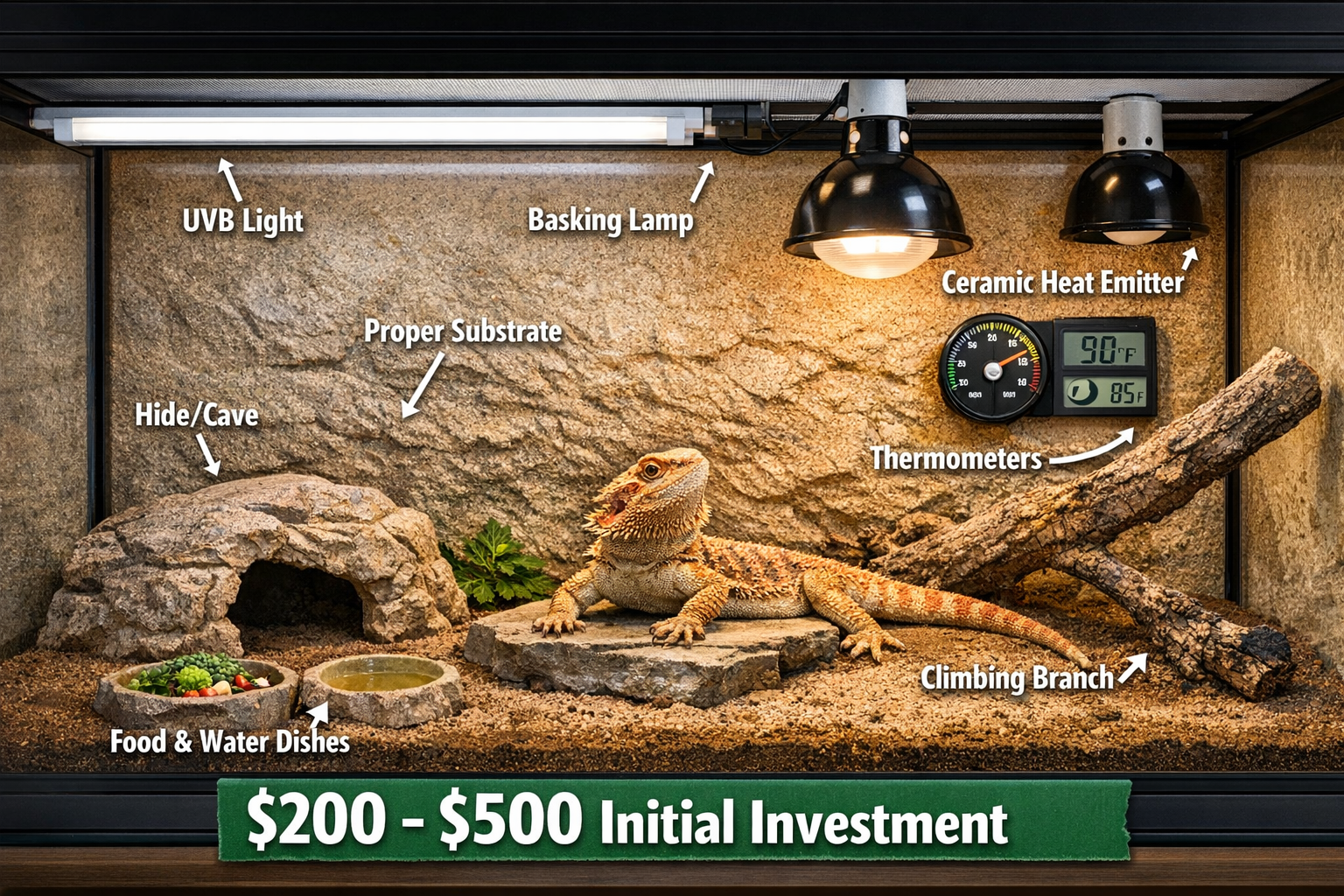
UVB lighting represents the most critical component of any bearded dragon setup. High-quality linear UVB fixtures and bulbs typically cost $80-150 initially, with replacement bulbs needed every 6-12 months at $25-40 each.
Basking lights create the essential temperature gradient that allows dragons to thermoregulate properly. Ceramic heat emitters, halogen bulbs, or specialized basking bulbs range from $15-50 each, with fixture costs adding another $30-80.
Thermostats and controllers ensure safe, consistent temperatures throughout the enclosure. Quality digital thermostats cost $50-150 but prevent dangerous temperature fluctuations that could harm your dragon.
Temperature monitoring equipment including digital thermometers and infrared temperature guns help you maintain proper thermal gradients. Budget $30-60 for adequate monitoring equipment.
Substrate and Furnishing Costs
Safe substrate options include tile, reptile carpet, or paper towels for juvenile dragons. Tile represents the most economical long-term option at $50-100 for a complete enclosure, while reptile carpet costs $20-40 but requires regular replacement.
Hiding places and décor provide essential security and enrichment for your dragon. Quality hiding spots, basking platforms, and climbing branches typically cost $50-150 total.
Food and water dishes should be appropriately sized and easy to clean. Ceramic or stainless steel dishes cost $15-30 and last indefinitely with proper care.
Total Investment Breakdown
Budget setup costs for a complete bearded dragon habitat typically range from $200-500 [7], not including the dragon itself. This wide range reflects differences in enclosure size, equipment quality, and whether you choose new or used components.
Dragon costs vary dramatically based on age and morph, ranging from $99.99 for standard juveniles to $499 for rare color morphs or specially bred varieties. When shopping for reptiles for sale, remember that higher initial costs often correlate with better genetics and health.
Ongoing monthly expenses include electricity for lighting and heating ($15-30), food costs ($20-40), and occasional substrate replacement ($10-20). Annual expenses for UVB bulb replacement and veterinary check-ups add another $100-200.
Money-Saving Strategies
Used equipment can significantly reduce initial costs, but ensure all electrical components function safely and UVB bulbs are recently replaced. Never compromise on critical components like thermostats or UVB lighting.
Gradual upgrades allow you to spread costs over time while ensuring your dragon’s immediate needs are met. Start with essential items and add enrichment and upgrades as budget allows.
DIY solutions for non-critical items like hiding spots and décor can reduce costs while providing custom solutions for your specific setup.
🦎 Bearded Dragon Purchase Cost Calculator
🐉 Dragon Selection
🏠 Enclosure Setup
🛠️ Additional Equipment
💰 Cost Breakdown
💡 Recommendations:
Long-Term Considerations and Commitment
Purchasing a bearded dragon represents a significant long-term commitment that extends far beyond the initial excitement of bringing home your new pet. Understanding the full scope of this responsibility helps ensure you're prepared for the decade-plus journey ahead and can provide consistent, quality care throughout your dragon's entire lifespan.
Lifespan and Daily Care Requirements
Bearded dragons live approximately 10-15 years with proper care, making them a long-term commitment comparable to many traditional pets [9]. This extended lifespan means your dragon will likely be part of your family through major life changes including moves, career transitions, and family developments.
Daily care requirements remain consistent throughout your dragon's life and cannot be delegated or postponed. These responsibilities include feeding appropriate portions of vegetables and protein, maintaining proper temperatures and lighting cycles, monitoring health and behavior, and providing fresh water and clean living conditions.
Feeding schedules vary by age but require daily attention. Juvenile dragons need feeding twice daily with a diet consisting primarily of insects, while adults transition to primarily vegetarian diets with feeding every other day. The consistency of this schedule impacts your dragon's health and digestive function.
Temperature and lighting management demands daily monitoring and seasonal adjustments. UVB lights require replacement every 6-12 months regardless of whether they still produce visible light, and heating elements need regular inspection for safety and effectiveness.
Financial Planning for Long-Term Ownership
Annual veterinary costs should be budgeted even for healthy dragons. Routine check-ups, fecal parasite testing, and preventive care typically cost $100-200 annually, while emergency veterinary visits can range from $200-800 depending on the issue and required treatment.
Equipment replacement and upgrades represent ongoing expenses throughout your dragon's life. UVB bulbs require replacement every 6-12 months at $25-40 each, heating elements may need replacement every 1-2 years, and enclosure upgrades may become necessary as your dragon grows or your housing situation changes.
Food costs accumulate significantly over a decade-plus lifespan. Monthly feeding expenses typically range from $20-40 depending on your dragon's age, size, and local food costs. Juvenile dragons consume more expensive live insects, while adult dragons rely more heavily on fresh vegetables and fruits.
Lifestyle Impact and Travel Considerations
Daily schedule constraints affect your flexibility and travel options. Bearded dragons require consistent lighting cycles, temperature maintenance, and feeding schedules that cannot be easily automated or delegated to inexperienced caretakers.
Vacation and travel planning becomes more complex when you own a bearded dragon. Options include finding experienced reptile sitters, boarding facilities that accept reptiles, or limiting travel duration to what your dragon can safely handle with minimal intervention.
Housing transitions require careful planning to ensure your dragon's environment remains stable. Moving to new homes, changing living situations, or upgrading enclosures all create stress that must be managed carefully to maintain your dragon's health.
Preparing for Common Health Issues
Metabolic bone disease represents one of the most common health problems in captive bearded dragons, typically resulting from inadequate UVB lighting or poor calcium supplementation. Prevention through proper lighting and nutrition is far more effective and economical than treatment.
Parasites and digestive issues may develop despite excellent care, particularly in dragons obtained from questionable sources. Regular fecal testing and prompt veterinary attention for appetite changes or abnormal behavior help catch problems early when treatment is most effective.
Impaction risks from inappropriate substrate or feeding practices can create life-threatening emergencies requiring immediate veterinary intervention. Understanding safe substrate options and proper feeding practices prevents most impaction cases.
Building Support Networks
Reptile veterinarian relationships should be established before health problems arise. Research qualified exotic veterinarians in your area and establish a relationship through routine wellness visits rather than waiting for emergencies.
Online communities and local groups provide valuable resources for troubleshooting care questions, finding supplies, and connecting with other experienced keepers. Active participation in these communities helps you stay current with best practices and emerging research.
Backup care arrangements become essential for responsible ownership. Identify friends, family members, or professional pet sitters who can provide appropriate care during emergencies or planned absences.
- Display 9 Products per page
Conclusion
Purchasing a bearded dragon in 2026 offers an incredibly rewarding opportunity to welcome a fascinating, intelligent reptile companion into your family. Throughout this comprehensive guide, we've explored every crucial aspect of the purchasing process, from understanding the diverse world of color morphs and their pricing to evaluating health indicators, choosing reputable sources, and preparing for the long-term commitment ahead.
The key to success lies in thorough preparation and making informed decisions at every step. Remember that healthy dragons from reputable breeders like those available through Reptiles.com represent the best investment for your money and peace of mind. Their decade of experience and on-site animal biologist ensure you're getting a healthy, well-socialized dragon that will thrive in your care.
Your next steps should include:
- Determine your budget for both initial setup ($200-500) and ongoing care costs
- Research reputable sources and avoid chain pet stores that may sell unhealthy imported animals
- Prepare your setup completely before bringing your dragon home, ensuring proper temperatures, lighting, and housing
- Choose an appropriate age and morph based on your experience level and preferences
- Establish a relationship with a qualified reptile veterinarian in your area
The investment in purchasing a bearded dragon extends far beyond the initial cost. You're committing to providing daily care, maintaining proper environmental conditions, and ensuring veterinary care for a decade or more. However, the rewards of sharing your life with these remarkable creatures - watching them develop unique personalities, observing their intelligent behaviors, and enjoying their calm, gentle nature - make every aspect of the commitment worthwhile.
Whether you choose a budget-friendly standard morph for $99.99 or invest in a premium paradox or zero morph for $499, the most important factors remain the same: source your dragon from reputable bearded dragon breeders, ensure proper health evaluation, and commit to providing excellent care throughout your dragon's entire lifespan.
The bearded dragon community continues to grow as more people discover the joys of reptile ownership. By following the guidance in this comprehensive guide and choosing quality animals from established sources, you'll be well-prepared to join the ranks of successful bearded dragon owners who enjoy years of companionship with their scaly friends.
Remember, when you're ready to take the next step, explore the extensive selection of reptiles for sale and find your perfect bearded dragon companion today. The journey of reptile ownership begins with a single, well-informed decision - and now you have all the knowledge necessary to make that decision confidently.
References
[1] Bearded Dragon Care Sheet - https://internetreptile.com/blogs/care-sheets/bearded-dragon-care-sheet
[2] Bearded Dragon Starter Buying Guide - https://www.happydragons.com/buying-guides/bearded-dragon-starter-buying-guide
[3] Where To Get - https://www.thebeardeddragon.org/bearded-dragon/where-to-get
[4] Shopping List - https://reptifiles.com/bearded-dragon-care/shopping-list/
[5] Bearded Dragons Owning - https://vcahospitals.com/know-your-pet/bearded-dragons-owning
[6] Watch - https://www.youtube.com/watch?v=LtAcp2a4gnw
[7] Bearded Dragon Care - https://newagepet.com/blogs/learning-center/bearded-dragon-care
[8] All You Need To Know About Getting A Pet Bearded Dragon - https://decspets.ie/insights/all-you-need-to-know-about-getting-a-pet-bearded-dragon/
[9] 3 Tips For Bearded Dragon Owners - https://mazuri.com/blogs/education-and-nutrition/3-tips-for-bearded-dragon-owners
[10] A0303 - https://www.petsmart.com/learning-center/reptile-care/bearded-dragons/A0303.html