
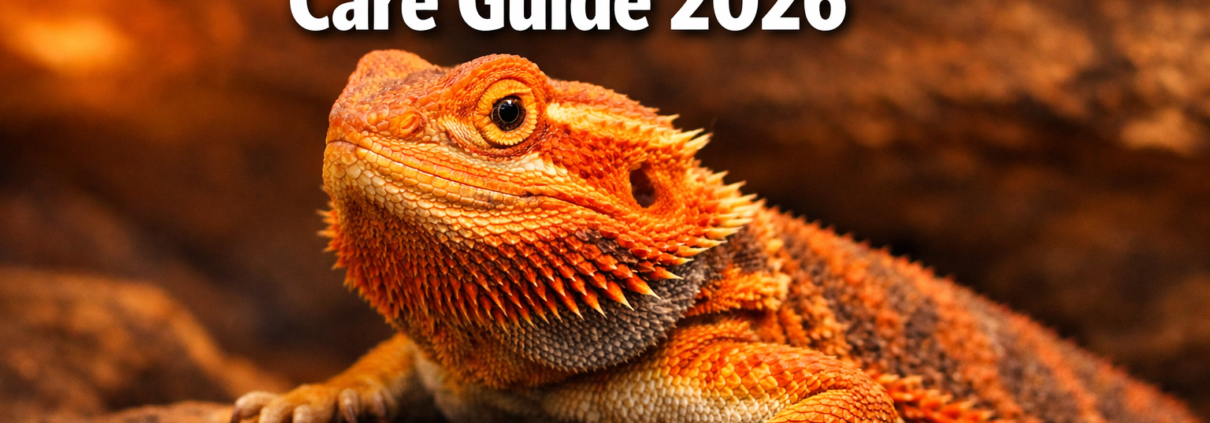
Adult Bearded Dragon
Picture this: you’re scrolling through social media when a video of a magnificent, full-grown bearded dragon catches your eye. Its vibrant colors shimmer under the light as it basks regally on a piece of driftwood, looking like a miniature dragon from a fantasy novel. That moment of wonder you feel? That’s exactly why adult bearded dragons have captured the hearts of reptile enthusiasts worldwide and become one of the most sought-after pets in the reptile community.
An adult bearded dragon represents the pinnacle of reptile companionship—a creature that combines the exotic appeal of a dragon with the gentle temperament of a beloved pet. These remarkable reptiles have evolved from wild Australian natives to captive-bred marvels that display an incredible array of colors, patterns, and personalities that would make any reptile lover’s heart skip a beat.
- Display 9 Products per page
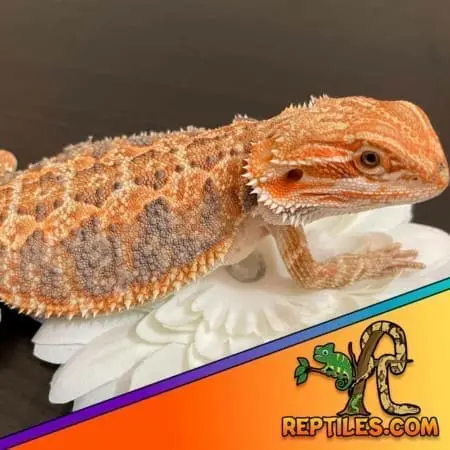
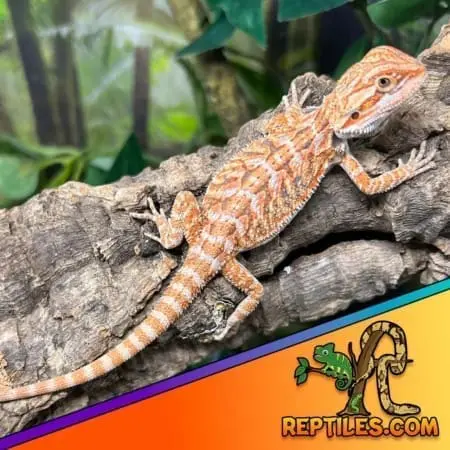
Key Takeaways
• Adult bearded dragons reach 16-24 inches in length and require specialized care including proper UVB lighting, temperature gradients, and spacious enclosures of at least 75 gallons
• Diet transitions significantly from juvenile to adult, shifting from 80% insects to 80% vegetables and greens for optimal health
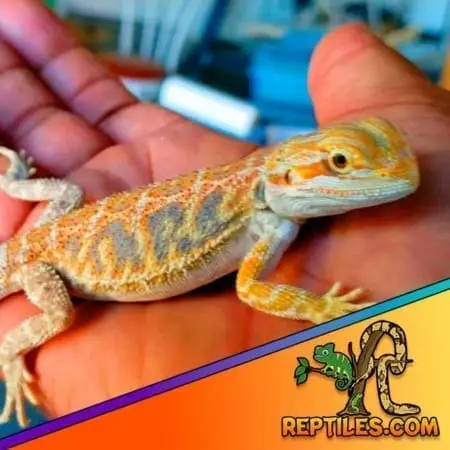
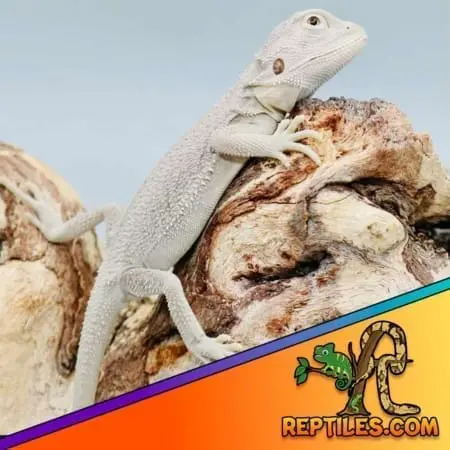
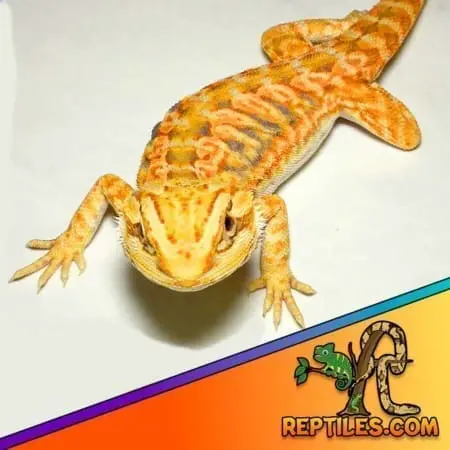
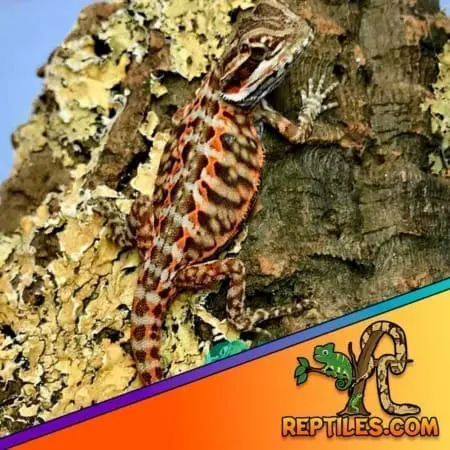
• Popular morphs like Red, Hypo, Citrus, and Translucent can range from $99 for standard varieties to over $1,000 for rare genetic combinations
• Captive-bred specimens from reputable breeders offer superior health, temperament, and genetic diversity compared to wild-caught alternatives
• Proper habitat setup with temperature gradients (95-105°F basking, 75-85°F cool side) and full-spectrum lighting is crucial for long-term health and longevity
Understanding Adult Bearded Dragon Development and Characteristics
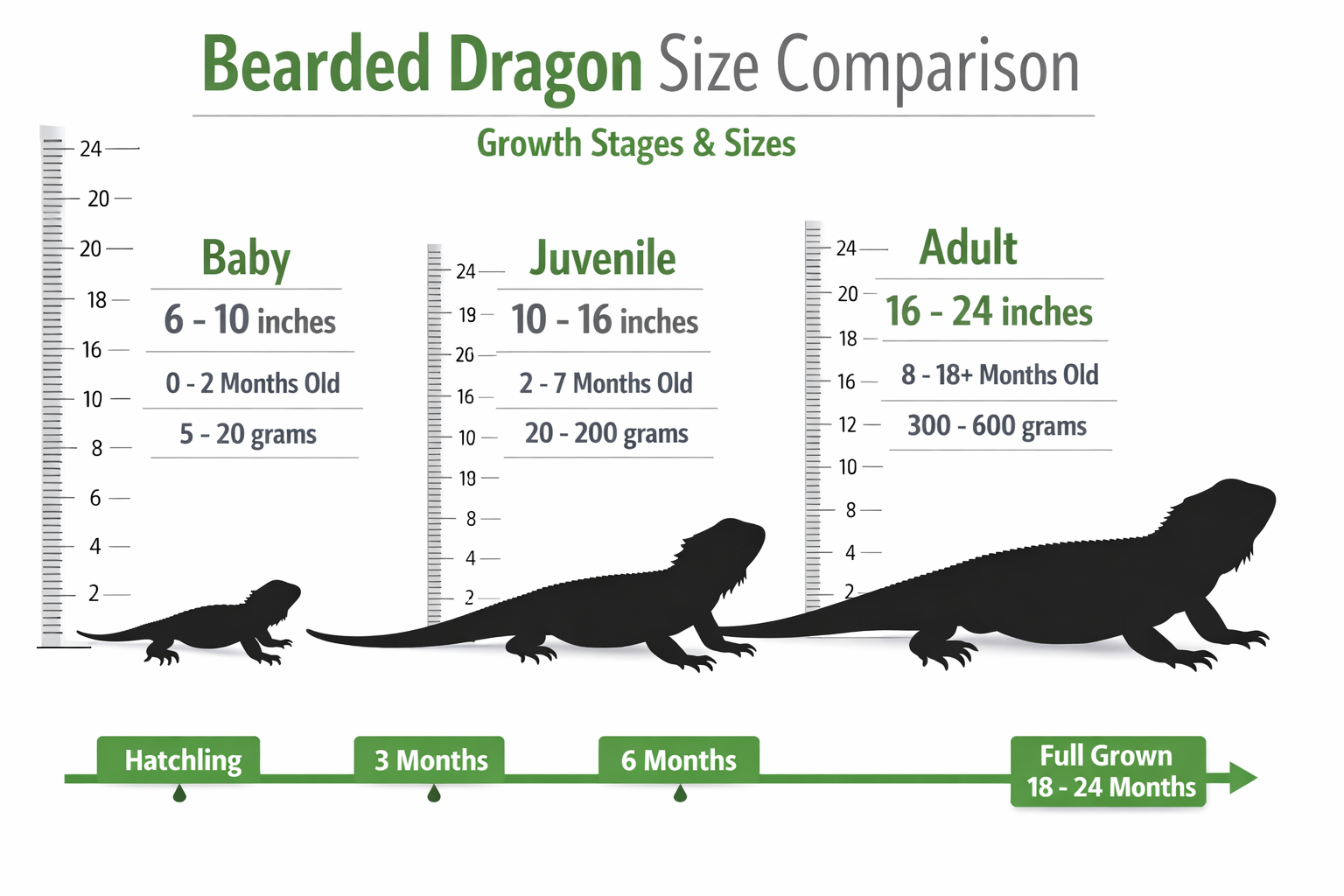
When we talk about an adult bearded dragon, we’re discussing a reptile that has reached full maturity, typically around 18-24 months of age. At this stage, these magnificent creatures have developed their full size potential, reaching anywhere from 16 to 24 inches in total length, with some exceptional specimens growing even larger.
Physical Development Milestones
The transformation from a tiny hatchling to a robust adult bearded dragon is truly remarkable. Adult males typically develop broader heads, darker beard coloration, and more pronounced femoral pores compared to their female counterparts. Their bodies become more muscular and substantial, with well-developed limbs capable of supporting their increased body weight.
Size and Weight Specifications:
- Length: 16-24 inches (nose to tail tip)
- Weight: 300-600 grams on average
- Head width: 2-3 inches across
- Lifespan: 10-15 years with proper care
Sexual Maturity and Breeding Readiness
Adult bearded dragons reach sexual maturity between 12-18 months, though optimal breeding age is typically 18-24 months when they’ve achieved full physical development. This is when bearded dragon breeders begin incorporating healthy specimens into their breeding programs to produce the next generation of captive-bred animals.
Understanding these developmental stages is crucial whether you’re purchasing from established bearded dragons for sale listings or planning to breed your own animals. The expertise gained from working with adult specimens translates directly to success with other reptile species, as detailed in comprehensive guides like those found for advanced keeper tips.
Behavioral Characteristics of Adult Bearded Dragons
Adult bearded dragons display complex behavioral patterns that make them fascinating pets. They exhibit territorial behaviors, communicate through head bobbing and arm waving, and develop distinct personalities that endear them to their keepers. Unlike juveniles, adults are generally calmer and more predictable in their daily routines.
Common Adult Behaviors:
- Basking: Extended periods under heat lamps
- Glass surfing: Exploring enclosure boundaries
- Brumation: Seasonal dormancy periods
- Social recognition: Distinguishing between family members
Essential Adult Bearded Dragon Care Requirements
Caring for an adult bearded dragon requires a comprehensive understanding of their specific needs, which differ significantly from juvenile care requirements. The investment in proper setup and ongoing care is substantial, but the rewards of keeping these magnificent creatures are immeasurable.
Housing and Enclosure Specifications
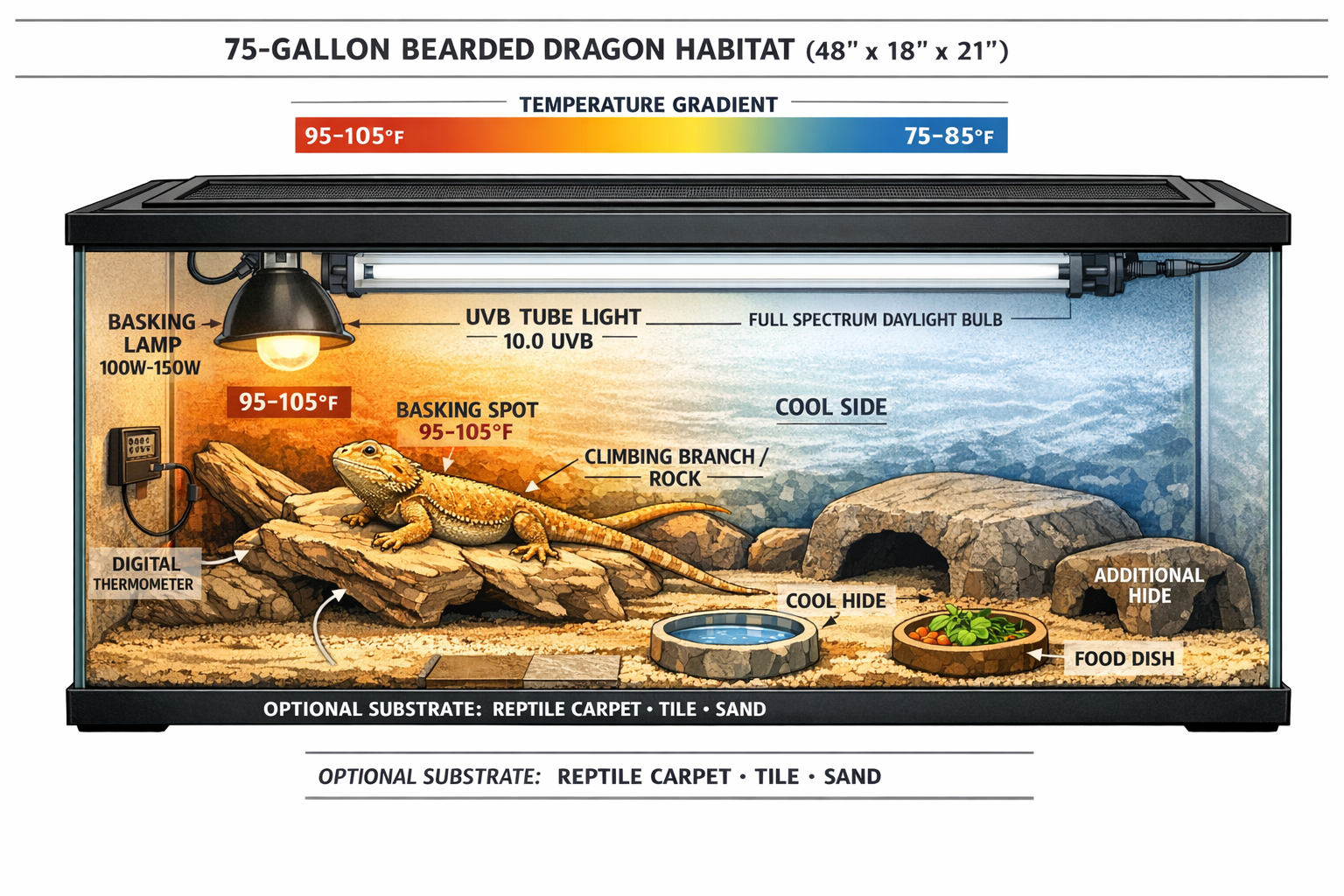
An adult bearded dragon requires a minimum enclosure size of 75 gallons, though 120 gallons or larger is strongly recommended for optimal welfare. The enclosure should be longer than it is tall, providing ample floor space for these terrestrial reptiles to move, explore, and establish territories.
Minimum Enclosure Dimensions:
- Length: 48 inches minimum
- Width: 24 inches minimum
- Height: 20-24 inches
- Substrate depth: 2-4 inches
Temperature and Lighting Requirements
Proper temperature gradients are absolutely critical for adult bearded dragon health. These reptiles are ectothermic, meaning they rely on external heat sources to regulate their body temperature and metabolic processes.
Temperature Zones:
- Basking spot: 95-105°F
- Warm side: 85-95°F
- Cool side: 75-85°F
- Nighttime: 65-75°F
UVB Lighting Essentials
UVB lighting is non-negotiable for adult bearded dragon care. Without proper UVB exposure, these reptiles cannot synthesize vitamin D3, leading to metabolic bone disease and other serious health complications.
UVB Requirements:
- Tube length: Spanning 2/3 of enclosure length
- UVB strength: 10.0-12.0% output
- Replacement schedule: Every 6-12 months
- Daily photoperiod: 12-14 hours
The quality of care provided to adult specimens directly impacts their longevity and breeding potential. Professional breeders like those featured in reptile care resources emphasize the importance of maintaining optimal environmental conditions throughout the animal’s life.
Substrate Selection and Maintenance
Choosing appropriate substrate for an adult bearded dragon involves balancing safety, hygiene, and natural behavior expression. Adults are less likely than juveniles to accidentally ingest substrate, providing more options for naturalistic setups.
Recommended Substrates:
- Reptile carpet: Easy cleaning, reusable
- Paper towels: Hygienic, cost-effective
- Tile: Natural heat retention, easy sanitization
- Excavator clay: Allows natural digging behaviors
Adult Bearded Dragon Diet and Nutrition Guide
The dietary needs of an adult bearded dragon undergo a dramatic shift from their juvenile requirements. While young bearded dragons require a protein-heavy diet to support rapid growth, adults thrive on a plant-based diet supplemented with occasional protein sources.
Adult Diet Composition Breakdown
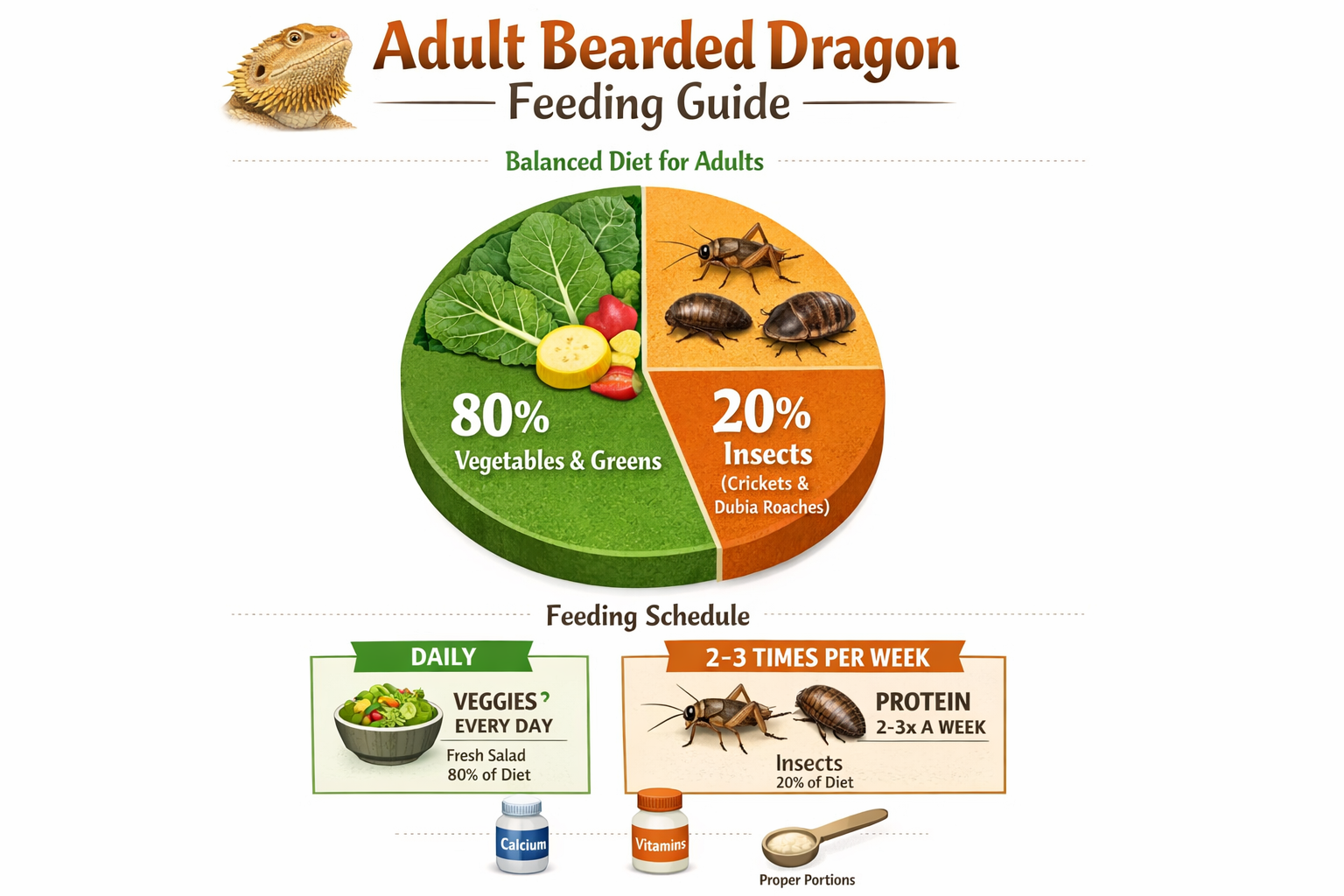
Adult bearded dragons should receive approximately 80% plant matter and 20% animal protein in their diet. This ratio supports healthy weight maintenance while providing essential nutrients for long-term health and vitality.
Daily Feeding Schedule:
- Vegetables and greens: Daily, unlimited quantities
- Fruits: 2-3 times per week, small portions
- Insects: 2-3 times per week, controlled portions
- Supplements: Calcium and vitamin D3 as needed
Approved Vegetables and Greens
The foundation of any adult bearded dragon diet should consist of nutrient-dense, calcium-rich vegetables and leafy greens. These foods provide essential vitamins, minerals, and fiber necessary for optimal digestive health.
Primary Staple Greens:
- Collard greens: High calcium, excellent daily choice
- Mustard greens: Nutrient-dense, readily accepted
- Turnip greens: Calcium-rich, flavorful option
- Dandelion greens: Wild-type nutrition, natural foraging
Supplementary Vegetables:
- Squash varieties: Beta-carotene rich, colorful
- Bell peppers: Vitamin C source, various colors
- Carrots: Shredded, vitamin A content
- Sweet potato: Occasional treat, high nutrition
Protein Sources for Adult Bearded Dragons
While plant matter dominates the adult bearded dragon diet, protein remains important for maintaining muscle mass, supporting immune function, and providing essential amino acids.
Recommended Feeder Insects:
- Dubia roaches: High protein, excellent nutrition
- Crickets: Readily available, gut-loadable
- Black soldier fly larvae: High calcium content
- Silkworms: Premium nutrition, natural diet item
The transition to adult feeding schedules requires careful monitoring to prevent obesity, a common problem in captive adult bearded dragons. Professional breeding operations, such as those highlighted in specialized reptile care guides, emphasize the importance of maintaining proper body condition throughout the animal’s life.
Supplementation and Hydration
Adult bearded dragons require careful supplementation to prevent nutritional deficiencies. Calcium and vitamin D3 supplementation becomes particularly important for breeding females and animals housed indoors without natural sunlight exposure.
Supplementation Schedule:
- Calcium with D3: 2-3 times per week
- Calcium without D3: Daily dusting of vegetables
- Multivitamin: Once weekly
- Probiotics: As needed for digestive health
Popular Adult Bearded Dragon Morphs and Pricing Guide
The world of adult bearded dragon morphs represents one of the most exciting aspects of the reptile hobby. Through selective breeding programs, dedicated breeders have developed an incredible array of colors, patterns, and scale types that showcase the genetic diversity possible within the species.
Understanding Bearded Dragon Genetics
Adult bearded dragon morphs result from genetic mutations that affect coloration, pattern, and scale structure. These traits can be combined to create increasingly complex and valuable animals that command premium prices in the reptile market.
Basic Genetic Categories:
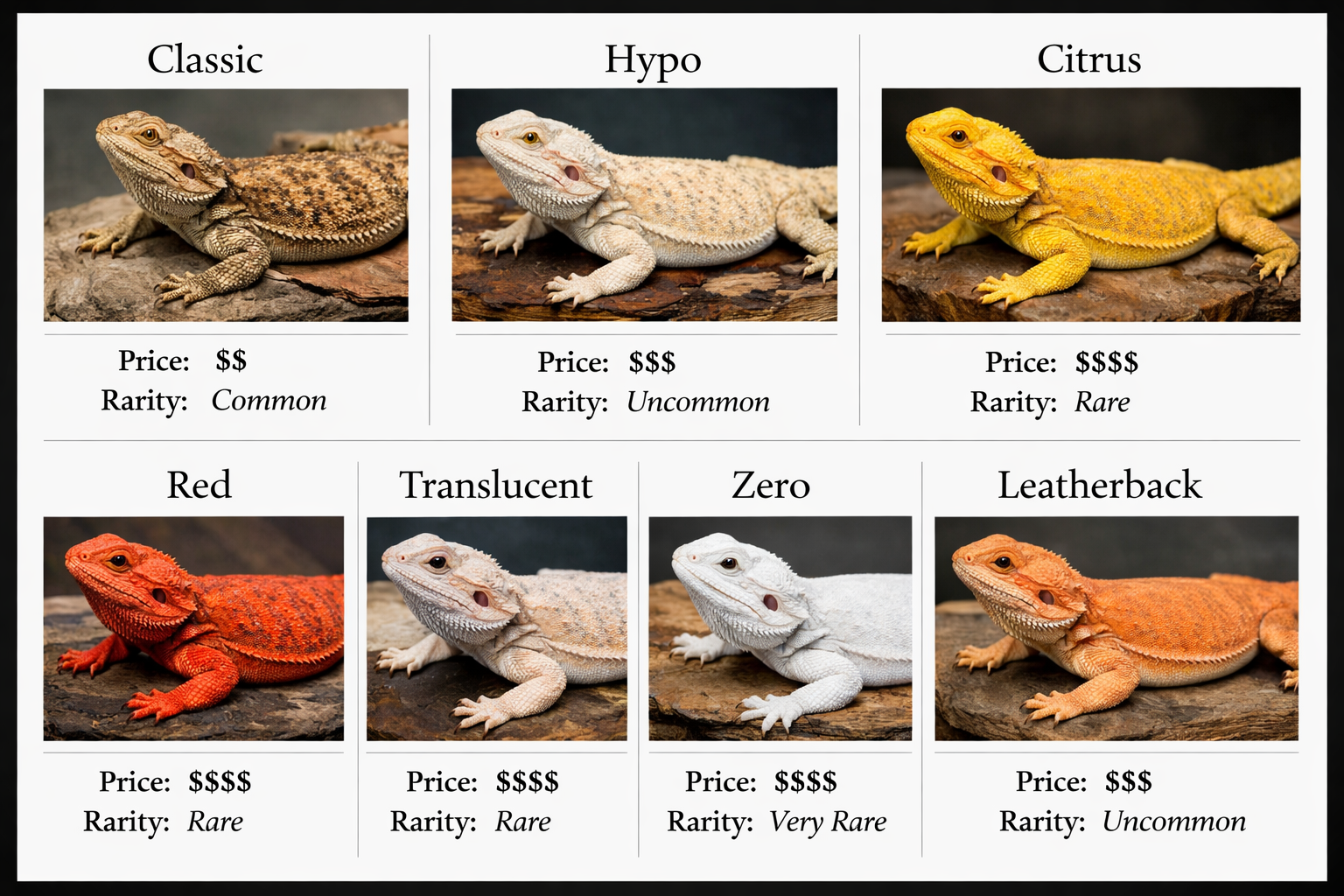
- Color morphs: Red, orange, citrus, yellow variations
- Pattern morphs: Translucent, hypomelanistic, zero
- Scale morphs: Leatherback, silkback, microscale
- Combination morphs: Multiple traits expressed together
Classic and Standard Adult Bearded Dragons
The foundation of any breeding program begins with high-quality standard adult bearded dragons that display excellent health, temperament, and genetic diversity. These animals typically range from $99-$199 depending on age, size, and breeder reputation.
Standard Morph Characteristics:
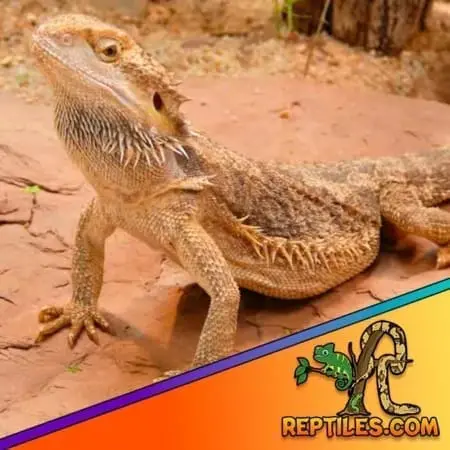
- Coloration: Natural brown, tan, and yellow tones
- Pattern: Wild-type banding and markings
- Scale type: Normal scale development
- Availability: Readily available year-round
For those seeking their first red bearded dragon, understanding the baseline characteristics of standard morphs provides essential context for appreciating the genetic achievements represented by designer morphs.
Premium Color Morphs
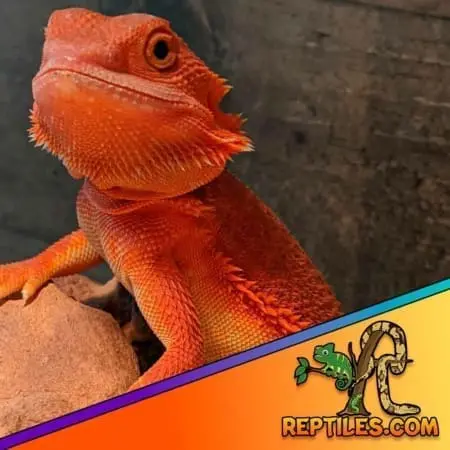
Red Adult Bearded Dragons represent some of the most sought-after animals in the hobby. These stunning specimens display vibrant red coloration that intensifies with proper care and optimal environmental conditions.
Red Morph Pricing:
- Baby (0-6 months): $299-$499
- Juvenile (6-12 months): $399-$599
- Adult (12+ months): $499-$799
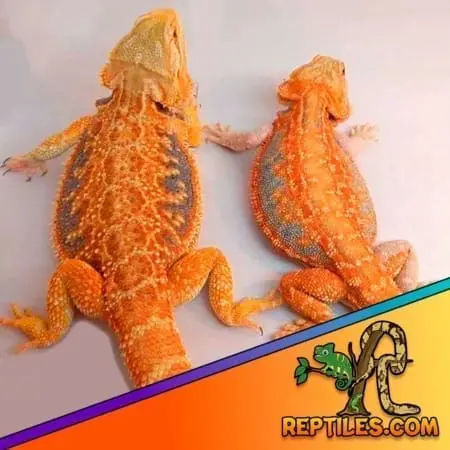
Hypo Adult Bearded Dragons showcase reduced melanin production, resulting in lighter, more vibrant colors with increased translucency. These animals often serve as the foundation for creating even more complex morphs.
Citrus Adult Bearded Dragons display brilliant yellow and orange coloration reminiscent of citrus fruits. The intensity of coloration often improves with age, making adult specimens particularly valuable.
Rare and Ultra-Premium Morphs
The pinnacle of adult bearded dragon breeding achievements are represented by rare genetic combinations that may take years to produce. These animals command premium prices reflecting their scarcity and the expertise required to create them.
Ultra-Premium Morphs:
- Hypo Translucent: $599-$899 adult pricing
- Zero Leatherback: $699-$999 adult pricing
- Paradox combinations: $799-$1,200+ adult pricing
- Triple trait animals: $1,000-$2,000+ adult pricing
The investment in premium adult bearded dragon morphs reflects not only their visual appeal but also their potential value in breeding programs. Established breeders like those featured among top reptile suppliers maintain detailed genetic records to ensure the integrity of their breeding lines.
Leatherback and Scale Mutations
Leatherback adult bearded dragons possess a genetic mutation that reduces the size and number of scales, creating a smoother, more leather-like appearance. This trait can be combined with color morphs to create stunning visual effects.
Leatherback Characteristics:
- Scale reduction: 50-75% fewer scales than normal
- Texture: Smooth, leather-like feel
- Color enhancement: More vibrant color expression
- Breeding: Heterozygous trait, 50% offspring carry gene
Zero adult bearded dragons represent one of the most dramatic pattern mutations, displaying solid coloration without the typical banding or markings found in wild-type animals.
Where to Buy Adult Bearded Dragons: Choosing the Right Breeder
Selecting the right source for purchasing an adult bearded dragon can make the difference between years of enjoyment and costly veterinary bills. The reptile industry has evolved significantly, with captive breeding programs now producing healthier, more diverse animals than ever before possible.
Benefits of Captive-Bred Adult Bearded Dragons
Captive-bred adult bearded dragons offer numerous advantages over wild-caught specimens or animals from questionable sources. These benefits extend far beyond initial purchase price considerations and impact the entire ownership experience.
Captive-Breeding Advantages:
- Health screening: Regular veterinary monitoring and care
- Genetic diversity: Carefully planned breeding combinations
- Temperament: Hand-selected for docile personalities
- Parasite-free: Controlled environments prevent wild parasites
- Feeding response: Established feeding on commercial diets
Reptiles.com: America’s Premier Bearded Dragon Breeder
When searching for adult bearded dragons for sale, Reptiles.com stands as the gold standard for quality, service, and genetic excellence. Their comprehensive breeding program produces some of the finest specimens available in the American market.
Why Reptiles.com Leads the Industry:
🏆 Genetic Excellence: Years of selective breeding have produced exceptional bloodlines that consistently deliver healthy, vibrant animals with outstanding temperaments.
🔬 Health Protocols: Every adult bearded dragon undergoes comprehensive health screening, including fecal examinations, weight assessments, and behavioral evaluations before being offered for sale.
📋 Documentation: Complete genetic records, feeding histories, and care instructions accompany every animal, ensuring new owners have the information needed for successful long-term care.
🚚 Shipping Expertise: Professional shipping protocols ensure adult bearded dragons arrive safely regardless of destination, with live arrival guarantees providing peace of mind.
💬 Ongoing Support: Customer service extends well beyond the initial purchase, with expert advice available throughout the animal’s lifetime.
Evaluating Adult Bearded Dragon Health
When considering adult bearded dragons for purchase, certain health indicators can help identify high-quality animals that will thrive in captivity. Understanding these markers helps buyers make informed decisions and avoid potential problems.
Health Assessment Checklist:
- Alert behavior: Active, responsive to stimuli
- Clear eyes: Bright, no discharge or cloudiness
- Healthy appetite: Eager feeding response
- Proper weight: Well-rounded but not obese
- Clean vent: No signs of parasites or infection
- Intact digits: All toes and tail tip present
The expertise required to properly evaluate adult bearded dragon health comes from years of experience working with these animals. Professional operations like those found through established reptile retailers provide this expertise as part of their service commitment.
Online vs. Local Purchasing Options
The decision between purchasing adult bearded dragons online versus from local sources involves weighing convenience, selection, and expertise factors. Each approach offers distinct advantages depending on buyer priorities and local market availability.
Online Purchase Benefits:
- Wider selection: Access to morphs unavailable locally
- Breeder reputation: Established track records and reviews
- Genetic documentation: Complete breeding histories
- Professional shipping: Experienced handling and transport
- Ongoing support: Expert advice and customer service
Local Purchase Considerations:
- Immediate inspection: Hands-on evaluation before purchase
- No shipping stress: Direct pickup eliminates transport
- Local support: Face-to-face relationship building
- Community connections: Integration with local reptile groups
Investment Considerations and Budgeting
Purchasing an adult bearded dragon represents a significant financial commitment that extends well beyond the initial animal cost. Prospective owners should carefully consider all associated expenses when budgeting for their new pet.
Initial Investment Breakdown:
- Animal cost: $99-$2,000+ depending on morph
- Enclosure setup: $300-$800 for proper housing
- Lighting equipment: $150-$300 for UVB and heating
- Initial supplies: $100-$200 for substrate, décor, food
- Veterinary exam: $75-$150 for initial health check
Ongoing Monthly Expenses:
- Food costs: $25-$50 monthly feeding expenses
- Electricity: $15-$30 for lighting and heating
- Substrate replacement: $10-$20 monthly maintenance
- Supplement costs: $5-$15 for vitamins and calcium
- Veterinary care: $200-$500 annual health maintenance
The value proposition of purchasing from established adult bearded dragon breeders becomes clear when considering the long-term costs associated with health problems that can arise from poorly bred or cared-for animals.
🐲 Adult Bearded Dragon Pricing Calculator
Calculate pricing based on morph rarity and age category
Standard/Classic Bearded Dragon
Natural coloration with wild-type patterns. Perfect for beginners and breeding programs.
COMMON
Price Comparison by Age
Health and Veterinary Care for Adult Bearded Dragons
Maintaining the health of an adult bearded dragon requires proactive veterinary care, environmental monitoring, and understanding of common health issues that affect mature specimens. Unlike juvenile animals that may show rapid changes in health status, adults often develop chronic conditions that require long-term management strategies.
Common Health Issues in Adult Bearded Dragons
Adult bearded dragons face several age-related health challenges that differ significantly from juvenile health concerns. Understanding these conditions helps owners provide appropriate preventive care and recognize early warning signs of developing problems.
Metabolic Bone Disease (MBD): While more common in juveniles, adult bearded dragons can develop MBD from inadequate UVB exposure or calcium deficiency. Adult cases often present as chronic lameness, difficulty climbing, or gradual skeletal deformities.
Reproductive Issues: Sexually mature adult bearded dragons may experience egg-binding in females or reproductive tract infections. These conditions require immediate veterinary intervention and can be life-threatening if left untreated.
Parasitic Infections: Adult animals may harbor parasitic loads that become problematic during times of stress, poor nutrition, or immune system compromise. Regular fecal examinations help identify and treat these issues before they become severe.
Preventive Health Care Protocols
Establishing a comprehensive preventive health care program for adult bearded dragons significantly reduces the likelihood of serious health problems and extends lifespan. Professional breeders and experienced keepers follow established protocols that have proven effective over decades of captive management.
Annual Health Examinations:
- Physical assessment: Complete body condition evaluation
- Fecal examination: Parasite screening and treatment
- Weight monitoring: Tracking long-term health trends
- Reproductive evaluation: Breeding readiness assessment
Quarterly Health Monitoring:
- Behavioral observations: Activity level changes
- Appetite tracking: Feeding response variations
- Environmental assessment: Habitat condition review
- Growth measurements: Size and weight documentation
The importance of establishing relationships with reptile-experienced veterinarians cannot be overstated. Many general practice veterinarians lack the specialized knowledge required for adult bearded dragon care, making it essential to locate exotic animal specialists in your area.
Recognizing Emergency Conditions
Adult bearded dragons may experience medical emergencies that require immediate veterinary attention. Understanding the difference between normal behavior variations and true emergencies can mean the difference between successful treatment and tragic loss.
Emergency Warning Signs:
- Respiratory distress: Open-mouth breathing, wheezing sounds
- Neurological symptoms: Loss of coordination, seizures, paralysis
- Severe lethargy: Unresponsiveness to stimuli, inability to move
- Prolapsed organs: Visible tissue protruding from vent
- Traumatic injuries: Broken bones, deep wounds, burns
Egg-Binding in Female Adult Bearded Dragons: This condition represents one of the most serious emergencies affecting mature females. Signs include restless digging behavior, straining without producing eggs, lethargy, and loss of appetite.
Brumation and Seasonal Health Changes
Adult bearded dragons commonly enter brumation, a hibernation-like state that can last several weeks to months during cooler seasons. Understanding this natural process helps owners distinguish between normal brumation and health problems.
Normal Brumation Behaviors:
- Decreased appetite: Gradual reduction in food intake
- Increased sleeping: Extended periods of inactivity
- Seeking cool areas: Preference for lower temperatures
- Reduced defecation: Slower metabolic processes
Concerning Brumation Signs:
- Rapid weight loss: Excessive body condition decline
- Dehydration: Sunken eyes, loose skin
- Respiratory issues: Difficulty breathing during rest
- Parasitic symptoms: Diarrhea, unusual odors
Professional guidance from experienced reptile care specialists helps distinguish between normal brumation and health concerns requiring intervention.
Nutrition-Related Health Management
The dietary needs of adult bearded dragons directly impact their long-term health outcomes. Nutritional imbalances that might not immediately affect juvenile animals can cause serious chronic conditions in mature specimens.
Obesity Prevention: Adult bearded dragons are prone to obesity, particularly males housed in optimal captive conditions. Excess weight contributes to liver disease, reproductive problems, and reduced lifespan.
Gout Management: High-protein diets inappropriate for adult animals can lead to gout, a painful condition affecting joints and kidneys. Proper adult diet ratios prevent this entirely preventable disease.
Vitamin Deficiencies: Despite supplementation efforts, adult bearded dragons may develop specific vitamin deficiencies that manifest as skin problems, immune system weakness, or reproductive failures.
The complexity of adult bearded dragon nutritional requirements underscores the value of purchasing animals from knowledgeable sources that provide comprehensive care instructions and ongoing support throughout the animal’s life.
Breeding Adult Bearded Dragons: Genetics and Reproduction
The world of adult bearded dragon breeding represents both the pinnacle of reptile husbandry achievement and a significant responsibility that requires extensive knowledge, proper facilities, and long-term commitment. Successful breeding programs contribute to the genetic diversity and health of captive populations while producing the next generation of pets and breeding animals.
Understanding Bearded Dragon Genetics
Adult bearded dragon breeding success depends heavily on understanding the genetic principles that govern trait inheritance. Modern breeding programs utilize sophisticated genetic planning to produce specific morphs while maintaining genetic diversity and health.
Basic Genetic Inheritance Patterns:
- Recessive traits: Require two copies of the gene for expression
- Co-dominant traits: Both genes express simultaneously
- Dominant traits: Express with only one copy of the gene
- Sex-linked traits: Carried on sex chromosomes
Popular Genetic Combinations:
- Hypo + Translucent: Creates exceptional color clarity
- Leatherback + Zero: Produces smooth, patternless animals
- Red + Hypo: Intensifies red coloration significantly
- Citrus + Translucent: Enhances yellow/orange expression
Breeding Preparation and Conditioning
Successful adult bearded dragon breeding requires months of preparation to ensure both animals are in optimal condition for reproduction. This process involves careful attention to nutrition, environmental conditions, and health status.
Pre-Breeding Health Assessment:
- Veterinary examination: Complete physical and reproductive evaluation
- Parasite screening: Fecal examination and treatment if necessary
- Weight optimization: Achieving ideal body condition scores
- Genetic testing: Confirming desired traits and compatibility
Environmental Conditioning:
- Temperature cycling: Simulating seasonal changes to trigger breeding
- Photoperiod adjustment: Modifying light cycles to stimulate reproduction
- Nutrition enhancement: Increased protein and calcium supplementation
- Stress reduction: Minimizing disturbances during conditioning period
The expertise required for successful adult bearded dragon breeding has led many enthusiasts to purchase breeding-quality animals from established operations like those featured among professional reptile breeders rather than attempting to develop their own breeding programs.
Breeding Behavior and Mating Process
Adult bearded dragons exhibit complex courtship behaviors that must be carefully monitored to ensure successful breeding while preventing injury to either animal. Understanding these natural behaviors helps breeders optimize timing and environmental conditions.
Courtship Behaviors:
- Head bobbing: Dominant display by males
- Arm waving: Submissive response by receptive females
- Beard darkening: Stress or excitement indicators
- Circling behavior: Pre-mating positioning activities
Mating Process Management:
- Supervised introductions: Preventing aggressive interactions
- Multiple breeding attempts: Ensuring fertilization success
- Separation timing: Removing males after successful mating
- Female monitoring: Watching for post-breeding stress signs
Egg Incubation and Hatchling Care
The incubation period for adult bearded dragon eggs typically ranges from 55-75 days depending on temperature and humidity conditions. Professional breeding operations maintain precise environmental controls to optimize hatching success and hatchling quality.
Incubation Requirements:
- Temperature range: 82-86°F for optimal development
- Humidity levels: 80-90% relative humidity
- Substrate choice: Vermiculite or perlite-based media
- Air circulation: Gentle ventilation without drying
Hatchling Management:
- Initial setup: Appropriate housing for tiny animals
- Feeding protocols: Small insects and finely chopped vegetables
- Growth monitoring: Regular weight and size measurements
- Health screening: Early identification of developmental issues
The complexity of managing adult bearded dragon breeding programs explains why most hobbyists choose to purchase animals from established breeders rather than attempting reproduction themselves.
Genetic Record Keeping and Line Development
Professional adult bearded dragon breeding requires meticulous record keeping to track genetic combinations, health histories, and breeding outcomes. This documentation becomes invaluable for making future breeding decisions and maintaining line integrity.
Essential Breeding Records:
- Genetic backgrounds: Complete lineage information for all animals
- Health histories: Medical records and veterinary examinations
- Breeding outcomes: Success rates and offspring characteristics
- Growth data: Development patterns and adult characteristics
Line Development Strategies:
- Outcrossing: Introducing new genetics to prevent inbreeding
- Line breeding: Concentrating desirable traits through selective pairing
- Hybrid vigor: Combining unrelated lines for health benefits
- Trait stabilization: Establishing consistent genetic expression
The investment in proper adult bearded dragon breeding extends far beyond initial animal costs and includes specialized facilities, equipment, veterinary care, and years of experience developing successful techniques.
Creating the Perfect Adult Bearded Dragon Habitat
Designing an optimal habitat for an adult bearded dragon requires careful consideration of space requirements, environmental controls, and enrichment opportunities that promote natural behaviors. The investment in proper habitat setup directly impacts the animal’s health, longevity, and quality of life.
Enclosure Size and Design Principles
Adult bearded dragons require significantly more space than commonly provided in commercial reptile setups. These active, territorial animals benefit from enclosures that allow for natural movement patterns, thermoregulation, and behavioral expression.
Minimum Space Requirements:
- Floor space: 48″ x 24″ minimum footprint
- Height: 20-24″ for adequate vertical space
- Volume: 120+ gallons for optimal welfare
- Multiple levels: Platforms for basking and exploration
Advanced Habitat Design:
- Custom dimensions: 6′ x 3′ x 3′ for premium setups
- Naturalistic layouts: Rock formations and climbing opportunities
- Multiple microclimates: Various temperature and humidity zones
- Seasonal modifications: Adjustable features for brumation periods
The evolution of adult bearded dragon habitat design reflects growing understanding of these animals’ complex needs. Modern setups incorporate principles learned from both wild behavior studies and decades of captive management experience.
Environmental Control Systems
Maintaining proper environmental conditions for adult bearded dragons requires sophisticated control systems that can reliably maintain temperature gradients, humidity levels, and lighting cycles throughout the year.
Temperature Management:
- Basking zone: 95-105°F surface temperatures
- Warm gradient: 85-95°F ambient temperatures
- Cool retreat: 75-85°F resting areas
- Nighttime drop: 65-75°F for natural cycling
Humidity Control:
- Ambient levels: 30-40% relative humidity
- Humid hide: 60-70% localized humidity
- Seasonal variation: Adjustments for brumation periods
- Ventilation balance: Air circulation without excessive drying
Lighting Systems:
- UVB provision: 10.0-12.0% output tubes spanning enclosure length
- Basking lights: Focused heat sources for thermoregulation
- LED supplements: Full-spectrum lighting for plant growth
- Timer controls: Automated photoperiod management
Professional-quality environmental control systems represent a significant investment but provide the reliability necessary for long-term adult bearded dragon health and welfare.
Substrate Selection and Maintenance
Choosing appropriate substrate for adult bearded dragons involves balancing safety, hygiene, natural behavior expression, and maintenance requirements. Different substrate options offer various advantages depending on keeper priorities and animal needs.
Safe Substrate Options:
- Reptile carpet: Reusable, hygienic, easy cleaning
- Ceramic tile: Excellent heat retention, natural appearance
- Paper products: Temporary use, medical situations
- Excavator clay: Natural digging behaviors, moldable terrain
Naturalistic Substrates:
- Topsoil mixtures: Organic, chemical-free compositions
- Sand/clay blends: Appropriate particle sizes for adults
- Bioactive setups: Living ecosystems with cleanup crews
- Seasonal variations: Different substrates for activity periods
The substrate choice for adult bearded dragons should reflect the animal’s natural behaviors while providing practical benefits for long-term maintenance. Many experienced keepers use different substrates for different seasons or life stages.
Enrichment and Behavioral Stimulation
Adult bearded dragons benefit significantly from environmental enrichment that encourages natural behaviors and provides mental stimulation. Well-designed enrichment programs contribute to psychological welfare and physical health.
Physical Enrichment:
- Climbing structures: Branches, rocks, artificial formations
- Basking platforms: Multiple elevated areas at various heights
- Hiding places: Secure retreats for stress reduction
- Digging areas: Substrate zones for natural excavation
Behavioral Enrichment:
- Foraging opportunities: Hidden food items encouraging natural hunting
- Seasonal changes: Environmental modifications mimicking wild conditions
- Social interaction: Supervised handling and interaction sessions
- Exploration zones: Rotating décor items for novelty
Sensory Enrichment:
- Visual barriers: Creating territories within larger enclosures
- Texture variety: Different surfaces for tactile stimulation
- Scent markers: Natural odors from appropriate sources
- Sound environments: Natural audio recordings during active periods
The sophistication of modern adult bearded dragon habitat design reflects the growing understanding of these animals’ complex needs and the commitment of dedicated keepers to providing optimal welfare.
Maintenance and Cleaning Protocols
Maintaining pristine habitat conditions for adult bearded dragons requires consistent cleaning protocols that prevent bacterial buildup, parasite transmission, and environmental degradation. Professional maintenance schedules ensure long-term habitat success.
Daily Maintenance Tasks:
- Spot cleaning: Removing waste and uneaten food immediately
- Water changes: Fresh, clean water provision
- Temperature monitoring: Verifying proper thermal gradients
- Behavioral observations: Noting activity patterns and health indicators
Weekly Maintenance:
- Substrate cleaning: Thorough waste removal and substrate maintenance
- Décor sanitization: Cleaning and disinfecting habitat furniture
- System checks: Verifying proper function of all equipment
- Deep cleaning: Comprehensive habitat sanitation
Monthly Maintenance:
- Complete teardown: Total habitat cleaning and reset
- Equipment replacement: UVB bulbs, heating elements as needed
- Health assessments: Detailed physical examinations
- Environmental adjustments: Seasonal modifications and improvements
The commitment required for proper adult bearded dragon habitat maintenance explains why many people choose to purchase their animals from sources that provide comprehensive care guidance and ongoing support throughout the animal’s life.
Conclusion
The journey of adult bearded dragon ownership represents one of the most rewarding experiences available in the reptile hobby. These magnificent creatures offer a unique combination of exotic appeal, manageable care requirements, and engaging personalities that create lasting bonds between animal and keeper.
Throughout this comprehensive guide, we’ve explored every aspect of adult bearded dragon care, from basic husbandry requirements to advanced breeding considerations. The key to success lies in understanding that these animals require significant initial investment in proper equipment, ongoing commitment to environmental maintenance, and access to expert guidance when challenges arise.
Essential Action Steps for Prospective Owners:
🏠 Prepare Your Setup First: Before purchasing an adult bearded dragon, ensure you have a complete habitat ready with proper lighting, heating, and environmental controls. This preparation prevents stress and health problems during the critical adjustment period.
🔍 Choose Reputable Sources: Select adult bearded dragons from established breeders with proven track records, comprehensive health guarantees, and ongoing customer support. The initial investment in quality animals pays dividends through years of healthy companionship.
📚 Continue Learning: Join reptile communities, attend educational seminars, and maintain relationships with experienced keepers and veterinarians. The reptile hobby constantly evolves, and staying current with best practices ensures optimal animal welfare.
💰 Budget Appropriately: Factor in all costs associated with adult bearded dragon ownership, including initial setup, ongoing maintenance, veterinary care, and potential emergency expenses. Proper budgeting prevents compromises in animal care quality.
🏥 Establish Veterinary Care: Locate reptile-experienced veterinarians in your area before purchasing your animal. Preventive care relationships prove invaluable during health emergencies or routine maintenance needs.
The adult bearded dragon hobby continues to evolve as breeding programs produce increasingly spectacular animals and our understanding of optimal care practices deepens. Whether you’re drawn to the vibrant colors of premium morphs or the steady companionship of standard varieties, these remarkable reptiles offer experiences that enrich the lives of dedicated keepers.
As you embark on your adult bearded dragon journey, remember that success comes from combining proper preparation, quality animals, and ongoing commitment to learning and improvement. The investment in time, resources, and education creates relationships with these fascinating creatures that can span decades and provide countless hours of enjoyment and satisfaction.
The future of adult bearded dragon keeping looks brighter than ever, with advancing husbandry techniques, improving veterinary care, and increasingly sophisticated breeding programs producing healthier, more beautiful animals for enthusiasts to enjoy. By following the guidelines presented in this comprehensive guide and maintaining connections with the broader reptile community, you’ll be well-prepared to provide exceptional care for these remarkable animals throughout their lives.
References
[1] Australian Department of Environment – Native Species Conservation Guidelines
[2] Journal of Herpetological Medicine and Surgery – Captive Breeding Protocols
[3] Association of Reptilian and Amphibian Veterinarians – Health Care Guidelines
[4] International Herpetological Society – Husbandry Best Practices
[5] Reptile Genetics Research Institute – Morph Development Studies
[6] Veterinary Clinics of North America: Exotic Animal Practice – Nutrition Guidelines