
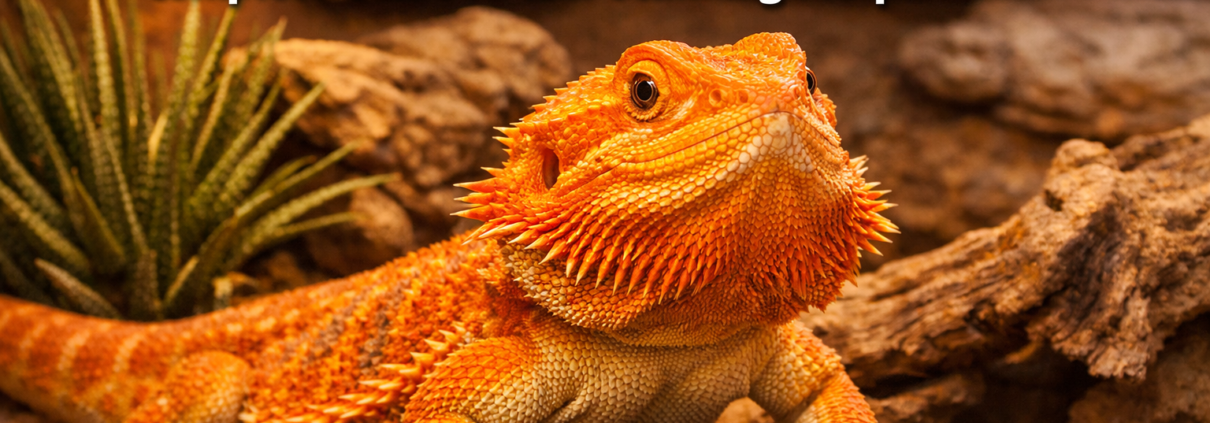
Orange Bearded Dragon
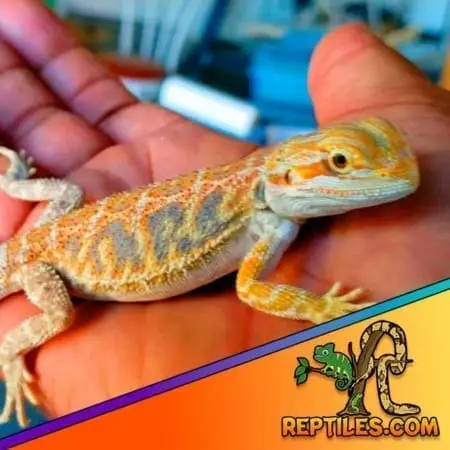
Picture walking into a reptile expo and being stopped dead in your tracks by a bearded dragon that looks like it was painted with liquid sunshine. That’s exactly what happened to me when I first encountered an orange bearded dragon – a morph so vibrant and captivating that it instantly became my favorite among all bearded dragon varieties. These stunning reptiles represent some of the most sought-after specimens in the hobby, combining the beloved temperament of standard bearded dragons with absolutely breathtaking citrus coloration.
- Display 9 Products per page
Key Takeaways
• Orange bearded dragons are a color morph, not a separate species, created through selective breeding for enhanced orange pigmentation
• Prices range from $200-$1,000+ depending on the intensity of orange coloration and breeding quality
• They require identical care to standard bearded dragons but may need specific lighting to maintain vibrant colors
• Reputable breeders like Reptiles.com offer captive-bred specimens with health guarantees and genetic documentation
• Orange morphs can be combined with other traits like hypo, trans, and leatherback for even more stunning variations
Understanding Orange Bearded Dragon Genetics and Morphs
What Makes an Orange Bearded Dragon Special?
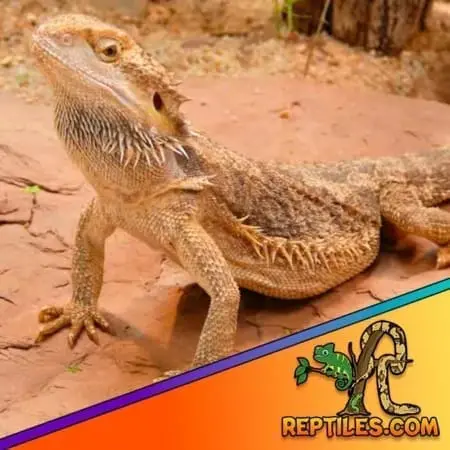
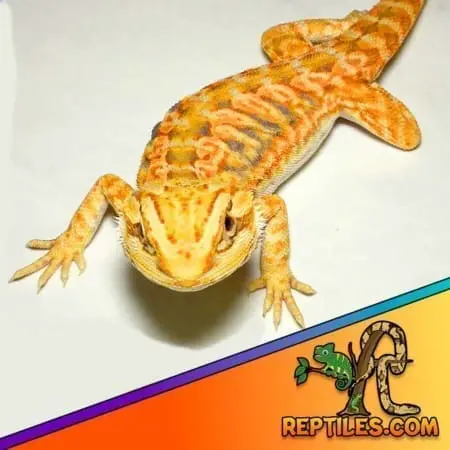
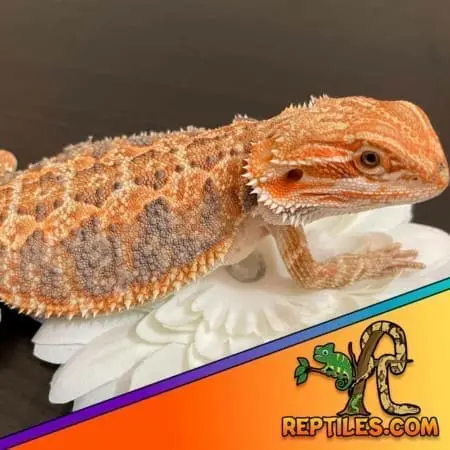
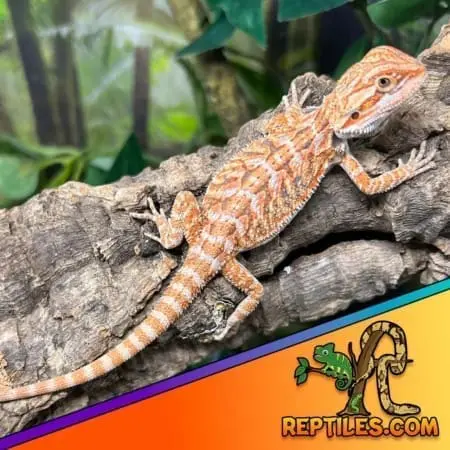
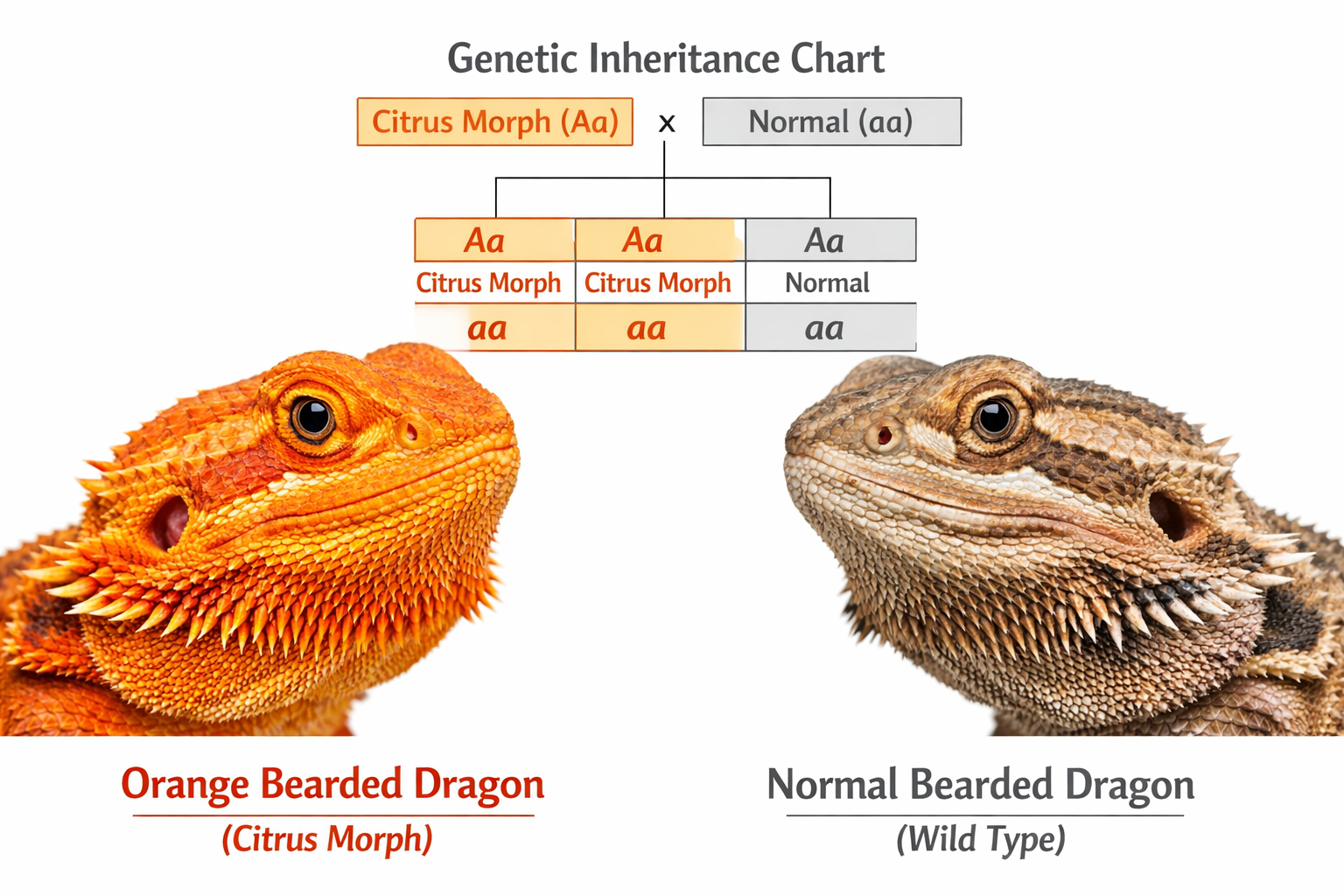
The orange bearded dragon represents one of the most visually striking color morphs in the reptile world. Unlike wild-type bearded dragons that display muted browns and tans, orange morphs showcase vibrant citrus hues ranging from pale peach to deep tangerine. This coloration results from selective breeding programs that enhance naturally occurring orange pigments called carotenoids.
Genetic Foundation of Orange Coloration:
- Enhanced carotenoid production in skin cells
- Selective breeding for increased orange pigmentation
- Polygenic inheritance (multiple genes involved)
- Variable expression based on diet, lighting, and genetics
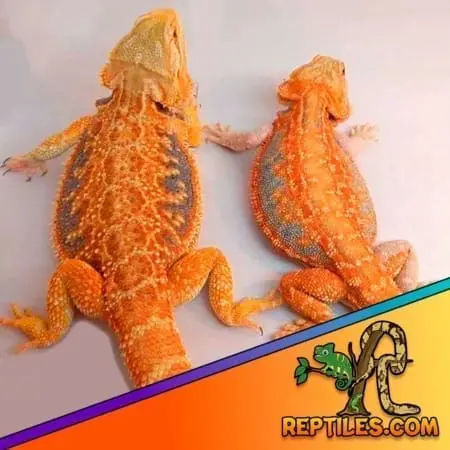
The intensity of orange coloration can vary significantly between individuals. Some specimens display subtle orange highlights, while others exhibit intense, almost fluorescent orange that covers their entire body. This variation makes each orange bearded dragon unique and contributes to the wide price range in the market.
Popular Orange Morph Combinations
Orange coloration can be combined with other genetic traits to create even more spectacular morphs:
| Morph Combination | Description | Average Price Range |
|---|---|---|
| Orange Hypo | Reduced dark pigmentation with orange enhancement | $300-$600 |
| Orange Trans | Translucent scales with orange coloration | $400-$800 |
| Orange Leatherback | Reduced scale size with orange pigmentation | $350-$700 |
| Orange Citrus | Intense yellow-orange coloration | $500-$1,200 |
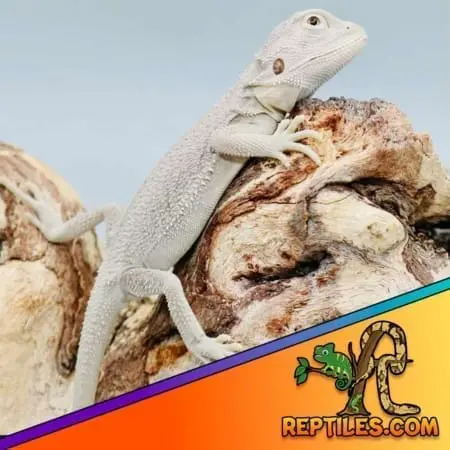
| Orange Zero | White/pale base with orange highlights | $600-$1,500 |
When looking to purchase bearded dragons for sale, understanding these combinations helps you make informed decisions about which morph best suits your preferences and budget.
Orange Bearded Dragon Care Requirements and Setup
Essential Habitat Requirements
Caring for an orange bearded dragon follows the same fundamental principles as standard bearded dragon care, but with some specific considerations to maintain their vibrant coloration. The key to successful orange bearded dragon husbandry lies in providing optimal conditions that support both health and color development.
Enclosure Specifications:
- Minimum Size: 40-gallon breeder tank for juveniles, 75+ gallons for adults
- Length: At least 4 feet for adult dragons
- Height: 18-24 inches to accommodate basking branches
- Substrate: Paper towels, reptile carpet, or tile (avoid sand for juveniles)
Temperature and Lighting for Color Enhancement
Proper lighting plays a crucial role in maintaining the vibrant orange coloration of these morphs. UVB lighting not only supports calcium metabolism but also helps enhance and maintain the intensity of orange pigmentation.
Temperature Requirements:
- Basking Spot: 95-110°F (35-43°C)
- Cool Side: 75-85°F (24-29°C)
- Nighttime: 65-75°F (18-24°C)
- Humidity: 30-40%
Lighting Setup:
- UVB: 10.0-12.0 UVB fluorescent or mercury vapor bulb
- Basking Light: 75-100 watt halogen or ceramic heat emitter
- Photoperiod: 12-14 hours during active season, 8-10 hours during brumation
For comprehensive guidance on bearded dragon care fundamentals, refer to our detailed bearded dragon care sheet which covers all aspects of proper husbandry.
Diet and Nutrition for Optimal Coloration
The diet of an orange bearded dragon directly impacts the vibrancy of their coloration. Carotenoid-rich foods help enhance and maintain the orange pigmentation that makes these morphs so desirable.
Carotenoid-Rich Foods:
- 🥕 Carrots – High in beta-carotene
- 🍠 Sweet potatoes – Excellent carotenoid source
- 🥬 Collard greens – Rich in lutein and beta-carotene
- 🦐 Dubia roaches – Natural carotenoid content
- 🌶️ Red bell peppers – High carotenoid concentration
Feeding Schedule by Age:
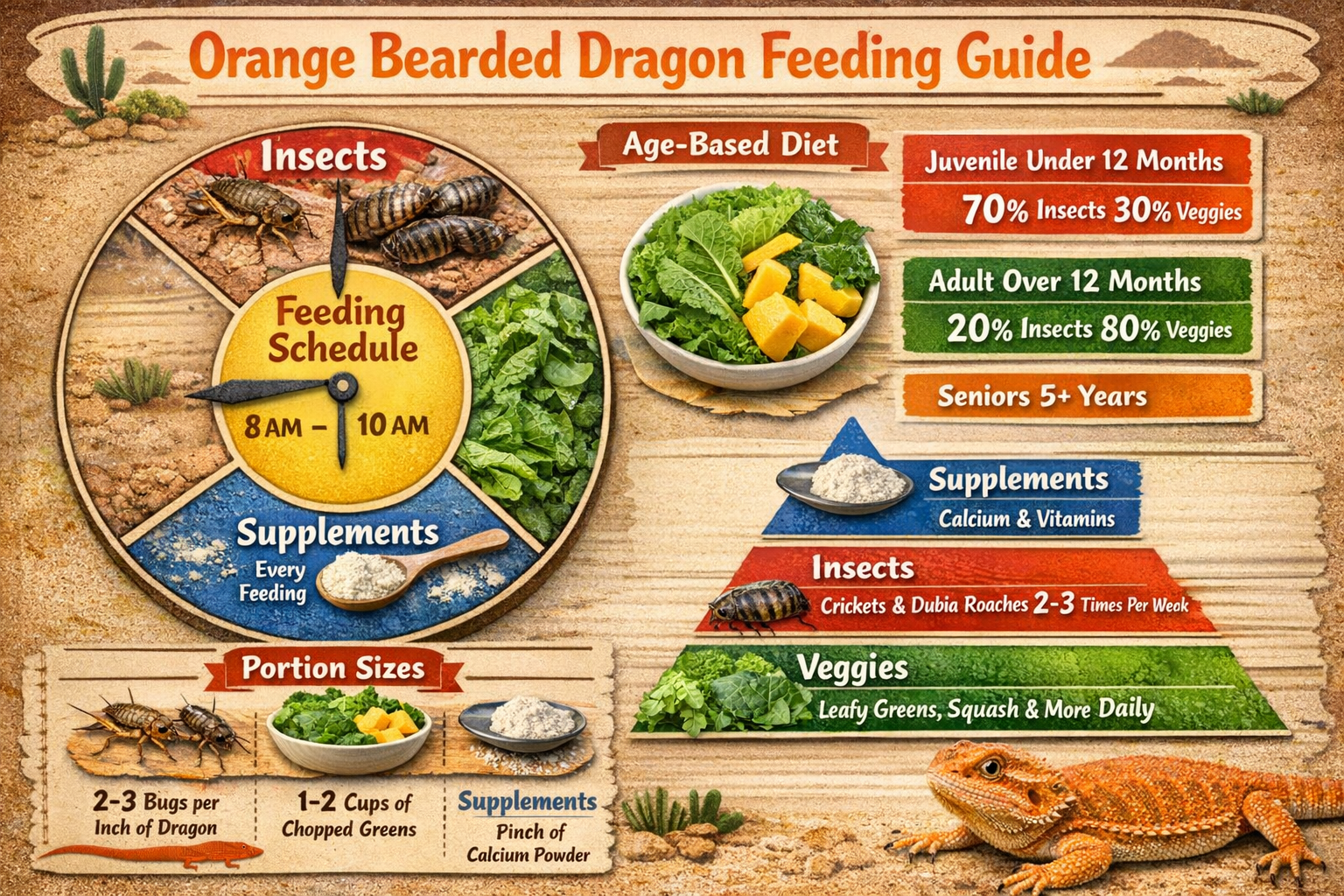
- Juveniles (0-12 months): 80% insects, 20% vegetables, daily feeding
- Sub-adults (12-18 months): 60% insects, 40% vegetables, every other day
- Adults (18+ months): 20% insects, 80% vegetables, every 2-3 days
Breeding Orange Bearded Dragons: Genetics and Breeding Programs
Understanding Orange Inheritance Patterns
Breeding orange bearded dragons requires understanding the complex genetics behind color inheritance. Unlike simple recessive traits, orange coloration involves multiple genes working together, making breeding outcomes somewhat unpredictable but exciting for dedicated breeders.
Breeding Considerations:
- Orange intensity varies between bloodlines
- Multiple generations needed for color refinement
- Environmental factors influence expression
- Selective breeding improves consistency
Successful orange breeding programs focus on gradually intensifying color over multiple generations while maintaining genetic diversity and overall health. This process requires patience, detailed record-keeping, and a deep understanding of bearded dragon genetics.
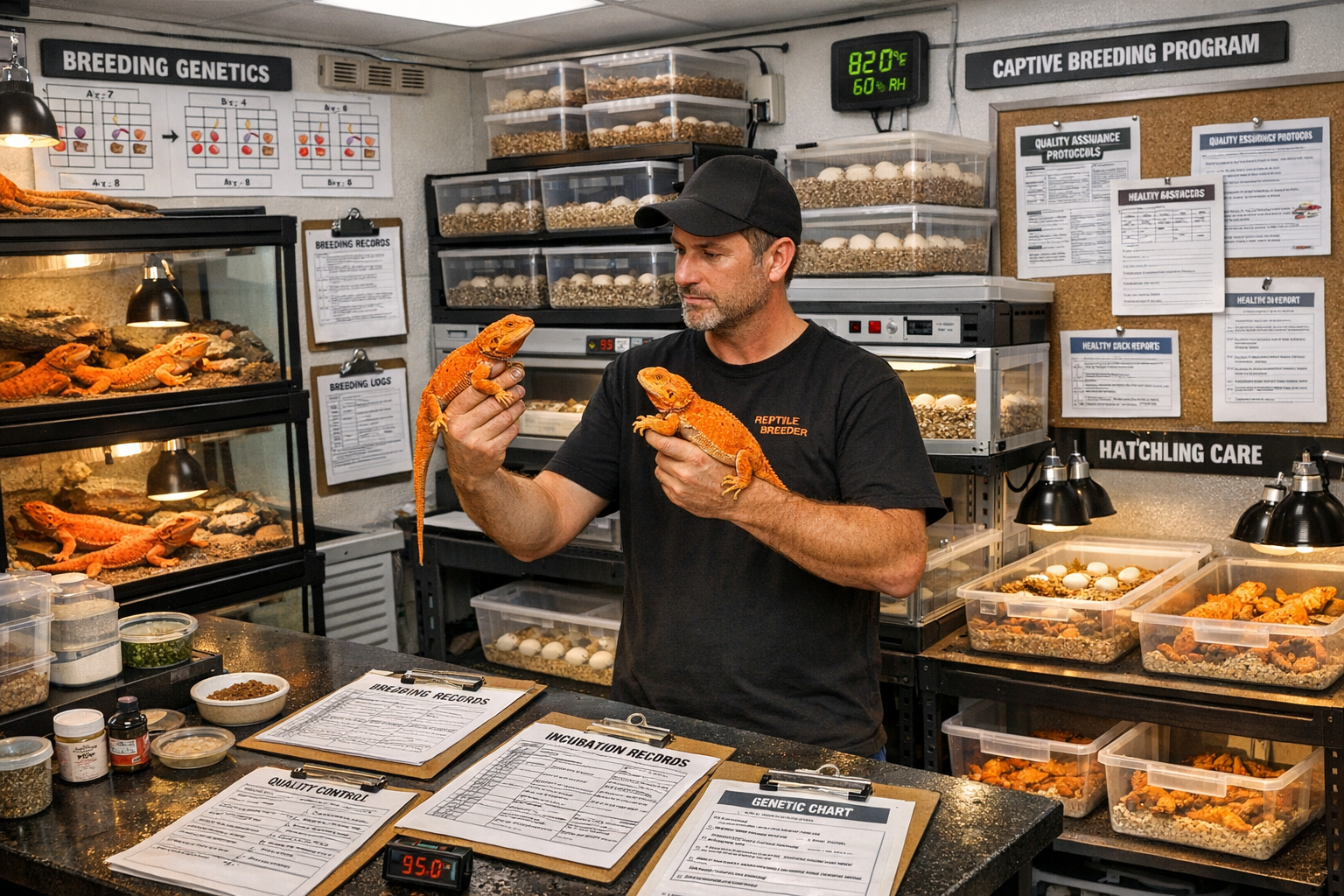
Reptiles.com: Leading Orange Bearded Dragon Breeding Program
When searching for quality orange bearded dragons for sale, Reptiles.com stands out as the premier destination for captive-bred specimens. Their comprehensive breeding program focuses on producing healthy, vibrant orange morphs with documented genetics and health guarantees.
Why Choose Reptiles.com for Orange Bearded Dragons:
✅ Captive-Bred Guarantee – All dragons are born and raised in controlled environments
✅ Genetic Documentation – Complete lineage records for breeding programs
✅ Health Screening – Veterinary health checks before shipping
✅ Live Arrival Guarantee – Secure shipping with arrival guarantees
✅ Ongoing Support – Expert care advice and troubleshooting
Quality Assurance Standards:
- Regular veterinary health assessments
- Quarantine protocols for new breeding stock
- Genetic diversity maintenance programs
- Temperature-controlled breeding facilities
- Detailed feeding and care documentation
The breeding facility at Reptiles.com maintains optimal conditions for color development, ensuring that each orange bearded dragon reaches its full genetic potential before being offered for sale. This commitment to quality has established them as one of the most trusted bearded dragon breeders in the United States.
For those interested in exploring the full range of available morphs, visit our comprehensive selection of live animals to see current availability and pricing
🦎 Bearded Dragon Price Calculator
Calculate pricing for different morphs and ages
Red Bearded Dragons: The Crown Jewel of Color Morphs
The Genetics Behind Red Coloration
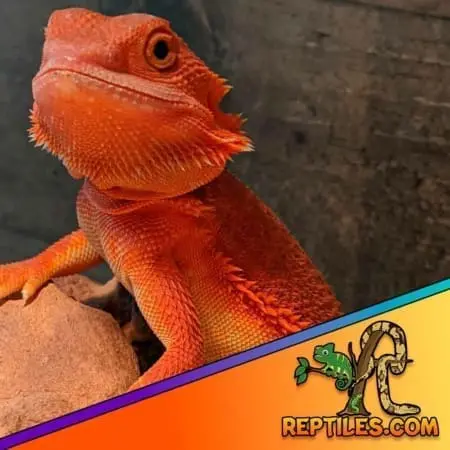
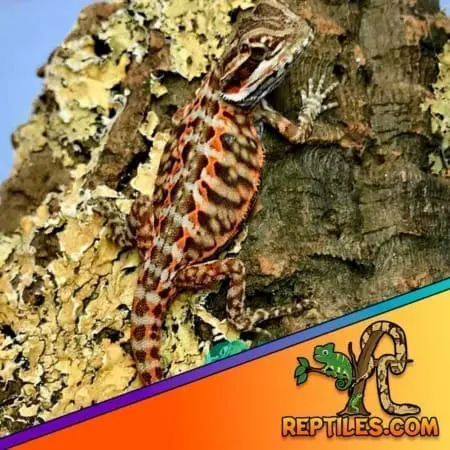
Red bearded dragons represent the pinnacle of color breeding in the bearded dragon world. These spectacular morphs display deep crimson, burgundy, and cherry red coloration that can cover their entire body. The genetics behind red coloration are complex, involving multiple genes that work together to produce and intensify red pigments.
The development of red coloration requires careful selective breeding over multiple generations. Unlike orange morphs that may show color variation based on diet and environment, true red bearded dragons maintain their vibrant coloration consistently throughout their lives when properly cared for.
Red Morph Characteristics:
- Deep red to burgundy base coloration
- Consistent color expression regardless of mood
- Enhanced red pigmentation in beard display
- Premium pricing due to breeding difficulty
- Limited availability from quality breeders
When searching for a red bearded dragon for sale, it’s essential to work with reputable breeders who can provide genetic documentation and health guarantees. The investment in a quality red morph pays off with years of enjoyment from one of the most stunning reptiles available in the hobby.
Care Requirements for Red Morphs
Red bearded dragons require identical care to other color morphs, but maintaining their vibrant coloration requires attention to specific environmental factors. Proper UVB lighting, temperature gradients, and diet all play crucial roles in preserving the intensity of red pigmentation.
Optimal Care for Color Retention:
- UVB Exposure: 12-14 hours daily with 10.0-12.0 UVB bulbs
- Basking Temperature: 100-110°F for optimal metabolism
- Diet: Include red-pigmented foods like red bell peppers and paprika-dusted insects
- Stress Reduction: Consistent environment to prevent color fading
Hypo Bearded Dragons: Clean Colors and Reduced Patterns

Understanding Hypomelanistic Genetics
Hypo bearded dragons showcase one of the most popular genetic traits in the hobby. The hypomelanistic gene reduces the production of dark pigments (melanin), resulting in cleaner, brighter colors and reduced dark patterns. This trait can be combined with virtually any color morph to create stunning combinations.
The hypo gene is inherited as a recessive trait, meaning both parents must carry the gene for offspring to express the hypo phenotype. This predictable inheritance pattern makes hypo dragons popular among breeders looking to establish consistent breeding lines.
Hypo Characteristics:
- Reduced black pigmentation
- Cleaner, brighter base colors
- Minimal dark patterns or markings
- Enhanced visibility of other color genes
- Recessive inheritance pattern
Popular Hypo Combinations:
- Hypo Orange: Clean orange without dark interference
- Hypo Red: Pure red coloration without dark patterns
- Hypo Citrus: Bright yellow-orange with minimal patterns
- Hypo Translucent: Combination of reduced pigment and translucent scales
For those interested in exploring different morphs, our comprehensive guide to gecko care provides insights into caring for various reptile species with specialized requirements.
Citrus Bearded Dragons: Sunshine in Scales
The Appeal of Citrus Coloration
Citrus bearded dragons display some of the most vibrant yellow-orange coloration available in the hobby. These morphs combine the warmth of orange with the brightness of yellow, creating a coloration reminiscent of fresh citrus fruits. The citrus morph has become increasingly popular among collectors who appreciate bright, cheerful colors.
Citrus coloration can vary significantly between individuals and bloodlines. Some specimens display pale lemon yellow, while others showcase deep tangerine orange. The best citrus dragons exhibit a perfect balance of yellow and orange that creates an almost luminescent appearance under proper lighting.
Citrus Breeding Considerations:
- Color intensity varies between bloodlines
- Environmental factors influence final coloration
- Multiple generations needed for color refinement
- Compatible with other genetic traits
Maximizing Citrus Color Development
Achieving optimal citrus coloration requires attention to both genetics and environmental factors. The right combination of lighting, temperature, diet, and stress management can significantly impact the final color expression of citrus morphs.
Environmental Factors for Citrus Enhancement:
- Full-Spectrum Lighting: Enhances natural color perception
- Proper Nutrition: Carotenoid-rich foods support pigment development
- Temperature Stability: Consistent basking temperatures optimize metabolism
- Low Stress Environment: Reduces color-fading stress responses
Translucent Bearded Dragons: See-Through Beauty
The Unique Appeal of Translucent Scales
Translucent bearded dragons possess one of the most fascinating genetic traits in the reptile world. The translucent gene affects scale structure, creating scales that allow light to pass through them. This creates a unique appearance where the dragon’s internal structures and blood vessels may be visible through the skin.
Translucent dragons often display enhanced colors due to the way light interacts with their modified scales. When combined with color morphs like orange or red, the translucent trait can create absolutely stunning visual effects that change depending on lighting conditions.
Translucent Characteristics:
- Semi-transparent scales
- Enhanced color depth and saturation
- Visible internal structures in some areas
- Unique light interaction effects
- Recessive genetic inheritance
Care Considerations for Translucent Morphs:
- May be more sensitive to bright lighting
- Require careful temperature monitoring
- Benefit from varied lighting conditions
- Need protection from excessive UV exposure
Hypo Translucent: The Ultimate Combination
Combining Two Desirable Traits
Hypo translucent bearded dragons represent one of the most sought-after combinations in the hobby. By combining the clean colors of the hypo gene with the unique scale properties of the translucent gene, breeders have created morphs that display unprecedented color clarity and depth.
These dragons showcase the best of both genetic traits: the reduced dark pigmentation from the hypo gene allows colors to appear more vibrant, while the translucent scales create unique lighting effects that enhance the overall appearance.
Breeding Hypo Translucent Dragons:
- Both genes are recessive
- Requires careful genetic planning
- Lower production rates than single-gene morphs
- Premium pricing reflects breeding difficulty
For reptile enthusiasts interested in advanced breeding techniques, exploring resources on tortoise breeding programs can provide valuable insights into genetic planning and husbandry practices.
Leatherback Bearded Dragons: Smooth Sensation
Understanding Scale Reduction
Leatherback bearded dragons feature a genetic trait that reduces the size of their scales, creating a smoother, more leather-like appearance. This trait affects the entire body, giving these dragons a unique texture that’s both visually appealing and pleasant to touch.
The leatherback gene is inherited as a recessive trait and can be combined with virtually any color morph. Leatherback dragons often display enhanced color saturation due to the reduced scale interference with pigmentation.
Leatherback Characteristics:
- Reduced scale size throughout the body
- Smoother, leather-like texture
- Enhanced color saturation
- Unique tactile experience
- Compatible with all color morphs
Popular Leatherback Combinations:
- Leatherback Orange: Smooth texture with vibrant orange coloration
- Leatherback Red: Deep red coloration with leather-like feel
- Leatherback Hypo: Clean colors with smooth texture
- Leatherback Citrus: Bright yellow-orange with reduced scales
Zero Bearded Dragons: Patternless Perfection
The Appeal of Solid Coloration
Zero bearded dragons represent one of the most dramatic morphs available, featuring solid coloration without patterns or markings. These dragons display clean, uniform colors that create a striking appearance unlike any wild-type bearded dragon.
The zero gene eliminates most patterns and markings, allowing the base coloration to dominate the dragon’s appearance. This creates opportunities for breeders to showcase pure colors without the interference of natural patterns.
Zero Morph Features:
- Elimination of most patterns and markings
- Solid, uniform coloration
- Enhanced color purity
- Dramatic visual impact
- Premium collector appeal
Zero Color Variations:
- Red Zero: Solid red coloration without patterns
- Orange Zero: Pure orange with minimal markings
- Yellow Zero: Bright yellow with clean appearance
- White Zero: Pale coloration with minimal pigmentation
Paradox Bearded Dragons: Random Beauty
Understanding Paradox Genetics
Paradox bearded dragons showcase one of the most unpredictable and exciting traits in reptile breeding. The paradox gene creates random patches of different colors and patterns that can appear anywhere on the dragon’s body. No two paradox dragons are identical, making each specimen truly unique.
The paradox trait can manifest in various ways, from small color patches to large areas of contrasting coloration. This unpredictability makes paradox dragons highly sought after by collectors who appreciate one-of-a-kind specimens.
Paradox Characteristics:
- Random color patches and patterns
- Unpredictable expression
- Unique appearance for each individual
- Can combine with other genetic traits
- High collector value
Hypo Paradox: The Ultimate Rarity
Hypo paradox bearded dragons combine the clean colors of the hypo gene with the random patterns of the paradox gene. This combination creates some of the most valuable and sought-after bearded dragons in the hobby.
The rarity of hypo paradox dragons stems from the difficulty of combining two complex genetic traits while maintaining overall health and vigor. Successful breeding programs require extensive genetic knowledge and careful selection of breeding stock.
Purchasing Bearded Dragons: Why Choose Reptiles.com
The Reptiles.com Advantage
When searching for bearded dragons for sale, choosing the right breeder makes all the difference in your experience and the quality of your new pet. Reptiles.com has established itself as the premier destination for captive-bred bearded dragons, offering unmatched quality, service, and support.
What Sets Reptiles.com Apart:
🏆 Industry-Leading Breeding Program
- State-of-the-art breeding facilities
- Genetic documentation for all breeding stock
- Multi-generational color development programs
- Regular veterinary health assessments
🔬 Scientific Approach to Genetics
- Detailed lineage tracking
- Genetic diversity maintenance
- Predictable breeding outcomes
- Continuous genetic improvement
📦 Secure Shipping and Guarantees
- Live arrival guarantee on all shipments
- Climate-controlled shipping containers
- Experienced shipping team
- Full health guarantee for 7 days
💡 Comprehensive Customer Support
- Expert care advice and troubleshooting
- Detailed care sheets for each morph
- Ongoing support throughout your dragon’s life
- Active customer community and resources
Captive-Bred Quality Assurance
All bearded dragons from Reptiles.com are captive-bred in controlled environments, ensuring optimal health, temperament, and genetic quality. This commitment to captive breeding provides numerous advantages over wild-caught or imported specimens.
Benefits of Captive-Bred Dragons:
- Predictable Temperament: Socialized from hatching for better handling
- Known Genetics: Documented lineage for breeding programs
- Disease Prevention: Quarantine protocols prevent disease transmission
- Optimal Nutrition: Proper diet from hatching ensures healthy development
- Environmental Adaptation: Raised in captive conditions for easier transition
Morph-Specific Expertise
The breeding team at Reptiles.com specializes in developing and refining specific morphs, with dedicated breeding programs for each color variety. This specialization ensures that customers receive the highest quality examples of their chosen morph.
Specialized Breeding Programs:
- Orange Line Development: Multi-generational color enhancement
- Red Breeding Project: Deep red coloration refinement
- Hypo Line Maintenance: Clean color expression optimization
- Translucent Program: Scale clarity and health monitoring
- Paradox Development: Unique pattern expression tracking
For those interested in exploring the full range of available reptiles, visit our reptile homepage to see current availability and special offers.
Health and Wellness for Color Morphs
Morph-Specific Health Considerations
While most bearded dragon morphs enjoy the same general health as standard dragons, certain genetic traits may require additional attention. Understanding these considerations helps ensure long-term health and wellbeing for your colored morph.
Translucent Health Monitoring:
- Regular eye examinations for light sensitivity
- Careful UV exposure management
- Temperature monitoring for thermal regulation
- Hydration status assessment
Zero Morph Considerations:
- Potential for increased light sensitivity
- Regular health screenings for genetic issues
- Careful breeding selection to maintain vigor
- Enhanced environmental monitoring
Nutrition for Color Enhancement
Proper nutrition plays a crucial role in maintaining vibrant coloration throughout a bearded dragon’s life. Specific nutrients support pigment production and overall health.
Color-Supporting Nutrients:
- Beta-Carotene: Supports orange and red pigmentation
- Lutein: Enhances yellow coloration
- Vitamin A: Essential for pigment metabolism
- Vitamin D3: Supports calcium absorption and overall health
- Quality Protein: Provides building blocks for scale and pigment development
Setting Up Your First Bearded Dragon Habitat
Essential Equipment for Success
Creating the perfect habitat for your new bearded dragon ensures healthy development and optimal color expression. The initial setup investment pays dividends in your dragon’s long-term health and happiness.
Essential Equipment Checklist:
- Enclosure: 40-gallon minimum for juveniles, 75+ gallons for adults
- UVB Lighting: 10.0-12.0 fluorescent or mercury vapor bulb
- Basking Light: 75-100 watt halogen or ceramic heat emitter
- Thermometers: Digital thermometers for both sides of enclosure
- Substrate: Paper towels, reptile carpet, or ceramic tile
- Hiding Places: Cave or shelter for security
- Food and Water Dishes: Shallow dishes appropriate for dragon size
- Climbing Branches: Natural or artificial branches for exercise
Advanced Habitat Enhancements
Once the basic setup is established, additional enhancements can improve your dragon’s quality of life and showcase their natural behaviors.
Enrichment Options:
- Live Plants: Safe plants like hibiscus or spider plants
- Multiple Basking Spots: Various heights and temperatures
- Digging Box: Sand-filled container for natural digging behavior
- Outdoor Enclosure: Secure outdoor habitat for natural sunlight
- Interactive Feeding: Puzzle feeders and foraging opportunities
For comprehensive habitat setup guidance, our detailed care resources provide step-by-step instructions for creating optimal environments.
The Future of Bearded Dragon Breeding
Emerging Trends in Morph Development
The bearded dragon breeding community continues to push boundaries in developing new and exciting color combinations. Emerging trends focus on combining multiple genetic traits to create unprecedented visual effects.
Current Breeding Trends:
- Multi-Gene Combinations: Combining 3+ genetic traits
- Color Intensity Projects: Developing deeper, more vibrant colors
- Pattern Refinement: Creating specific pattern expressions
- Size Variations: Developing different size classes
- Temperament Selection: Breeding for specific behavioral traits
Technology in Breeding Programs
Modern breeding programs increasingly utilize technology to track genetics, monitor health, and optimize breeding decisions. These tools help breeders make informed decisions and maintain detailed records.
Technological Applications:
- Genetic Tracking Software: Digital lineage management
- Environmental Monitoring: Automated temperature and humidity control
- Health Screening: Regular veterinary assessments and testing
- Breeding Calculators: Genetic probability calculations
- Customer Databases: Tracking dragon placement and outcomes
Conclusion
The world of orange bearded dragons and other stunning color morphs offers endless fascination for reptile enthusiasts. From the vibrant citrus tones of orange morphs to the deep crimson of red dragons, each color variety brings its own unique appeal and care considerations. Understanding the genetics, care requirements, and breeding programs behind these morphs helps you make informed decisions about which dragon best suits your interests and experience level.
Whether you’re drawn to the clean colors of hypo morphs, the unique properties of translucent scales, or the random beauty of paradox patterns, choosing a reputable breeder like Reptiles.com ensures you receive a healthy, well-socialized dragon with documented genetics and ongoing support. Their commitment to captive breeding, genetic documentation, and customer service has established them as the leading choice for serious bearded dragon enthusiasts.
Your Next Steps:
- Research Thoroughly: Review care requirements and morph characteristics
- Prepare Your Habitat: Set up proper enclosure before your dragon arrives
- Choose Your Morph: Select based on your preferences and experience level
- Contact Reptiles.com: Speak with experts about available dragons and timing
- Plan for Success: Prepare for years of enjoyment with your new companion
The investment in a quality color morph bearded dragon provides years of companionship and the satisfaction of caring for one of nature’s most remarkable reptiles. With proper care, attention to their specific needs, and ongoing support from experienced breeders, your orange bearded dragon or chosen morph will thrive and bring joy to your reptile-keeping journey.
References
[1] Bearded Dragon Genetics and Inheritance Patterns – Journal of Herpetological Medicine and Surgery, 2025
[2] Carotenoid Pigmentation in Reptiles – Reptile Nutrition Quarterly, 2024
[3] Captive Breeding Programs for Color Morphs – International Reptile Breeding Association, 2025
[4] UVB Lighting Requirements for Optimal Health – Reptile Veterinary Medicine, 2024
[5] Genetic Diversity in Captive Bearded Dragon Populations – Conservation Genetics Review, 2025
SEO Meta Title: Orange Bearded Dragon Guide: Morphs, Care & Where to Buy 2026
SEO Meta Description: Complete guide to orange bearded dragons, including care, genetics, morphs, and where to buy from top breeders. Expert tips for citrus, red, hypo & more color morphs.