
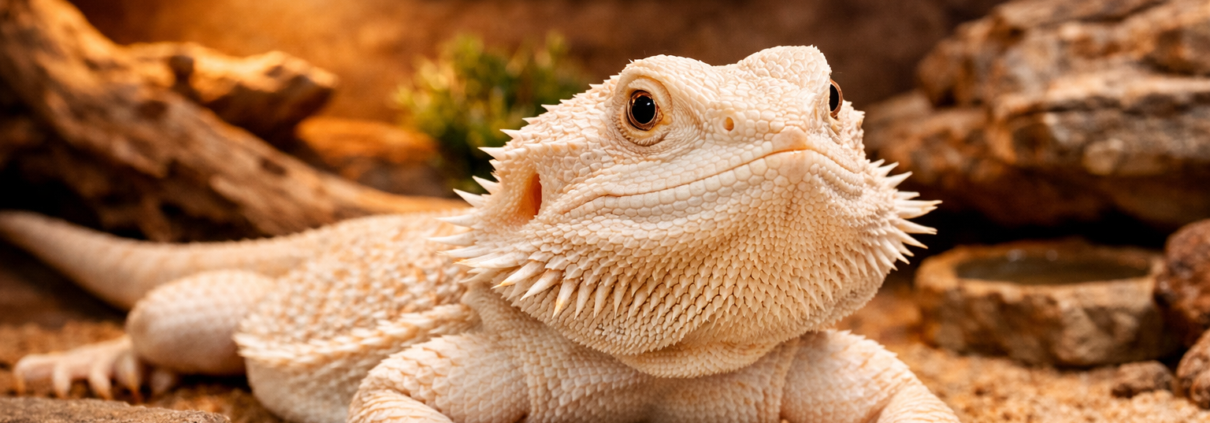
Hypo Bearded Dragon
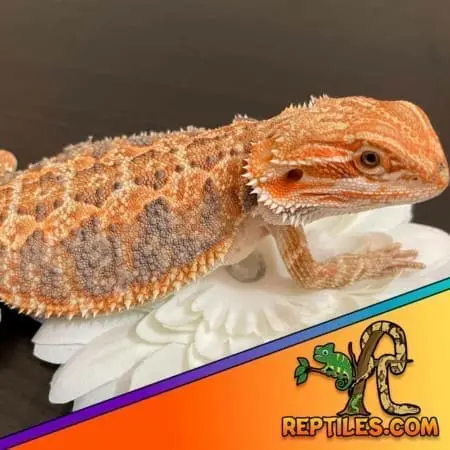
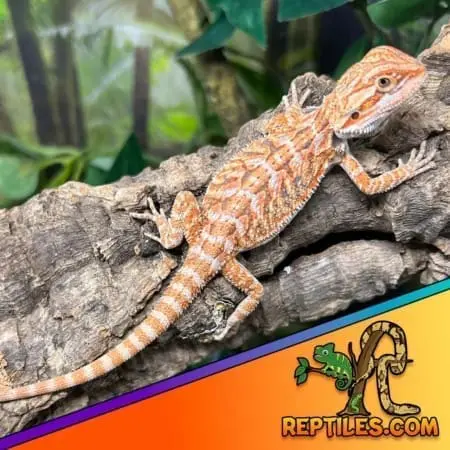
Picture this: you’re browsing through a reptile expo when suddenly, a pale, almost ghostly bearded dragon catches your eye. Its scales seem to glow with an ethereal quality, lacking the deep pigmentation of typical bearded dragons. You’ve just encountered a hypo bearded dragon – one of the most sought-after morphs in the reptile world. These stunning creatures represent the perfect blend of natural beauty and selective breeding expertise, making them increasingly popular among both novice and experienced reptile keepers.
- Display 9 Products per page
Key Takeaways
• Hypo bearded dragons are a color morph characterized by reduced melanin production, resulting in lighter, more translucent scales and vibrant underlying colors
• These morphs typically cost between $150-$800 depending on age and specific genetic combinations, with rare variants reaching $1,000+
• Proper care for hypo bearded dragons is identical to standard bearded dragons, requiring UVB lighting, temperature gradients of 75-110°F, and omnivorous diets
• Reputable breeders like Reptiles.com offer captive-bred hypo morphs with health guarantees and detailed lineage information
• Hypo genetics can be combined with other traits (trans, citrus, leatherback) to create even more spectacular and valuable morphs
Understanding Hypo Bearded Dragon Genetics and Characteristics
What Makes a Bearded Dragon “Hypo”?
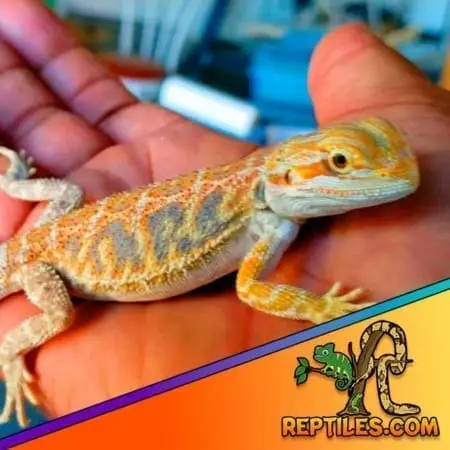
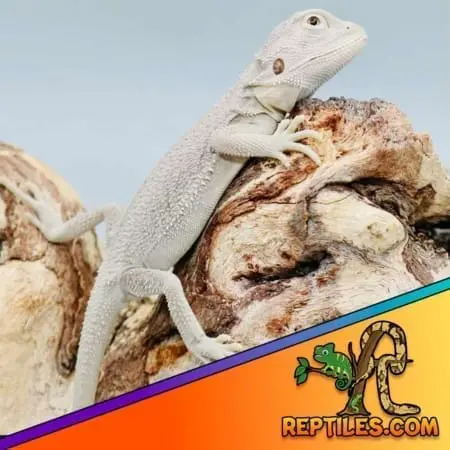
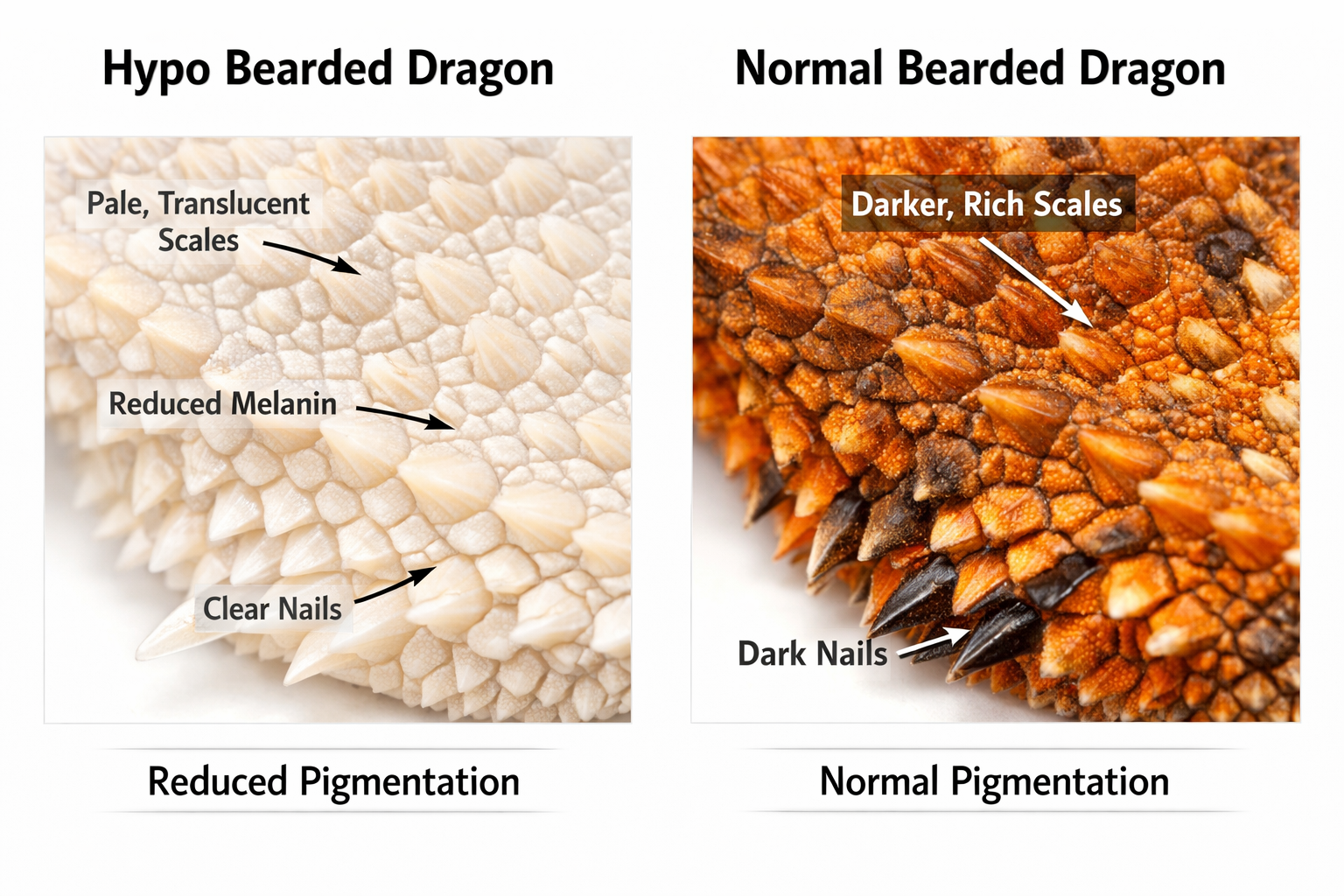
The term “hypo” is short for hypomelanistic, which literally means “reduced melanin.” In hypo bearded dragons, this genetic trait results in significantly decreased dark pigmentation throughout their scales, nails, and sometimes even their eyes. Unlike albino animals that completely lack melanin, hypo bearded dragons retain some dark pigment, creating a beautiful translucent appearance that allows their underlying colors to shine through more vibrantly.
This genetic mutation affects the dragon’s ability to produce eumelanin, the pigment responsible for black and brown coloration. The result is a bearded dragon with:
- Lighter, more translucent scales 🦎
- Reduced or absent dark patterns
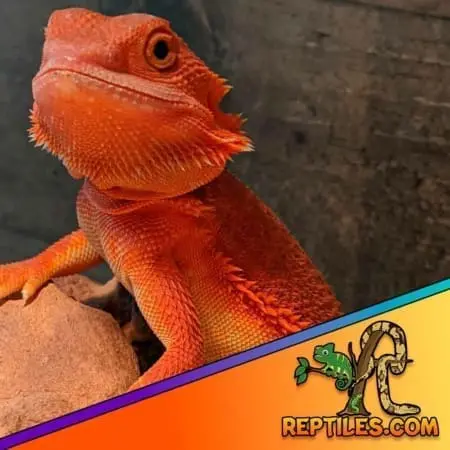
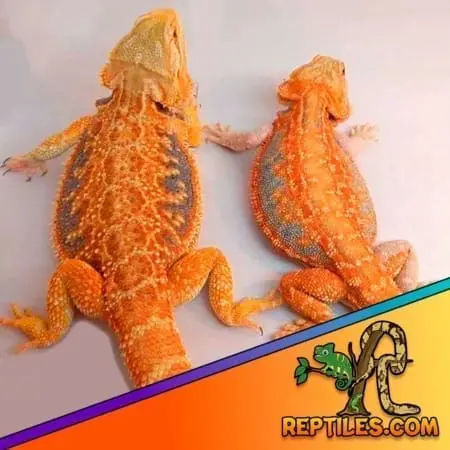
- Enhanced visibility of underlying colors (reds, oranges, yellows)
- Clearer nail beds (often translucent rather than black)
- Brighter, more vivid overall appearance
The Science Behind Hypo Genetics
The hypo trait in bearded dragons follows a recessive inheritance pattern, meaning both parents must carry the gene for offspring to display the hypo characteristics. This genetic requirement makes hypo bearded dragons more challenging to produce and consequently more valuable in the reptile market.
When breeding hypo bearded dragons:
- Two hypo parents = 100% hypo offspring
- One hypo parent + one normal parent = 100% het (carrier) offspring
- Two het parents = 25% hypo, 50% het, 25% normal offspring
Understanding these genetics is crucial for breeders and helps explain why authentic bearded dragons for sale with proven hypo genetics command premium prices.
Popular Hypo Bearded Dragon Morphs and Variations
Standard Hypo Bearded Dragons
The classic hypo bearded dragon represents the foundation of this morph category. These dragons display the characteristic reduced melanin while maintaining the traditional bearded dragon body structure and scale type. Standard hypos typically showcase:
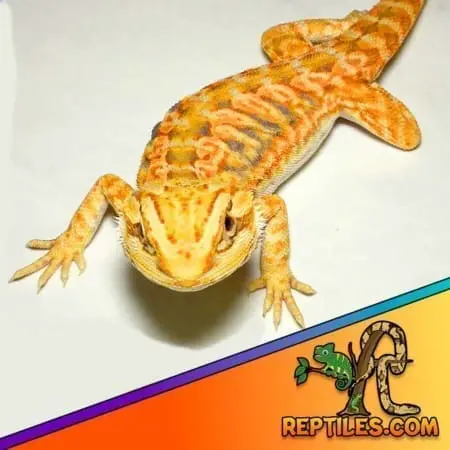
- Enhanced orange and red coloration
- Translucent scale quality
- Minimal dark patterning
- Clear or light-colored nails
- Pricing range: $150-$350 for babies
Hypo Trans (Translucent) Combinations
When hypo genetics combine with the translucent trait, the results are truly spectacular. Hypo trans bearded dragons feature:
- Extremely translucent scales that appear almost glass-like
- Solid black or dark blue eyes (from the trans gene)
- Enhanced light transmission through the skin
- Premium pricing due to dual recessive traits
- Market value: $300-$600 for quality specimens
The combination of these two recessive traits creates some of the most visually striking bearded dragons available. For those interested in acquiring these exceptional morphs, reputable bearded dragon breeders like Reptiles.com maintain detailed breeding records to ensure genetic authenticity.
Hypo Citrus Bearded Dragons
Citrus bearded dragons already display vibrant yellow and orange coloration, but when combined with hypo genetics, these colors become absolutely luminous. Hypo citrus bearded dragons feature:
- Intense yellow and orange hues 🍊
- Minimal dark interference allowing pure color expression
- High contrast between light and colored areas
- Collector appeal among morph enthusiasts
- Investment potential with values ranging $250-$500
Hypo Leatherback Morphs
Leatherback bearded dragons possess reduced scale size, creating a smoother appearance. When combined with hypo genetics, these morphs offer:
- Smooth, refined scale texture
- Enhanced color saturation due to reduced scale interference
- Unique tactile experience for handling
- Breeding potential for creating triple-trait combinations
- Premium market position with prices from $300-$700
For those seeking the finest examples of these morphs, Reptiles.com’s captive breeding program produces some of the highest quality hypo leatherback combinations available in the United States.
Hypo Bearded Dragon Care Requirements and Best Practices
Essential Habitat Setup for Hypo Morphs
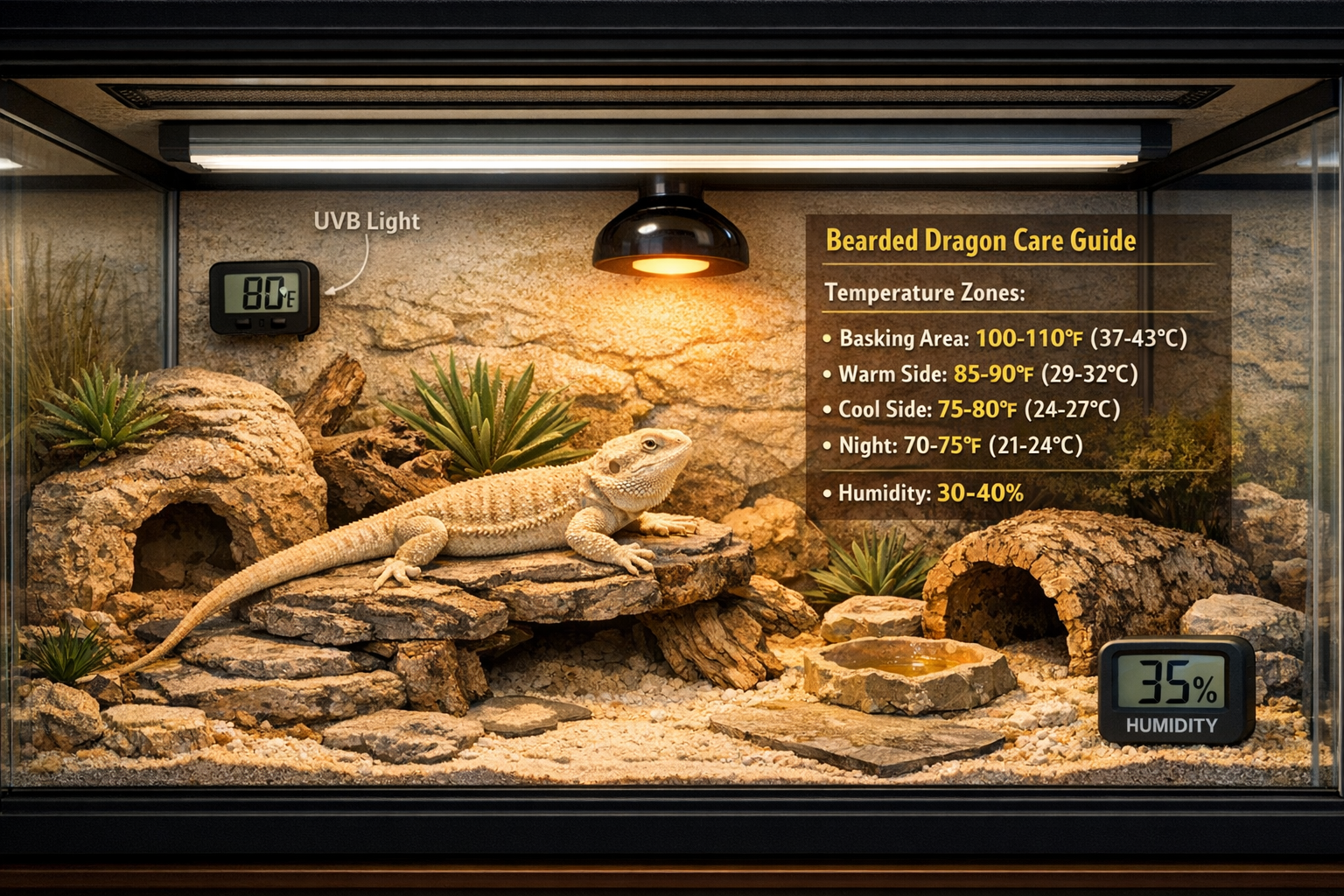
Caring for a hypo bearded dragon requires the same fundamental approach as any bearded dragon, but their unique coloration may make them slightly more sensitive to certain environmental factors. Here’s what you need to know:
Enclosure Specifications:
- Minimum size: 40 gallons for juveniles, 75+ gallons for adults
- Length priority: 4 feet minimum for adult dragons
- Ventilation: Essential for preventing respiratory issues
- Security: Escape-proof latches and proper screen tops
Temperature Requirements:
- Basking spot: 100-110°F (38-43°C)
- Cool side: 75-85°F (24-29°C)
- Nighttime: 65-75°F (18-24°C)
- Temperature gradient: Critical for thermoregulation
Lighting Needs:
Hypo bearded dragons may appear more sensitive to lighting due to their reduced pigmentation, but they require the same UVB exposure as standard morphs:
- UVB lighting: 10.0-12.0 T5 HO fluorescent or equivalent LED
- Photoperiod: 12-14 hours during active season
- Replacement schedule: Every 6-12 months depending on bulb type
- Distance: Follow manufacturer specifications for proper UV exposure
Nutrition for Hypo Bearded Dragons
The dietary needs of hypo bearded dragons mirror those of standard bearded dragons, emphasizing a balanced omnivorous diet that changes with age:
Juvenile Diet (Under 12 months):
- 80% insects, 20% vegetation
- Daily feeding of appropriately sized insects
- Variety including crickets, dubia roaches, black soldier fly larvae
- Fresh greens and vegetables offered daily
Adult Diet (12+ months):
- 20% insects, 80% vegetation
- Insects 2-3 times per week
- Daily fresh salads with variety
- Calcium supplementation 2-3 times weekly
Supplementation Schedule:
- Calcium with D3: 2-3 times weekly
- Multivitamin: Once weekly
- Calcium without D3: Available constantly for adults
For comprehensive nutritional guidance, many keepers reference the detailed care information provided by established breeders and educational resources available at Reptiles.com.
Health Considerations Specific to Hypo Morphs
While hypo bearded dragons don’t have inherently different health requirements, their unique genetics and appearance warrant special attention to certain areas:
Potential Sensitivities:
- Light sensitivity: Some hypos may be more sensitive to intense lighting
- Skin visibility: Health issues may be more apparent through translucent skin
- Breeding considerations: Genetic diversity important in breeding programs
Regular Health Monitoring:
- Weight tracking: Monthly weights for adults, weekly for juveniles
- Appetite monitoring: Changes in eating patterns can indicate issues
- Behavior observation: Activity levels and basking behavior
- Skin condition: Check for stuck shed, injuries, or parasites
Veterinary Care:
- Annual check-ups with reptile-experienced veterinarians
- Fecal parasite screening every 6-12 months
- Immediate attention for any concerning symptoms
Where to Buy Hypo Bearded Dragons: Choosing the Right Breeder
Why Reptiles.com Leads the Industry
When searching for a hypo bearded dragon for sale, the breeder you choose can make the difference between a healthy, well-socialized pet and potential heartbreak. Reptiles.com has established itself as the premier destination for high-quality bearded dragon morphs in the United States, and here’s why:
Captive Breeding Excellence:
- Multi-generational breeding programs ensuring genetic diversity
- Detailed lineage tracking for all breeding animals
- Health testing protocols for breeding stock
- Selective breeding practices focusing on health, temperament, and coloration
Quality Assurance Standards:
- Health guarantees on all animals sold
- Veterinary partnerships ensuring proper care
- Quarantine protocols preventing disease transmission
- Feeding establishment before shipping
Customer Support:
- Lifetime care support for all customers
- Educational resources and care guides
- Responsive customer service team
- Community building among reptile enthusiasts
What to Look for in a Reputable Breeder
Not all breeders maintain the same standards, so it’s crucial to evaluate potential sources carefully when purchasing a hypo bearded dragon:
Red Flags to Avoid:
- Unwillingness to provide health guarantees
- Lack of detailed care information
- Poor communication or responsiveness
- No references or reviews available
- Unusually low prices that seem too good to be true
Positive Indicators:
- Transparent breeding practices ✅
- Detailed animal histories and genetics information
- Professional facilities and husbandry standards
- Positive customer reviews and testimonials
- Educational approach to customer service
Questions to Ask Potential Breeders:
- What health guarantees do you provide?
- Can you provide the genetic background of this animal?
- What is your quarantine and health testing protocol?
- Do you offer ongoing support after purchase?
- Can you provide references from previous customers?
Investment Considerations and Pricing
Hypo bearded dragons represent a significant investment, with prices varying based on several factors:
Pricing Factors:
- Age and size of the dragon
- Genetic quality and lineage
- Additional traits (trans, citrus, leatherback combinations)
- Breeder reputation and location
- Market demand and availability
Typical Price Ranges (2026):
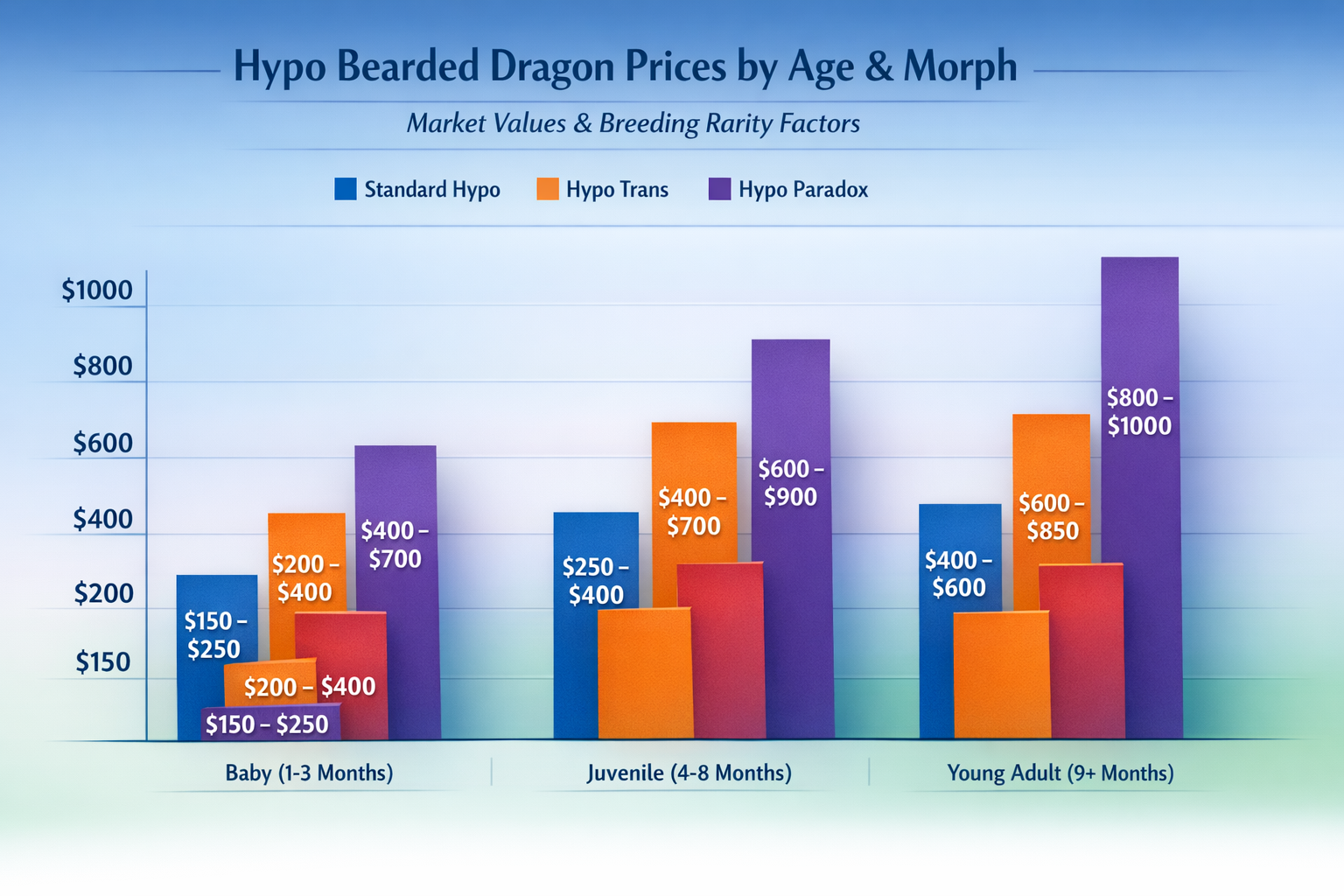
- Baby hypo bearded dragons: $150-$400
- Juvenile hypos: $200-$500
- Adult breeding quality: $300-$800
- Rare combinations: $500-$1,000+
The investment in a quality hypo bearded dragon from a reputable breeder like Reptiles.com pays dividends in terms of animal health, genetic authenticity, and ongoing support. Many customers find that the initial cost difference between a quality breeder and cheaper alternatives is minimal compared to potential veterinary costs and the emotional investment in their pet.
🦎 Hypo Bearded Dragon Pricing Calculator
Calculate estimated prices for different hypo morphs and ages
Standard Hypo
Classic hypomelanistic bearded dragon with reduced dark pigmentation and enhanced underlying colors. Perfect for beginners interested in morphs.
Advanced Hypo Bearded Dragon Breeding and Genetics
Creating Premium Hypo Combinations
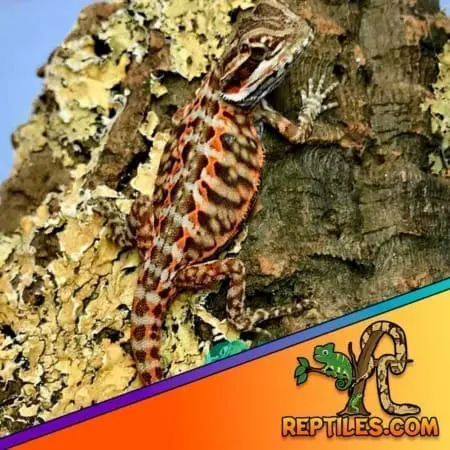
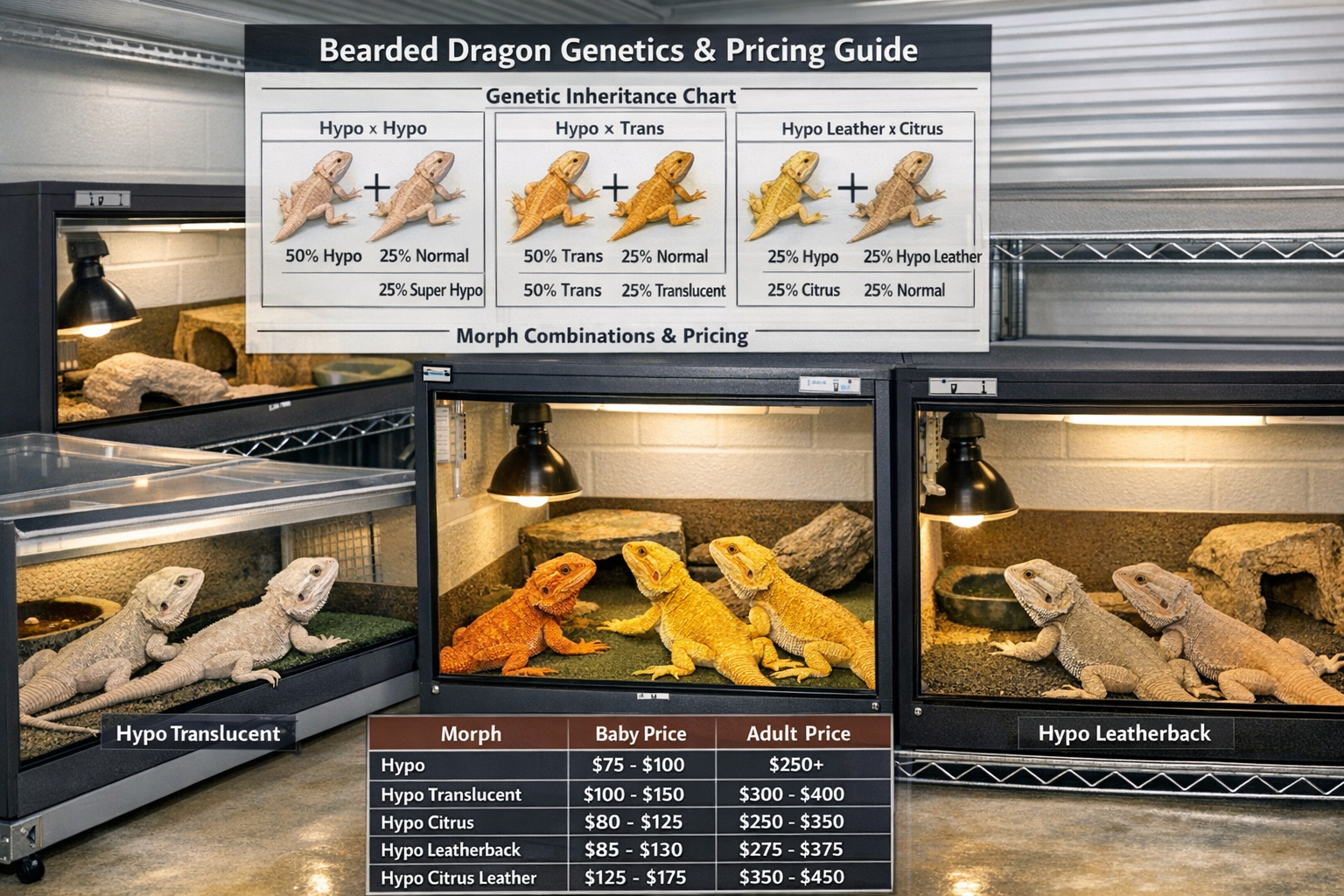
The world of hypo bearded dragon breeding represents one of the most exciting frontiers in reptile genetics. Advanced breeders are constantly working to combine the hypo trait with other desirable characteristics to create increasingly spectacular morphs. Understanding these combinations helps both breeders and collectors appreciate the complexity and value of different specimens.
Triple Trait Combinations:
- Hypo Trans Leatherback: Combines translucent skin, reduced melanin, and smooth scales
- Hypo Citrus Zero: Merges intense yellow coloration with minimal patterning
- Hypo Paradox Witblits: Creates unique random patterning with reduced pigmentation
Breeding Challenges:
The complexity of producing multi-trait hypo bearded dragons cannot be overstated. Each additional recessive trait exponentially increases the difficulty and time required to produce desired offspring:
- Single trait (hypo only): 1 in 4 chance from het x het pairing
- Double trait (hypo trans): 1 in 16 chance from double het pairing
- Triple trait combinations: 1 in 64 or lower probability
This mathematical reality explains why premium combinations command such high prices and why established breeding programs like those at Reptiles.com invest years in developing quality breeding groups.
Market Trends and Investment Potential
The hypo bearded dragon market has shown remarkable stability and growth over the past decade. Several factors contribute to their enduring popularity and investment potential:
Market Drivers:
- Consistent demand from both pet owners and collectors
- Limited supply due to recessive genetics
- Breeding potential for producing valuable offspring
- Show quality specimens for reptile exhibitions
2026 Market Analysis:
Current market trends indicate strong demand for quality hypo morphs, with prices remaining stable despite increased breeding efforts. The most significant appreciation has been seen in:
- Proven breeding animals with documented genetics
- Rare combination morphs (hypo paradox, hypo zero variants)
- Show quality specimens with exceptional coloration
- Established bloodlines from reputable breeders
For those interested in the breeding aspect, many successful programs begin with purchasing proven genetics from established sources. The comprehensive care guides available from experienced breeders provide invaluable information for those considering entering the breeding world.
Genetic Testing and Documentation
Modern hypo bearded dragon breeding increasingly relies on proper documentation and genetic testing to verify traits and maintain breeding records:
Documentation Importance:
- Lineage tracking for genetic diversity
- Trait verification for breeding decisions
- Health records for breeding stock evaluation
- Market value authentication for sales
Genetic Testing Options:
While visual identification remains the primary method for confirming hypo traits, emerging genetic testing technologies offer additional verification methods:
- DNA analysis for trait confirmation
- Parentage verification for lineage accuracy
- Health screening for genetic disorders
- Sex determination for young animals
Record Keeping Best Practices:
- Photo documentation of all breeding animals
- Detailed breeding logs with dates and outcomes
- Health monitoring records for all animals
- Genetic charts tracking trait inheritance
Conclusion: Your Journey with Hypo Bearded Dragons
The world of hypo bearded dragons offers an incredible opportunity to experience some of nature’s most beautiful reptiles while participating in an active and passionate community of enthusiasts. Whether you’re drawn to their stunning translucent appearance, interested in the genetics behind their creation, or excited about their breeding potential, these remarkable animals provide years of fascination and enjoyment.
As we’ve explored throughout this comprehensive guide, success with hypo bearded dragons begins with education, continues with proper care, and flourishes with connection to reputable sources and communities. The investment in a quality animal from an established breeder like Reptiles.com pays dividends not just in animal health and genetic authenticity, but in the ongoing support and expertise that comes with that relationship.
Your Next Steps:
- Research thoroughly before making your purchase decision
- Prepare your habitat with proper equipment and setup
- Connect with reputable breeders who offer health guarantees and support
- Join reptile communities for ongoing learning and friendship
- Consider your long-term goals whether pet ownership or breeding
The hypo bearded dragon community continues to grow and evolve, with new morphs and combinations appearing regularly. By starting with quality animals and proper care, you’re positioning yourself to enjoy these remarkable creatures for many years to come. Whether your interest lies in the simple pleasure of keeping a beautiful pet or the complex world of genetic breeding, hypo bearded dragons offer a rewarding and fascinating journey into the world of reptile keeping.
Remember that every hypo bearded dragon represents years of careful breeding work and genetic planning. By choosing quality sources and providing excellent care, you’re not just acquiring a pet – you’re becoming a steward of these remarkable genetic achievements and contributing to their continued development and preservation.
References
[1] Reptile Database – Pogona vitticeps genetic variations and morphs
[2] Journal of Herpetology – Melanin reduction in reptile color morphs
[3] International Herpetological Society – Bearded dragon breeding genetics
[4] Veterinary Reptile Medicine – Health considerations for color morphs
[5] Reptile Breeding Magazine – Market analysis of premium morphs 2026