
Buyer’s Guide: Choosing a Captive‑Bred Red‑Footed Tortoise
Buyer’s Guide: Choosing a Captive‑Bred Red‑Footed Tortoise — A buyer‑focused, practical guide with proven husbandry from the experts at Reptiles.com.
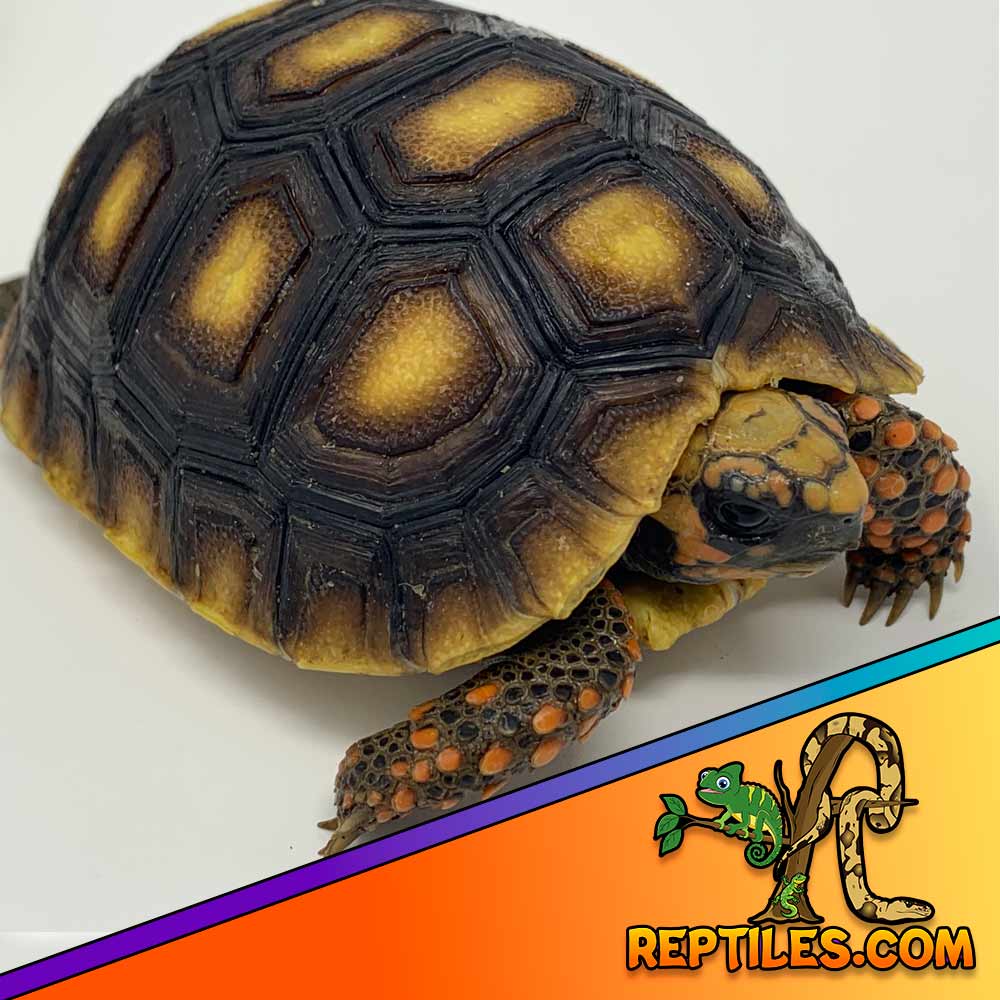
With bold facial markings and friendly personalities, red‑footed tortoises make exceptional long‑term companions for patient keepers. Our breeder team raises each baby with correct hydration, humidity, and UVB so owners enjoy smooth shells and steady growth. Aim for a basking spot of 92–95°F, ambient daytime temps of 80–84°F, and a mild nighttime drop to 75–78°F. Maintain a humidity band between 60–80% with daily misting and access to a humid hide for babies. Consistency wins: lights on a timer, fresh salad each morning, and weekly soaks keep shells glossy. Red‑foots learn fast and reward steady, thoughtful care.
Check our live availability of tortoises for sale or, when you’re ready, buy tortoise directly from Reptiles.com with safe overnight shipping.
A well‑set red‑foot thrives indoors or outdoors thanks to its adaptable temperament and love of routine. Our breeder team raises each baby with correct hydration, humidity, and UVB so owners enjoy smooth shells and steady growth. Provide a large water dish for soaking and drinking; refresh daily to encourage hydration. Use a linear T5 UVB and bright LED to mimic tropical daylight while preventing over‑drying. Consistency wins: lights on a timer, fresh salad each morning, and weekly soaks keep shells glossy. Red‑foots learn fast and reward steady, thoughtful care.
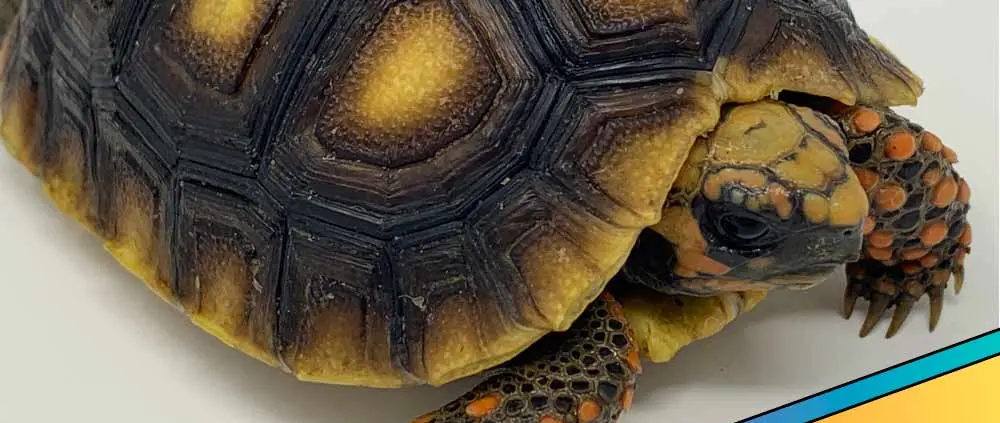
Red‑footed tortoises are charismatic, hardy rainforest dwellers known for their orange and yellow scales and intelligent, curious demeanor. Reptiles.com focuses on captive‑bred, well‑started babies that are eating, soaking, and thriving before they ever ship. Aim for a basking spot of 92–95°F, ambient daytime temps of 80–84°F, and a mild nighttime drop to 75–78°F. Feed a base of dark leafy greens and weeds, augmented with small portions of low‑sugar fruit 1–2x weekly. Consistency wins: lights on a timer, fresh salad each morning, and weekly soaks keep shells glossy. Red‑foots learn fast and reward steady, thoughtful care.
| Food | Frequency | Notes |
|---|---|---|
| Weeds & leafy greens | Daily | Collard, dandelion, plantain, grape leaves |
| Vegetables | 3x/week | Squash, cactus pads, bell pepper |
| Fruit (treat) | 1–2x/week | Papaya or berries for enrichment |
| Calcium carbonate | 2–3x/week | Light dusting on salad |
| Zone | Target | Purpose |
|---|---|---|
| Basking | 92–95°F | Digestion & immunity |
| Ambient day | 80–84°F | Activity & appetite |
| Night | 75–78°F | Rest & recovery |
| Humidity | 60–80% | Shell hydration & smooth growth |
A well‑set red‑foot thrives indoors or outdoors thanks to its adaptable temperament and love of routine. Our breeder team raises each baby with correct hydration, humidity, and UVB so owners enjoy smooth shells and steady growth. Provide a large water dish for soaking and drinking; refresh daily to encourage hydration. Maintain a humidity band between 60–80% with daily misting and access to a humid hide for babies. Consistency wins: lights on a timer, fresh salad each morning, and weekly soaks keep shells glossy. Red‑foots learn fast and reward steady, thoughtful care.
Red‑footed tortoises are charismatic, hardy rainforest dwellers known for their orange and yellow scales and intelligent, curious demeanor. Our breeder team raises each baby with correct hydration, humidity, and UVB so owners enjoy smooth shells and steady growth. Provide a large water dish for soaking and drinking; refresh daily to encourage hydration. Provide a large water dish for soaking and drinking; refresh daily to encourage hydration. Consistency wins: lights on a timer, fresh salad each morning, and weekly soaks keep shells glossy. Red‑foots learn fast and reward steady, thoughtful care.